Some movie lovers may be familiar with the Camargue region in the south of France since it has figured prominently in a number of films, especially 1953’s Crin Blanc: Le Cheval Sauvage (English title, White Mane), Albert Lamorisse’s lyrical tale of a boy and the wild, untamed horse he befriends, and Maniac (1963), a psychological thriller from Hammer Studios. This unique expanse of marshlands and salt flats is located between the Mediterranean Sea and two arms of the Rhone River and is well known for its wildlife which includes the stocky, semi-feral horses of Camargue as well as the region’s bulls (the animals are bred and raised for “course camarguaise,” a bloodless form of bull fighting). It is in this stunning landscape that French Algerian director Emma Benestan has set her second feature film, Animale (2024). It is an impressionistic exploration of the area’s ancient traditions and folklore focusing on Nejma (Oulaya Amamra), a 22-year-old woman who is determined to master the art of bull-running, even though it has always been exclusively an all-male athletic competition.
Continue readingTag Archives: Camargue France
Free Spirits

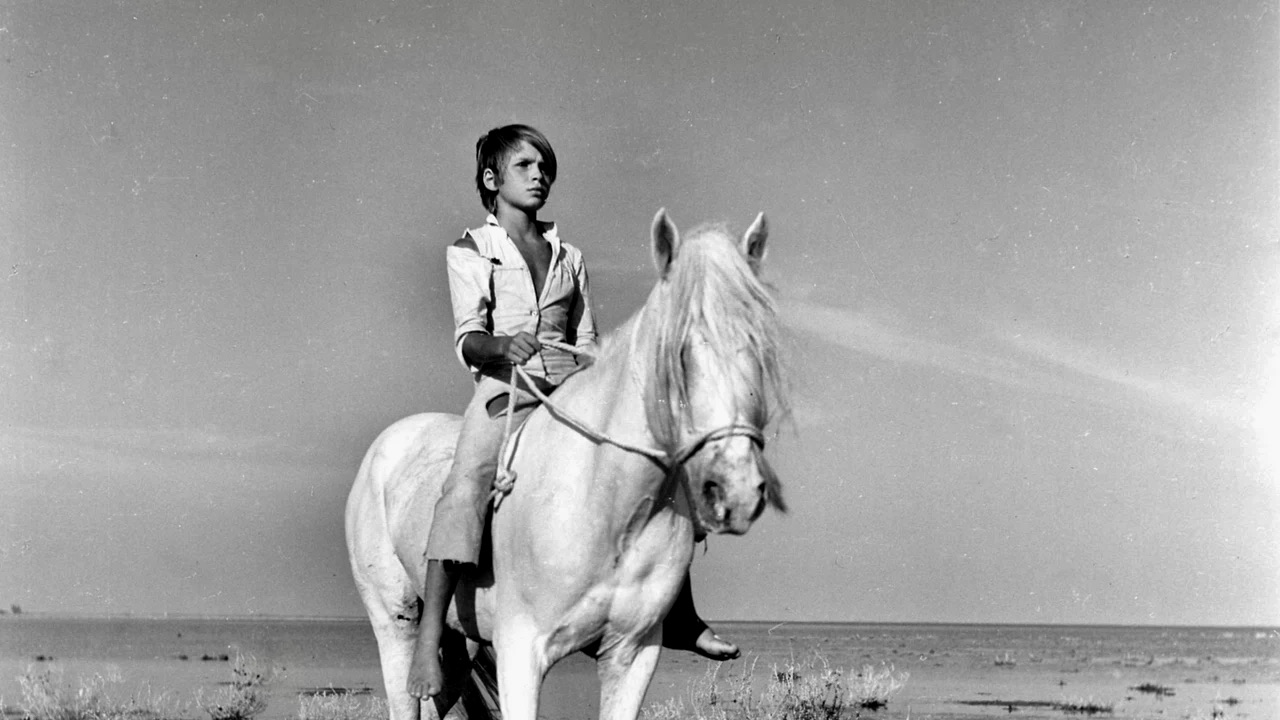
When you consider movies made for children and/or family viewing, stories about horses constitute a large portion of the genre, especially in American cinema. My Friend Flicka (1943), Black Beauty (1947), The Story of Seabiscuit (1949), Snowfire (1957), The Sad Horse (1959) and The Black Stallion (1970) are just a few of the more famous titles and some of these have inspired remakes or sequels. Still, one of my favorite films in this category comes from France and is often overlooked today – Crin Blanc: Le Cheval Sauvage (English title: White Mane, 1953), written and directed by Albert Lamorisse (1922-1970).
Continue readingCosa Nostra Bromance

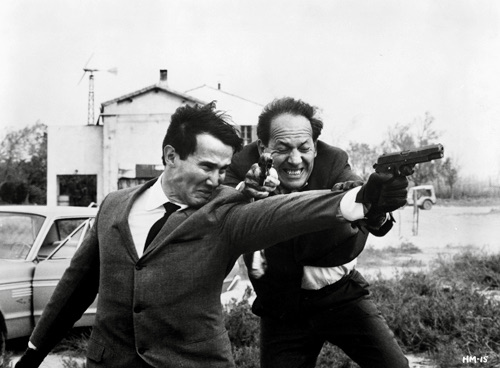
Do hit men have a code of ethics? It might seem like a bit of an oxymoron to have hit men and ethics in the same sentence but in most movies about organized crime like The Godfather, The Public Enemy or Scarface, there does seem to be some sort of moral code observed among the rank and file of thugdom, regardless of how hypocritical it may seem. Rarely though do we see crime thrillers where hit men have philosophical discussions about their work and Hail, Mafia (1965) is not only fascinating for this reason but it’s also a criminally overlooked little B-movie. Taut, suspenseful, oddly funny at times and a road movie of sorts, the European produced movie stars Henry Silva and Jack Klugman as ill-matched assassins on a journey to silence their target, an expatriate American (Eddie Constantine) living in France.