The Stranger Upstairs

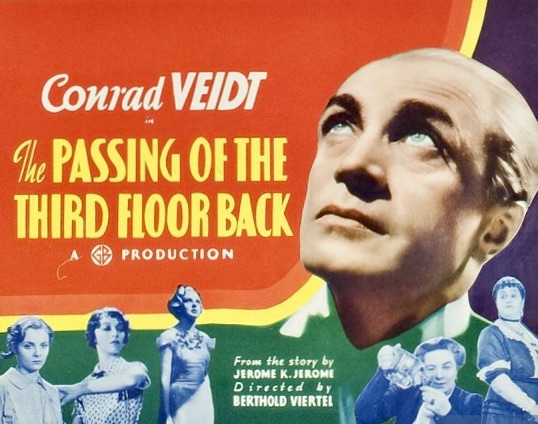
A mysterious stranger arrives at a boarding house in London and inquires about the advertised room to let. The landlady has some reservations about him but his good manners, personal charisma and willingness to pay his rent in advance convinces her he will be a respectable lodger. How many times have we seen movies that open with the same scenario where the new boarder turns out to be a suspicious character and possibly mentally unhinged? Alfred Hitchcock’s The Lodger (1927), Man in the Attic (1953), Roman Polanski’s The Tenant (1976) and The Minus Man (1999) are some of the more famous examples of this. The 1935 British film, The Passing of the Third Floor Back, however, gives us a protagonist who could be some kind of savior in disguise, a spiritual being who has come to help the unhappy and misanthropic boarders. Is he an angel, a Christ figure or maybe a figment of someone’s imagination?

Continue reading

Joe Orton’s Impolite Farce

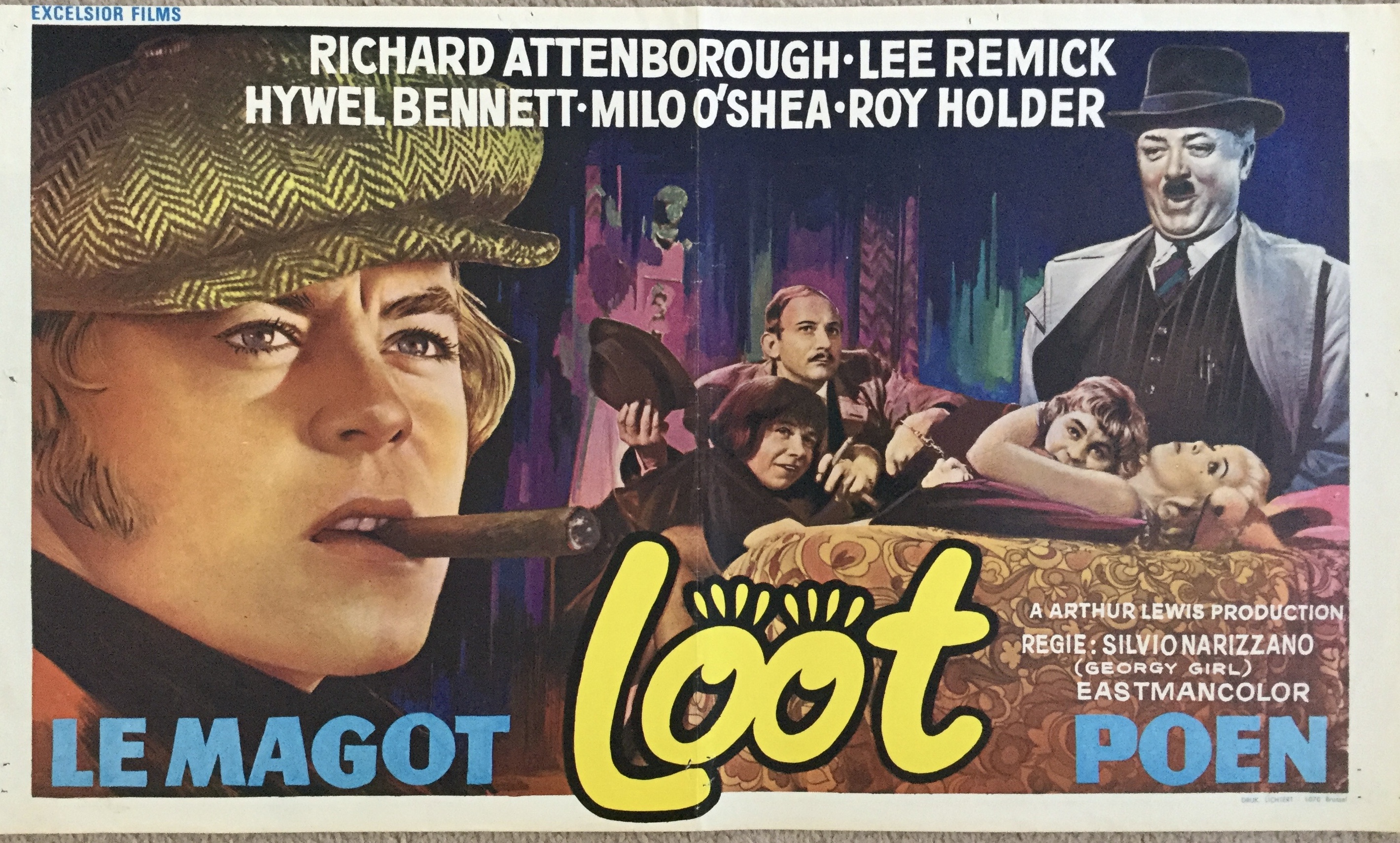
Black comedy may be an acquired taste but it still takes a clever and wickedly funny practitioner of the form to pull it off and Joe Orton was one of the best. The enfant terrible of British theatre in the sixties, Orton’s promising career was cut short in 1967 when he was bludgeoned to death by his lover Kenneth Halliwell. This final curtain, along with the events that led up to it, were covered in detail in John Lahr’s excellent biography of the acclaimed playwright Prick Up Your Ears, which was adapted to the screen in 1987 by Stephen Frears from a screenplay by Alan Bennett and featured Gary Oldman as Joe Orton. While Frears’ biopic was a fascinating character study, it didn’t really delve into the nuts and bolts of Orton’s craft or why such stages farces as Entertaining Mr. Sloane and What the Butler Saw became such popular and scandalous causes celebres among theatre critics and playgoers. The only thing that can really do justice to Orton’s particular brand of outrageous comedy and satire is a first rate production of one of his plays. A film adaptation would be much trickier because so much of Orton’s humor involves language – its proper and improper usage, double entendres, slang, class accents and other specifics. Of course, that didn’t stop filmmakers from attempting to bring his work to the screen and Loot became the second Orton play to receive the big screen treatment in 1970 (Entertaining Mr. Sloane, another Orton play adapted to film, had been released earlier in 1970).

Continue reading

M.R. James Times Two

Montague Rhodes James, better known as M.R. James (1862-1936), was a celebrated author and medievalist scholar from the U.K. who is best known today for his many ghost stories. Horror film buffs in the U.S. were first exposed to his work when director Jacques Tourneur adapted his short story “Casting the Runes” for the 1957 film Curse of the Demon (it was titled Night of the Demon in the U.K.). To date, that still reminds the most famous M.R. James theatrical feature but that doesn’t mean the author’s work hasn’t been adapted in other memorable renditions, most of them as made-for-television productions from England. One of the most famous is James’s short story, “Oh, Whistle, and I’ll Come to You, My Lad” from 1904, which has been filmed twice by the BBC, one in 1968 entitled Whistle and I’ll Come to You starring Michael Horden and a remake from 2010 with the same title that featured John Hurt.

Continue reading

Seeing is Believing

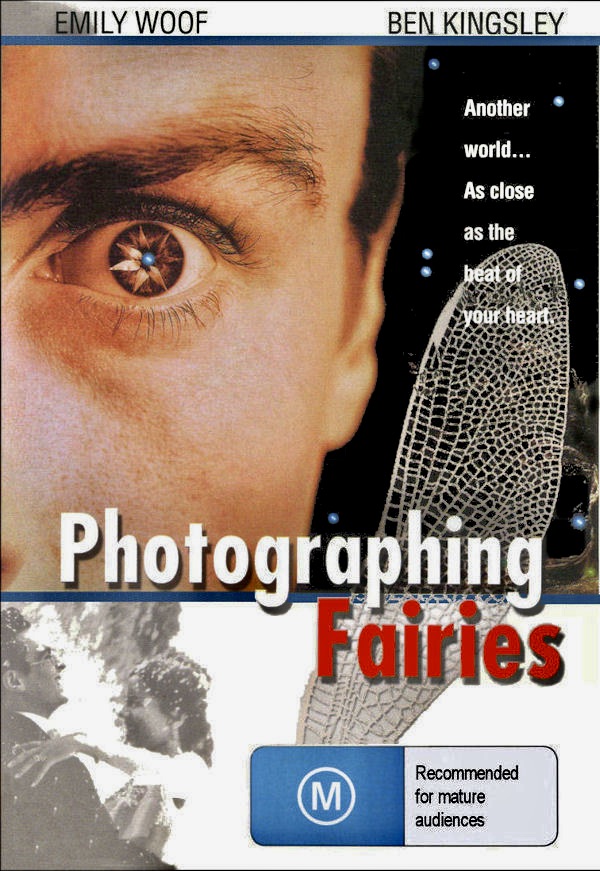
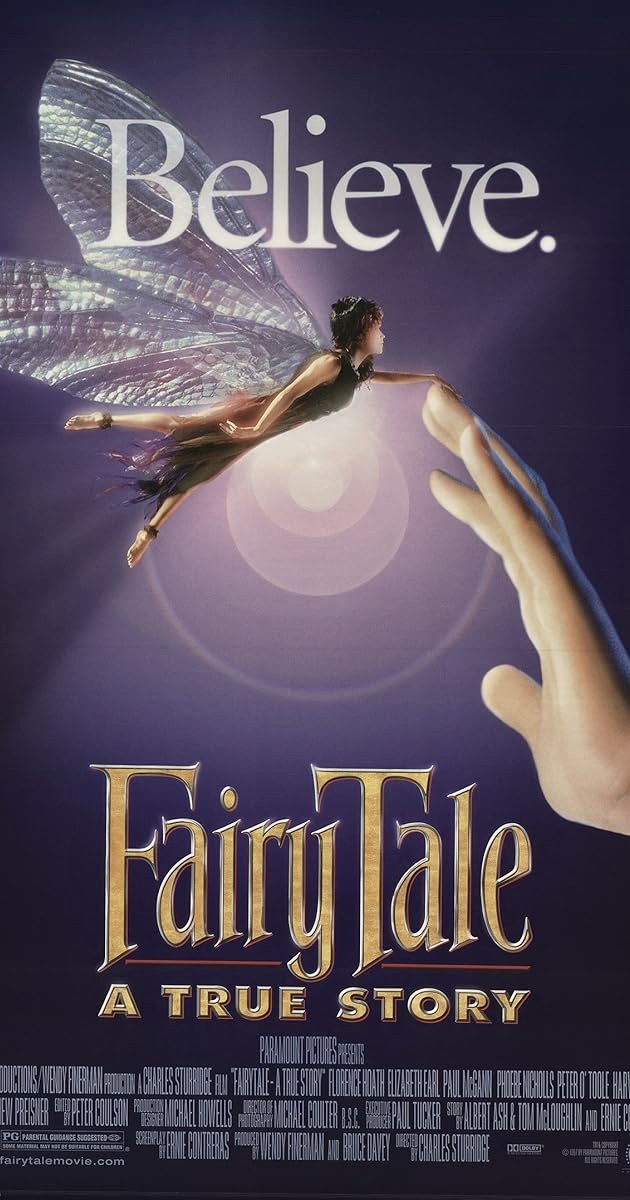
In 1917 sixteen year old Elsie Wright and her nine year old relative Frances Griffith were playing in the Wright family garden in Cottingley, England. Elsie borrowed her father’s camera to take some photos of Frances playing and a few months later she borrowed the camera again with both girls snapping photos. When the photos were developed, both girls but mainly Frances, were seen cavorting with what looked like fairies. Elsie’s father thought the photographs were faked but Elsie’s mother believed they revealed actual sprites and the photos were revealed to the public in 1919, creating an international sensation. The incident attracted the attention and support of the Theosophical Society in Bradford, England and prominent people like author Sir Arthur Conan Doyle, who was involved in the spiritualist movement, found the evidence convincing. The photographs were also denounced by non-believers like Harry Houdini, who famously campaigned against fraudulent psychics and mediums. For years, the Cottingley fairies remained a source of mystery and fascination and, in 1997, strangely enough, two different movies on the subject were produced and released in the U.K., FairyTale: A True Story and Photographing Fairies.

Continue reading

Blackpool is Calling

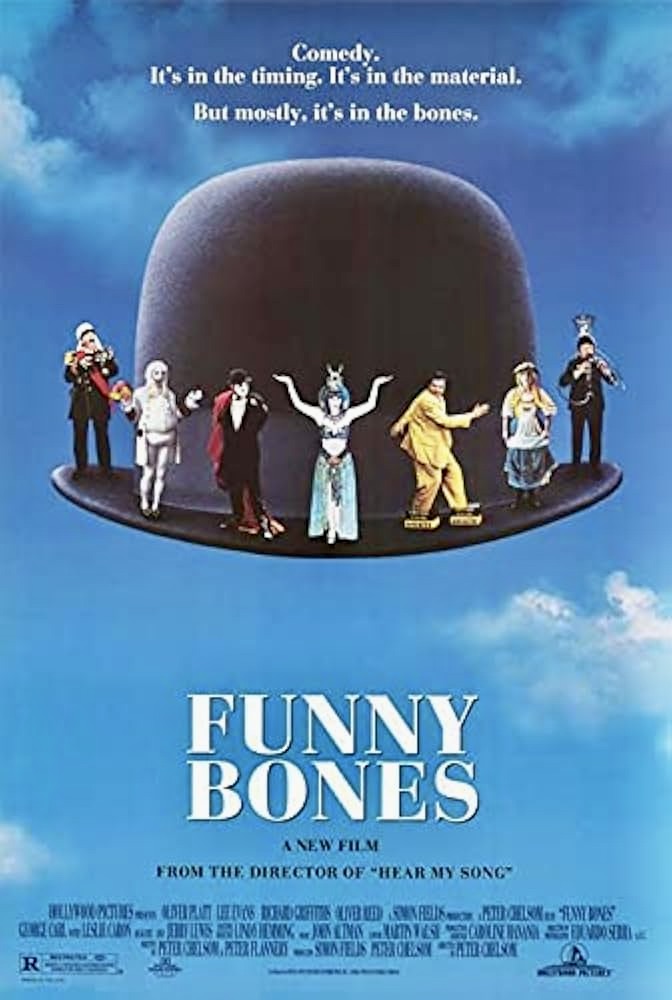
1995 was an exceptionally strong year for film releases, not just in the U.S. but around the world. To give you some idea of the diversity and range, consider the following movies, some of them Oscar winners or nominees: Pulp Fiction, Ed Wood, The Madness of King George, La Haine, The Adventures of Priscilla, Queen of the Desert, Hoop Dreams, Queen Margot, Speed, Eat Drink Man Woman, The Lion King, Three Colors: Red, The Shawshank Redemption, The Lost City of Children, and Forrest Gump. An eclectic list to be sure but one of my favorite movies somehow got lost and overlooked in the mix – Peter Chelsom’s Funny Bones, which is mostly set in Blackpool, England, a popular tourist resort originally built as a vacation destination for working class families during the late 1800s.

Continue reading

A Very British Haunting

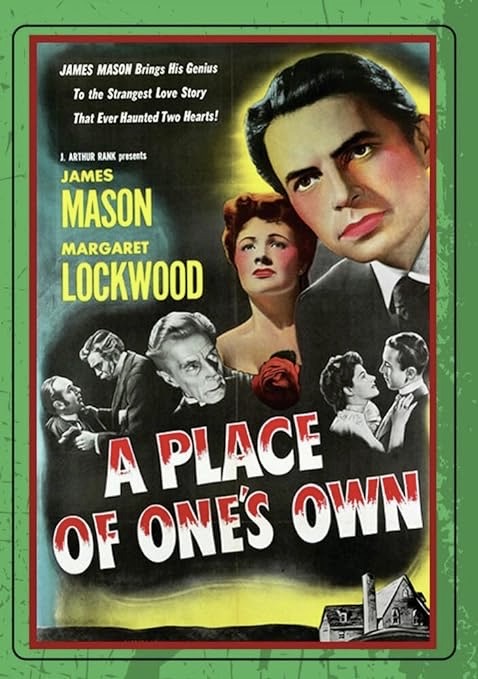
There are not that many British films from the 1930s and 1940s about ghosts and haunted houses and the ones that do stand out are primarily comedies like The Ghost Goes West (1935), The Ghost Train (1941), Blithe Spirit (1945) and Things Happen at Night (1948). Still, there have been a few U.K. features that took a more serious approach to the genre and A Place of One’s Own (1945) is a good example, even though it is largely overlooked and forgotten today.  

Continue reading

A Twist of Dickens

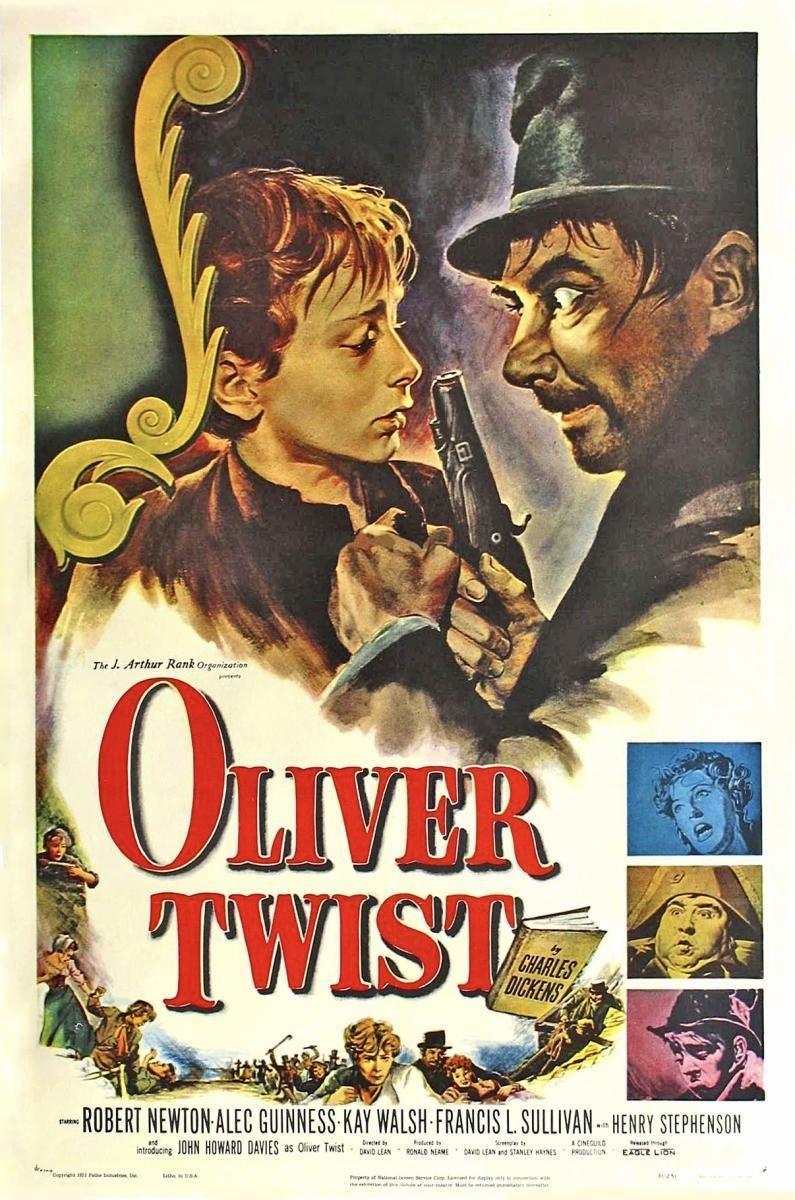
With the release of Brief Encounter in 1945, David Lean became the preeminent British director of his generation. But the critical and popular success of that bittersweet postwar romance (it won the Grand Prize at the Cannes Film Festival and garnered three Oscar nominations) was overshadowed by an even greater achievement, his film adaptation of Charles Dickens’s Great Expectations (1946). The latter secured his reputation on an international scale and received five Oscar nominations, winning statuettes for Best Art Direction and Best Cinematography. What to do for an encore? Instead of moving in a new direction, Lean surprised everyone by agreeing to do another Charles Dickens adaptation – a film version of Oliver Twist (1948).

Continue reading

Swinging Down the Street So Fancy Free

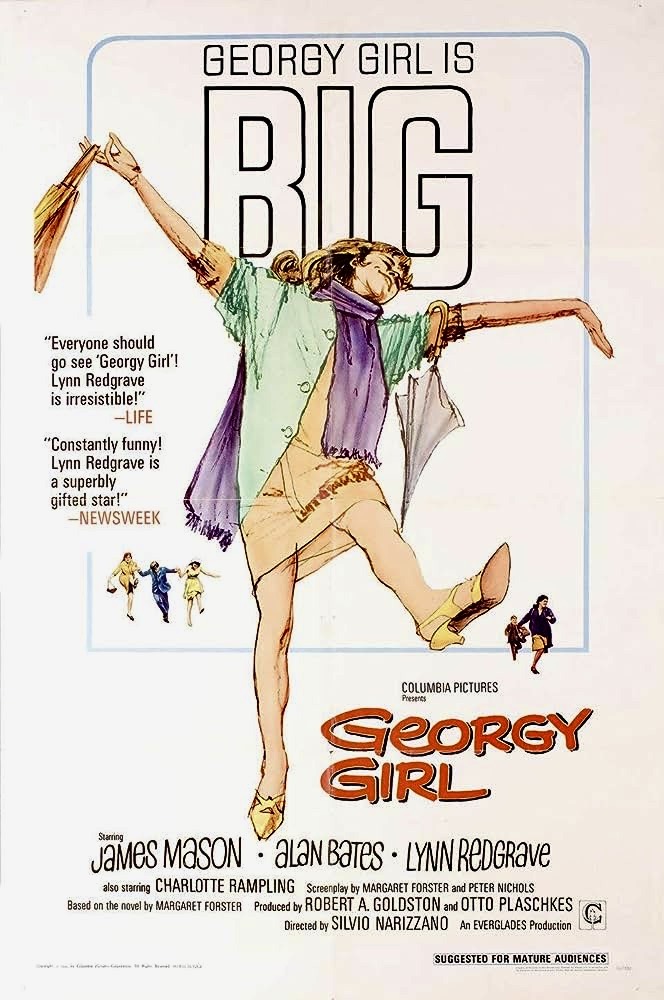
A frumpy woman in her early twenties dreams of being loved but despite her continual attempts to have a romance finds herself observing life from the sidelines, barely noticed by those around her. Reduced to a one sentence description, Georgy Girl (1966) sounds dreary and depressing but on-screen this tale of a desperately lonely woman unfolds as a madcap, often irreverent farce which at times is cruelly indifferent to the sad-sack characters it parades before us. This is a film where tone is everything and Georgy Girl, directed by Silvio Narizzano, is distinctively different in this respect, standing out from countless other cinematic tearjerkers about ugly ducklings and lonely spinsters. The film also captures London at the height of the Swingin’ Sixties when everything seemed like a put-on or a come-on.

Continue reading

The Secret World of Cenci and Leonora

An eerie promotional image from the 1968 film SECRET CEREMONY starring Mia Farrow and Elizabeth Taylor, directed by Joseph Losey.

Pretentious art house bomb, neglected masterpiece or inscrutable personal project for Joseph Losey? Secret Ceremony (1968) had the misfortune to follow Boom! (1968), the director’s notoriously lambasted film adaptation of Tennessee Williams’ The Milk Train Doesn’t Stop Here Anymore starring the world’s most famous celebrity couple at the time, Richard Burton and Elizabeth Taylor. Equally challenging for mainstream audiences, Secret Ceremony was promoted as a kinky psychodrama with lesbian overtones and such tag lines as “It’s time to speak of unspoken things” and “No one admitted the last 12 minutes.” Yet, despite the presence of Elizabeth Taylor, Robert Mitchum and Mia Farrow, who had just appeared in the as-yet-unreleased Rosemary’s Baby the same year, the movie was too strange, decadent and moody to hold the attention of moviegoers and critics expecting a more traditional genre film.

Continue reading

Thorold Dickinson’s Secret People

Though little known in the U.S. today except by movie buffs, Thorold Dickinson is an important figure in the development of the British film industry. A screenwriter, editor, director and producer, Dickinson wore many hats and exerted considerable influence in his various positions over the years as Coordinator of the Army Kinematograph Service’s film unit, Professor of Film at the Slade School of Fine Art and Chief of Film Services at UNESCO (United Nations Educational, Scientific and Cultural Organization). In addition to collaborating with other British filmmakers on their work and co-directing several features, he rose to prominence on the basis of a small but impressive filmography. Among them were the commercial hits, Gaslight (1940), remade in 1944 in Hollywood with Ingrid Bergman and Charles Boyer, and The Queen of Spades (1949), an adaptation of the Alexander Pushkin short story which is considered possibly the best of its many film versions. His skill as a documentarian was equally renowned and The Next of Kin, a military training film he made for the War Office in 1940, was so effective it was given a theatrical release. Men of Two Worlds (1946), a semi-documentary collaboration between the Ministry of Information and the Colonial Office, was co-scripted with novelist Joyce Cary (The Horse’s Mouth, 1958) and focused on the problem and treatment of sleeping sickness in African tribes. Yet, the most ambitious film of Dickinson’s career – and the one that almost ended it was Secret People (1952), which was an examination of the terrorist mindset and years ahead of its time. 

Continue reading