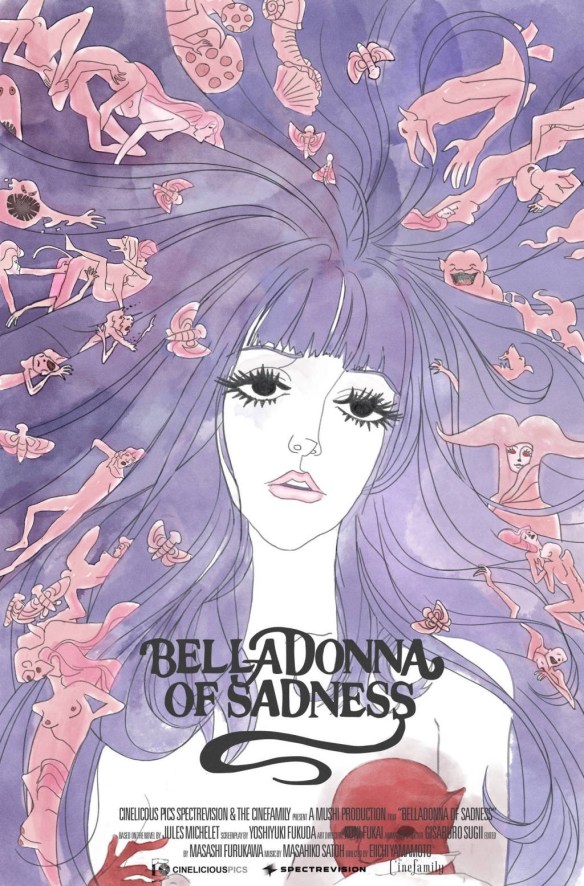
By today’s standards, it doesn’t seem like such a novel movie concept — take a low-budget film, re-dub the soundtrack adding new dialogue, music and sound effects, and create an entirely new experience. You can trace pioneers in this technique back to the syndicated TV series Fractured Flickers hosted by Hans Conried in the early sixties and maybe even before that (Fractured Flickers took silent movies and gave them new soundtracks with voices, sound effects and music). Certainly one of the more famous practitioners of this idea is Woody Allen, who explored the possibilities of redubbing found footage – in his case, a Japanese spy movie – with What’s Up, Tiger Lily? (1966). Continue reading
Author Archives: JStafford
Ned Kelly Rides Again
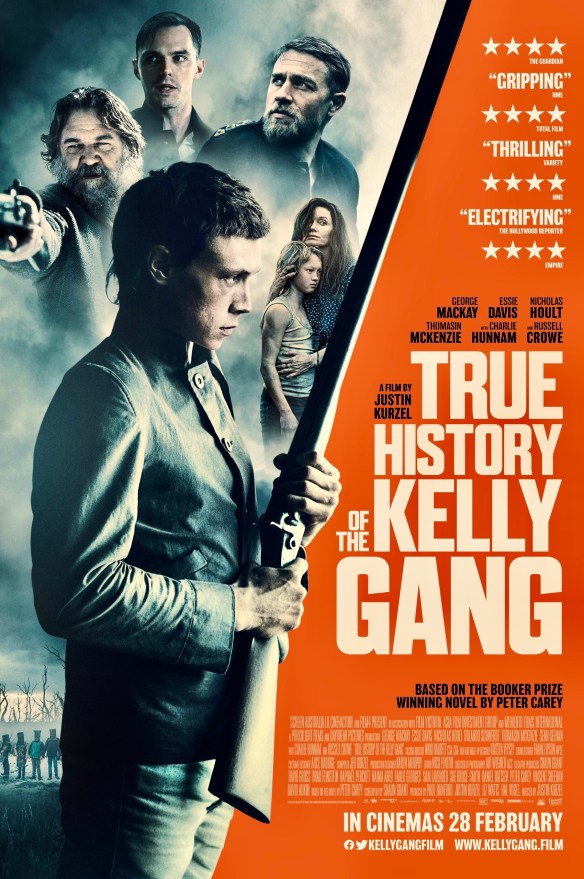
In 2011, Justin Kurzel, an Australian director, first attracted attention for his feature film debut, The Smalltown Murders, which was based on the crimes of serial killer John Bunting in South Australia. For his follow-up film, he went to Scotland and made a savage, stylized interpretation of MacBeth (2015) starring Michael Fassbinder, which was nominated for the Palme d’Oro at the Cannes Film Festival. Then Kurzel graduated to the major leagues for Assassin’s Creed (2016), a big budget fantasy adventure filmed in Malta, Spain and the UK and based on the popular video game series. The critics savaged it, moviegoers were indifferent, and it was considered one of the biggest bombs of 2016. After that, Kurzel returned to his homeland and decided to focus on a folk hero who is still a polarizing figure in his country’s history – Ned Kelly. The subsequent film, True History of the Kelly Gang (2019), is a visually dynamic and emotionally chaotic biopic which might be the most unusual interpretation yet of Australia’s infamous outlaw. Continue reading
The Prince and the Peasant

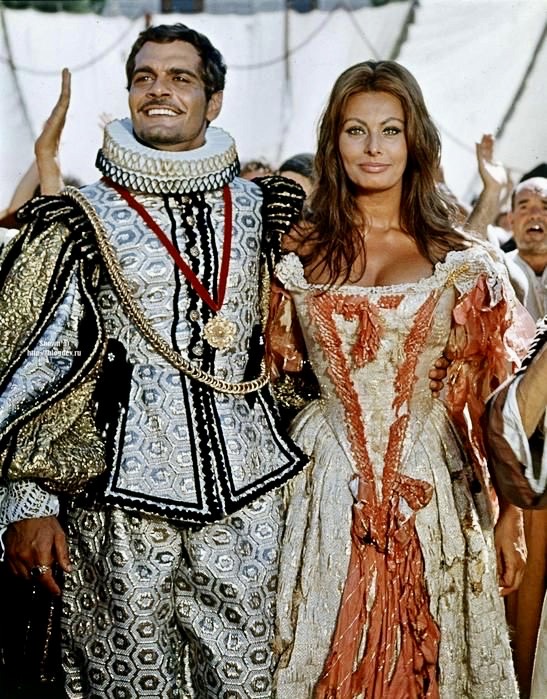
Will there be a happy ending for Prince Rodrigo (Omar Sharif) and Isabella Candeloro (Sophia Loren) in More Than a Miracle (1967), directed by Francesco Rosi.
Imagine, if you can, a rustic Neapolitan fairy tale directed by Francesco Rosi in the docudrama style of his post-neorealism films of the early sixties like The Moment of Truth (1965), shoot it in Technicolor and Techniscope, add a lush musical score by Piero Piccioni and you get More Than a Miracle (1967), a zesty Southern Italian fantasy-romance that was more appropriately titled Cinderella, Italian Style in Europe. Continue reading
Climb Every Mountain

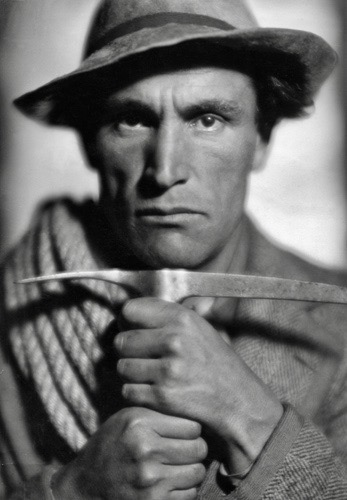
Luis Trenker – Alpinist, film director, architect, actor. photographer: Atelier Binder – property of Ullstein Bild – Atelier Binder/Everett Collection
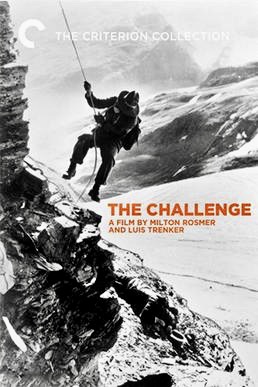
Rarely seen in the U.S. and not one of the better known films about a famous mountain-climbing expedition, The Challenge (1938) is an intriguing bridge between the German mountain films of Arnold Fanck (White Hell of Pitz Palu, 1929) and contemporary man-against-nature survival tales such as Philipp Stozl’s Northface (2008), where two Germans and two Austrians try to scale the Eiger in Switzerland, and Kevin Macdonald’s documentary reenactment Touching the Void (2003), the ill-fated trek by Joe Simpson and Simon Yates up the face of the Siula Grande in the Peruvian Andes. Luis Trenker, one of the stars of The Challenge, was honored in person at the Telluride Film Festival in 1983 at age 90 and Turner Classic Movies aired the film in one of their Telluride programming tributes in 2010. The Challenge was also offered on The Criterion Channel.
Continue reading
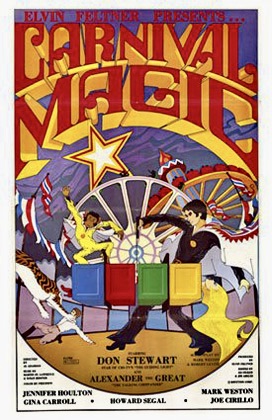
Al Adamson’s Kiddie Flick
He was the man behind such softcore sleazefests as Girls for Rent (1974), The Naughty Stewardesses (1975) and Cinderella 2000 (1977). He was also the schlockmeister responsible for exploitation classics such as Satan’s Sadists (1969), Five Bloody Graves (1970) and the seriously deranged Dracula vs. Frankenstein (1971). He would be the last person you’d expect to make a child-friendly movie but that’s exactly what he attempted with Carnival Magic, which was completed in 1981 but not released until 1983. The film is almost tame enough for a six year old kid but also a terrifically weird and strange experience for older audiences who have seen any of Adamson’s previous work. He’s marching to the beat of a different drummer here and that drummer just happens to be a talking chimpaneze named Alexander the Great. Continue reading
All of Them Witches

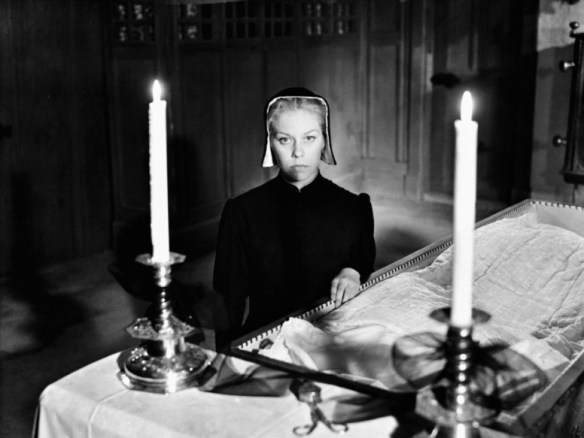
Lisbeth Movin stars as Anne Pedersdotter, a young widow accused of witchcraft in Carl Theodor Dreyer’s Day of Wrath (1943).
When social order breaks down, rational thought or common sense do not always follow. The result could be the kind of mass paranoia and hysteria that created the persecution of people as witches in Europe during the 13th to 15th century as well as in America (the Salem Witchcraft Trials of 1692). That shameful chapter in history has been the subject of numerous books and literary works such as Arthur Miller’s 1953 play The Crucible. As for the cinema, most movie critics seem to agree that the finest film to ever address this kind of aberrant phenomenon is Carl Theodore Dreyer’s Vredens dag (1943, English title: Day of Wrath). Continue reading
Rachel Carson vs. Irwin Allen
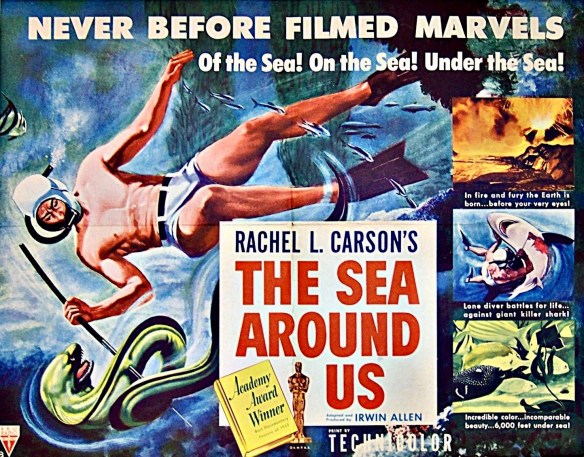
You wouldn’t think there would be a connection between these two people but they were linked forever in 1953 over the film adaptation of Rachel L. Carson’s award-winning book, The Sea Around Us. Carson was a respected marine biologist and an unusually eloquent nature writer whose first book, Under the Sea Wind, received critical acclaim in 1941. Irwin Allen, on the other hand, was relatively unknown at the time. A journalism graduate of Columbia University, he was trying to break into the film industry and wasn’t yet famous as the producer of such sci-fi TV series as Lost in Space and disaster genre films like The Poseidon Adventure (1972) and The Towering Inferno (1974). Continue reading
Akira Kurosawa’s Record of a Living Being

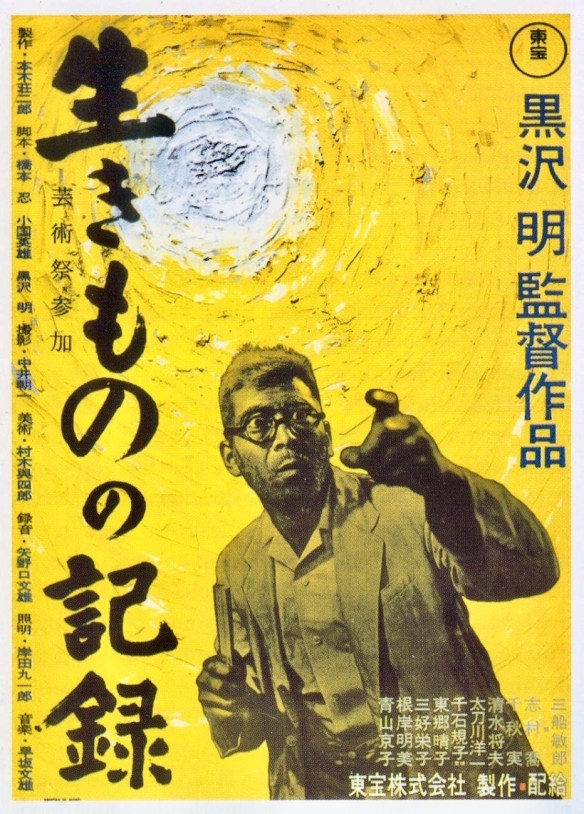
The Japanese film poster for I Live in Fear (1955), directed by Akira Kurosawa and starring Toshiro Mifune.
One of the first Japanese commercial features to directly address the fear of nuclear holocaust and the implications of the atom bomb, Record of a Living Being, which is better known as I Live in Fear (1955, aka Ikimono no Kiroku) was an unusual and unexpected movie for director Akira Kurosawa. He had recently completed Seven Samurai (1954), a huge box office and critical success in both Japan and around the world, but his new work was much smaller in scale compared to that sprawling period epic. Continue reading
Movie Streaming in the Year of the Pandemic
For most Americans, life, work and daily interactions with the outside world have been interrupted indefinitely and self-isolation at home is the new normal. How we fill those hours are a personal decision but even in the worst of times people need escapism. If you are an avid movie lover, you have a lot of options.
Hundreds of movies are available for free streaming from a variety of legal websites as long as you have access to a computer and a good Wi-fi connection. Below are a handful of options in no specified order for the more discriminating cinephile. These offer everything from classic Hollywood films to cult and indie fare to foreign language selections. Continue reading
Downsizing
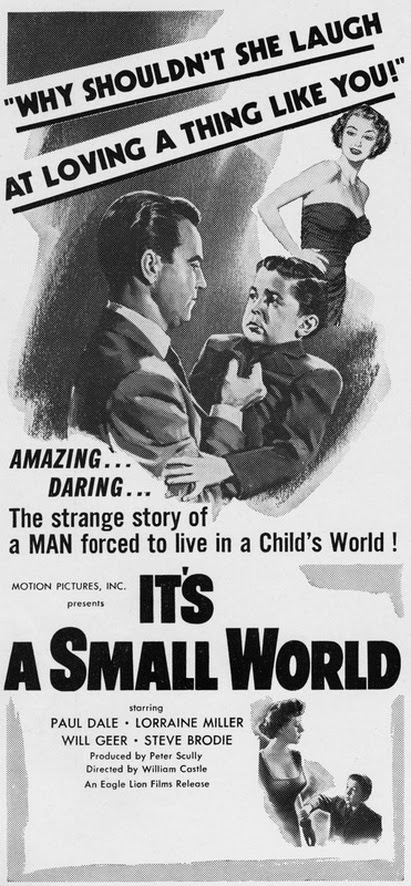
Somewhere between William Castle’s rebirth in the late fifties as the genius movie marketeer of such gimmicks as Emergo (House on Haunted Hill), Percepto (The Tingler), Illusion-o (13 Ghosts) or death by fright insurance policies (Macabre) and his prolific stint as a B-unit director at Columbia Pictures and later at Universal-International is the missing link that connects the two. Although it probably qualifies as Castle’s most exploitive film in the true sense of the word, It’s a Small World (1950) is also the director’s most forgotten film. Continue reading