
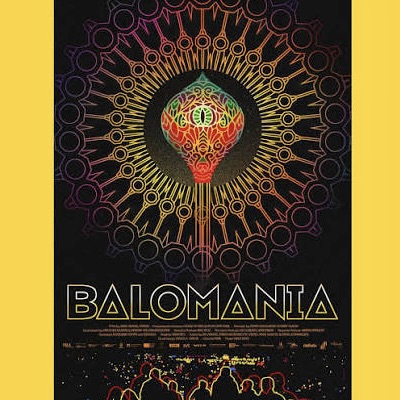
Think about the sky and how it could serve as a canvas for an artist. This is something that becomes obvious if you have ever witnessed a hot air balloon festival where vibrant colors, designs and shapes become a moving art installation far above your head. It is not only visually dazzling but a pop culture phenomenon that has become increasingly popular in the U.S. since 1972 when the Albuquerque International Balloon Fiesta was officially established. Since then, many other annual events like this have become major attractions such as the Red Rock Balloon Rally in Gallup, New Mexico and the Great Reno Balloon Race in Nevada. None of these, however, are quite as fantastical or as wildly original as the secretive balloon events which are staged in Brazil, especially among the “baloeiros” (balloonists) who operate out of the favellas (working class neighborhoods) of Rio de Janeiro and Sao Paulo. Balomania, a 2024 feature length documentary from Danish artist Sissel Morell Dargis, explores this renegade culture in a highly personal manner.
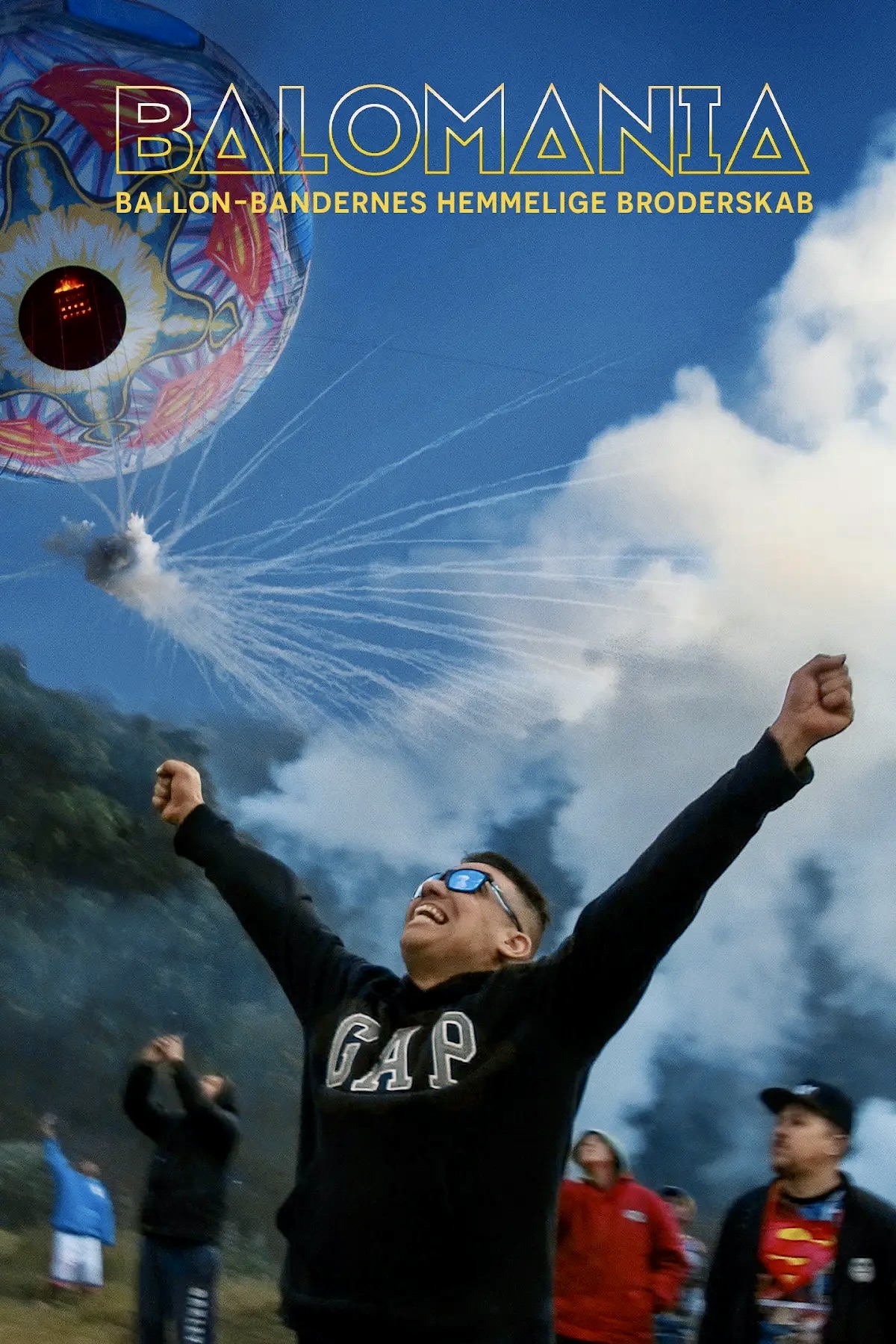
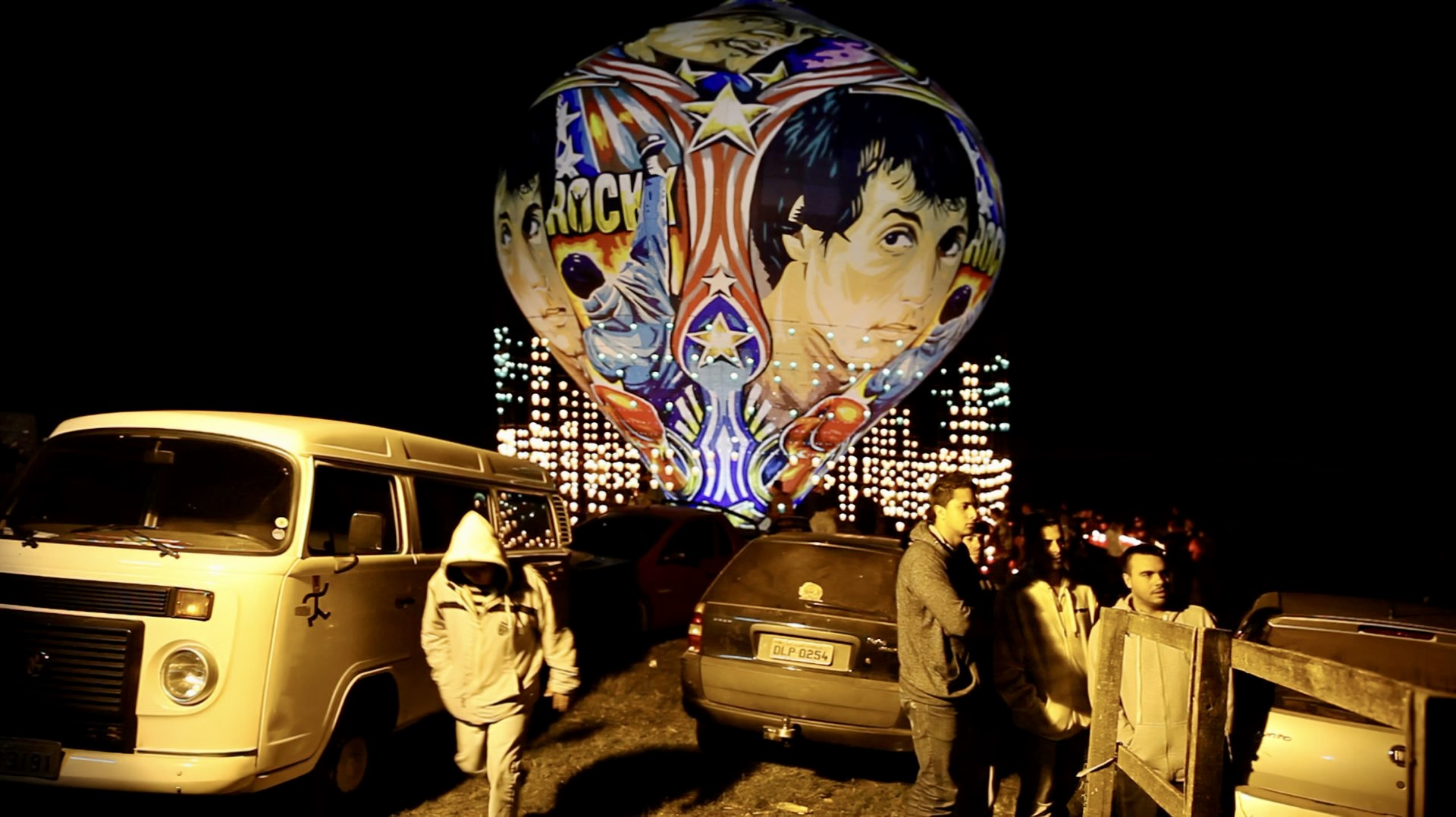
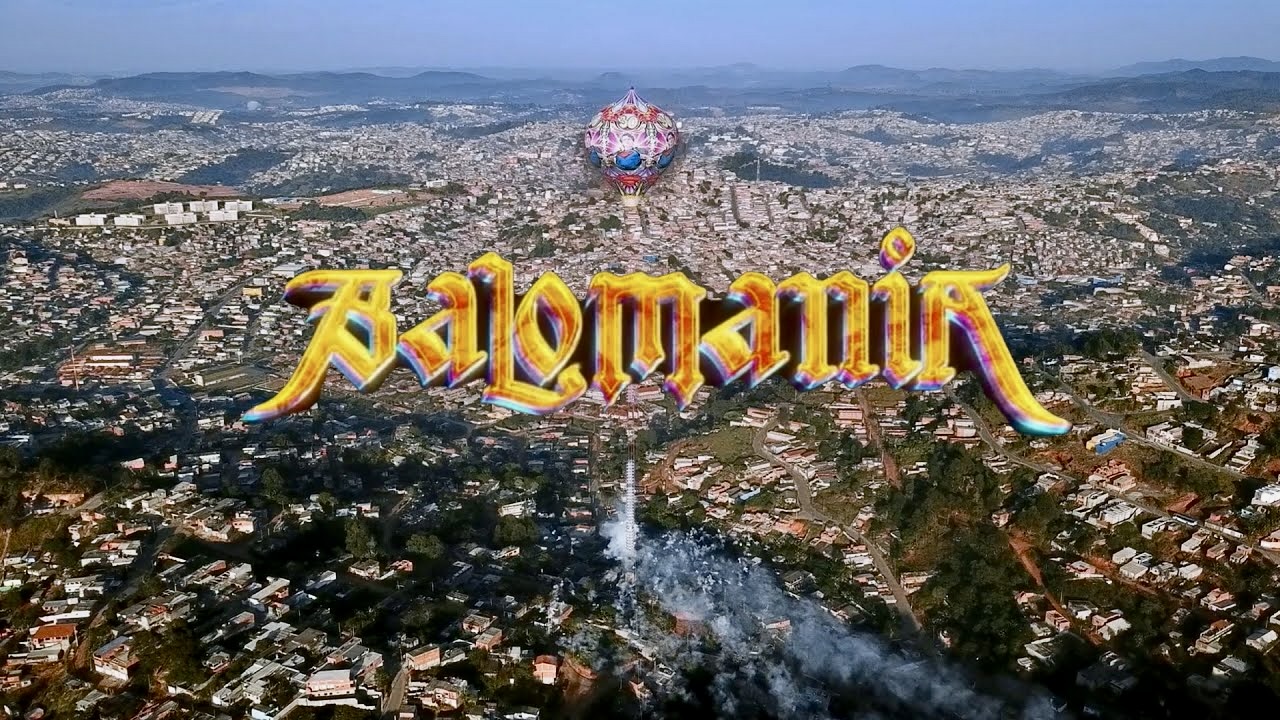
Dargis, who moved to Brazil at age 19 because of her love for graffiti art, established herself as an artist in that category under the alias of Simba. She quickly became enthralled with the baloeiros and their creations and even created a popular video game Cai Cai Balão that takes place in the world of balloon culture. Dargis also decided a documentary was needed to capture this ephemeral art form for posterity. Unlike the hot air balloon events in the U.S., the balloon culture within the favellas of Rio and Sao Paulo is unregulated and notorious for its anything goes aesthetic. For one thing, the balloons can be any shape or size with many of them becoming gigantic creations that are more than 200 feet in height. They can also serve as graphic homages to iconic figures like Sylvester Stallone’s Rocky or singer Luciano Pavarotti (because the Brazilian people love opera) or resemble psychedelic rock posters of the 60s and other crazy quilt concoctions. Plus, the balloons are unusually spectacular at night where their flight can be accompanied by hundreds of attached lanterns or as much as three tons of fireworks. The sight of these fantastical creations is especially inspiring for observers in the favellas who view the balloons as free roaming symbols of freedom and escape. “As long as the balloon was flying, it belonged to everyone, even the police,” Dargis states in the film’s narration.
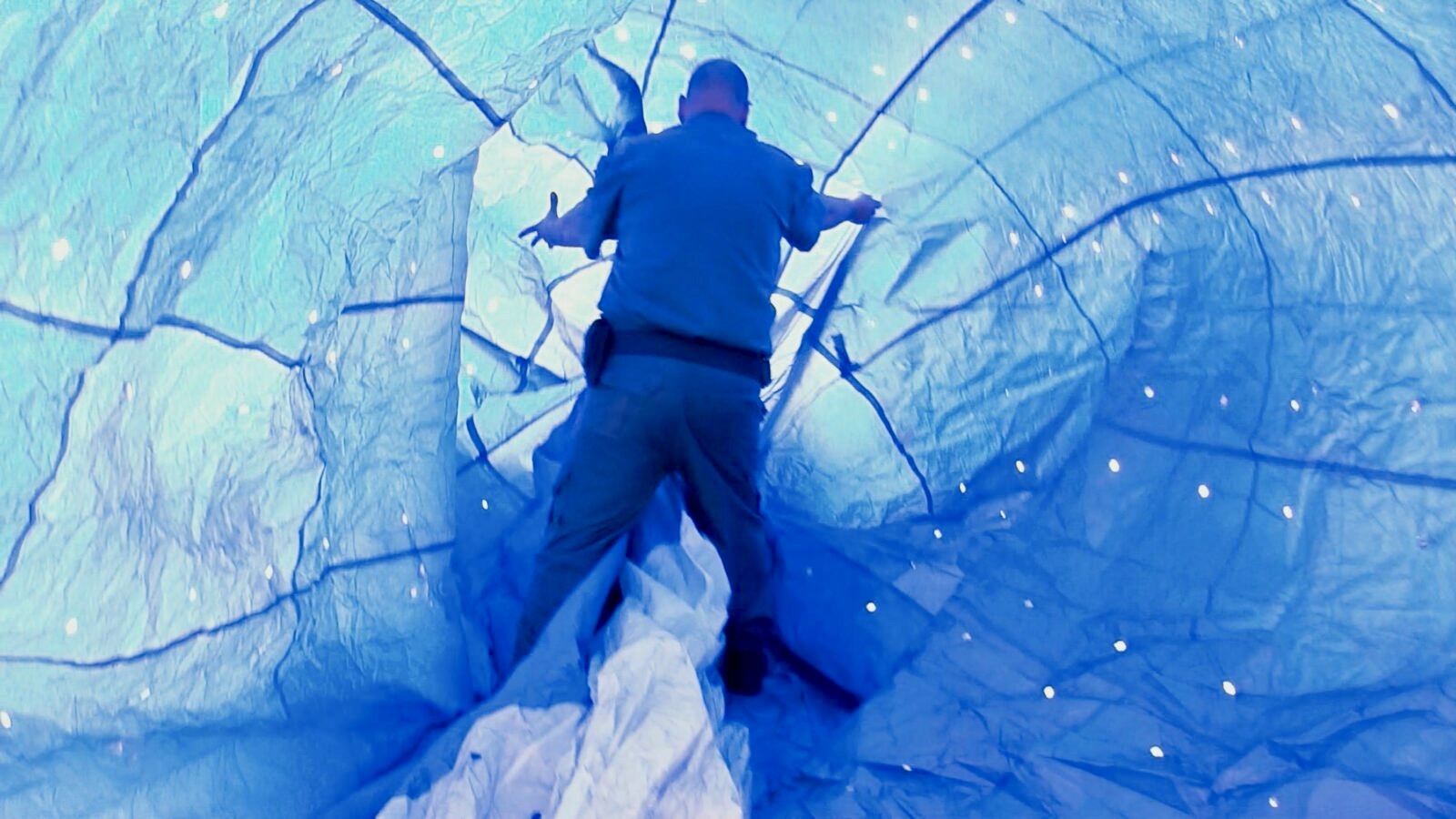
The key word in that last sentence is police because hot air balloons are illegal in Brazil and have been since 1998 when the government prohibited them as dangerous to civilians and the environment. Baloeiros who break the law can be arrested and imprisoned for up to three or more years so it became necessary for the instigators of this movement to go underground and create their masterworks in secret, often assembling their balloons piecemeal at different locations before a final assemblage. Still, it is easy to understand how a balloon loaded with fireworks or burning lanterns could crash and ignite a forest fire or interfere with the flight path of airplanes and helicopters.
Dargis’s desire to make a documentary about the Baloeiros was impacted by these government restrictions but also because the balloon societies of Brazil are closed to outsiders and exclusively male. It took Dargis a long time to slowly win the trust of the baloeiros. They had to be convinced that she wasn’t an informer for the police and that her film was not an investigative report but an appreciation of their craft.

Armed with just a camcorder and no crew (which explains the film’s lo-fi look), Dargis eventually became accepted among the Baloeiros and her document is less of a primer on Brazil’s balloon culture than an intimate portrait of her interaction with the Baloeiros over a ten-year period. Among some of the memorable characters she meets in the favellas are Playboy, a colorful figure in the City of God (Cidade de Deus) neighborhood of Rio, Jaba, a fervent balloonatic with a young son, Zulu, who runs one of the most respected balloon crews in his region, Dominio, a notable tattoo artist, and Sergio, who is considered the godfather of the aerial happenings in his conclave.
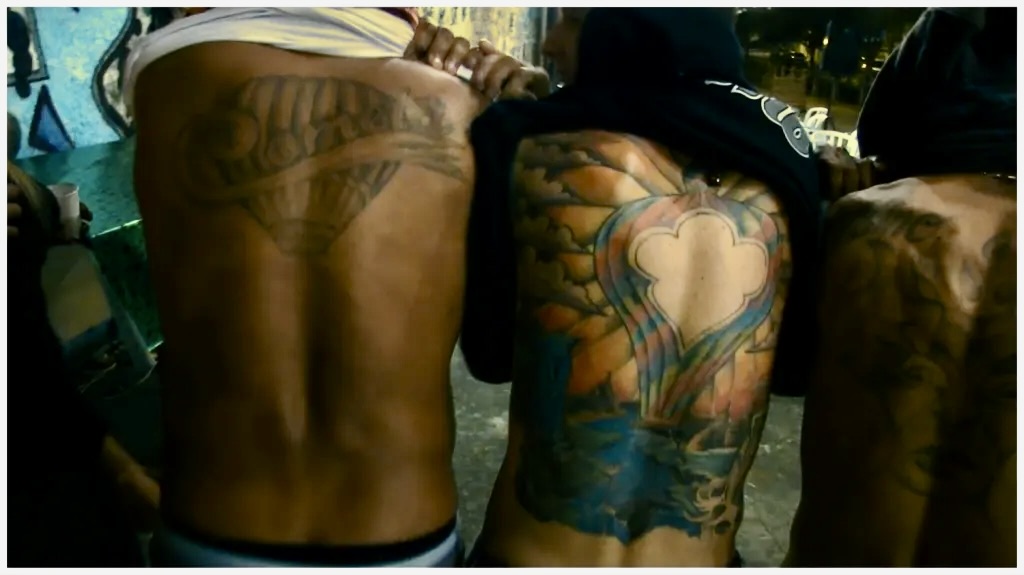
Unfortunately, Dargis was forced to interrupt her project during the COVID-19 pandemic and missed out on filming Jaba’s balloon launch which was three years in the making and originally planned as the centerpiece of Balomania. Because of this change of plans, her documentary has a much rougher, improvised quality that veers off into unexpected territory at times such as interviewing the wife of a baloeiro who complains about her husband’s constant absence due to his obsession or capturing a balloon that bursts into flames during launch and rains down in a cascade of smoldering embers. Yet it is the unconventional nature of Balomania that makes it a fascinating glimpse into a subculture rarely seen by outsiders.
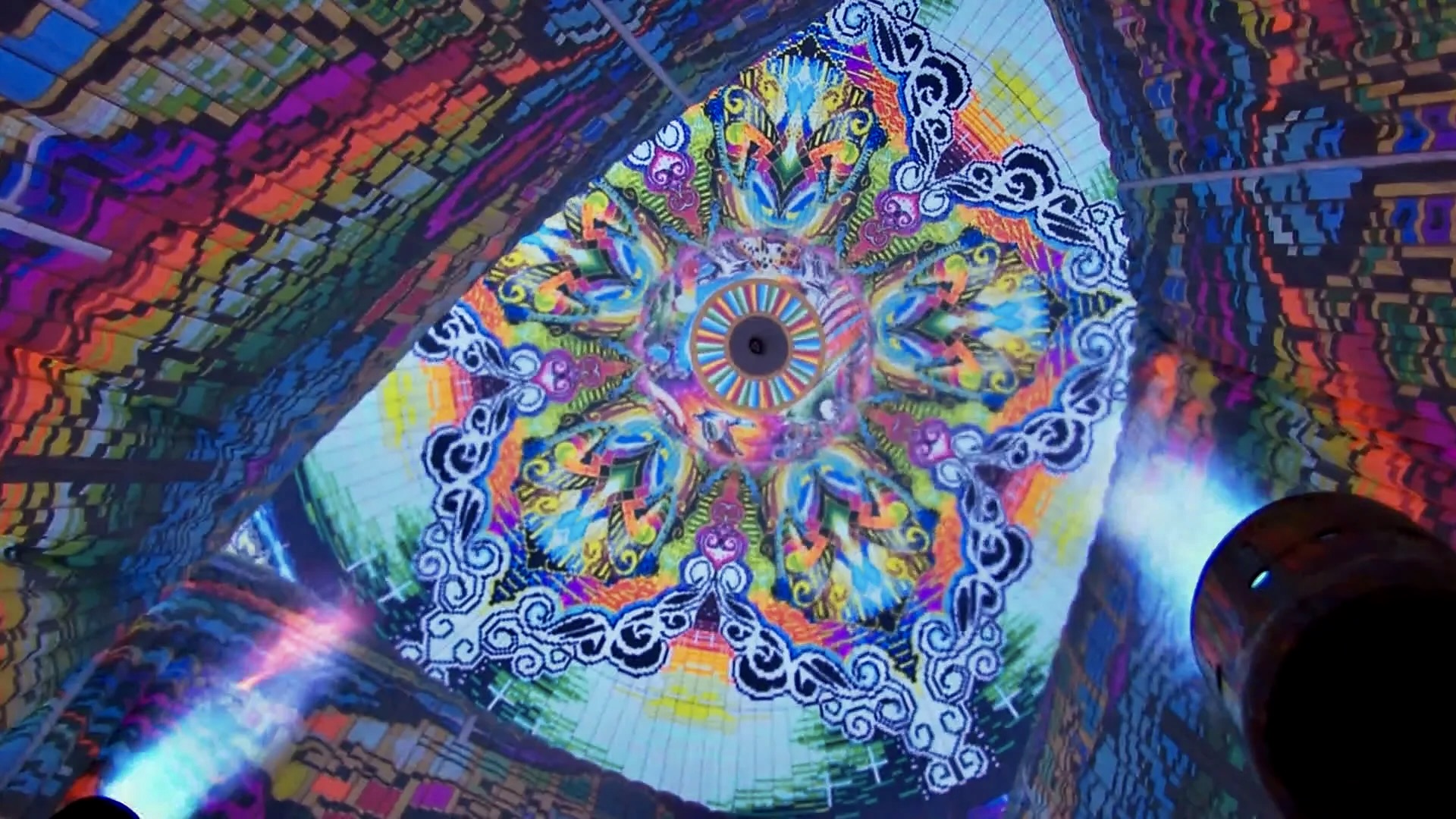
The viewer learns that some of the launched balloons are often retrieved and repaired (if there was damage) and relaunched again and again. There are also certain distinctions between the groups that comprise the balloon community such as the artists and engineers who create them and those that track the flight of the balloon over many hours and long distances. “A lot of young people will chase them, whether they are baloeiros or not, and I find this fascinating because it’s like an instinct,” Dargis revealed in an interview with Graham Douglas for LatinoLife.co-uk. “However, random adults will not get involved in a chase if they are not baloeiros. I think most adults will be scared if they only know the side the media shows. The police are also chasing the balloons because they know that the baloeiros will be there when the balloon lands. But even they are not as good as the baloeiros at chasing and understanding where the balloon will land. It needs a lot of technique, because you are following a tiny dot in the sky, and it depends on the wind direction in the area. Now they have super-developed weather apps to find out how fast it’s going and calculate where it’s going to land. You need to be trained to go on a proper chase that sometimes lasts for days.”
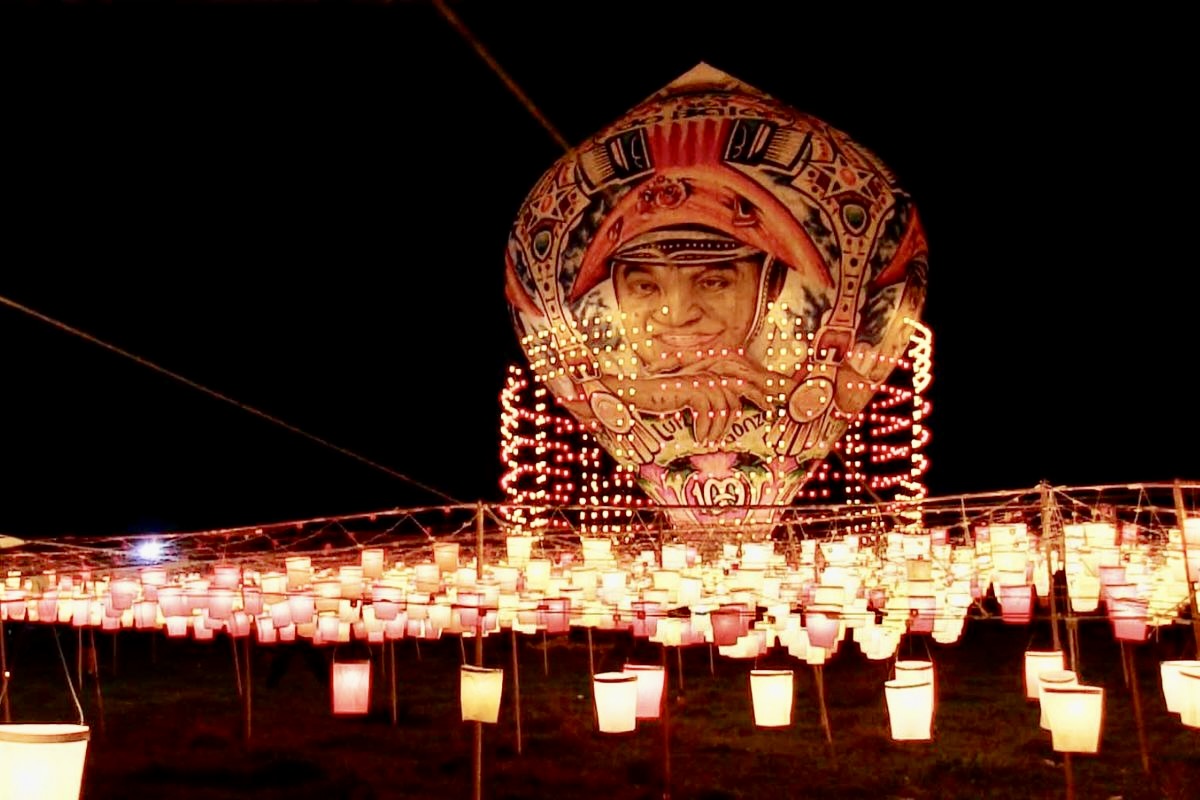
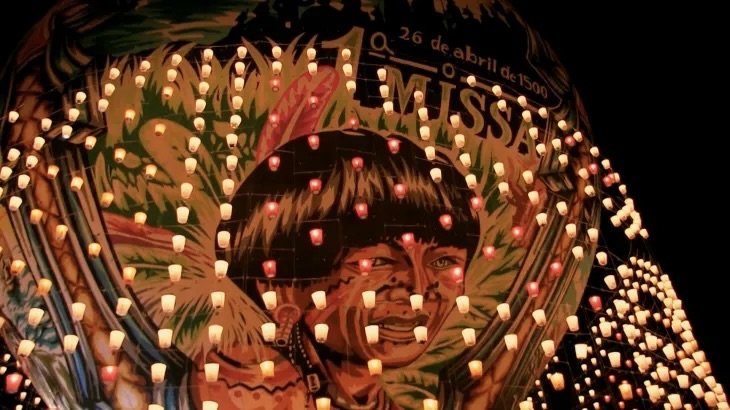
Balloon culture has been in existence for centuries with such countries as China and Mexico citing historical examples from their past but for Brazil, the fascination with balloons goes back to the 1800s when the wind-blown creations were part of numerous Catholic festivities and celebrations. Eventually the working class neighborhoods of Brazil embraced the tradition and Balomania concludes with a wondrous series of giant balloon launchings that demonstrate their importance to the community. “When you do something collective like a balloon, you are always together,” noted Dargis in an article on documentaryweekly.com. “Creating something together produces a much bigger value than what you’re actually making. What you’re making almost becomes unimportant, but in a way the balloon becomes a manifestation of your collaboration.”
Balomania was well received at numerous film festivals around the world where it garnered nominations for the Best Documentary entry and film reviewers have been quite positive with Frederik Bojer Bove of ICS (International Cinephile Society) writing, “By necessity, most of the film looks rushed and conventional, but stay with it and you’ll find moments of extraordinary beauty, and a few ideas of borderline genius… There is of course nothing ordinary about Dargis’ achievement as a feat of sociology. It has taken years of careful work to achieve this level of access to a closed-off community, and it is clear that those years haven’t been spent on working with the camera. Those few genius moments add another layer to the film, as they show the men and the cityscape around them sort of melting together. That is the thesis of the film: how these young men at the bottom of society want to reclaim not the streets but the skies, and not with protests but with banners and fireworks. They put their mark on Brazil, just as Brazil with all its problems puts marks on them.”
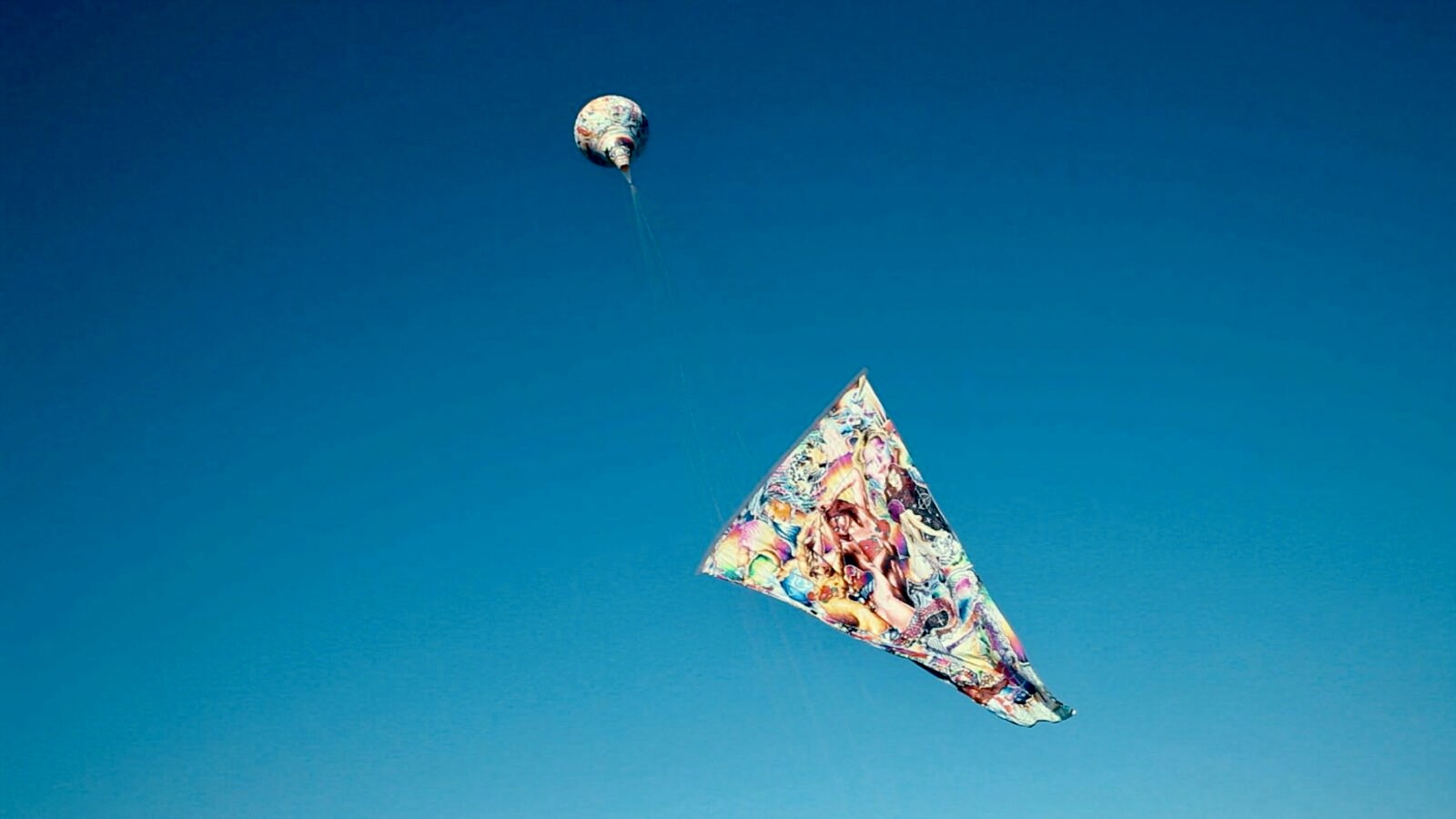
For those interested in seeing Balomania, you can stream it on Kanopy and Apple TV and it will probably be made available on DVD/Blu-ray in the near future.
Other links of interest:
https://documentaryweekly.com/home/doc-weekly-balomania-interview-sissell-morell-dargis
https://pro.festivalscope.com/director/sissel-morell-dargis
https://www.latinolife.co.uk/articles/brazils-big-beautiful-and-still-illegal-balloon-making-culture
https://theappendix.net/issues/2014/10/an-art-of-air-and-fire-brazils-renegade-balloonists

