Rave On!

SIRAT (2025), from Spanish director Oliver Laxe, opens with an illegal rave in the desert of Morocco before it transitions into a mysterious and shocking road trip.

We see the hands of roadies placing gigantic audio speakers on top of and beside each other on the arid plains of the Sahara Desert in Morocco. When they are finished, their work is revealed as a literal wall of sound, designed to super-amplify the techno beats of an incognito rave. As the propulsive rhythm floods the desolate location framed by towering red canyon walls, ravers let themselves go in an uninhibited dance frenzy, most of them lost in drug induced or spiritual ecstasy. Yet, among this throbbing mass of humanity, two people have not come to dance. Luis (Sergi Lopez) and his young son Esteban (Bruno Nunez Arjona) have come to distribute flyers for Esteban’s missing sister, who is a fan of raves and could possibly be here. So begins Oliver Laxe’s Sirat (2025), a cinematic journey that is both corporeal and metaphysical as a search for a missing person evolves into a life or death encounter with the unknown.

Continue reading

The Game of Adultery

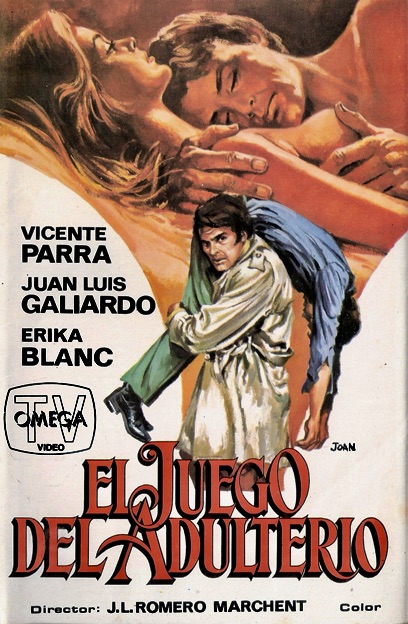
The Spanish film poster for THE GAME OF ADULTERY (1973).

Giallo thrillers and spaghetti westerns are generally considered genres created by the Italian film industry but producers and filmmakers in other European countries also created their own versions in these categories, especially in Spain. Director/Screenwriter Joaquin Luis Romero Marchent, a native of Madrid, is best known for his Spanish take on wild west oaters but he did make a film that could be classified as a giallo. El Juego del Adulterio (English title: The Game of Adultery aka The Deadly Triangle, 1973) is blessed with a title that sounds like an erotic melodrama or maybe a softcore soap opera for the grindhouse crowd. It definitely has elements of that but is actually a psychological thriller crossed with a murder mystery.

Continue reading

There’s No Place Like Home

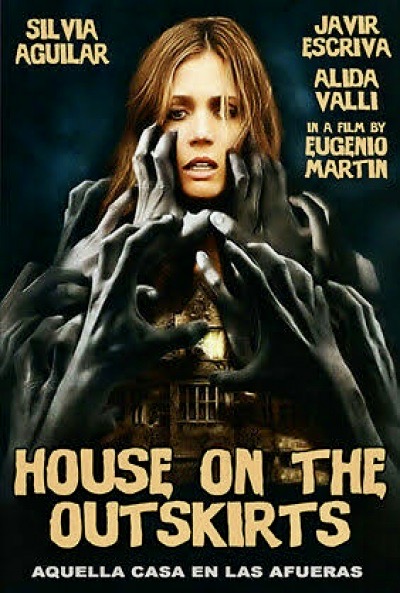
Spanish director Eugenio Martin is not a name familiar to the average American moviegoer but for fans of European genre films, he has developed a cult following over the years, thanks to the release on DVD and Blu-ray of some of his better known titles. Among these are the fast-paced, enormously entertaining sci-fi/horror/train disaster hybrid Horror Express (1970) with Christopher Lee, Peter Cushing and Telly Savalas, the giallo The Fourth Victim (1971) starring Carroll Baker, and A Candle for the Devil aka It Happened at Nightmare Inn (1973) in which two religious fanatic sisters are behind a series of murders. Martin also helmed several entrees in the Spaghetti Western genre such as The Ugly Ones (1966), Requiem for a Gringo (1968) and Bad Man’s River (1971) featuring Lee Van Cleef, James Mason and Gina Lollobrigida but some of his efforts defy easy categorization like Aquella Casa en las Afueras (English title: The House on the Outskirts, 1980), which is like a woman-in-peril melodrama crossed with an “old dark house” thriller. Throw in some unspoken but implied social commentary on women’s birthrights and you have a rather unique film from post-Franco Spain.

Continue reading

The Stiletto Club

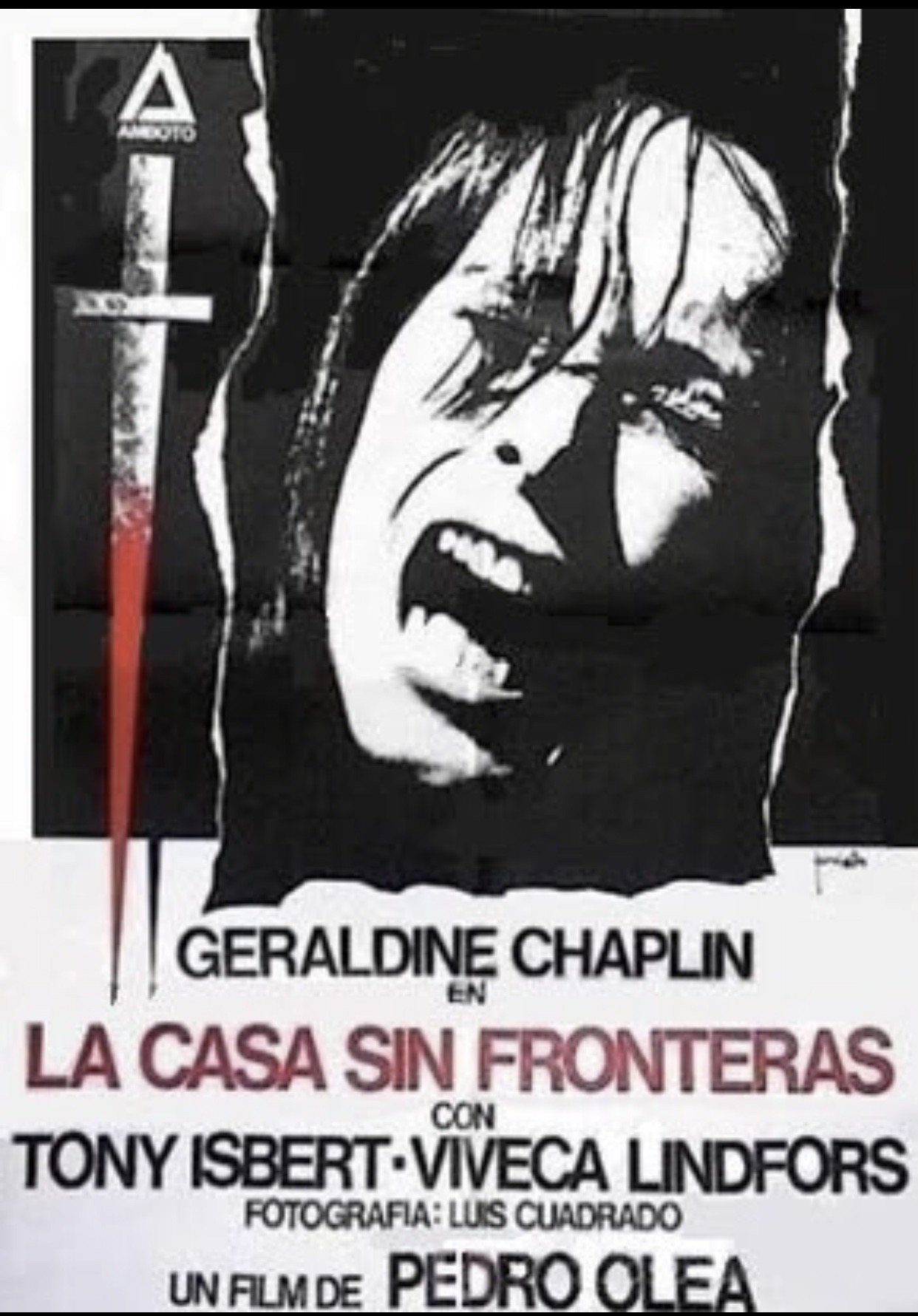
Conspiracy thrillers have been a popular subgenre in movies ever since the silent era with such memorable entries as The Ace of Hearts (1921) in which Lon Chaney stars as a member of a secret society that gets rid of people deemed unfit to live among them. Alfred Hitchcock’s The 39 Steps (1935) is an equally menacing early talkie classic and The Manchurian Candidate (1962), about a brainwashed ex-military hero being controlled by political subversives, is probably the best-known representative of all. However, it wasn’t until the 1970s that conspiracy thrillers reached an all-time high in popularity as witnessed by such iconic Hollywood releases as The Parallax View (1974), The Conversation (1974), Three Days of the Condor (1975), Capricorn One (1977) and The Boys from Brazil (1978). Other countries contributed their own variations on the genre like Spain, which released La Casa sin Fronteras (English title: The House Without Frontiers), a deeply unsettling effort from director Pedro Olea, which was made while General Franco was still in power and which prefigures the paranoid scenarios made popular by The Parallax View and others.

Continue reading

Phantom Playmates

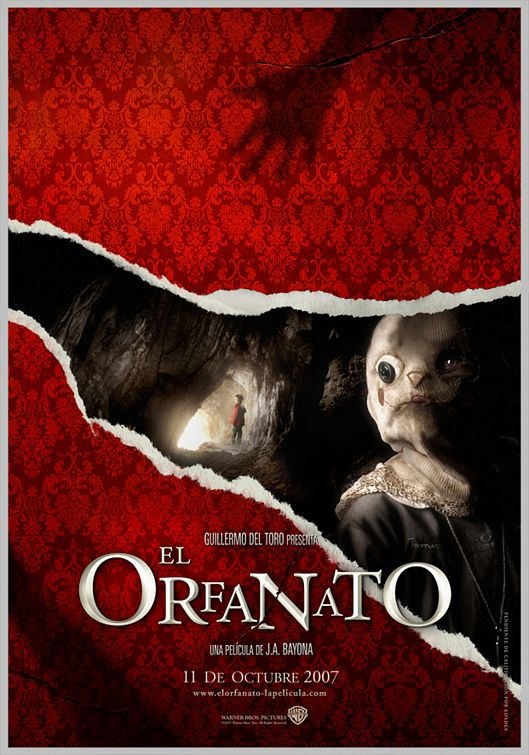
The Spanish film poster for THE ORPHANAGE (2007).

After opening in Spain in the Fall of 2007, Juan Antonio Bayona’s elegant ghost story El Orfanato (English title: The Orphanage) went on to generate enthusiastic word of mouth responses from its many festival showings at Cannes, Toronto, Sitges, Austin and New York while picking up various honors such as Best New Director and Best Original Screenplay at the Goya Awards (Spain’s equivalent of the Academy Awards) and a nominee for the Golden Camera award at Cannes. I was lucky enough to see the movie during a visit to Girona, Spain where it was playing at a multiplex just a few blocks away from the wonderful Museu del Cinema which houses the Tomas Mallol collection (an amazing repository devoted to the beginnings and earlier origins of the medium known as the cinema). 

Continue reading

Burning Love

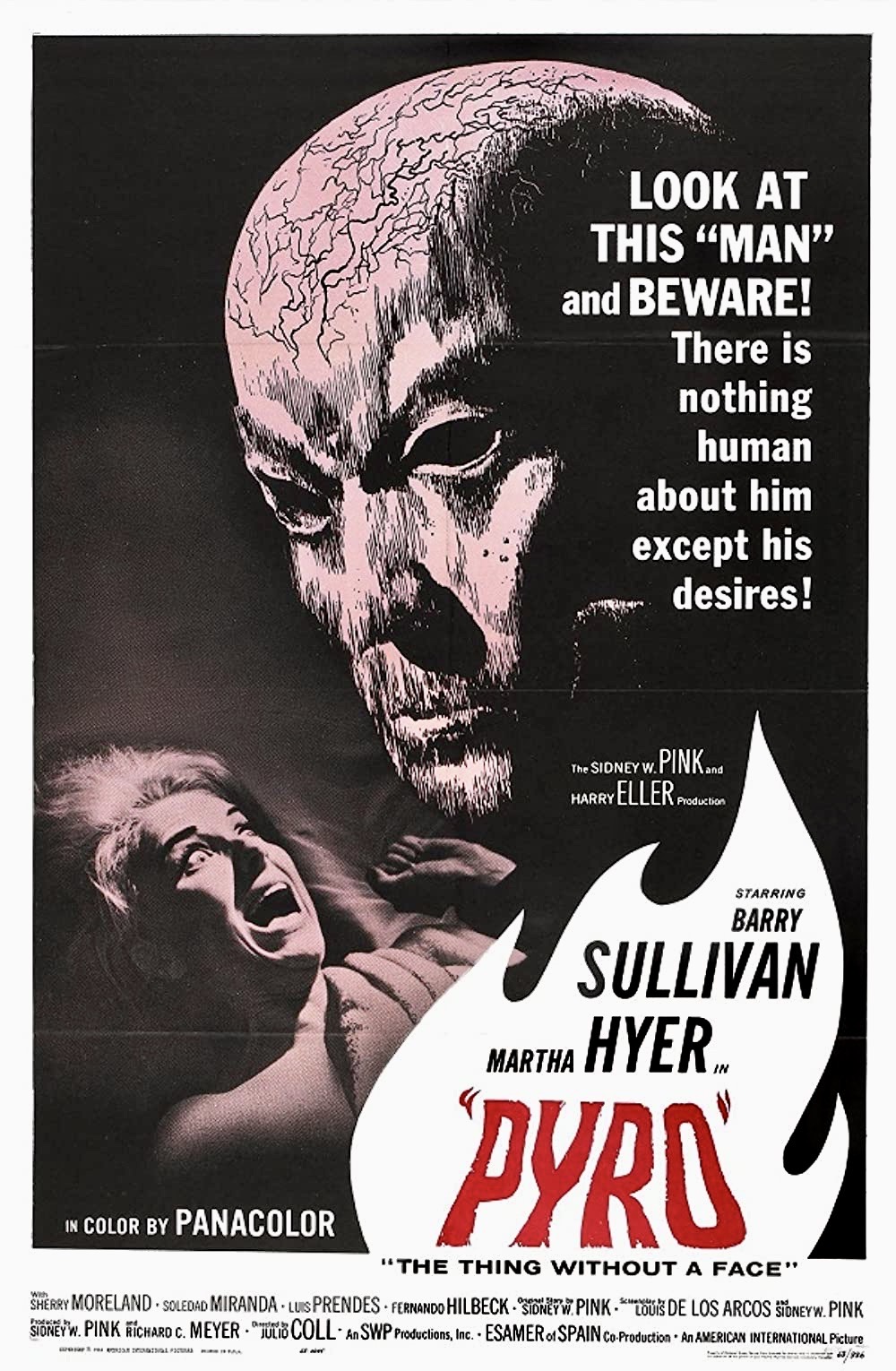
The early 1960s was a turbulent time for the film industry and the Hollywood studio system was becoming a relic of the past as television and other competitors in the entertainment field lured audiences away. Some movie actors could see the writing on the wall and began to pursue film offers outside Hollywood and the U.S. Some of the more famous former studio contract players who escaped and reinvented themselves in Europe were Clint Eastwood, Charles Bronson, Lee Van Cleef, Jean Seberg and Jane Fonda. Even seasoned veterans like Edward G. Robinson, Lee J. Cobb and Bette Davis appeared in movies made overseas but one of the more unusual examples of American actors appearing in an international production is Barry Sullivan and Martha Hyer in Pyro…The Thing Without a Face (1964, aka Fuego in the European market), directed by Julio Coll and filmed in Spain. 

Continue reading

The Runaway Nuclear Physicist

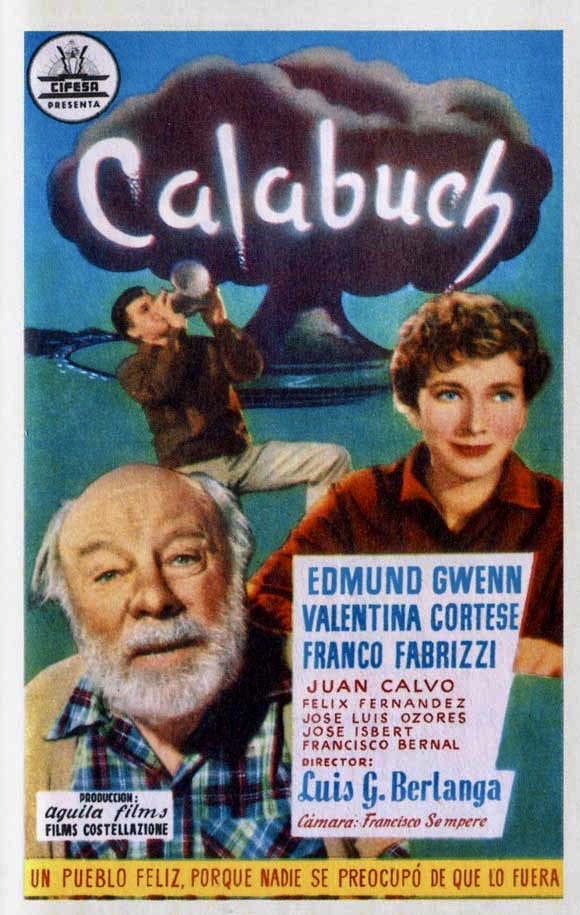
Often considered alongside Luis Bunuel as one of the most important and influential Spanish film directors of the 20th century, Luis Garcia Berlanga (1921-2010) and his work is still being discovered in the U.S. Bienvenido, Mister Marshall! (Welcome, Mr. Marshall, 1953), Berlanga’s post-WW2 satire of the European Recovery Plan aka the Marshall Plan, was the first of his films to receive wide distribution at art houses in America and went on to win the International Prize for Best Comedy Film at Cannes. Placido (1961), a black farce in which a homeless man is invited to a Christmas Eve dinner sponsored by a cookware corporation, was nominated for a Best Foreign Language Film Oscar. And El Verdugo (The Executioner, 1963) might be his most famous triumph with Nino Manfredi as an undertaker who is pressured into taking over his father-in-law’s profession as an executioner. The Criterion Collection released a special edition of it on Blu-ray and DVD in 2016, which helped introduce Berlanga’s satiric masterwork to new audiences. Less well known today but praised by critics during its original release in 1956 is Calabuch aka The Rocket from Calabuch, a seemingly gentle but subversive satire about life in a rustic seaside village which is disrupted by the arrival of an amiable but mysterious stranger.

Continue reading

No Exit

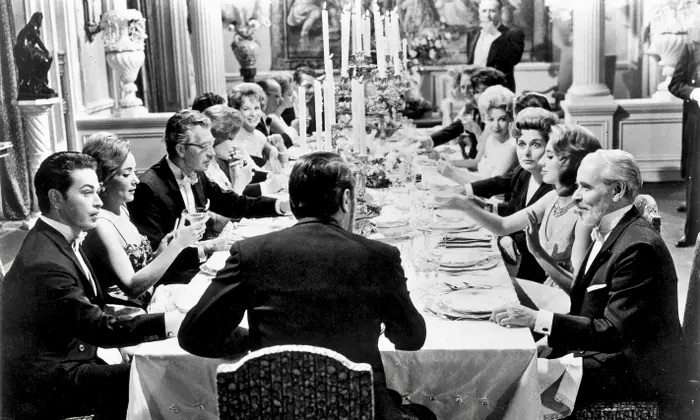
The dinner guests in Luis Bunuel’s THE EXTERMINATING ANGEL (1962) are in for an unpleasant surprise in this strange mixture of surrealism and black comedy.

Almost everyone has attended a dinner party at some point in their lives that was mandatory as well as a memorably bad experience. Maybe it was a communal meal with the boss and co-workers or a formal affair with an annoying in-law or relative. Just be glad you were able to leave the event when it became convenient. The assembled guests in Luis Bunuel’s surreal satire, The Exterminating Angel (1962), don’t have that option but the reasons for their entrapment are never clear.

Continue reading

Mickey Rooney Hires a Wet Nurse

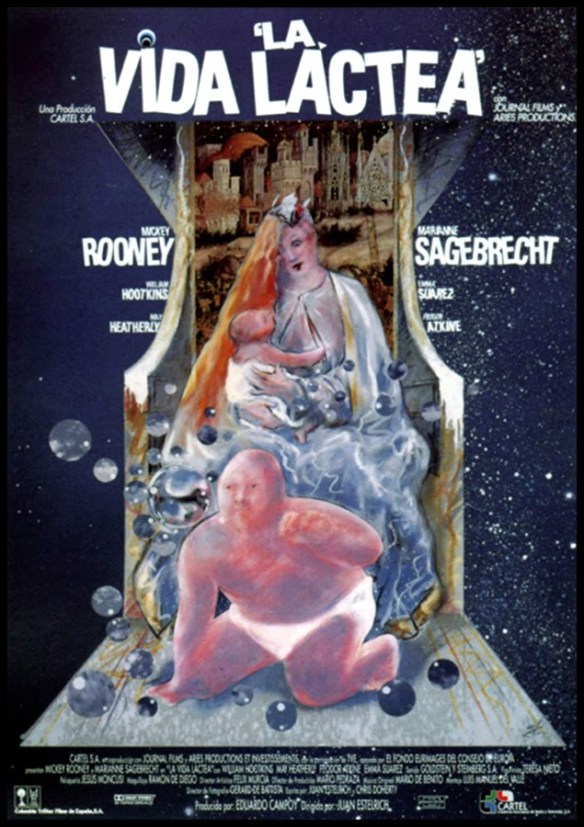
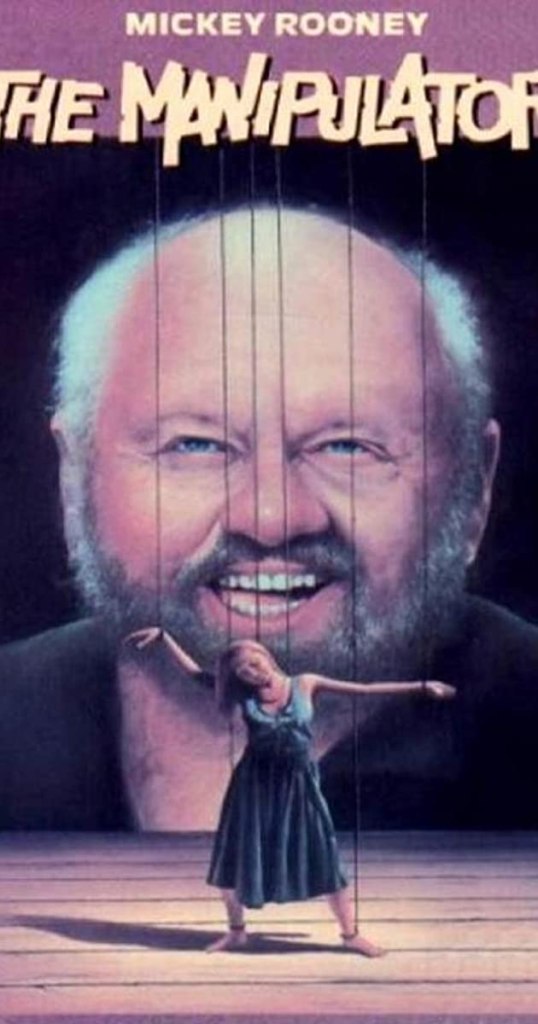
In the many peaks and valleys of his long career the Mickster never shied away from taking on difficult or questionable roles in his relentless desire to perform and entertain. While this adventuresome spirit might alienate part of his fan base that prefers to remember him as Andy Hardy or Judy Garland’s musical partner, it has won him an entirely new set of admirers. I’m talking about those who have seen and been amazed by his participation amid those lost post-MGM years in such eclectic fare as The Private Lives of Adam and Eve (1960), Platinum High School (1960), Everything’s Ducky (1961 with Buddy Hackett and a talking duck), Roger Corman’s The Secret Invasion (1964), How to Stuff a Wild Bikini (1965), the Mafia-Hippie-LSD comedy Skidoo (1968), and 1971’s The Manipulator (aka B.J. Lang Presents), where he plays a psychotic former director living in an abandoned warehouse with a female captive.

Rooney’s energy, range and versatility are truly awe-inspiring from his desperate loser of Quicksand (1950) to his subtle, moving portrayal in Requiem for a Heavyweight (1962) to his unexpected cameo in Babe: Pig in the City (1998). But I’m willing to bet that La Vida Lactea (aka The Milky Life), made in Spain in 1992, is probably the weirdest thing he’s ever done and very few people have seen it.  Continue reading

Freaking Out in Franco Era Spain

Not all film preservationists are focused on saving and restoring lost classics of silent and early cinema like Abel Gance’s Napoleon (1927) or overlooked noir indies from Hollywood’s golden era such as Richard Fleischer’s Trapped (1949). Mondo Macabro, which has been around since 2003 or so, is dedicated to introducing movie lovers to fringe cinema from around the world – obscure genre films that run the gamut from horror to sexploitation to art house oddities from countries as far flung as Japan, Latvia and South Africa. Among some of their offbeat releases are Lady Terminator (1989), a cheesy Indonesian rip-off of James Cameron’s The Terminator, The Living Corpse (1967), a vampire thriller from Pakistan, and Strip Tease (1963), a melancholy French drama starring Nico (of The Velvet Underground) with music by Serge Gainsbourg and Alain Goraguer. The company’s most recent release on Blu-Ray, The Killer of Dolls (El asesino de manecas, 1975), is easily one of their most peculiar and transgressive acquisitions to date.  Continue reading