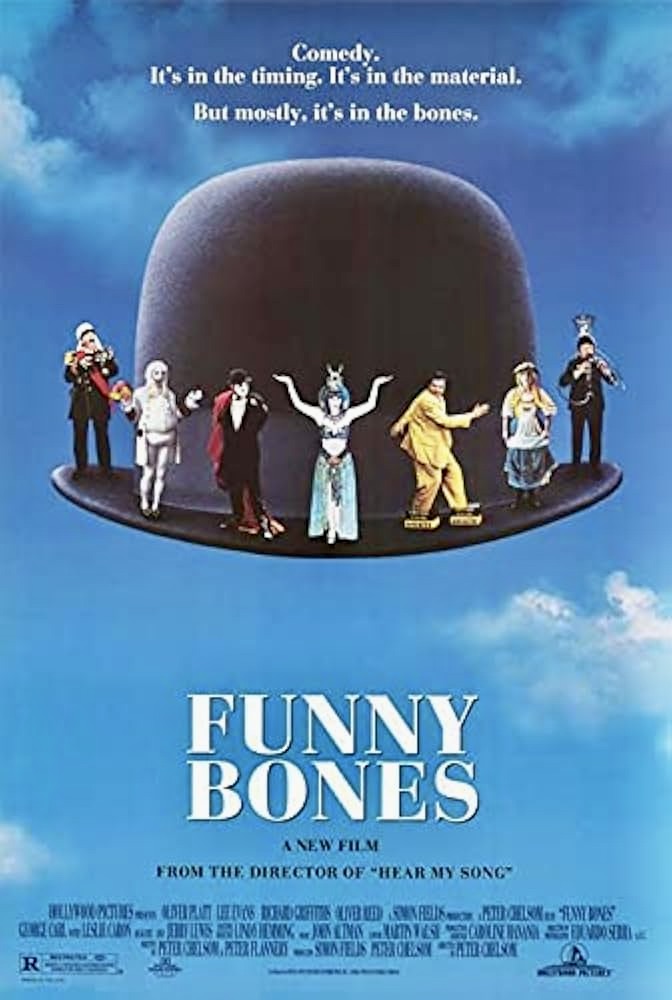
1995 was an exceptionally strong year for film releases, not just in the U.S. but around the world. To give you some idea of the diversity and range, consider the following movies, some of them Oscar winners or nominees: Pulp Fiction, Ed Wood, The Madness of King George, La Haine, The Adventures of Priscilla, Queen of the Desert, Hoop Dreams, Queen Margot, Speed, Eat Drink Man Woman, The Lion King, Three Colors: Red, The Shawshank Redemption, The Lost City of Children, and Forrest Gump. An eclectic list to be sure but one of my favorite movies somehow got lost and overlooked in the mix – Peter Chelsom’s Funny Bones, which is mostly set in Blackpool, England, a popular tourist resort originally built as a vacation destination for working class families during the late 1800s.
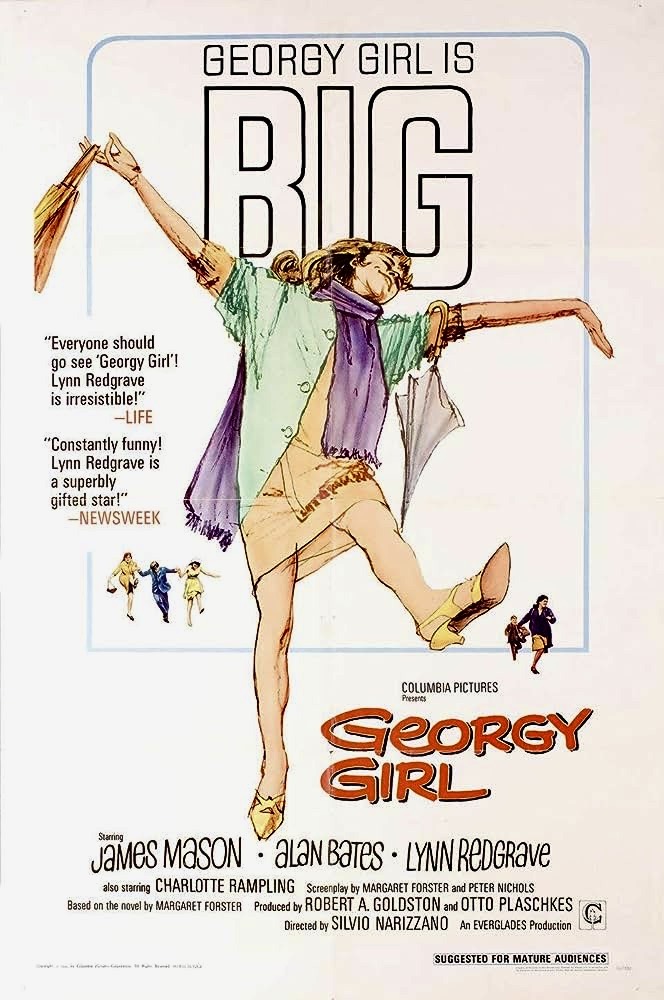
A frumpy woman in her early twenties dreams of being loved but despite her continual attempts to have a romance finds herself observing life from the sidelines, barely noticed by those around her. Reduced to a one sentence description, Georgy Girl (1966) sounds dreary and depressing but on-screen this tale of a desperately lonely woman unfolds as a madcap, often irreverent farce which at times is cruelly indifferent to the sad-sack characters it parades before us. This is a film where tone is everything and Georgy Girl, directed by Silvio Narizzano, is distinctively different in this respect, standing out from countless other cinematic tearjerkers about ugly ducklings and lonely spinsters. The film also captures London at the height of the Swingin’ Sixties when everything seemed like a put-on or a come-on.
Tired of reading about new DVD/Blu-ray releases that are being released in other parts of the world but are not viewable here because they are produced in a different broadcast format? (The U.S. standard is NTSC; PAL is common in Europe and the U.K. and SECAM is prevalent in China and the USSR). If so, why not consider the purchase of an all-region Blu-Ray player. They are relatively inexpensive and will allow you to finally purchase and view films you’ve always wanted to see or dreamed about revisiting. To give you some idea of what you’re missing, especially if you are an anglophile, I point to BFI Flipside, a classy underdog in the world of DVD/Blu-Ray distribution, who launched this label in 2009 with the following explanation on all of their box art: “The Flipside: rescuing weird and wonderful British films from obscurity and presenting them in new high-quality editions.”
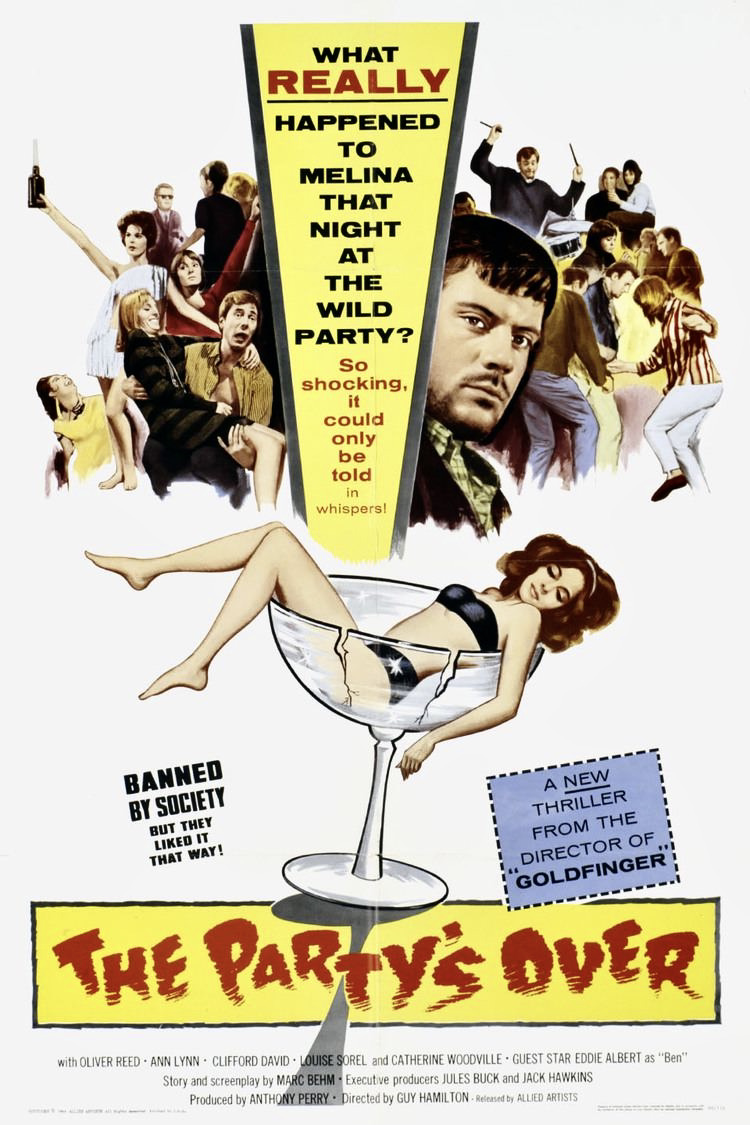
Earlier releases have included Bill Forsyth’s debut feature That Sinking Feeling (1979), a comedy about a quartet of working class lads with a dubious black market scheme, Gerry O’Mara’s The Pleasure Girls (1965) a Swinging London soap opera starring Francesca Annis, Suzanna Leigh, Ian McShane and Klaus Kinski, and Don Levy’s Herostratus (1967), an avant-garde curio with a surprising cameo by a young, undressed Helen Mirren, who has never been one to complain about nude scenes. One of my favorite releases from BFI Flipside is The Party’s Over (1965), a stylish and edgy study of some bohemian Londoners during the mod sixties with a scene-stealing performance by Oliver Reed and enough disturbing elements to make the censors froth at the mouth. In fact, their negative reactions, prevented the film, which was filmed in 1962, from receiving a theatrical release until 1965. During the interim, the film was subjected to numerous rounds of cuts and revisions before finally being slapped with a ‘X’ certificate – a rating that spelled box-office poison for exhibitors.
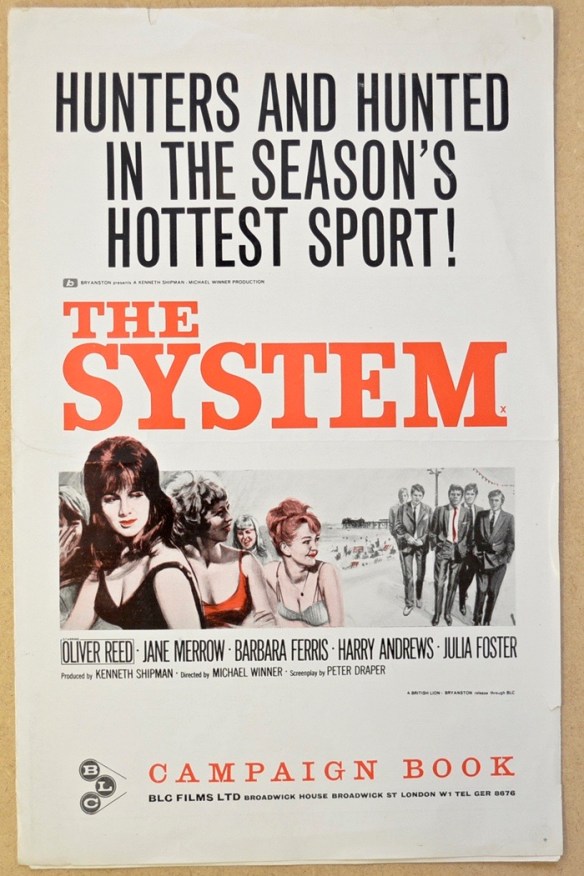
Released in the U.K. as The System and the U.S. as The Girl-Getters in 1964, this unheralded little gem of a film is not only a vivid snapshot of the swinging sixties but a surprisingly frank and intelligent treatment of sexual gamesmanship and barely disguised class warfare promoted as a typical youth exploitation picture in the style of a “Beach Party” movie by distributor American International Pictures. Continue reading →
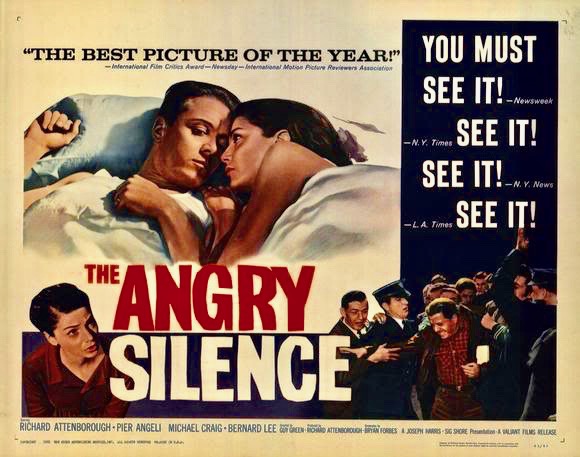
When cinema buffs talk about their favorite movies from that brief period known as the “angry young man” phase of the British New Wave movement, one title is usually overlooked – The Angry Silence (1960) – and that might be due to the film’s more overt focus on labor unions, working conditions and corruption. Directed by Guy Green, The Angry Silence (1960) shares many similarities with others of its ilk with its harshly realistic depiction of a specific working class milieu, all of it captured in a gritty, documentary-like approach that was partially shot on location (Ipswich, Suffolk) using local nonprofessionals and real actors. Continue reading →


 Cinema Sojourns