
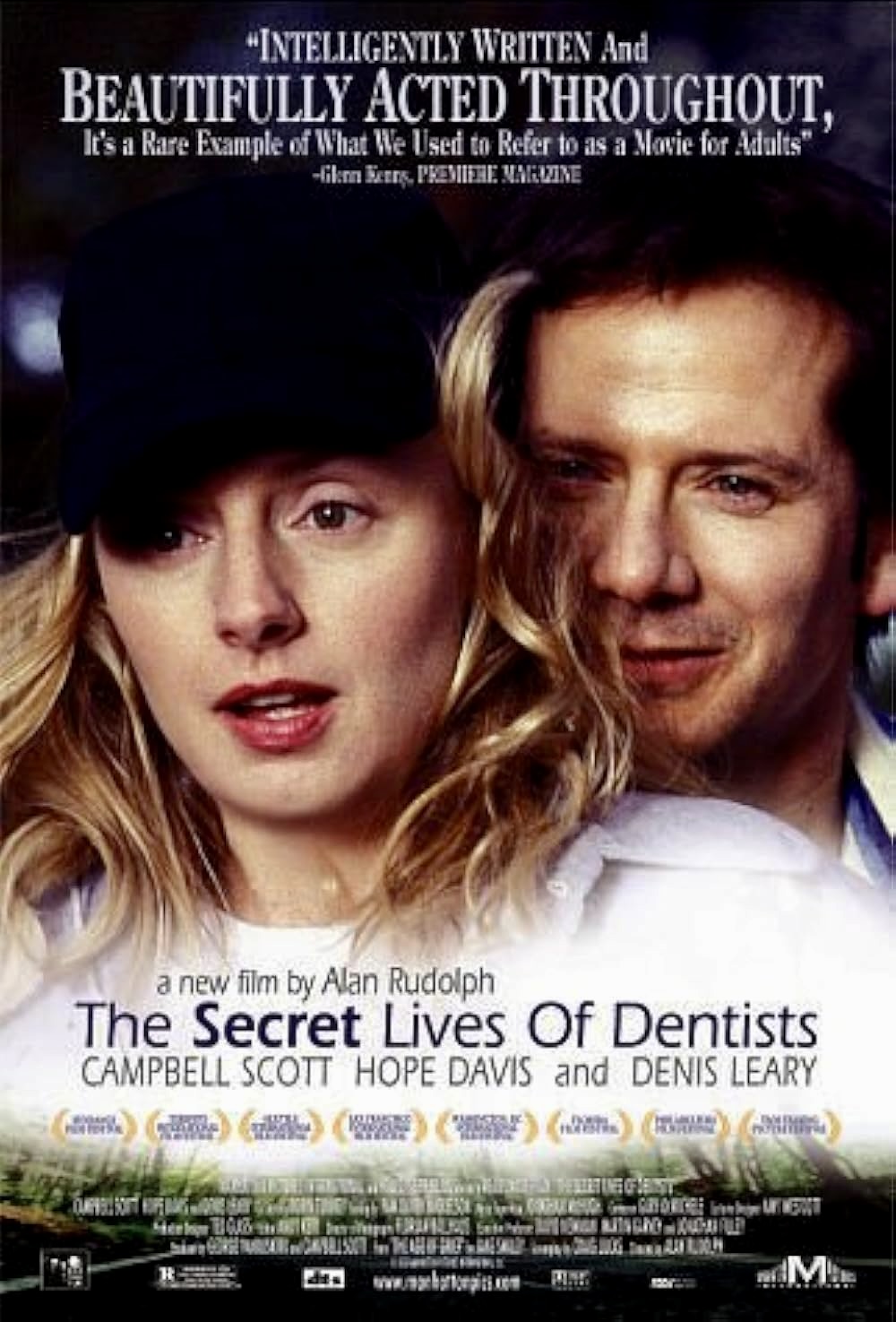
There was a brief time during the summer of 2002 when I felt that indie director Alan Rudolph was about to have a career resurgence with The Secret Lives of Dentists. Based on a novella by Pulitzer Prize-winning author Jane Smiley entitled The Age of Grief, which was a collection of short stories under the same title, the film depicts the daily lives of a married couple with three young daughters. David (Campbell Scott) and Dana (Hope Davis) are dentists and share a family practice together. They have been married for eleven years and appear to have achieved a workable and satisfying balance between their professional and private lives. Then something happens that plants a seed of doubt in David’s mind about his wife’s fidelity and he begins to agonize over confronting Dana about it or pretending it didn’t happen. The truth becomes elusive and their relationship becomes increasingly strained.
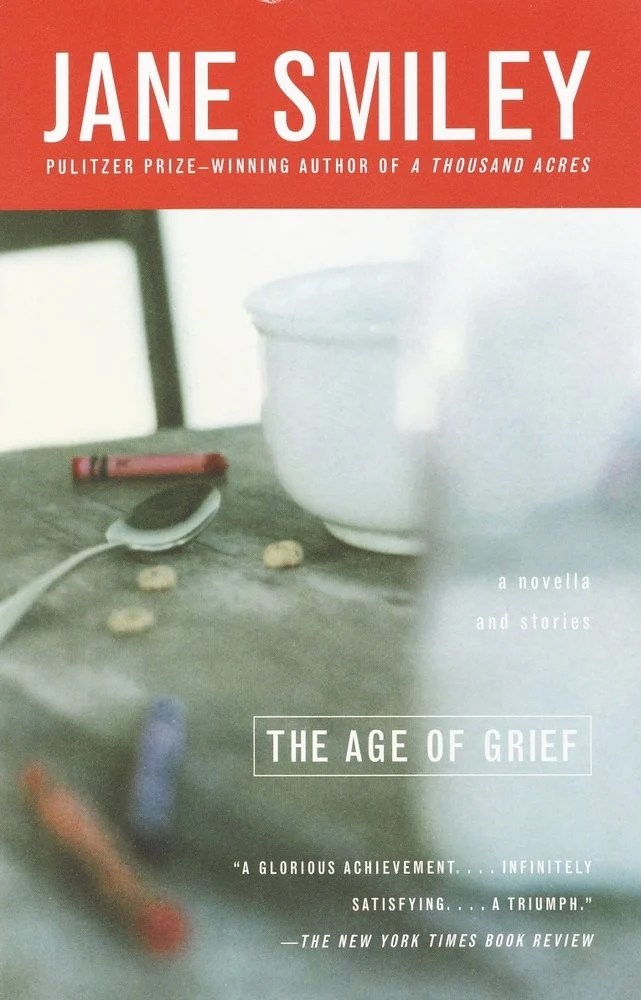
Rudolph’s film is an offbeat mixture of comedy and drama with a touch of fantasy and most film critics praised the effort. The Los Angeles Times called it “A stylish work from an accomplished, sophisticated filmmaker that bristles with intelligence and gleams with Scott’s and Davis’ multifaceted, astutely judged portrayals.” The Washington Post labeled it a “smart, quiet movie that imperceptibly takes its viewers by their throats and doesn’t let go,” while The Wall Street Journal stated, “This portrait of a failing marriage is one of the summer’s great discoveries, and a marvel of mercurial intimacy.” When The Secret Lives of Dentists went into wide release, however, audiences stayed away and the film quickly vanished from screens. As a result, Alan Rudolph wouldn’t direct another movie for 15 years and that one – Ray and Helen (2017) – might be his last (the director is now 84).
Continue reading
 Cinema Sojourns