Max Ophuls’ Caught

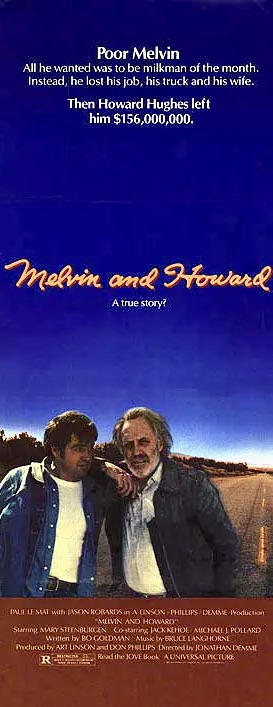
Over the years there have been numerous biographies written about aviation legend/studio mogul/eccentric billionaire Howard Hughes; everything from fake ones like Clifford Irving’s Autobiography of Howard Hughes to definitive accounts such as Howard Hughes: His Life and Madness by Donald L. Bartlett and James B. Steele. In contrast, there have been very few motion pictures about him. Martin Scorsese’s The Aviator (2004), based on the Bartlett & Steele biography, is the only feature film about his life to date. There was also a TV movie, The Amazing Howard Hughes (1977), with Tommy Lee Jones in the title role, and Jonathan Demme’s Melvin and Howard (1980), a quirky docudrama/comedy about Melvin E. Drummar (Paul Le Mat), a Utah man who claimed Hughes (Jason Robards Jr.) named him in his will after rescuing him in the Nevada desert.
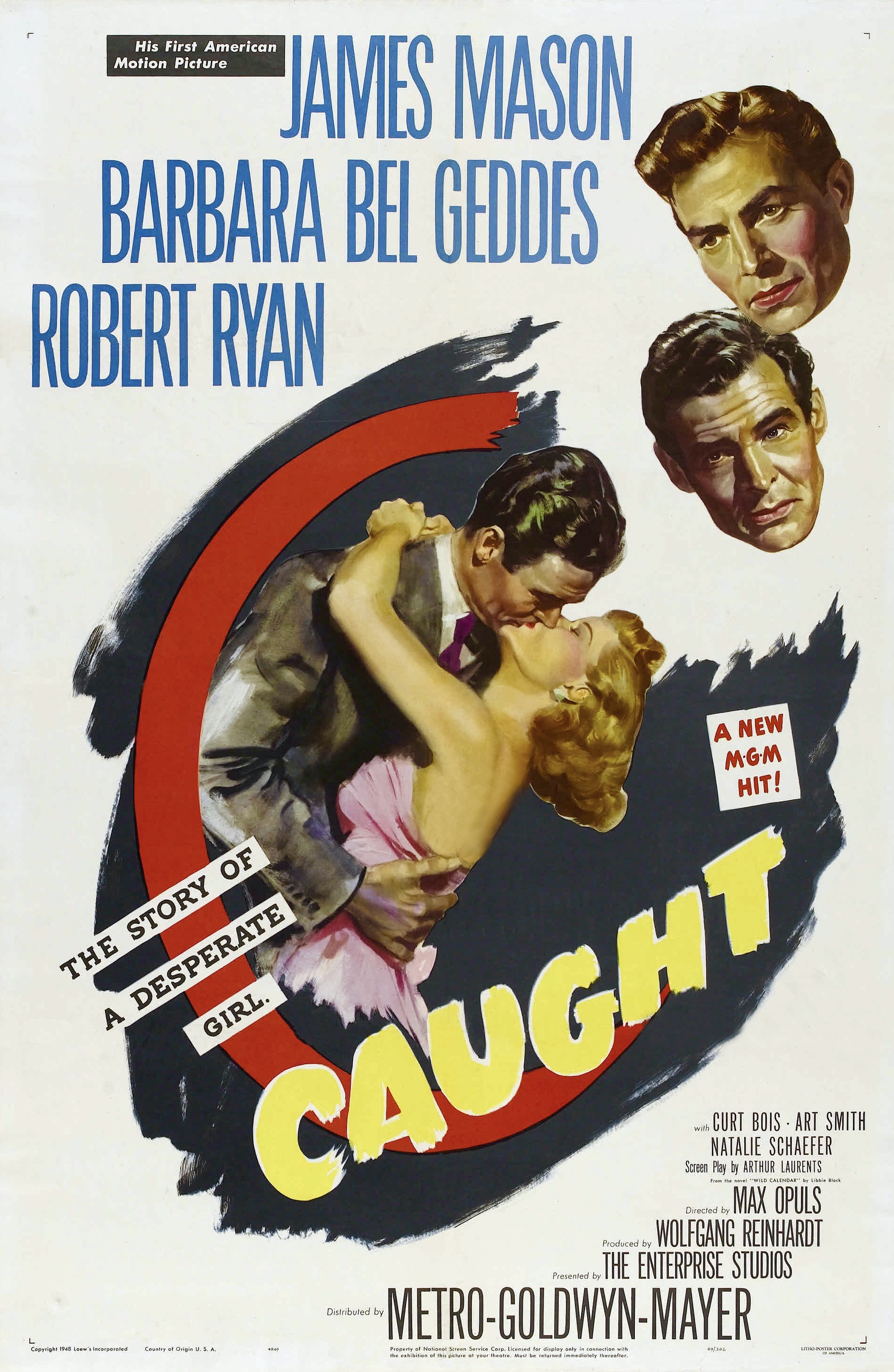
Strangely enough, my favorite film about Howard Hughes isn’t a biopic at all but a noir-like melodrama featuring a character who was clearly inspired by the megalomaniac tycoon – Caught (1949), by German director Max Ophuls. Smith Ohlrig, the business tycoon modeled on Hughes, may not resemble him in terms of a biographical profile but on a psychological level he is the epitome of Hughes in the way he interacted with women, his employees and industry rivals.

Continue reading
Don’t Stop for Strangers!

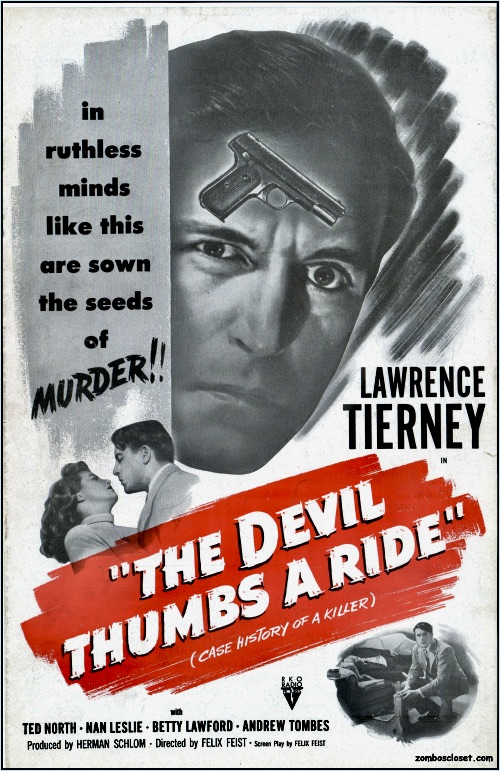
Is there anybody meaner than Lawrence Tierney on the screen? Sure, James Cagney was a bad-ass, shoving a grapefruit into Mae Clarke’s face in The Public Enemy or knocking Virginia Mayo off a chair in White Heat. And Bogart could be equally cold-blooded in films like The Petrified Forest and The Treasure of the Sierra Madre. But Tierney is like a rabid dog in comparison, sparing no one, not even himself, from violent death, and The Devil Thumbs a Ride (1947) is a perfect example of his menacing screen persona.

Continue reading

The Dark Side of Robert Young

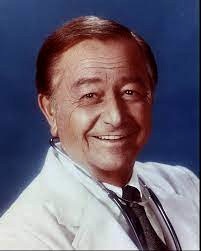
Robert Young plays an embezzler and a womanizer whose luck runs out in THEY WON’T BELIEVE ME (1947), an underrated film noir.

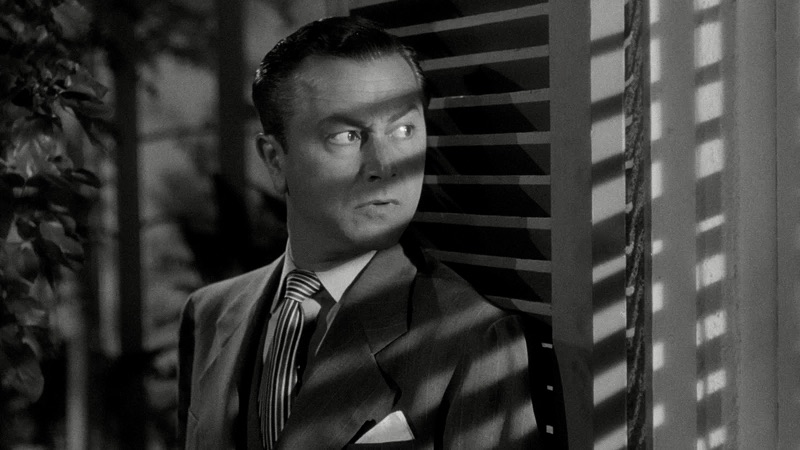
When most baby boomers think of actor Robert Young, they probably recall his popular TV medical series Marcus Welby, M.D. (1969-1976) where he was the epitome of the kind, compassionate doctor or they remember Jim Anderson, the perfect dad in the all-American family sitcom Father Knows Best (1954-1960). He was also typecast as “Mr. Nice Guy” in most of his Hollywood films, playing cheerful romantic leads or the leading man’s best friend or some other debonair, noble or well-intentioned character who rarely made a strong impression compared to more assertive male leads like Clark Gable, Gary Cooper or Spencer Tracy. But there were several occasions when Young discarded his good guy image by playing shadowy characters, outright villains, or damaged human beings.  Among these atypical casting choices, Young is most memorable in Alfred Hitchcock’s Secret Agent (1936) as an undercover spy, a budding fascist in The Mortal Storm (1940), a shellshocked and physically maimed war veteran in The Enchanted Cottage (1945), a complete cad and accused murderer in the underrated film noir They Won’t Believe Me (1947), directed by Irving Pichel, and an architect who is suspected of being a dangerous criminal in The Second Woman (1950).

Robert Young as the star of the popular TV series, MARCUS WELBY, M.D. (1969-1976).
Continue reading

Easy Rawlins: Private Eye

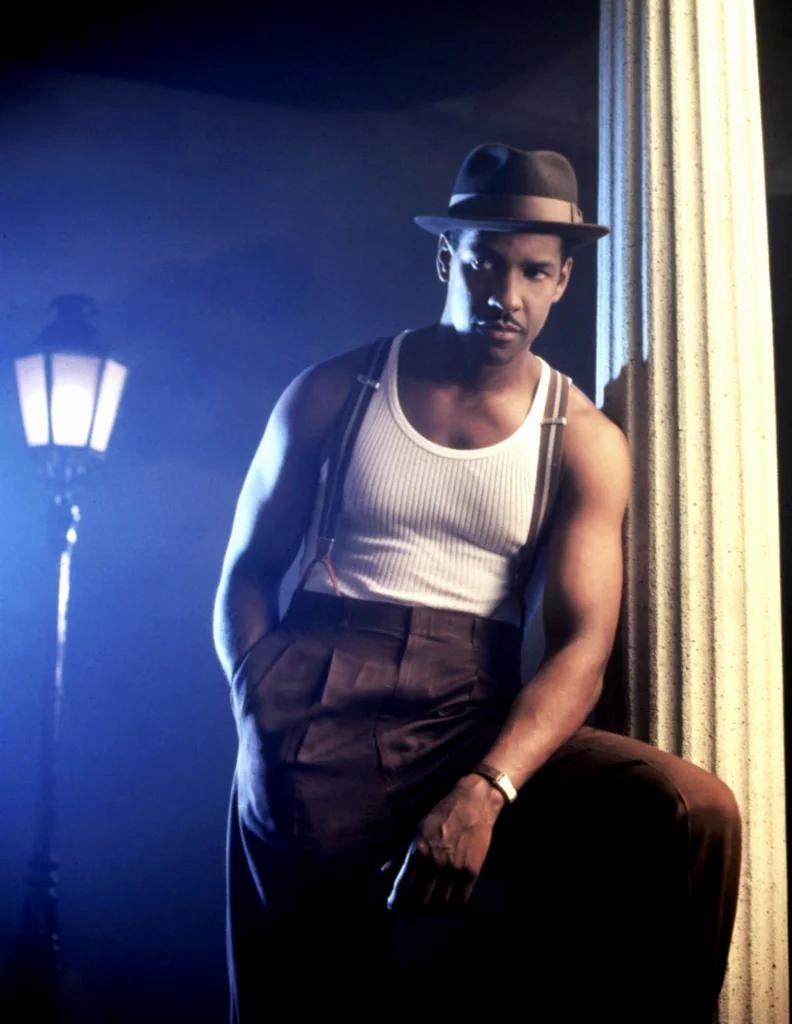
Denzel Washington plays Easy Rawlins, an amateur detective in the 1995 film adaptation of the Walter Mosley crime novel DEVIL IN A BLUE DRESS, directed by Carl Franklin.

For avid readers of mystery and crime novels, the stories of African-American novelist Walter Mosley featuring his detective hero Easy Rawlins were a unique and welcome addition to an overly familiar genre. And it was no surprise when Devil in a Blue Dress, the first of a quartet of novels featuring Rawlins, was optioned by a Hollywood studio and later brought to the screen in 1995 by director Carl Franklin and Denzel Washington, who not only played the lead but helped finance it; it was the first film for his production company, Mundy Lane.

Continue reading

Movie Title Hall of Fame: The Sublime, the Weird and the Ridiculous

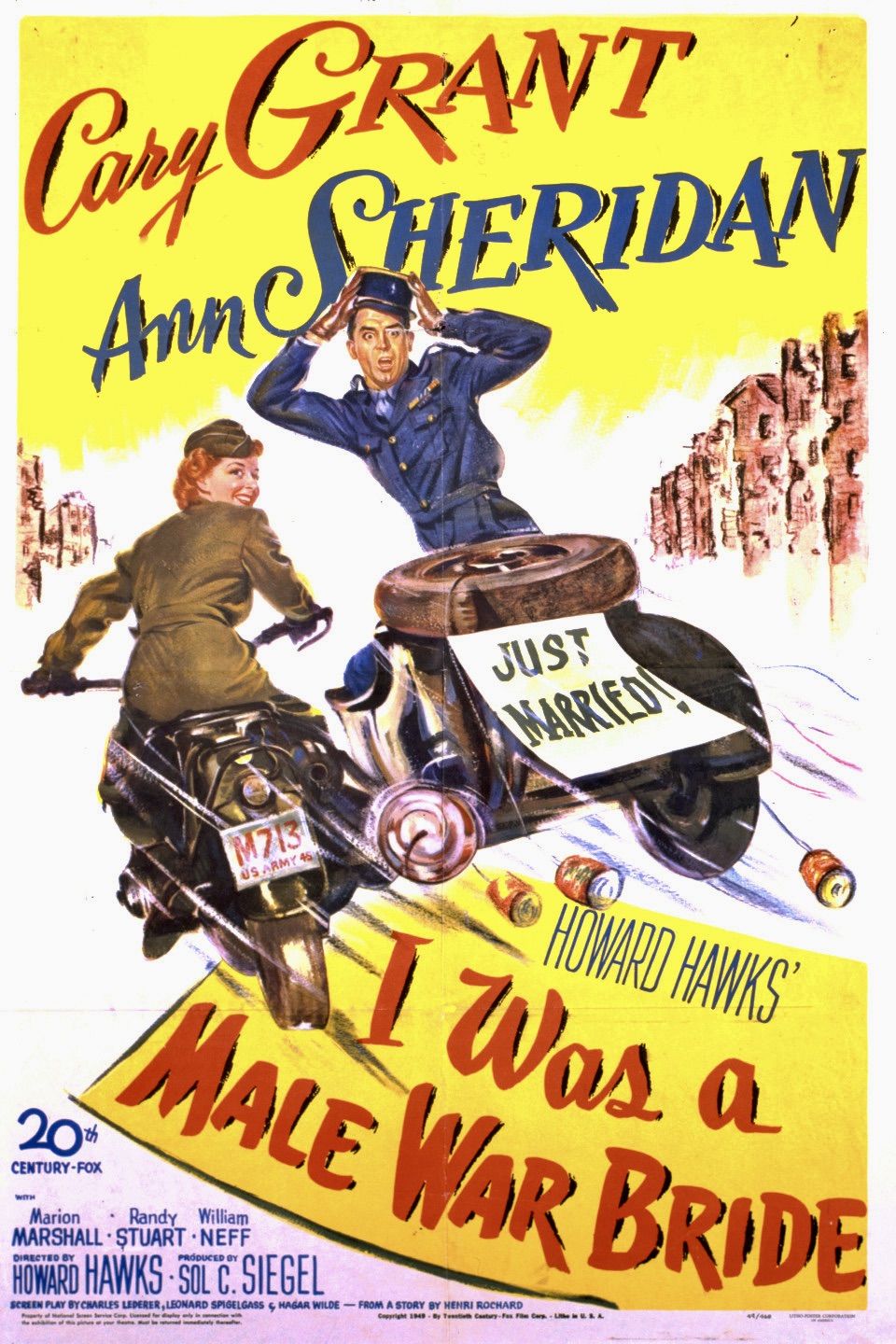
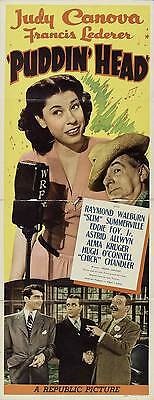
There are certain movie titles that make you pause and consider the mystery, allure or absurdity of their meaning. They can promise so much and deliver so little like Billy the Kid vs. Dracula (1966) or She Gods of Tiger Reef (1958). Or they can overdeliver on their promise to an astonished but grateful audience as in Russ Meyer’s infamous Faster, Pussycat! Kill! Kill! (1965). They can also mislead and confound you with wording so vague or fanciful that you have no earthly idea what it’s about as in Lord Love a Duck (1966), The Day the Fish Came Out (1967), or All the Fine Young Cannibals (1960), which inspired the name of the Brit pop trio that had a hit with “She Drives Me Crazy.” Then there are those completely frank and unambiguous titles that reveal the pure essence of the film in a no-nonsense manner – Teenagers from Outer Space (1959) and I Was a Male War Bride (1940). Or titles that are so much fun to say that you simply love saying them out loud just to hear the sound of them rolling off your tongue like Rat Pfink a Boo Boo (1966) or Puddin’ Head (1941).

Continue reading

The Vice Merchants

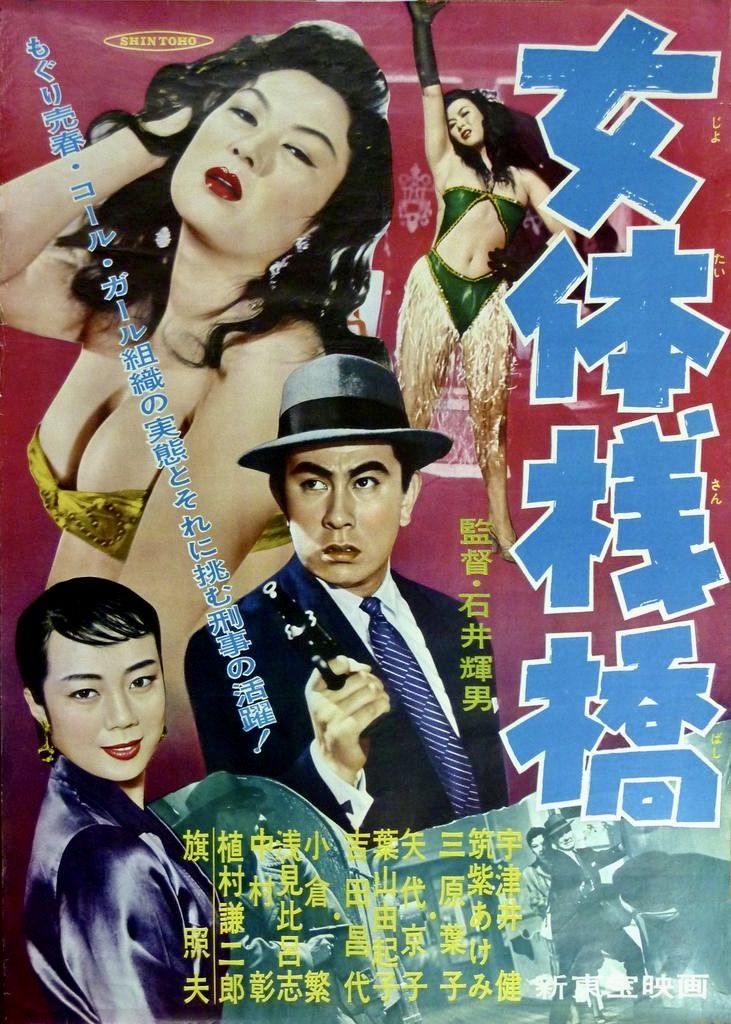
The Japanese film poster for NYOTAI SANBASHI (1958) aka FLESH PIER.

In January 1950 U.S. Senator Estes Kefauver launched an investigation into organized crime across America that exposed rampant corruption, racketeering and illegal practices being committed within public institutions across the country. Since these hearings were broadcast on television and the radio, the American public soon learned about various crime syndicates that were operating in specific cities and states. Movie studios in Hollywood also took note and began turning out numerous crime expose movies filmed in a semi-documentary fashion and often featuring an opening narration that used a real law official to warn against the situation being depicted. Among the more representative of these crime expose thrillers were Kansas City Confidential (1952), The Captive City (1952), Down Three Dark Streets (1954), The Phenix City Story (1955) and The Brothers Rico (1957). Without a doubt, this new trend in crime movies influenced filmmakers around the globe with countries as diverse as Germany, the U.K. and Japan creating their own variations on the formula. Nyotai Sanbashi (1958), which roughly translates as Pier of a Woman’s Body or Flesh Pier, is a particularly tantalizing down-and-dirty B-movie from Japanese director Teruo Ishii that mimics the expose approach of The Phenix City Story in its tale of mob-controlled businesses, sex trafficking and other criminal activities in Tokyo.

Continue reading

Secret Agenda

Is there really such a thing as “The Perfect Crime”? In theory the plot might seem infallible but what about the unforeseen surprise that could wreck the whole thing? It could be the benign interference of a neighbor or a stranger or even an accidental mishap involving the architect of the crime. An excellent example of what could go terribly wrong at the last minute can be found in The Hidden Room (aka Obsession, 1949) directed by Edward Dmytryk.

Continue reading

The Worm Turns

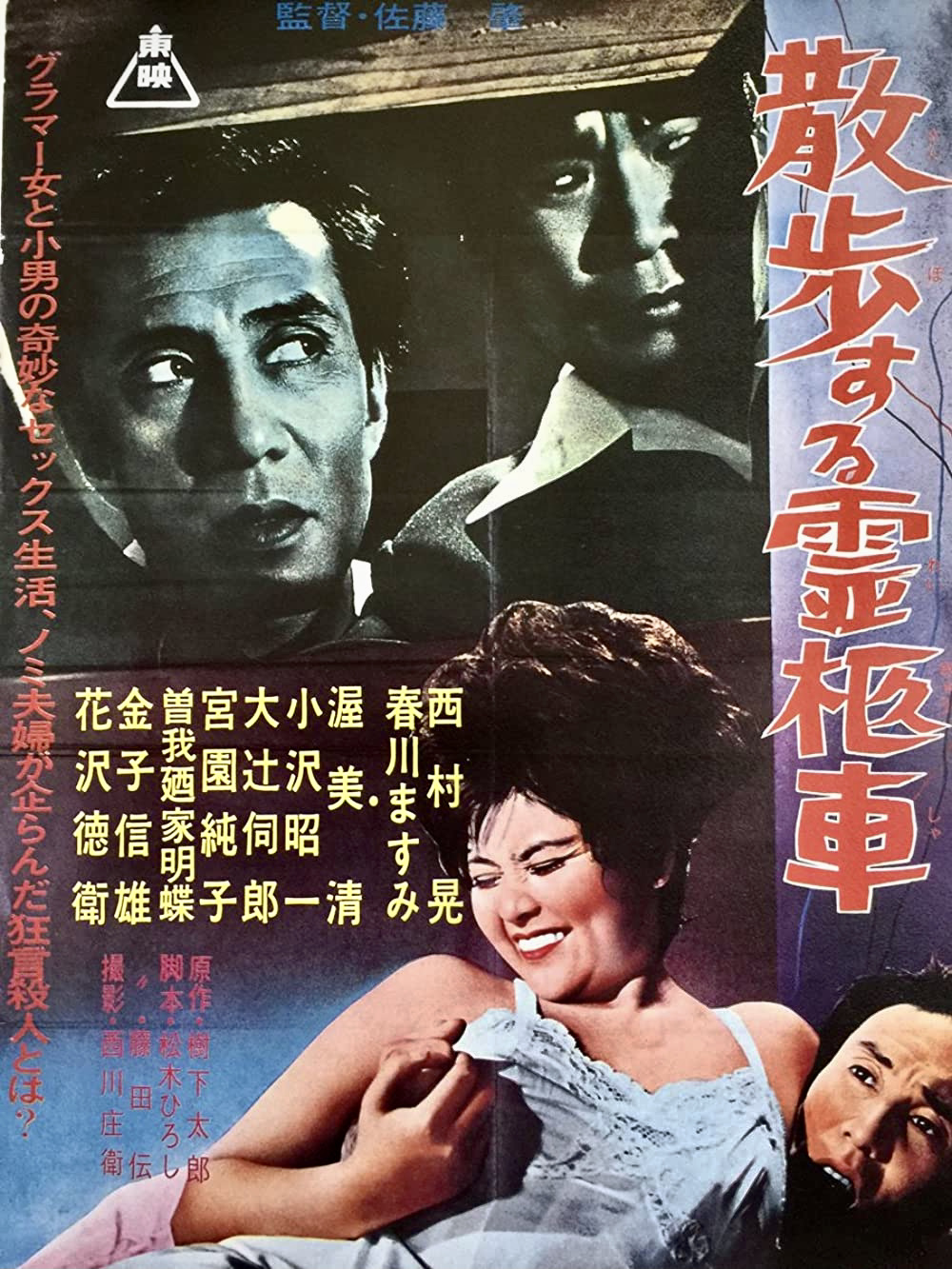
Japanese film poster for THE GLAMOROUS GHOST (1964)

The Glamorous Ghost (Japanese Title: Sanpo Suru Reikyusha, 1964) is something of a rarity in Japanese cinema – a noir comedy. This is the sort of twisty, convoluted farce in which all of the main characters are greedy, immoral and deceitful and you end up rooting for Asami (Ko Nishimura), the taxi driver protagonist, only because he is a pitiful underdog with a simple dream – to retire and run a pig farm in the country. His plan to accomplish that, however, involves blackmail and worse and before The Glamorous Ghost reaches its macabre but amusing climax, most of the major players have departed this mortal coil.

Continue reading

Irving Lerner Double Feature

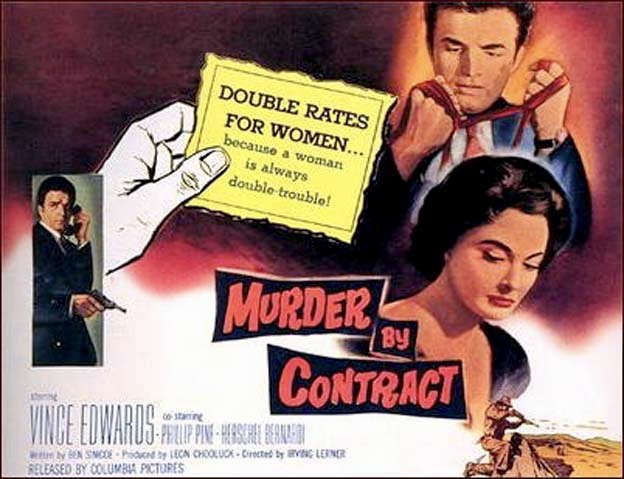
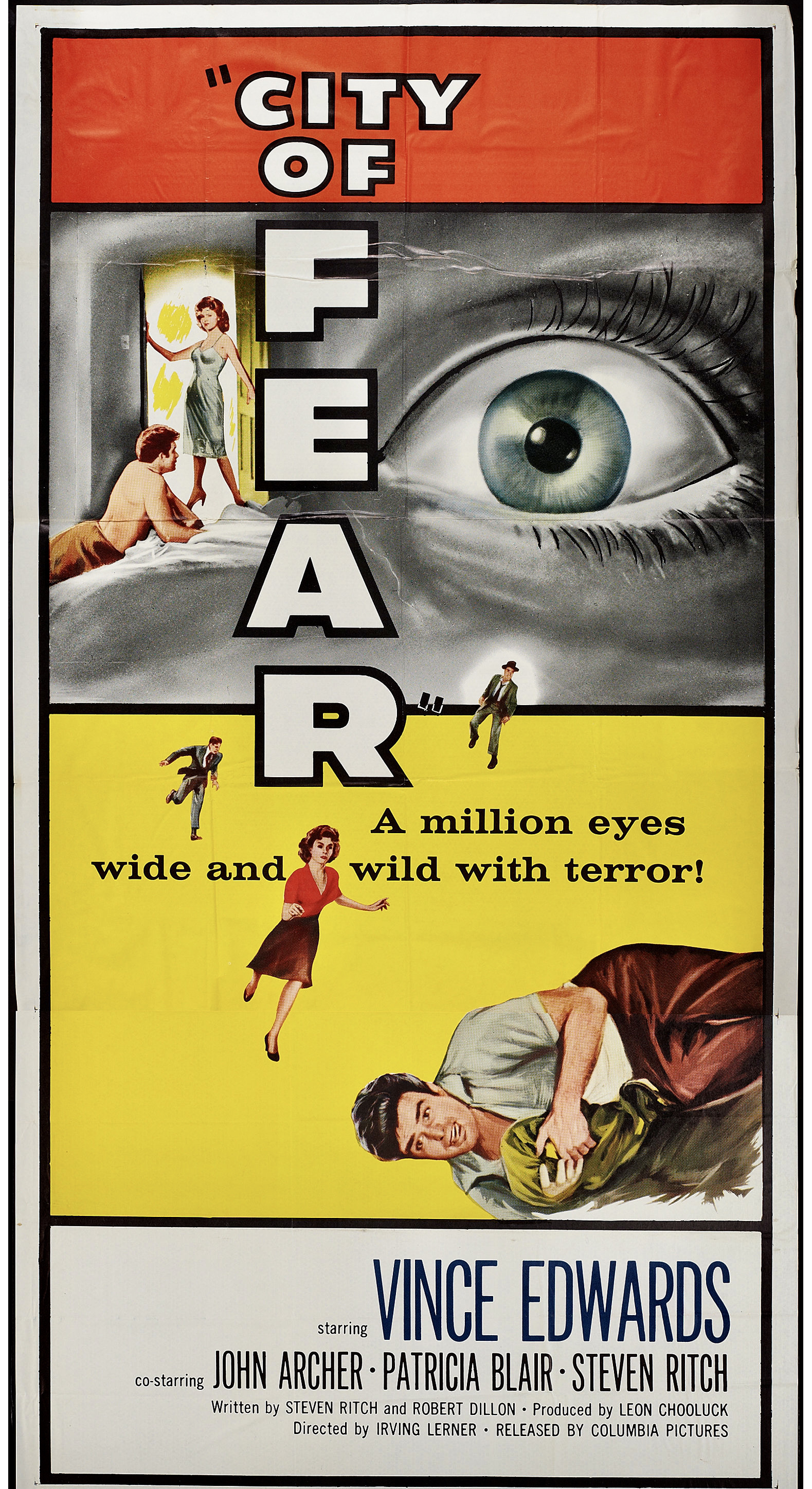
Irving who? The name may not be familiar to you but if you are a film noir fan, you might know the titles Murder by Contract (1958) and City of Fear (1959), two low-budget crime dramas, both of which star Vince Edwards. These were the third and fourth films in the filmography of Irving Lerner and the more famous of the two is Murder by Contract, which has often been championed by Martin Scorsese over the years. In recent years it has enjoyed wider exposure due to its release on DVD as well as retrospective screenings at events like the Noir City Film Festival, hosted by film noir expert Eddie Muller.  Murder by Contract is a tautly directed minor masterpiece with an exceptionally chilling performance by Edwards. He plays Claude, a coldly efficient hit man who likes to make a nice clean kill with no mess, no slip-ups, and no surprises due to poor planning – “I wasn’t born this way. I trained myself! I eliminated all personal feeling.” 

Continue reading

Hot Nocturne

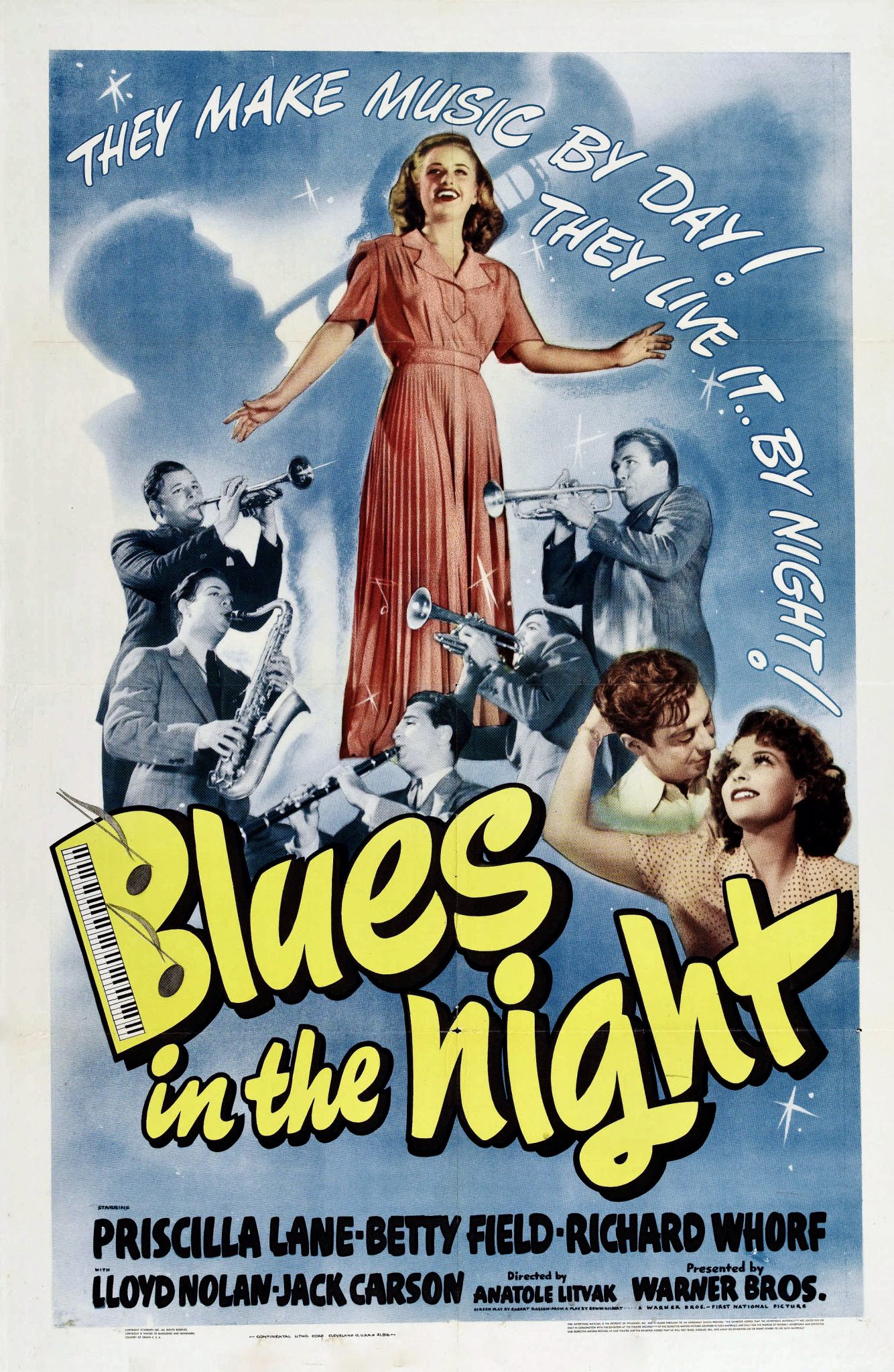
Most Hollywood films about musicians that were made during the studio era were usually biopics and focused on individual artists such as George Gershwin (Rhapsody in Blue, 1945) and Glenn Miller (The Glenn Miller Story, 1954). It was rare to see a feature film that detailed the ups and downs of an entire band and, in the case of 1941’s Blues in the Night, the featured jazz sextet was entirely fictitious. Originally titled Hot Nocturne, the name was changed just prior to its theatrical release to capitalize on the Harold Arlen-Johnny Mercer hit song that became its signature tune.

Continue reading