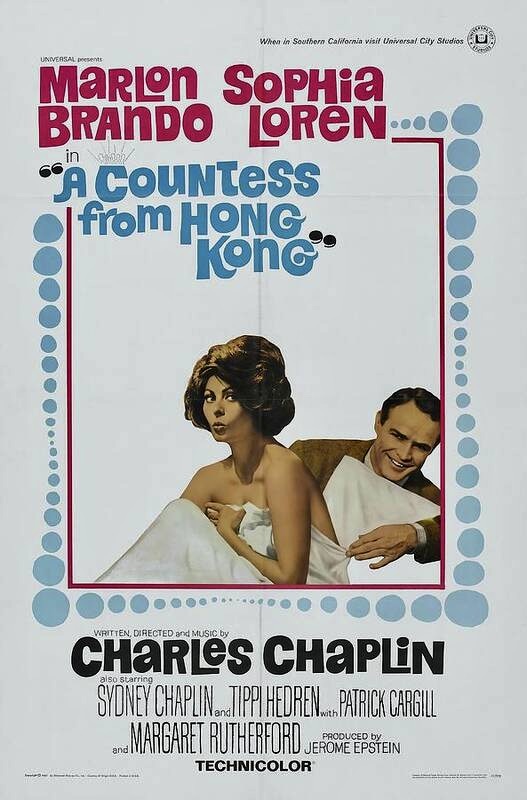
Nobody sets out to make a bad movie. Why would they? Not only is it a colossal waste of money but it will remain on the permanent record of everyone associated with it. Still, there are factors that no one can control and sometimes an actor makes a movie with the best intentions that the critics hate, audiences avoid like the plague or conflicts during production doom it to failure. Here are 15 well documented examples including Marlon Brando (A Countess from Hong Kong), Shelley Winters (Knickerbocker Holiday), Richard Widmark (Slattery’s Hurricane), Beverly Garland (Swamp Women and Stark Fear), Bruce Dern (The Incredible 2-Headed Transplant), Ava Gardner (The Bible…In the Beginning), Christopher Plummer (The Royal Hunt of the Sun), Ida Lupino (The Hard Way), Tony Curtis (Son of Ali Baba), Sally Kellerman (Reform School Girl), Ernest Borgnine (The Devil’s Rain), Raquel Welch (Myra Breckinridge), Warren Oates (Chandler), Joan Shawlee (Prehistoric Women) and Vincent Price (Green Hell).
Continue readingCategory Archives: film
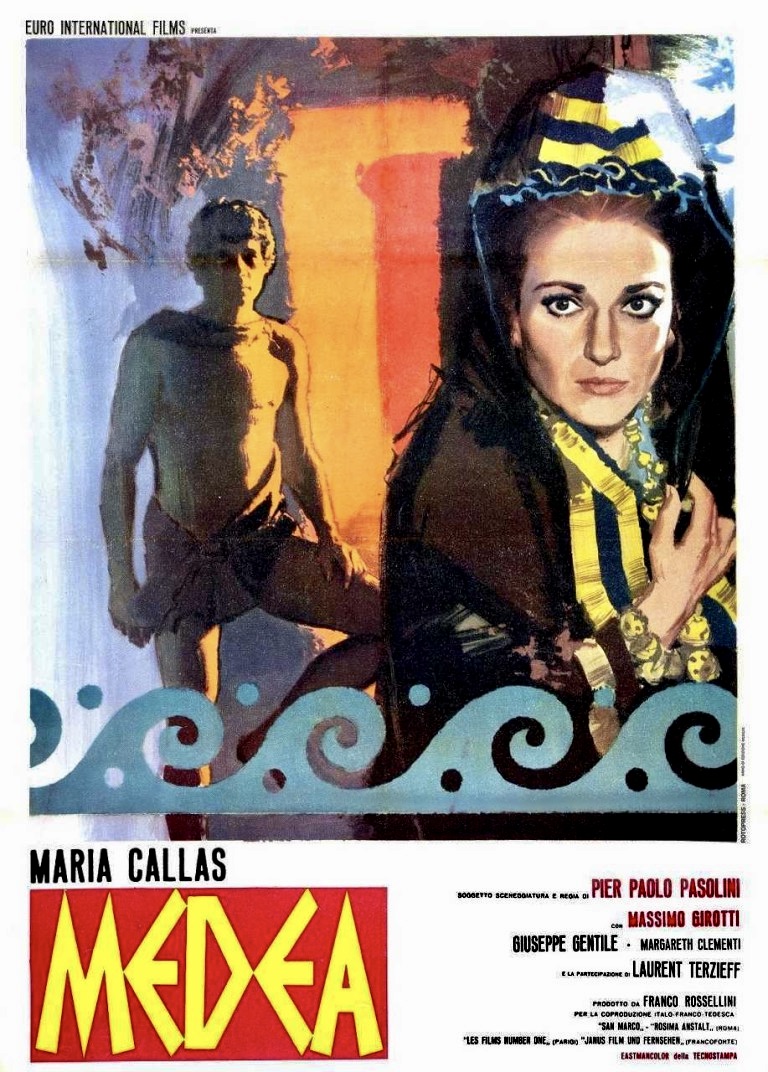
A Scorned Woman’s Wrath
Are you well versed in Greek mythology? You’ll need to be if you take a deep dive into Pier Paolo Pasolini’s 1969 version of Medea starring the world’s most famous opera diva Maria “La Divina” Callas in her only feature film role (and she doesn’t sing). Freely adapting narrative elements from the original Greek myth as well as Euripides’ play, which was first performed in 431 BC, Pasolini presents the tragic tale in the manner of a social anthropologist crossed with an experimental filmmaker dissecting an ancient case history of a marriage gone wrong. If you aren’t familiar with the story of Jason and Medea, this interpretation can be confusing, mysterious and inaccessible at times but it is also one of the most visually and aurally dazzling of the many versions produced on stage, TV or film over the years.
Continue readingDancing Fools
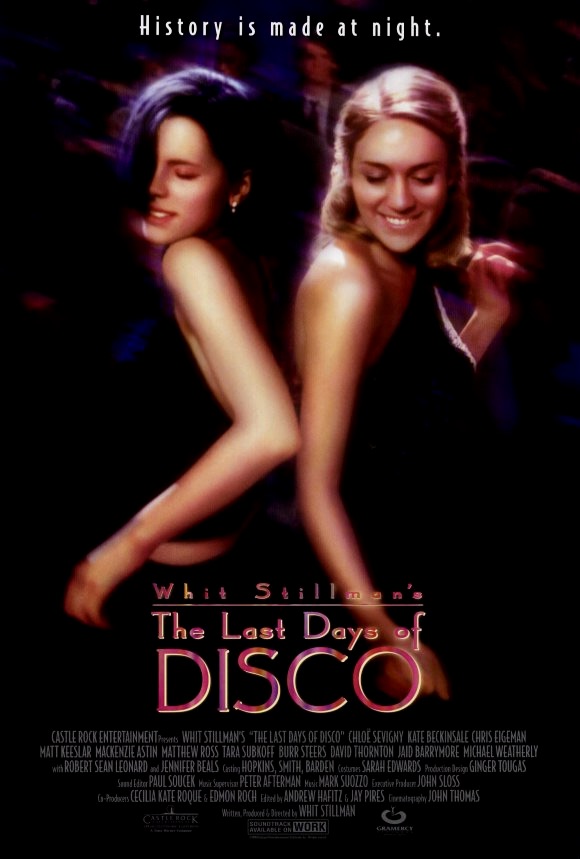
When writer-director Whit Stillman made his film debut in 1990 with Metropolitan, he stood out from other filmmakers of his generation by creating a witty comedy-drama that felt like a drawing room farce from another era, one that might have been co-written by Oscar Wilde and Jane Austin. A Harvard graduate who worked in both journalism and publishing ventures in New York City, Stillman has built a successful career as an indie filmmaker who specializes in highly educated, well-heeled character portraits drawn from his own experiences. These protagonists, usually young, upwardly mobile yuppies from wealthy families and graduates from some Ivy League college, has led some critics to label him the WASP alternative to Woody Allen’s brand of urban tales. This sort of specialized focus might seem too self-absorbed and unhip compared to the work of filmmaking peers like Spike Lee and Steven Soderbergh, but look closer and you’ll see that Stillman is crafting a kind of late 20th century chamber play which addresses social mores, class differences, economic disparity and city life as it relates to a very specific demographic. And in his third feature film, The Last Days of Disco (1998), it proves to be a sexy, romantic, poignant and often hilarious group portrait with a distinctive literary quality (Whitman would subsequently turn the screenplay into the novel, The Last Days of Disco, With Cocktails at Petrossian, which was published in 2000).
Continue readingBreaking Up is Hard to Do
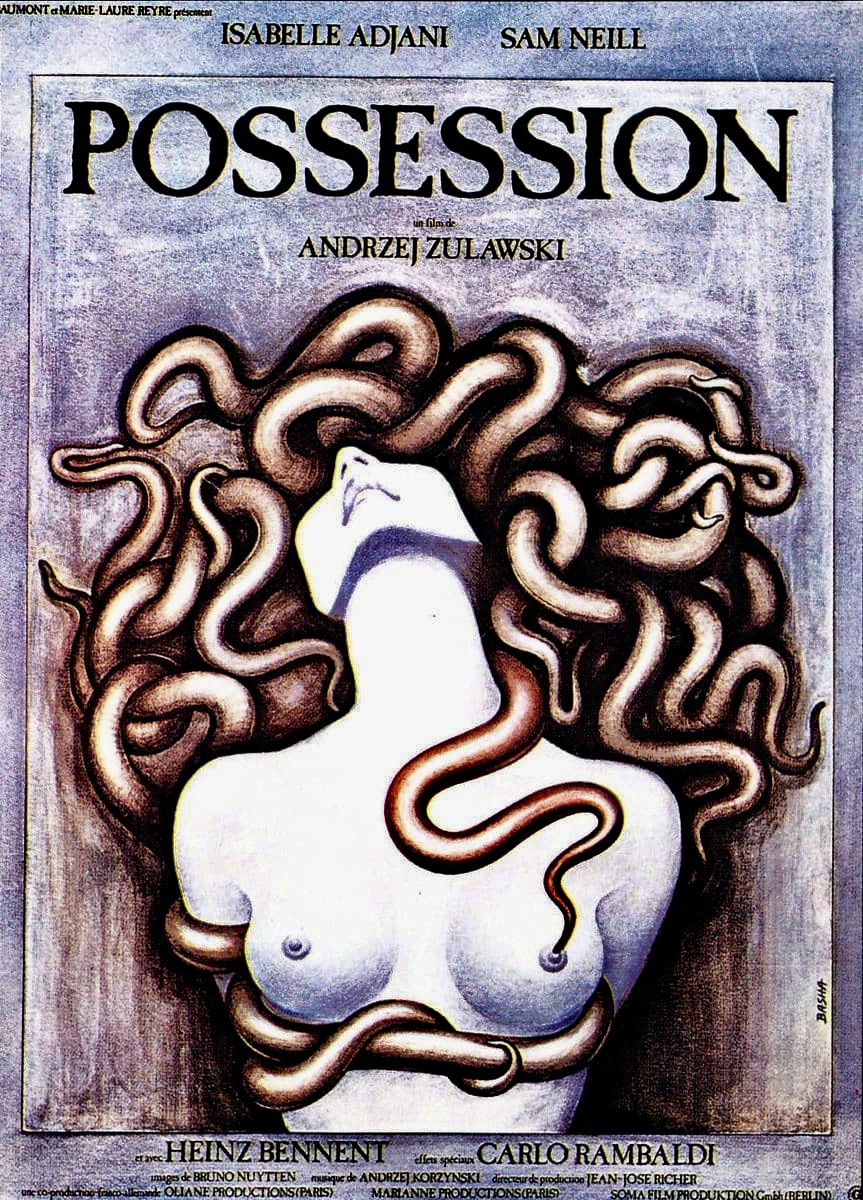
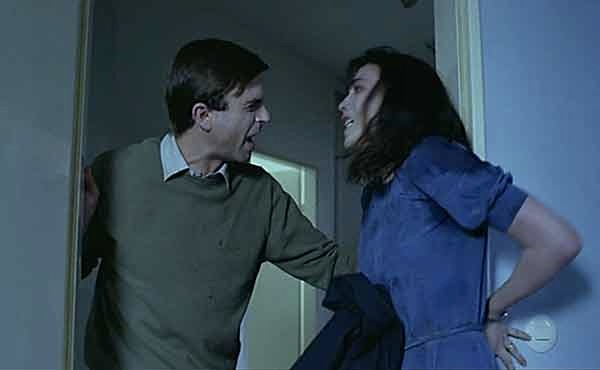
In The Devil’s Dictionary, a satirical lexicon written by Ambrose Bierce which was first published in 1906 under the title The Cynic’s Word Book, marriage is described as “The state or condition of a community consisting of a master, a mistress and two slaves, making in all, two.” While it may be an amusing if not particularly favorable definition of what should be a sacred union between two people, it does reflect a negative viewpoint embraced by some who have suffered through it. Possession (1981), directed and co-written by Andrzej Zulawski with Frederic Tuten, takes this conceit a step further, depicting the institution of marriage as not just a form of slavery but the embodiment of hell on earth.

Smells Like Teen Spirit
Was high school the most emotionally turbulent rite of passage every teenager had to endure? For some, like French director Olivier Assayas, it was a period of time that helped transform him into the person he is today. Those years provided the raw material to create a deeply personal cinematic experience that was not just an artistic triumph in France but earned the director international attention and acclaim. L’eau Froide (English title: Cold Water, 1994) was Assayas’s fifth feature film but he credits it with being the movie that marks his first real breakthrough as a director. The story of Gilles (Cyprien Fouquet), a troubled student from an upper-class family, and his on-again, off-again infatuation with Christine (Virginie Ledoyen), a rebellious sixteen-year-old from a divorced working-class couple, is semi-autobiographical in nature with some incidents taken directly from the director’s life. Assayas would later state, “Cinema has the capacity for making you experience moments, emotion in your life and looking back on it I have the strange feeling that this movie belongs to the seventies.”
Continue readingThe Shame of Shantytown
One of the most famous Japanese directors of his generation (1912-2012) to emerge from the post-WW2 years was Kaneto Shindo but, outside of a handful of films, most of his work remains largely unseen in the U.S. That is a shame because much of his filmography provides a fascinating glimpse into the lives and mindsets of Japanese people, especially the working class, in the difficult years following the country’s defeat in the war. One of his earliest and most provocative depictions is Dobu (1954), which is also known as The Ditch, but is more accurately translated as The Gutter. And the main protagonist of the film is Tsuru (Nobuko Otowa), who could easily claim to be the most memorable guttersnipe of all time. When the film opens, she is a filthy, wandering beggar on the verge of starvation who collapses in a shantytown known as Kappunuma and here she will remain for the rest of her brief life.
Continue readingMathematical Riddles
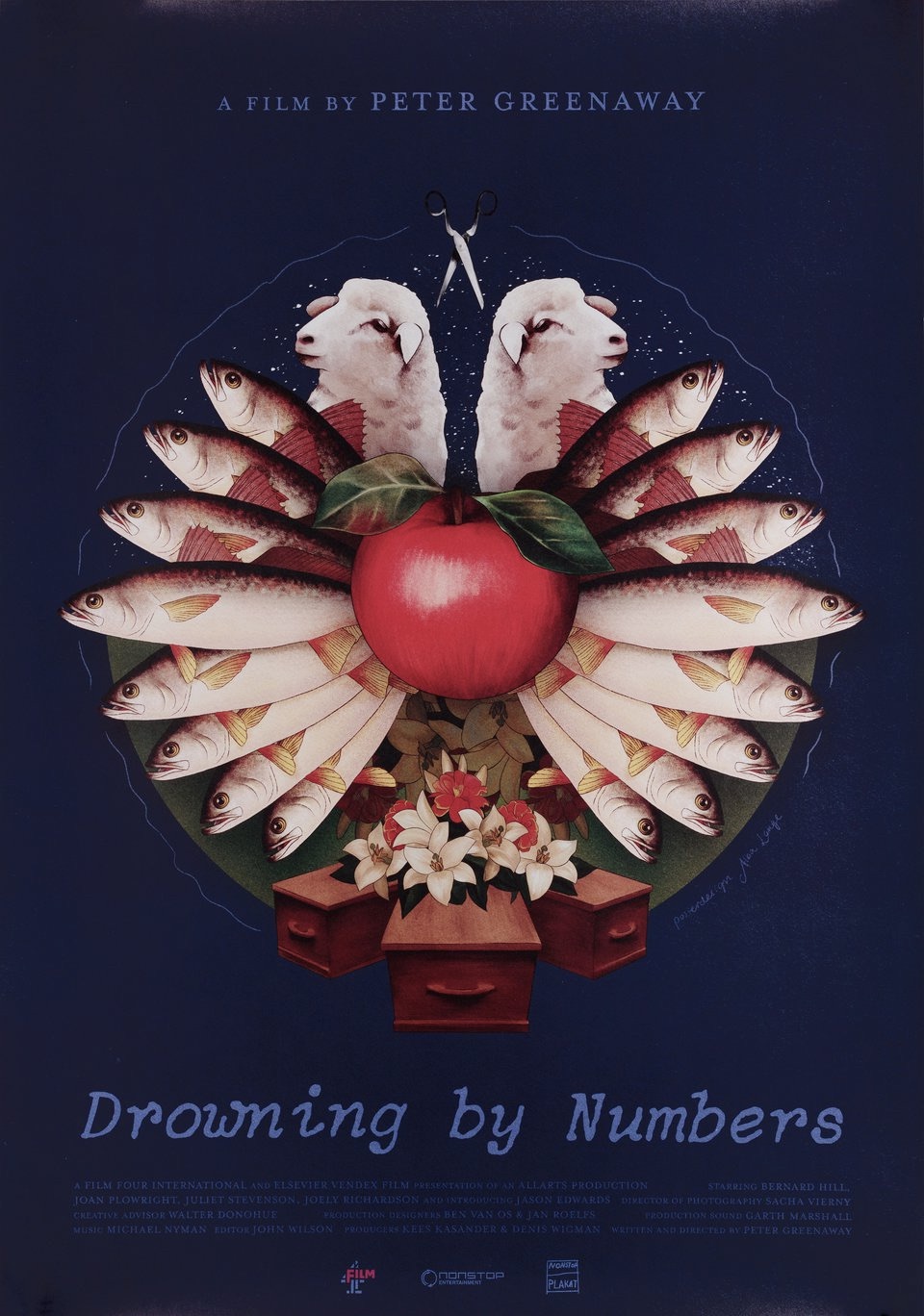
Peter Greenaway is not the sort of director who has ever tried to appeal to the average moviegoer or make a mainstream film but that doesn’t mean he hasn’t enjoyed a long and successful career in the cinema. In fact, his 1989 film The Cook, the Thief, His Wife & Her Lover was a surprise box office hit, grossing more than 7.7 million dollars in the U.S., which was highly impressive for an art house flick. Still, his filmography might seem intimidating or of little interest to most American viewers but several of Greenaway’s feature films from the 1980s are quite accessible, if only curious movie lovers would give them a chance. The Draughtsman’s Contract (1982) and The Belly of an Architect (1987) are good places to begin but my personal favorite is Drowning by Nights (1988), which is a subversive black comedy involving murder, game playing, and a fascination with numbers.
Continue readingThe Year the Music Died
Most musicologists and historians of popular culture generally agree that rock and roll is an American creation but, as a lifetime music lover, I particularly love hearing and seeing how that pop culture movement influenced other societies around the globe. You don’t think of a country like Cambodia as a fertile breeding ground for innovative rock and roll but it was – in the late fifties through the mid-seventies – until the Khmer Rouge took control of the country in 1975. At that point rock and roll (and all music and culture considered “foreign” or western to the communist regime) was outlawed and any evidence of it (albums, tapes, etc.) destroyed, effectively erasing almost twenty years of pop culture…or so, they thought. John Pirozzi, director of Don’t Think I’ve Forgotten: Cambodia’s Lost Rock and Roll (2014), discovered enough missing pieces of that forgotten music scene to put together a fascinating and deeply moving portrait of a particular place and time that should appeal to rock and rollers everywhere.
Continue readingThe Game of Adultery
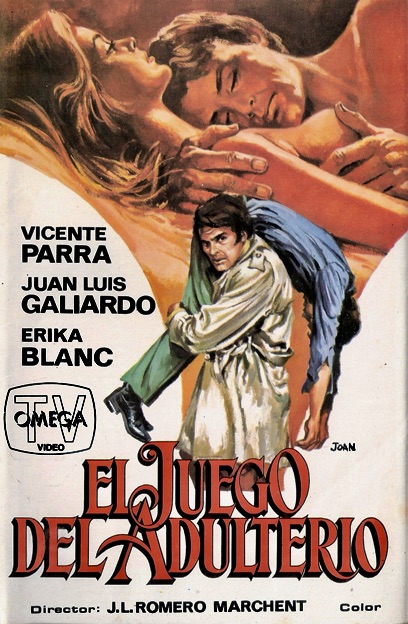
Giallo thrillers and spaghetti westerns are generally considered genres created by the Italian film industry but producers and filmmakers in other European countries also created their own versions in these categories, especially in Spain. Director/Screenwriter Joaquin Luis Romero Marchent, a native of Madrid, is best known for his Spanish take on wild west oaters but he did make a film that could be classified as a giallo. El Juego del Adulterio (English title: The Game of Adultery aka The Deadly Triangle, 1973) is blessed with a title that sounds like an erotic melodrama or maybe a softcore soap opera for the grindhouse crowd. It definitely has elements of that but is actually a psychological thriller crossed with a murder mystery.
Continue readingThe Big Bang
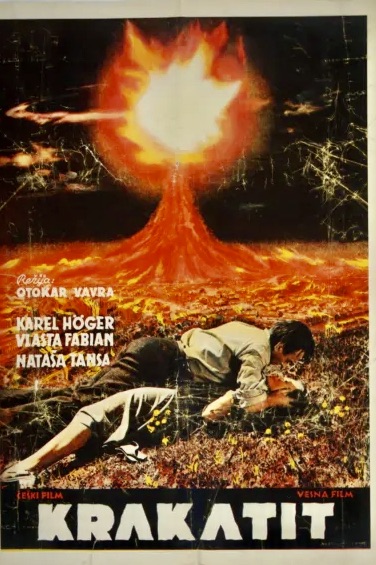
Why would a scientist create a weapon of mass destruction that was capable of destroying the planet and ending life as we know it? J. Robert Oppenheimer, the theoretical physicist who led the Manhattan project and is known as the “father of the atomic bomb,” would later become guilt-ridden over his invention but his original intention was altogether different. He wanted to create a weapon so powerful and dangerous that it would intimidate all world leaders into putting an end to war but, of course, that idealistic concept ended in failure because human beings are flawed creatures. This same scenario is mirrored in the Czech sci-fi drama, Krakatit (1948), in which an engineer named Prokop (Karel Hoger) creates a powder that can become explosive and release atomic energy when activated by radio signals or other means. Like Oppenheimer, Prokop quickly comes to regret his discovery but a case of amnesia caused by an accidental explosion complicates the engineer’s desperate search for an associate, Jiri Tomes (Miroslav Homola), who stole the formula.
Continue reading