Basketball Jocks and Pom Pom Girls

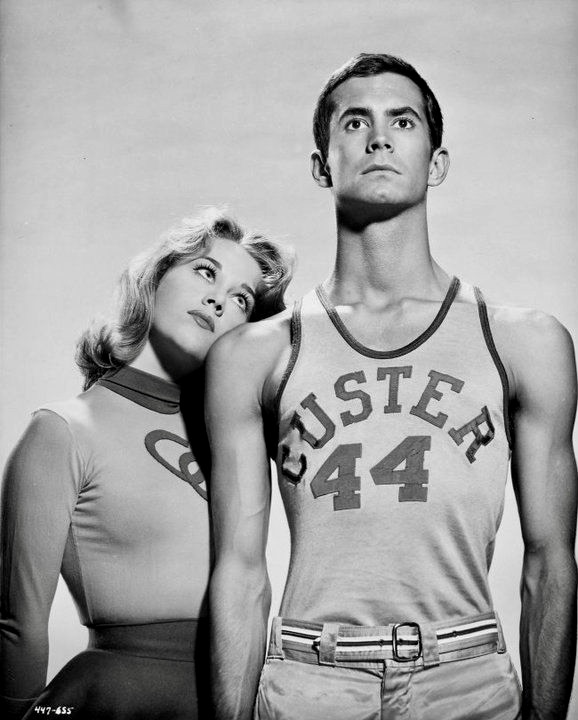
Jane Fonda (in her film debut) and Anthony Perkins appear in a publicity still for the 1960 romantic comedy TALL STORY, directed by Joshua Logan.

The film debut of a soon-to-be-major movie star is not always an event of any significance when it first occurs. Nor is it often a movie with any artistic merit that can stand the test of time and become an important topic for analysis among film scholars. Jane Fonda’s movie debut, Tall Story, will surely never make the AFI’s top 100 films list and it wasn’t a commercial or critical success upon its release in 1960. Yet the film is important in the career arc of Ms. Fonda. It’s also an enjoyable, often witty romantic comedy that plays much better today than when it first premiered.

Continue reading
Heavenly Hijinks

Audiences are obviously suckers for films about helpful ghosts or guardian angels because Hollywood has been grinding out variations on this theme for years. Alternately saccharine and sentimental, these films are rarely well received by the critics but there have been a few exceptions over the years, the chief one being Here Comes Mr. Jordan (1941), which is really the film that started the whole trend. In its wake, there were numerous contenders covering the same celestial terrain – I Married an Angel (1942), Angel on My Shoulder (1946), Down to Earth (1947) and Angels in the Outfield (1951) – but Here Comes Mr. Jordan remains the most imaginative, comical, and romantic of the lot.

Continue reading

Imaginary Lover

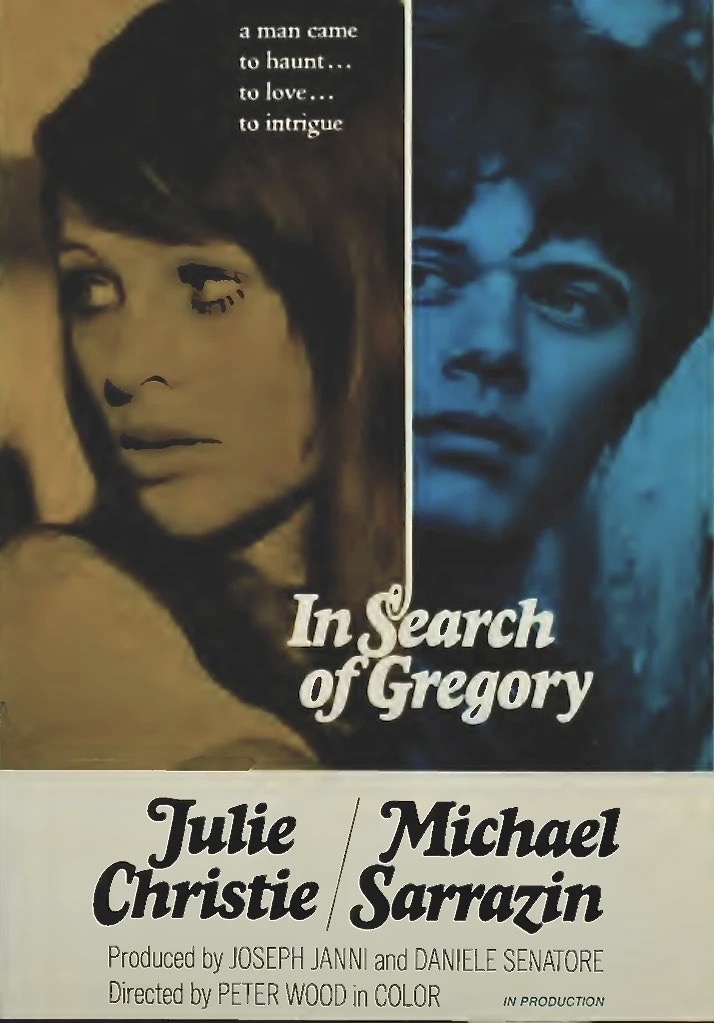
For better or worse, the 1960s was a time when commercial and experimental cinema occasionally collided, producing innovative, financially successful films such as Stanley Kubrick’s 2001: A Space Odyssey (1968) and Michelangelo Antonioni’s Blow-Up (1966), but more often high profile failures such as Tony Richardson’s The Sailor from Gibraltar (1967), Otto Preminger’s Skidoo (1968) and the unfortunate 1969 screen adaptation of Lawrence Durrell’s Justine. In Search of Gregory (1969), which was designed as a star vehicle for Julie Christie by producer Joseph Janni and followed her critically acclaimed performance in Petulia (1968), falls into the latter category. 

Continue reading

Remembering Hal Ashby

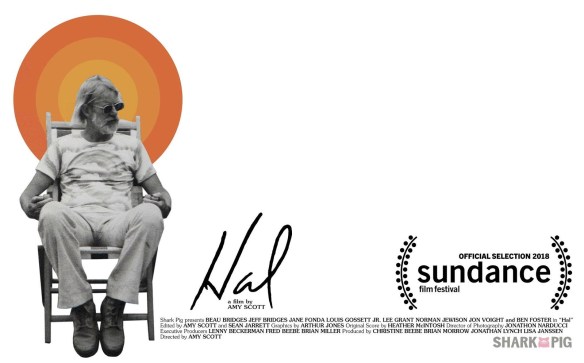
Mark Harris’s best-seller Pictures at a Revolution: Five Movies and the Birth of the New Hollywood pointed to 1967 as the year that the studio system crumbled and a new order emerged while Peter Biskind’s Easy Riders, Raging Bulls profiled the subsequent rise of the young turk directors in the seventies who changed cinematic conventions with their idiosyncratic films. Martin Scorsese, Steven Spielberg, Francis Ford Coppola, George Lucas, Peter Bogdanovich are usually singled out as the prime movers and shakers by film historians of that era while the once high profile Hal Ashby is often underrated and relegated to the sidelines. Hal, Amy Scott’s new documentary on the director, is a welcome homage that attempts to elevate and restore this influential figure to his rightful place in Hollywood history.  Continue reading

Dining in the Buff

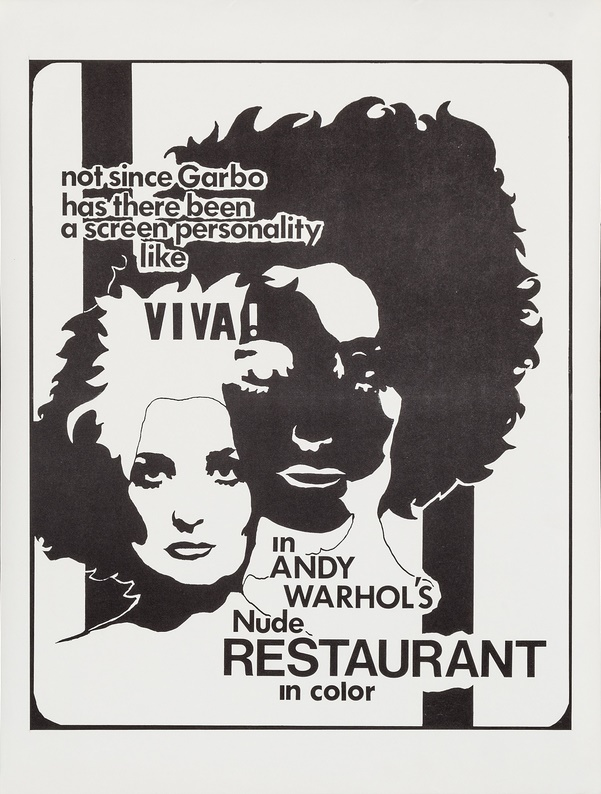
The idea of a nude restaurant where the clientele and wait staff are composed of various members of Andy Warhol’s Factory crowd such as Taylor Mead and Viva wearing little more than skimpy black briefs may not sound like the most appetizing destination for dining. Yet, as a film, The Nude Restaurant (1967) is a lively, frequently hilarious and occasionally despairing communiqué from the underground for those who have always avoided or dismissed the experimental cinema of Andy Warhol as something boring and interminable based on seeing snippets of 1963’s Sleep (a 321 minute static camera study of John Giorno asleep in bed) or 1964’s Empire (a 485 minute single shot portrait of the Empire State Building from dusk until approximately 3 am) or just reading about them.  Continue reading

Working Without a Safety Net

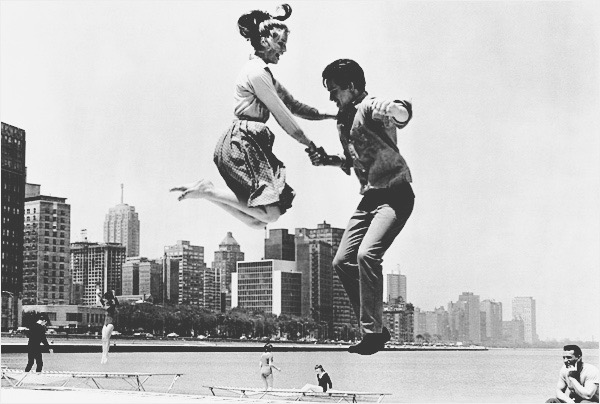
Alexandra Stewart & Warren Beatty defy gravity in Arthur Penn’s existential noir, Mickey One (1965).

Every actor or director probably has at least one movie in their filmography unlike anything else they’ve ever done before or since and for Warren Beatty and Arthur Penn that film would be Mickey One (1965). Allegedly inspired by the French New Wave films of the early sixties, Penn’s film is an enigmatic and existential tale of a nightclub stand-up comic who goes on the lam from the mob because of a huge financial debt he can’t repay.  Continue reading