The Spider and the Fly

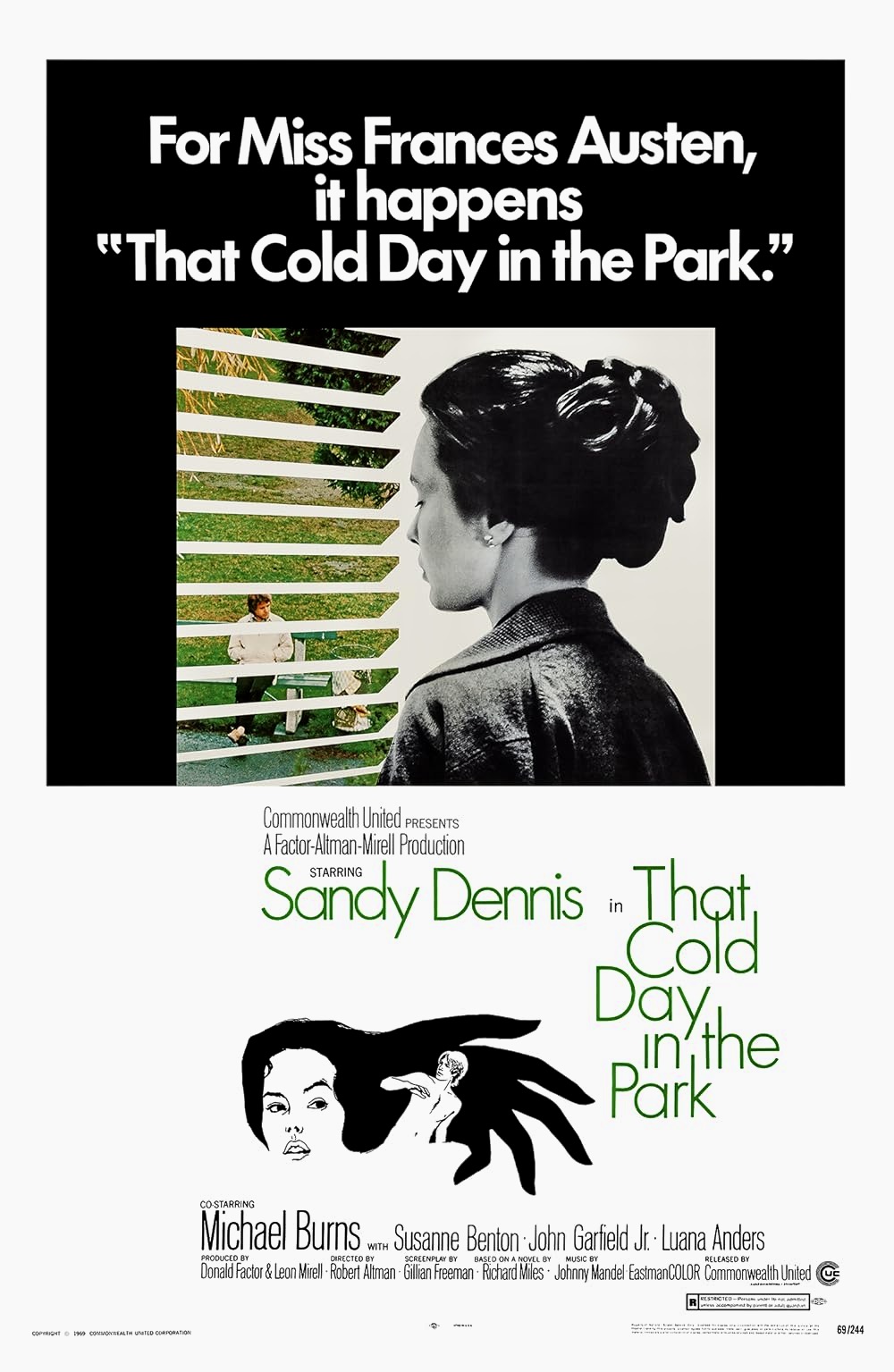
Most film critics and movie lovers point to Nashville (1975) as Robert Altman’s masterpiece, although I’ve always been partial to his unique spin on the Western, McCabe and Mrs. Miller (1971). I also admire an earlier film that he directed that was conspicuously absent or missing from his filmography in most of the obituaries on the director after he died. That Cold Day in the Park was made between Countdown (1967) and M*A*S*H* (1970) in 1969 and was based on a novel by Richard Miles. The screenplay was by British screenwriter Gillian Freeman, who had written the novel and film adaptation of The Leather Boys (1964), Sidney J. Furie’s drama about a troubled working class marriage and the husband’s friendship with a closeted gay biker.
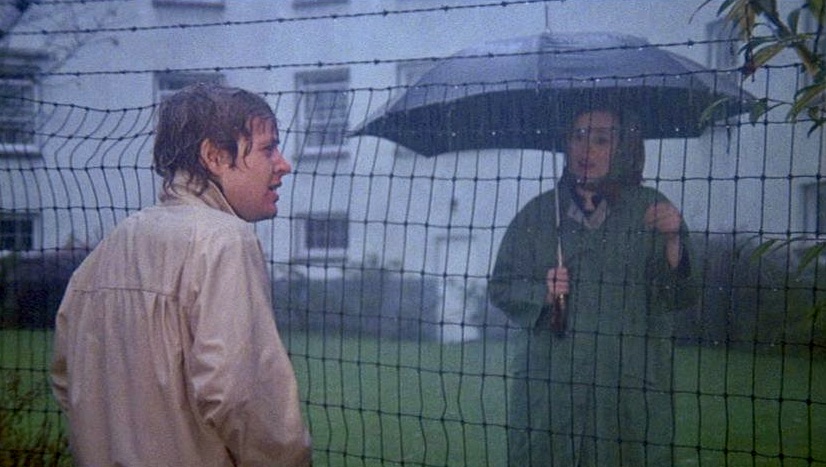
Frances (Sandy Dennis) invites a seemingly homeless man (Michael Burns) to her apartment to dry off from the rain in THAT COLD DAY IN THE PARK (1969), directed by Robert Altman.

A gender twist on John Fowles’s The Collector, That Cold Day in the Park stars Sandy Dennis as Frances Austen, a lonely spinster whose apartment overlooks a park in Vancouver. One wet, wintry day she spots a young man on a park bench who appears to be homeless. She invites him into her home to get warm but ends up encouraging him to stay. The fact that the stranger (Michael Burns) pretends to be mute only adds to the ensuing strangeness. His little joke backfires, however, when he arouses Dennis’s long-suppressed sexual feelings and becomes a prisoner in her apartment.

Continue reading
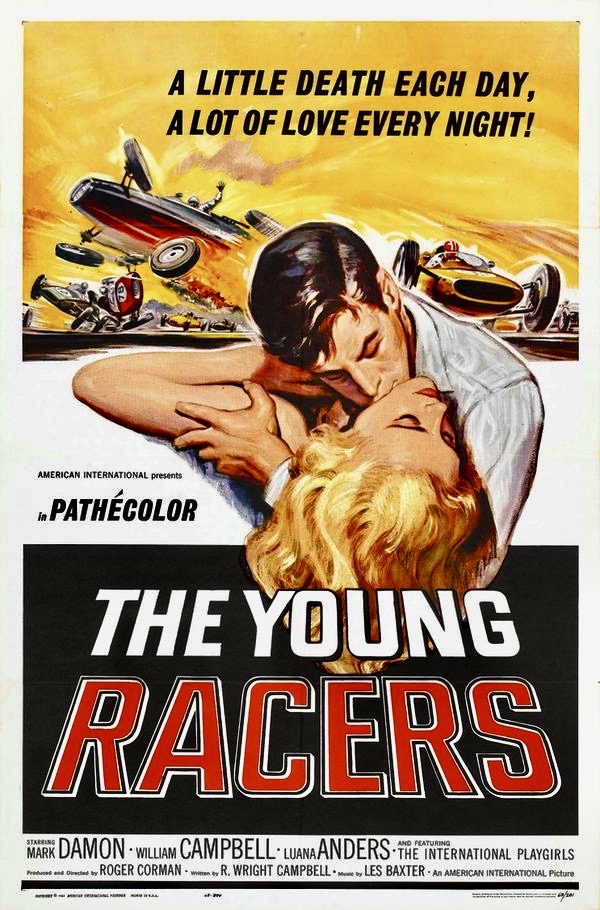

A Poor Man’s Grand Prix

In 1966 director John Frankenheimer, a race car enthusiast, was able to realize a long-cherished dream: to make a film about the Grand Prix racing circuit focusing on several drivers and their personal lives off the track. The result, Grand Prix, is still considered the ultimate racing film, due to its spectacular cinematography that puts the viewer in the driver’s seat with its Cinerama format, split-screen technique and immersive audio. According to the director, it cost about $10.5 million to make, was a box office hit and garnered three Oscars for Best Sound, Best Film Editing and Best Sound Effects. What many people failed to notice was that director Roger Corman had already made a film about the Grand Prix racing circuit three years earlier entitled The Young Racers (1963), which was made on location in Europe like Frankenheimer’s epic with exciting racing footage from Monte Carlo, Monaco, Rome, Rouen (France) and Spa (Belgium) and it cost less than half a million to make. Sure, it was a B-movie from American International Pictures (AIP) but it had a glossy, big budget look to it unlike the typical AIP product and it added some invocative twists to a formulaic genre film that often seemed influenced by the aesthetics of the French New Wave (Corman has always been a fan of European art cinema).

Continue reading

Art Direction by Antonio Gaudi

La Sagrada Familia, the iconic masterpiece by Catalan architect Antoni Gaudi in Barcelona, is still a work in progress after more than a century.

Anyone who has seen a few movies filmed in Barcelona, Spain, has undoubtedly caught a glimpse or maybe even a close-up of one of the architectural wonders created by Antoni (aka Antonio) Gaudi or one of his contemporaries such as Lluis Domenech I Montaner or Josep Puig I Cadafalch in the “Modernisme” movement of 1888-1911. This brief period resulted in awe-inspiring buildings and structures with designs based on organic forms or taken directly from nature – beehives, mushrooms, stalactites – that broke away from conventional design and accented curves and rich ornamentation (broken pieces of colorful ceramic tile worked into wall mosaics). This unique architectural style is an art director’s dream and a natural for the screen, which is why it has been the co-star in countless movies filmed in Barcelona such as Susan Seidelman’s Gaudi Afternoon (2001) and L’Auberge espagnole (2002), in which Gaudi’s still-in-progress La Sagrada Familia (it was started in 1883) is prominently featured.

Continue reading

Irving Lerner Double Feature

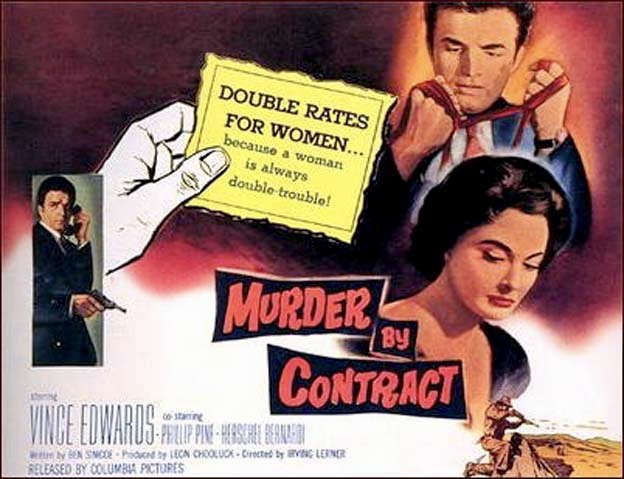
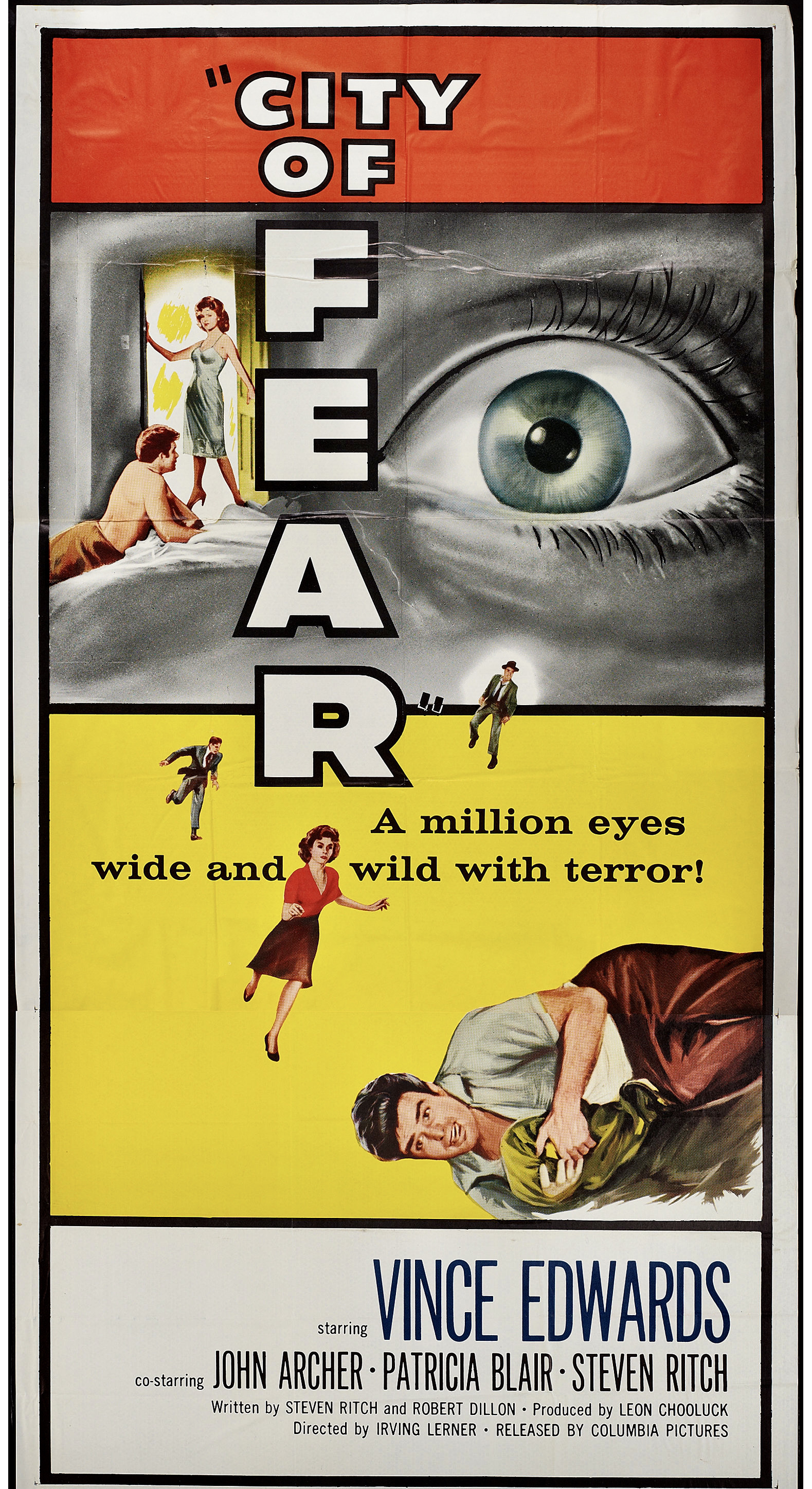
Irving who? The name may not be familiar to you but if you are a film noir fan, you might know the titles Murder by Contract (1958) and City of Fear (1959), two low-budget crime dramas, both of which star Vince Edwards. These were the third and fourth films in the filmography of Irving Lerner and the more famous of the two is Murder by Contract, which has often been championed by Martin Scorsese over the years. In recent years it has enjoyed wider exposure due to its release on DVD as well as retrospective screenings at events like the Noir City Film Festival, hosted by film noir expert Eddie Muller.  Murder by Contract is a tautly directed minor masterpiece with an exceptionally chilling performance by Edwards. He plays Claude, a coldly efficient hit man who likes to make a nice clean kill with no mess, no slip-ups, and no surprises due to poor planning – “I wasn’t born this way. I trained myself! I eliminated all personal feeling.” 

Continue reading

Turn On, Tune In, Drop Out

The Hippie movement of the mid-sixties, which first flourished in San Francisco’s Haight-Ashbury neighborhood, has rarely been captured accurately in Hollywood feature films but there have been a few exceptions and one of the most notable is Psych-Out (1968). Filmed on location in San Francisco by cinematographer Laszlo Kovacs, under the director of Richard Rush (The Stunt Man, 1980), the American-International release captures a moment in time as well as any documentary on the same subject. On a visual level, you couldn’t ask for a better snapshot of the period from the clothes to the hair styles to the social behavior and counterculture attitude. Even the now dated hipster jargon, some of which will make you cringe, seems true to the period. If only the musical acts featured had been less a top forty fabrication than the real thing (Only The Seeds have any credibility among the groups on display), Psych-Out might have had a more significant impact upon its release.

Continue reading

The Monkees’ Film Debut

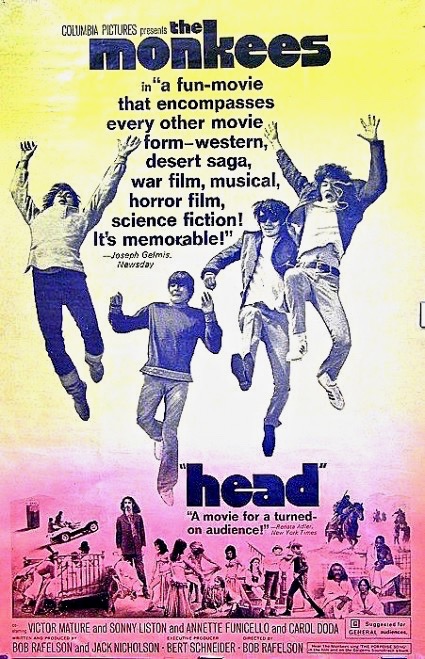
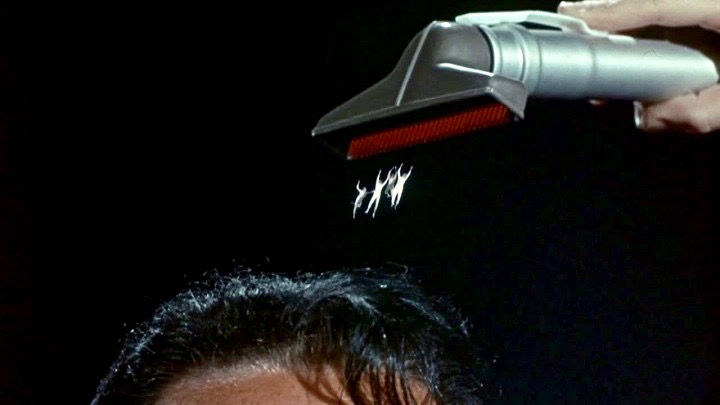
It sounds like someone’s LSD flashback. Frank Zappa, boxer Sonny Liston, Annette Funicello, female impersonator T.C. Jones, San Francisco’s legendary topless dancer Carol Doda and other cult celebrities appear in a movie co-scripted by Jack Nicholson and directed by Bob Rafelson (Five Easy Pieces, 1970) that showcases the TV-created pop band The Monkees in the leading roles, who in one scene play dandruff in Victor Mature’s hair. Entitled Head (1968), this Cuisinart-puree of pop culture infused with anti-establishment posturing and served up in the then-current style of a trippy experimental film could only have happened in the late sixties when Hollywood studios were in a try-anything phase to capture the rapidly receding youth market.

The Monkees get to play dandruff in Victor Mature’s hair in Head (1968), directed by Bob Rafelson.

Continue reading

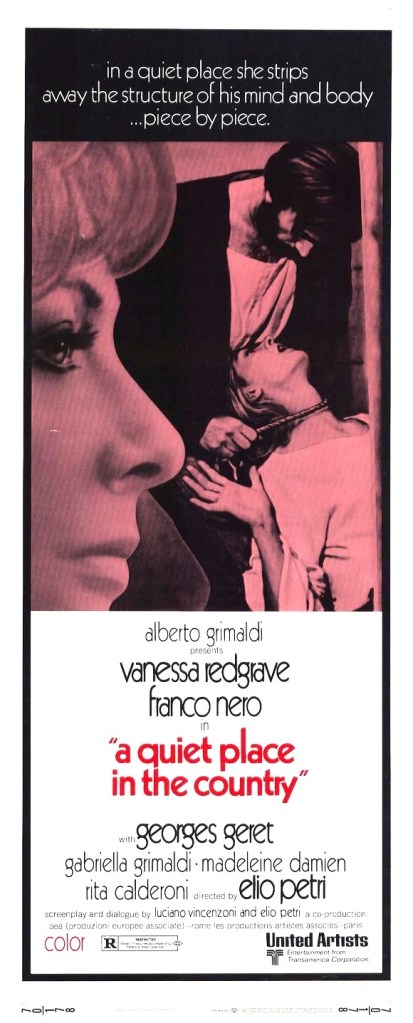
Elio Petri’s Portrait of the Artist as Mental Patient

Italian director Elio Petri is probably best known for Investigation of a Citizen Above Suspicion (1970), which won the Oscar for Best Screenplay (by Petri and Ugo Pirro) in 1972. Yet, most of his other work, with the possible exception of the cult sci-fi satire The 10th Victim (1965), remains overlooked or forgotten when film historians write about the great Italian directors of the sixties and seventies. And 1968’s A Quiet Place in the Country (Un Tranquillo Posto di Campagna) is easily one of his most intriguing and visually compelling films.

Continue reading

The Films of Richard Rush: An Interview

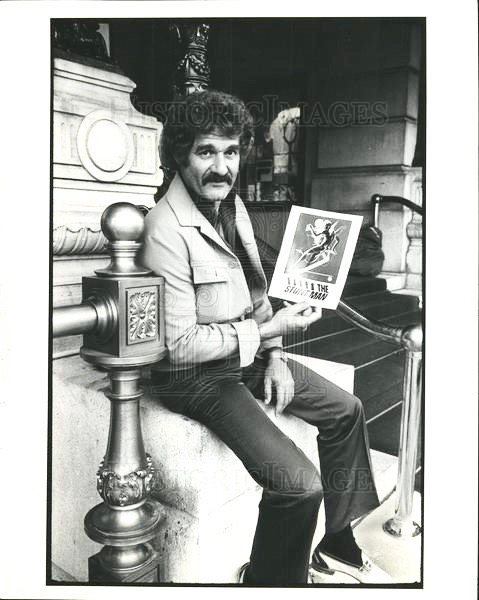
Director Richard Rush poses with a flyer for his most famous film, The Stunt Man

Richard Rush has had his ups and downs in the unpredictable world of Hollywood. His more than three decades of filmmaking have included memorable collaborations with such fellow industry legends as Jack Nicholson and cinematographer Laszlo Kovacs as well as long, arduous years in development hell. It took ten years for The Stunt Man to finally reach the screen. Despite it all, Rush remains an eternal optimist with a wonderful sense of humor, genuine love for his craft and a steadfast loyalty to his cast and crew members. The following interview was conducted in April 2010 just prior to the first TCM Classic Film Festival where The Stunt Man was screened and covers some of his films and experiences in the movie business.

Continue reading