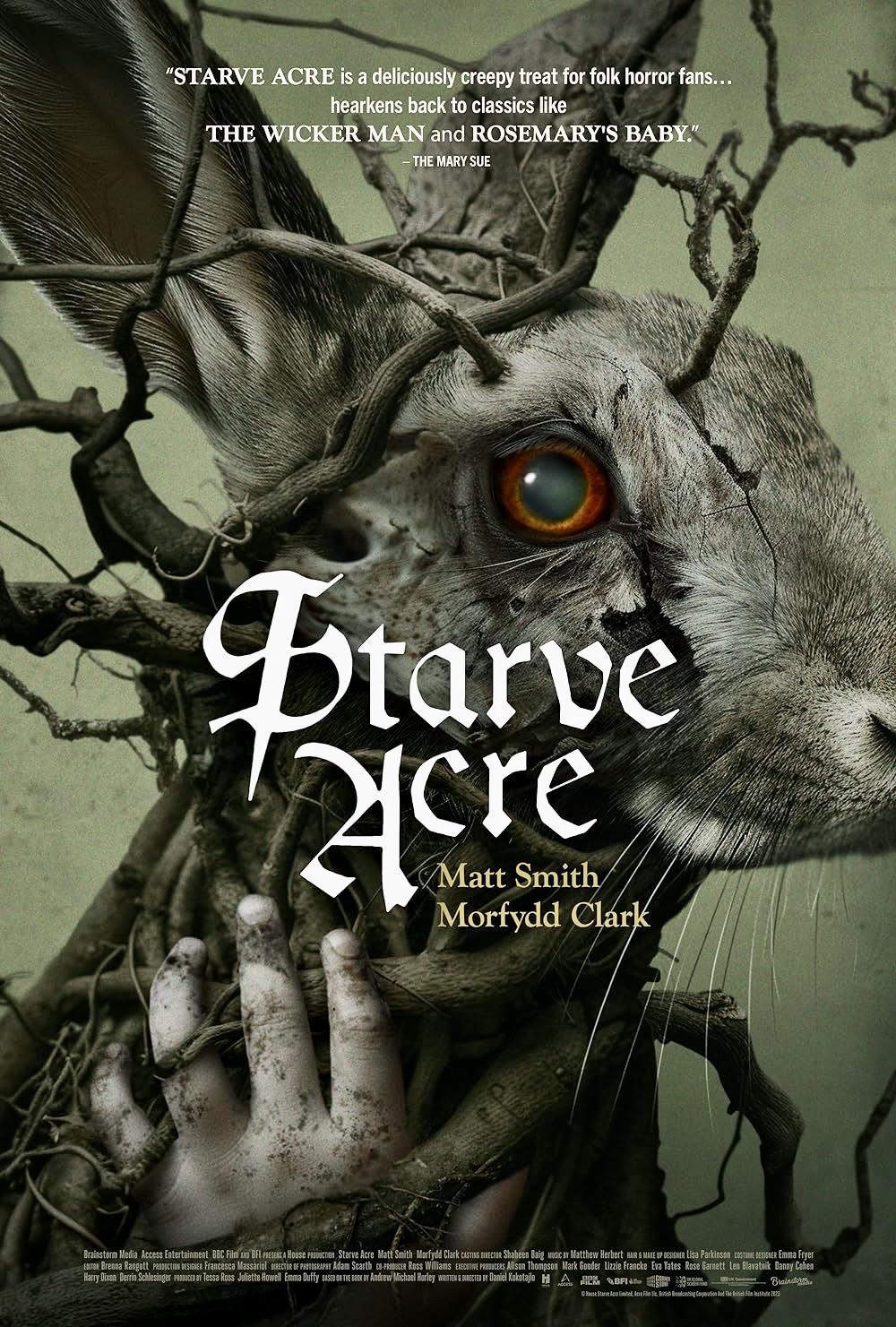
Folk horror has enjoyed a revival of popularity in recent years as evidenced by the release of two impressive Blu-ray box sets from Severin Films All the Haunts Be Ours: A Compendium of Folk Horror Volumes 1 & 2 as well as such theatrical releases as Ari Aster’s Midsommar (2019), Kate Dolan’s You Are Not My Mother (2021) and Danny & Michael Philippou’s Talk to Me (2022). Starve Acre (2023), based on a 2019 novel by British author Andrew Michael Hurley, definitely falls into this category but, more importantly, it harkens back to the great folk horror flicks of the seventies like The Blood on Satan’s Claw (1971) and The Wicker Man (1973). In fact, it even takes place during that time period. The ominous rural setting and gloomy atmosphere also set it apart from anything taking place in the 21st century and creates a mounting sense of dread that gets under your skin.
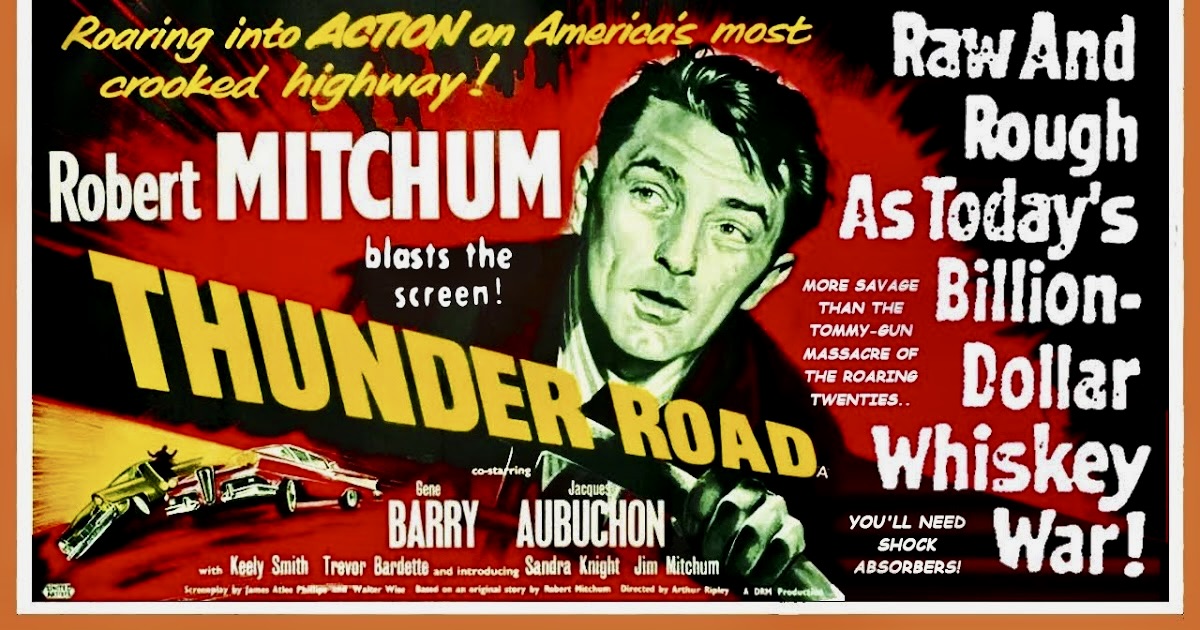
One of the all-time great drive-in movies and probably the best film you’ll ever see about Tennessee moonshiners and their midnight runners, Thunder Road (1958) is an impressive achievement for Robert Mitchum. He wrote the original story, produced the film, and starred in it. He also wrote “Whippoorwill,” (It is performed in the film by Keely Smith, an ex-wife and former singer for Louis Prima and his band), sang the title song “The Ballad of Thunder Road” on the 45 hit single (but not the film – Randy Sparks sings it on the soundtrack) and chose his real-life son Jim to play his brother in the film! One thing Robert Mitchum didn’t do, however, was drive his car into those killer power lines at the film’s electrifying climax. That job fell to stunt driver Carey Loftin.
Movies about dog owners and their canine companions have always been a popular cinema subgenre, especially in recent years as witnessed by such feel good entertainments as Arthur the King (2024), Dog (2022), Togo (2019), Megan Leavey (2017) and A Dog’s Purpose (2017). Taking an entirely different approach to family dramas like these is the 2024 Chinese film, Gouzhen (English title: Black Dog), an unsentimental, tough love tale about two pariahs in an economically depressed wasteland; one is a former prisoner returning to his village, the other is a stray dog suspected of carrying rabies. With their feisty distrust of other people, the two prove to be kindred spirits and form an unlikely bond in Guan Hu’s sparse drama of survival and redemption. In some way, the man and the dog are mirror images of each other in that they both function as lone wolves.
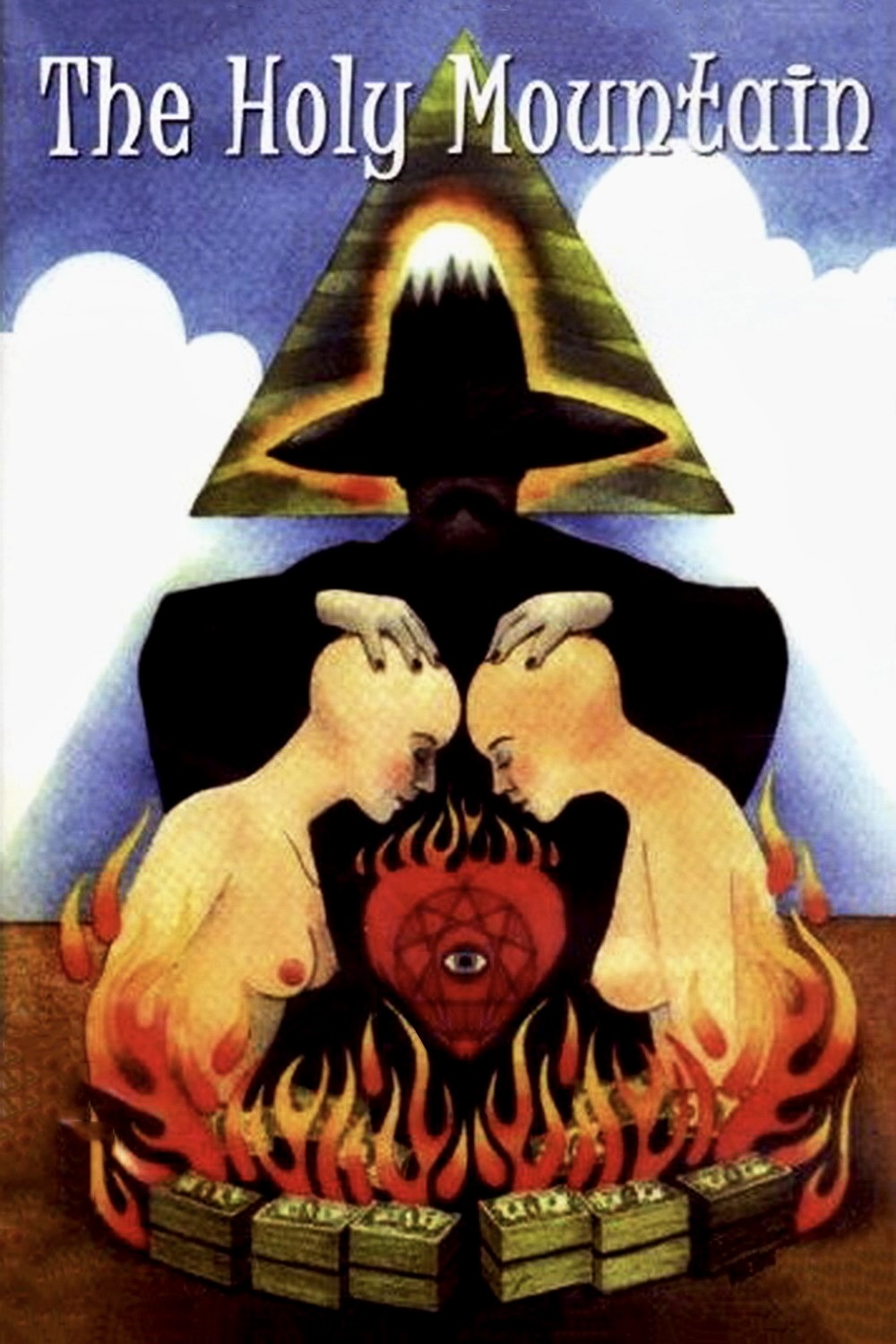
A poster of the 1973 Mexican film THE HOLY MOUNTAIN, directed by Alejandro Jodorowsky.
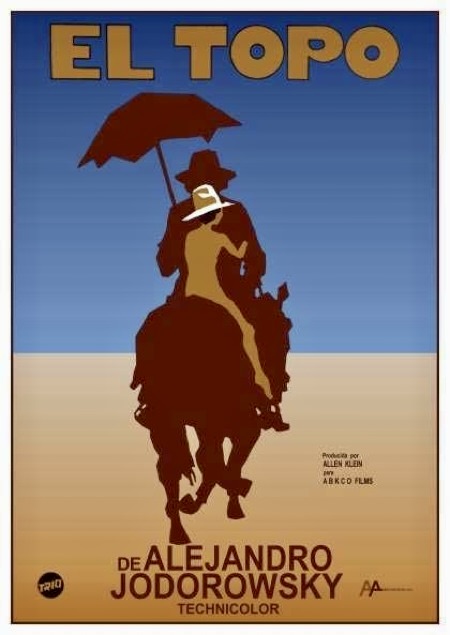
Remember when midnight movies were popular with young moviegoers in the 18 to 25 age range in the early seventies? It was the Elgin theater in New York City which helped launch this cultural phenomenon with late night screenings of offbeat and unusual films. Some of the early discoveries which went on to become bona fide cult hits were Night of the Living Dead (1968), Harold and Maude (1971), Pink Flamingos (1972), The Harder They Come (1972), The Rocky Horror Picture Show (1975) and Eraserhead (1977)? Before any of these movies became perennial fan favorites, however, Alejandro Jodorowsky’s El Topo (1970) was the first one to fly its freak flag and is generally acknowledged as the first midnight movie to prove there was a younger generation hungry for alternative viewing experiences The film, in which a mysterious desert nomad must prove himself against four master gunmen and then rescue a community of disabled people from an evil tyrant, played at the Elgin for almost a year due to an enthusiastic word of mouth campaign. What should have enjoyed the same success as El Topo was Jodorowsky’s follow-up film, The Holy Mountain (1973), but due to a disagreement over ownership rights between the filmmaker and the distributor Allen Klein (manager of The Beatles at the time), it was restricted to playing only New York’s Waverly Theater for a specific period of time and then withdrawn from distribution for almost 34 years. It finally resurfaced in a restored print at Cannes in 2006 and then premiered on DVD in 2007 but its absence on the midnight movie scene in the seventies led many cinephiles to assume that The Holy Mountain was not equal to El Topo. If anything, I think The Holy Mountain is much more audacious, bizarre, provocative and visually dazzling than anything Jodorowsky has made before or since.
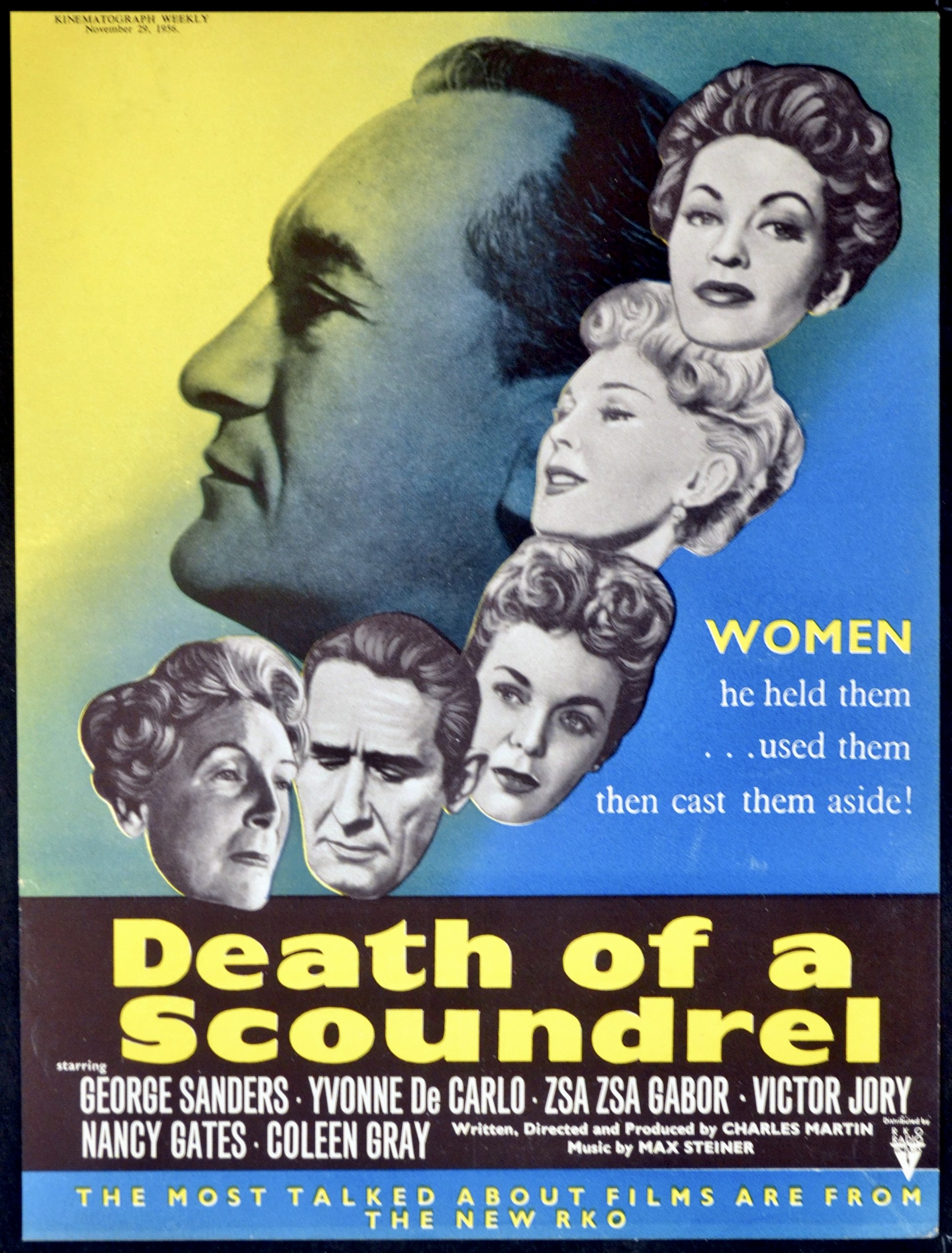
Imagine Citizen Kane (1941) on a miniscule budget with a much more ruthless and totally despicable protagonist and you have Death of a Scoundrel (1956), a contemporary take on The Rake’s Progress. Like the former film, it was shot on the RKO backlot and unfolds in a flashback structure, starting with Bridget Kelly (Yvonne De Carlo), personal assistant to self-made tycoon Clementi Sabourni (George Sanders), revealing to the police the circumstances that led to the millionaire’s murder. “He was the most hated man on earth,” she declares, “But he could have been one of the great men in history. He was a genius.”
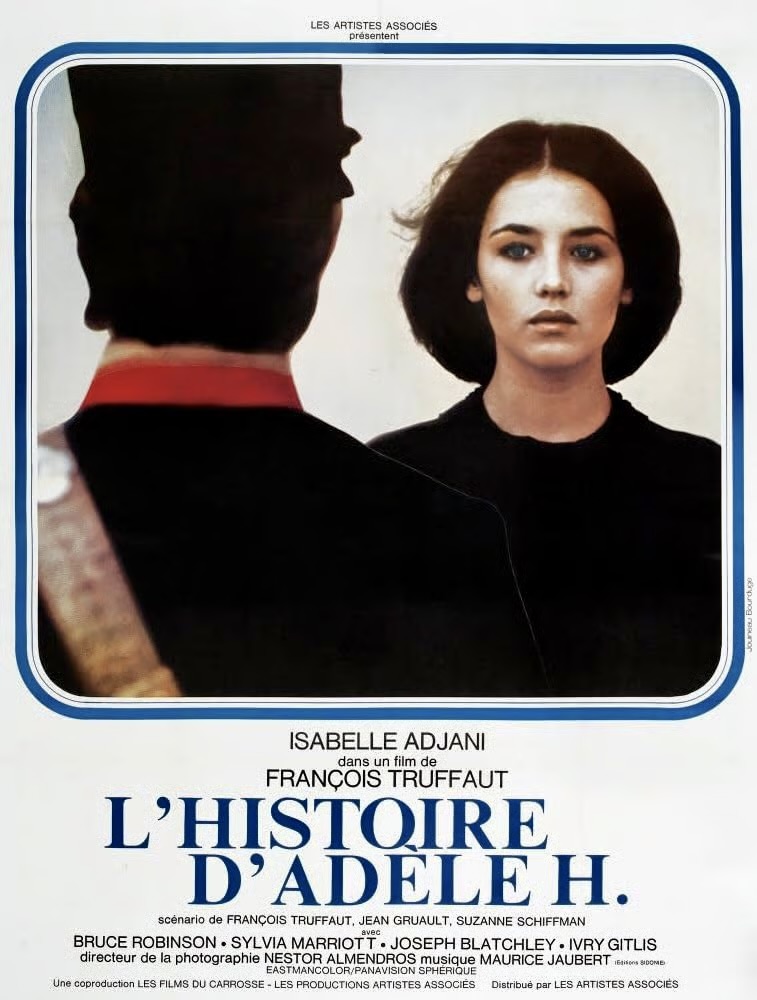
The French film poster for THE STORY OF ADELE H. (1975)
Francois Truffaut is one of those directors whose career peaked early with the phenomenal semi-autobiographical debut film The 400 Blows in 1959 at the dawn of the Nouvelle Vague and followed it with two more masterworks – Shoot the Piano Player (1960) and Jules and Jim (1962). The next ten years were more erratic with some successes like Stolen Kisses [1968] and The Wild Child [1970] and several disappointments, which were either box office flops (Fahrenheit 451 [1966]) or poorly received by French critics such as The Bride Wore Black [1968]. Then he revived his career and critical standing with two masterpieces in a row, Day for Night (1973) and The Story of Adele H. (1975). The former was a delightful, audience-pleasing homage to moviemaking which was nominated for four Oscars (and won for Best Foreign Language Film) but the latter was a much darker affair, based on real events, and focused on an obscure literary figure, Adele Hugo, the fifth and youngest child of Victor Hugo, who was one of France’s most famous writers and poets.
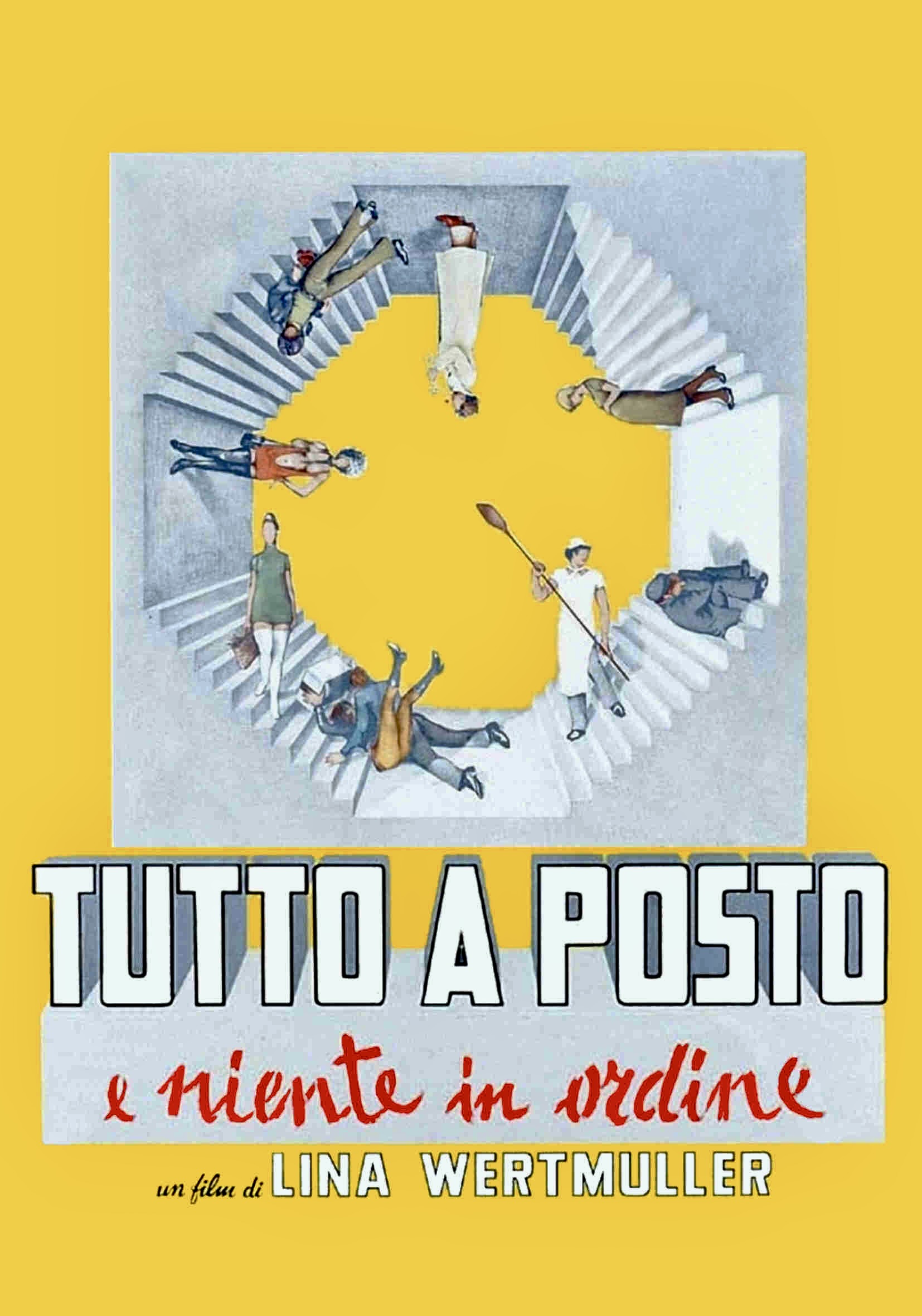
The Italian film poster for ALL SCREWED UP (1974), directed by Lina Wertmuller
Gigi and Carletto are two naïve country bumpkins who, like many others from rural Italy and southern regions like Sicily, have come to the northern city of Milan to seek their fortunes. They soon fall in with other recent arrivals to the city seeking work and eventually set up a communal living situation in an abandoned apartment with others. Both men have big dreams and expectations but the reality is quite different from what they imagined and they fall prey to the city’s corrupting influences. It is a familiar scenario that you have probably seen in numerous other movies but director Lina Wertmuller gives it her own unique spin in Tutto a posto e niente in ordine (English title: All Screwed Up, 1974), an exuberant, gleefully crude satire that uses broad comedy and eccentric characters to magnify the myriad problems of Italy during the early 70s. This is her idiosyncratic contribution to Commedia all’italiana, a genre of comedic social commentary first created by Mario Monicelli and Pietro Germi in the late fifties/early sixties with such films as Big Deal on Madonna Street (1958) and Divorce Italian Style (1961), satires where serious themes like poverty, unemployment, marital woes and economic hardships are treated in a lighthearted style.
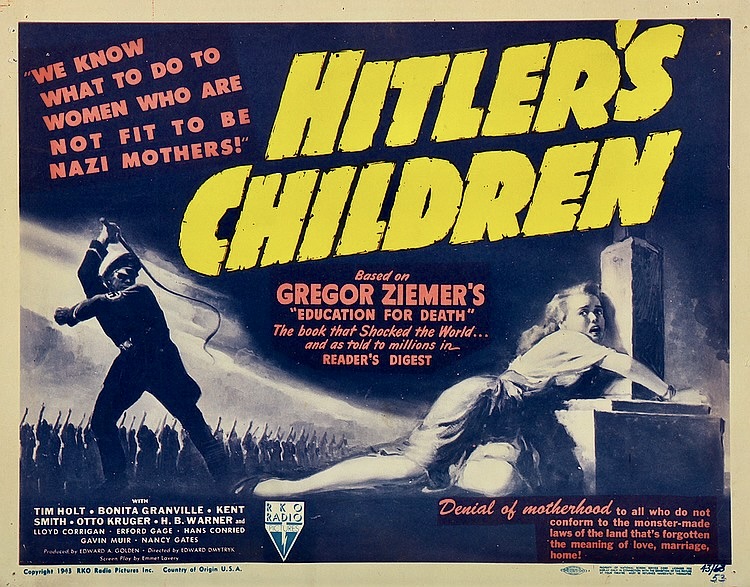
You’d expect a film with a title like Hitler’s Children (1943) to be an exploitation picture, not a prestige production and you wouldn’t be wrong in most respects. But this sensationalistic melodrama about a Nazi youth and his American girlfriend struck a resonant chord with audiences of its era, making it the highest grossing film of all time for RKO Studios, surpassing even the box office receipts of King Kong (1933) and Top Hat (1935).
Everyone has their favorite family vacation horror story but this one takes the prize. In Jeopardy (1953), Barry Sullivan and Barbara Stanwyck play a married couple traveling with their small son (Lee Aaker) along the Mexican coast. After scouting for an ideal location for their fishing trip, they set up camp near a deserted village. The little boy wastes no time exploring his surroundings and promptly gets stranded on a derelict pier. When his father attempts a rescue, he falls beneath the rotting timbers and is pinned in the sand. High tide is just a few hours away and so is certain death unless Stanwyck can find a rescue party for her husband. She races off in the family car to seek help and is apprehended by Ralph Meeker, an escaped convict who commandeers her vehicle with no interest in saving Stanwyck’s husband.
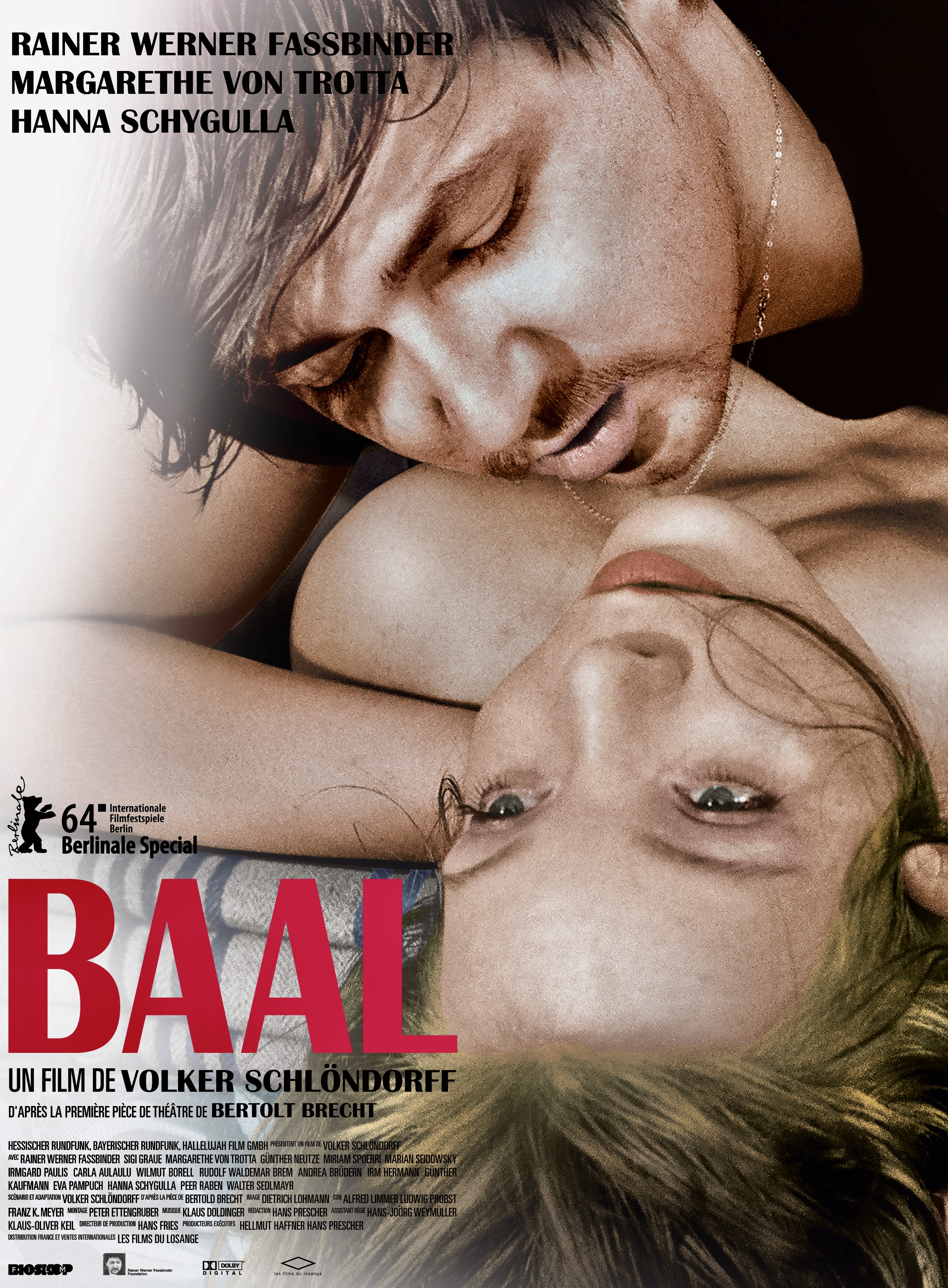
People tend to forgive artistic geniuses for their human imperfections when their talent is so monumental – this could also apply to any super-celebrity with landmark achievements in any field from sports to politics to music – but at a certain point, there is a limit to what society will tolerate. The protagonist of Baal, a 1970 film adaptation of the Bertolt Brecht play, is the embodiment of this. A former office clerk turned itinerant poet and musician, Baal’s work propels him to the level of a literary icon, beloved by the intelligentsia and the common man. He could care less because he hates everything, including the society that helped shape his talent. More importantly, he hates himself and that self-destructive urge informs his every act, making him one of the most nihilistic and anti-social characters even conceived for the stage or screen.



 Cinema Sojourns