In Their Own Words: Actors on Film Flops and Disappointments

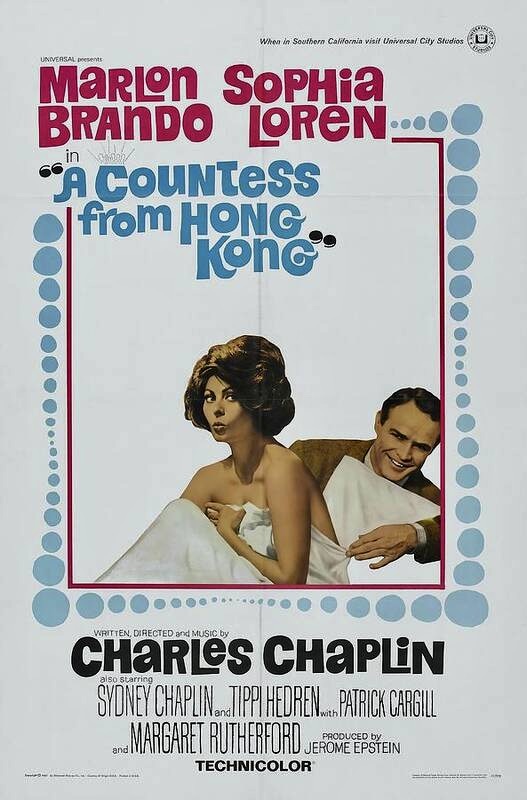
Nobody sets out to make a bad movie. Why would they? Not only is it a colossal waste of money but it will remain on the permanent record of everyone associated with it. Still, there are factors that no one can control and sometimes an actor makes a movie with the best intentions that the critics hate, audiences avoid like the plague or conflicts during production doom it to failure.  Here are 15 well documented examples including Marlon Brando (A Countess from Hong Kong), Shelley Winters (Knickerbocker Holiday), Richard Widmark (Slattery’s Hurricane), Beverly Garland (Swamp Women and Stark Fear), Bruce Dern (The Incredible 2-Headed Transplant), Ava Gardner (The Bible…In the Beginning), Christopher Plummer (The Royal Hunt of the Sun), Ida Lupino (The Hard Way), Tony Curtis (Son of Ali Baba), Sally Kellerman (Reform School Girl), Ernest Borgnine (The Devil’s Rain), Raquel Welch (Myra Breckinridge), Warren Oates (Chandler), Joan Shawlee (Prehistoric Women) and Vincent Price (Green Hell).

Continue reading
A Poor Man’s Grand Prix

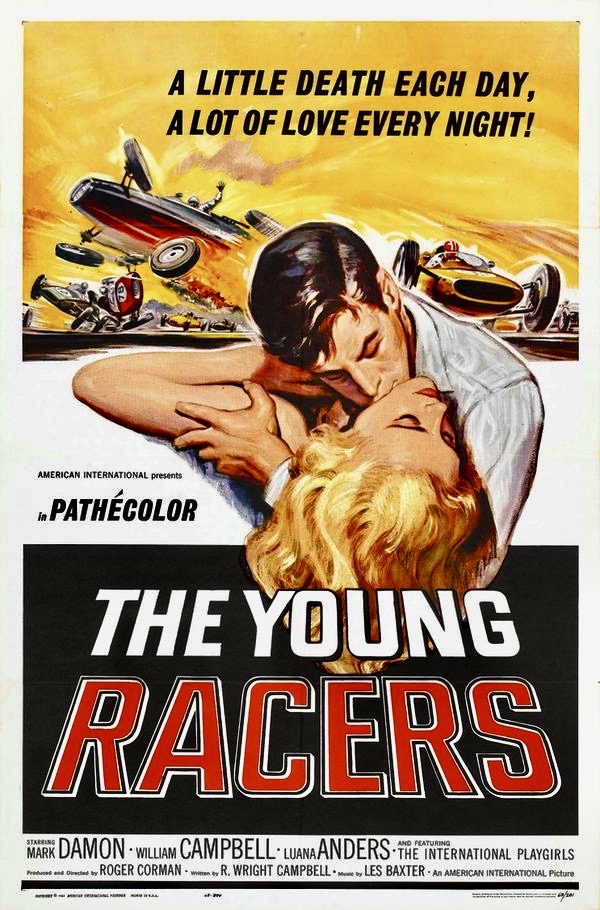
In 1966 director John Frankenheimer, a race car enthusiast, was able to realize a long-cherished dream: to make a film about the Grand Prix racing circuit focusing on several drivers and their personal lives off the track. The result, Grand Prix, is still considered the ultimate racing film, due to its spectacular cinematography that puts the viewer in the driver’s seat with its Cinerama format, split-screen technique and immersive audio. According to the director, it cost about $10.5 million to make, was a box office hit and garnered three Oscars for Best Sound, Best Film Editing and Best Sound Effects. What many people failed to notice was that director Roger Corman had already made a film about the Grand Prix racing circuit three years earlier entitled The Young Racers (1963), which was made on location in Europe like Frankenheimer’s epic with exciting racing footage from Monte Carlo, Monaco, Rome, Rouen (France) and Spa (Belgium) and it cost less than half a million to make. Sure, it was a B-movie from American International Pictures (AIP) but it had a glossy, big budget look to it unlike the typical AIP product and it added some invocative twists to a formulaic genre film that often seemed influenced by the aesthetics of the French New Wave (Corman has always been a fan of European art cinema).

Continue reading

Pinko Paranoia

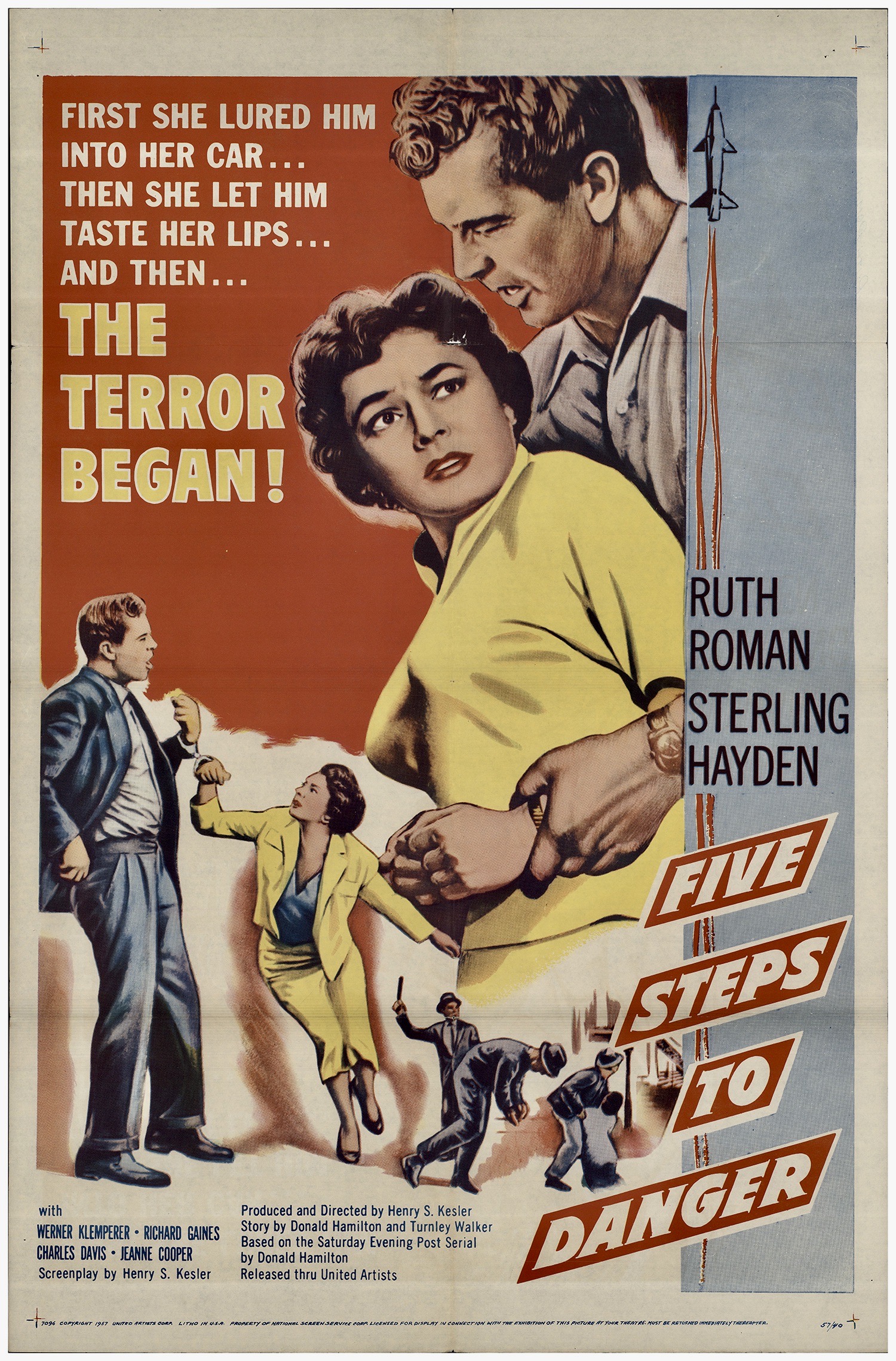
Only two years after WW2 officially ended on September 2, 1945, relations between the United States and the USSR cooled and became frosty, ushering in The Cold War era, which lasted until the dissolution of the Soviet Union on December 26, 1991. Hollywood was quick to capitalize on this disturbing new reality by producing and releasing a string of anti-communist dramas, adventures and spy thrillers, many of them grade A productions with major stars from the top studios. One of the earliest releases was The Iron Curtain (1948) from 20th-Century-Fox, which was directed by William A. Wellman and reunited Dana Andrews and Gene Tierney from Laura in a true life story about a Soviet defector in Canada. Many others followed such as The Red Danube (1949) and Conspirator (1949) from MGM, Diplomatic Courier (1952) with Tyrone Power battling Soviet agents in post-war Europe and Leo McCarey’s infamous red scare melodrama, My Son John (1952). Even John Wayne got on the patriotic bandwagon and sounded off against the commies in Big Jim McLain (1952) from United Artists, Blood Alley (1955) from Warner Brothers, and Jet Pilot (1957) from RKO. All of these, however, were high profile releases compared to 5 Steps to Danger (1957),  a modest but highly entertaining indie feature from Grand Productions (distributed by United Artists), which teamed up Sterling Hayden and Ruth Roman.

Continue reading

Little Demons

DON”T BE AFRAID OF THE DARK 1973 starring Kim Darby & Jim Hutton

“We Want You Sally….We Want You….Come to Us!” 

For those who first saw Don’t Be Afraid of the Dark at a young impressionable age when it originally aired on ABC in 1973, those maniacal, whispering voices of the little demons have probably stayed with you and so has this creepy little made-for-TV movie that has one of the more memorable endings of any haunted house genre picture. 

Continue reading

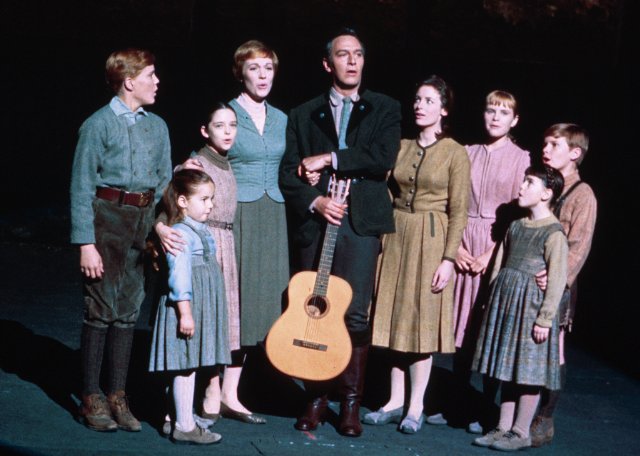
Christopher Plummer: The Von Trapp Who Didn’t Want to Sing

Christopher Plummer, out of his element and comfort zone in The Sound of Music (1965)

Christopher Plummer, out of his element and comfort zone in The Sound of Music (1965)

In interviews over the years Christopher Plummer would often jokingly refer to The Sound of Music as “The Sound of Mucus” or “S&M” but one can easily understand why he’d rather talk about almost any other film or theater production in his career because that 1965 blockbuster film was really a showcase for Julia Andrews. Plummer’s role as Captain Von Trapp was, in his own words, “very much a cardboard figure, humourless and one-dimensional.” Even though screenwriter Ernest Lehman collaborated with Plummer on improving the part, Captain Von Trapp was not destined to be one of the actor’s favorite roles. And having to sing was another drawback for him. As he confessed in his memoirs, he was “untrained as a singer. To stay on a long-sustained note was, for me, akin to a drunk trying to walk the straight white line…”    Continue reading