Edwardians at Play

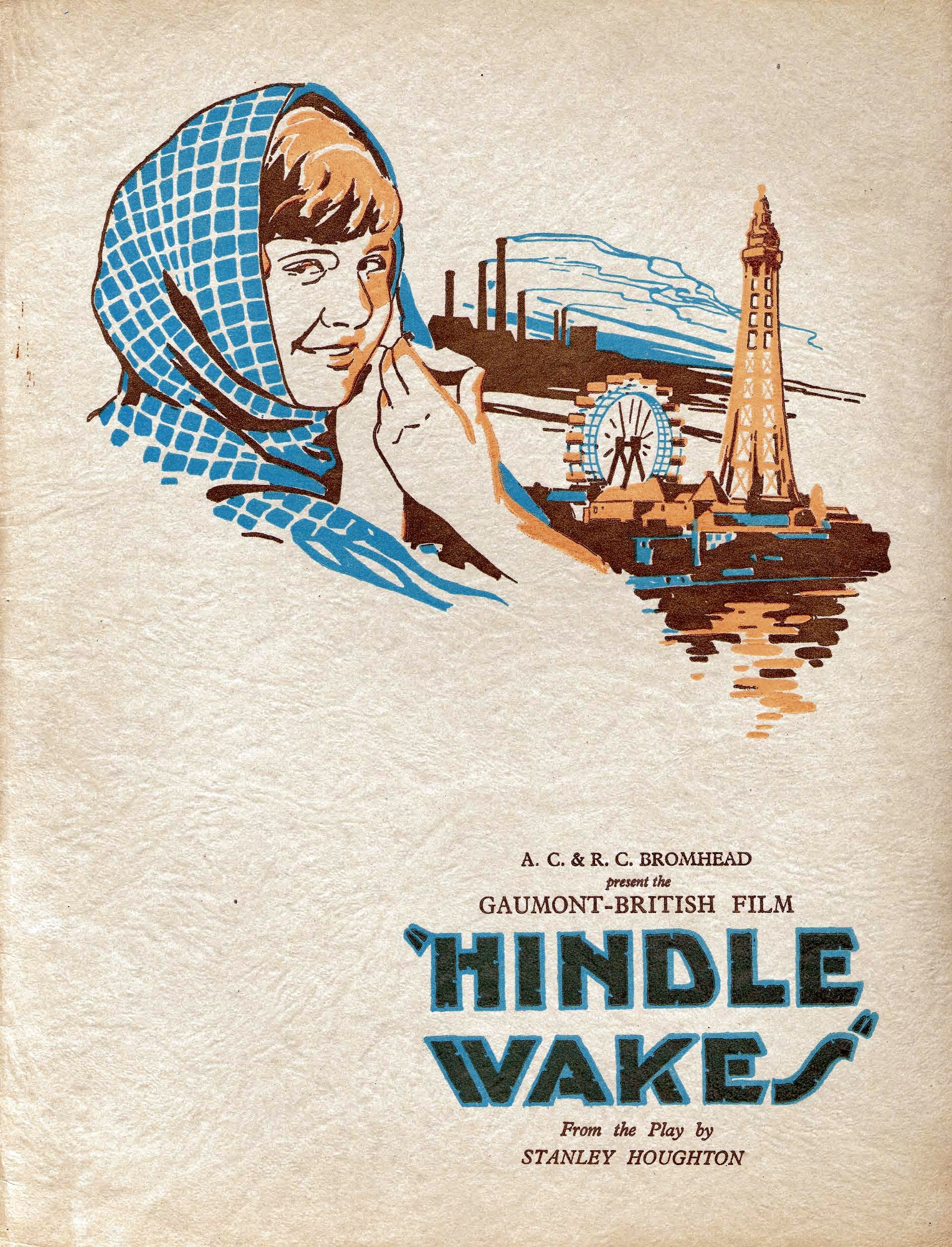
The year is 1910 and you work in a factory in the North West region of England where you are given a week off every year. So where do you take your vacation? During the Edwardian era, most working class people preferred to spend their leisure time at the seashore and Blackpool was one of the most popular resort towns for the working class. Frolicking in the surf, fairground rides, penny arcade amusements, live entertainment/musical revues, and the famous lights of Blackpool were all part of the attraction along with affordable lodgings and restaurants. It was only natural that such a popular destination would become the setting for one of the most famous British plays of the 20th century. Hindle Wakes, written by Stanley Houghton, was first performed on the stage in 1912 and would go on to enjoy numerous film and TV adaptations in the subsequent decades. Maurice Elvey would direct two silent versions (one in 1918, the other in 1927), a 1931 sound version was directed by Victor Saville and a remake entitled Holiday Week appeared in 1952 while TV versions premiered in 1947 (featuring Wendy Hiller as the heroine), 1950, 1957 and 1976 (co-directed by June Howson and Laurence Olivier). Of all the versions, however, most film critics and movie historians tend to favor Hindle Wakes aka Fanny Hawthorne, the 1927 adaptation spotlighting American actress Estelle Brody in possibly her most famous role.

Continue reading
The Cinema Legend You Don’t Know

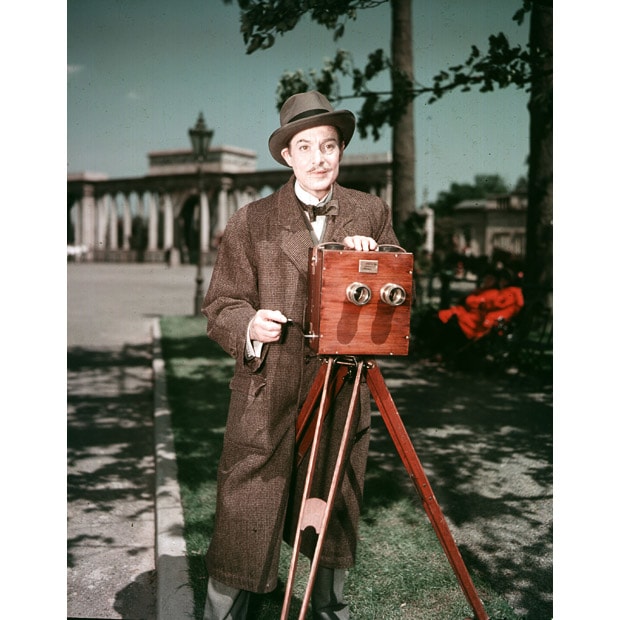
Robert Donat plays film pioneer William Friese-Greene in The Magic Box (1951), directed by John Boulting.

Robert Donat plays film pioneer William Friese-Greene in The Magic Box (1951), directed by John Boulting.

In the annals of forgotten inventors, unsung geniuses and visionaries who have fallen through the cracks of time, William Friese-Greene should be near the top of the list. Even though his gravestone bears the inscription, “The Inventor of Kinematography,” his reputation as an early film pioneer is still challenged by some movie scholars while others believe he was a victim of bad luck and deserved the credit and fame that others like Thomas Edison enjoy today. The Magic Box (1951), directed by John Boulting, favors the latter view and was one of the most prestigious productions of its year. It was produced exclusively for the Festival of Britain, a national exhibition that opened in London in May 1951 and marked the centenary of the 1851 Great Exhibition.   Continue reading

Christopher Plummer: The Von Trapp Who Didn’t Want to Sing

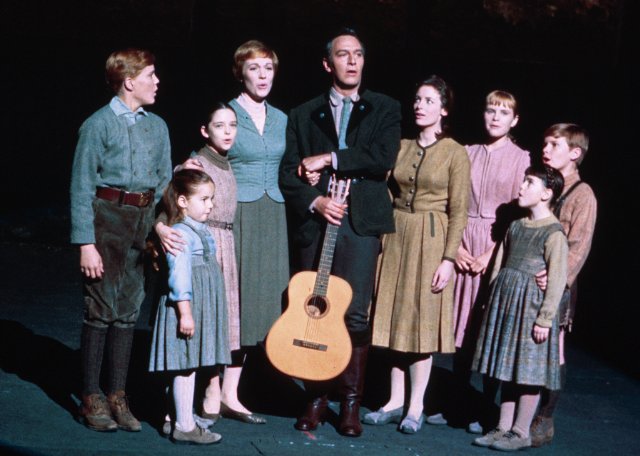
Christopher Plummer, out of his element and comfort zone in The Sound of Music (1965)

Christopher Plummer, out of his element and comfort zone in The Sound of Music (1965)

In interviews over the years Christopher Plummer would often jokingly refer to The Sound of Music as “The Sound of Mucus” or “S&M” but one can easily understand why he’d rather talk about almost any other film or theater production in his career because that 1965 blockbuster film was really a showcase for Julia Andrews. Plummer’s role as Captain Von Trapp was, in his own words, “very much a cardboard figure, humourless and one-dimensional.” Even though screenwriter Ernest Lehman collaborated with Plummer on improving the part, Captain Von Trapp was not destined to be one of the actor’s favorite roles. And having to sing was another drawback for him. As he confessed in his memoirs, he was “untrained as a singer. To stay on a long-sustained note was, for me, akin to a drunk trying to walk the straight white line…”    Continue reading