Don’t Stop for Strangers!

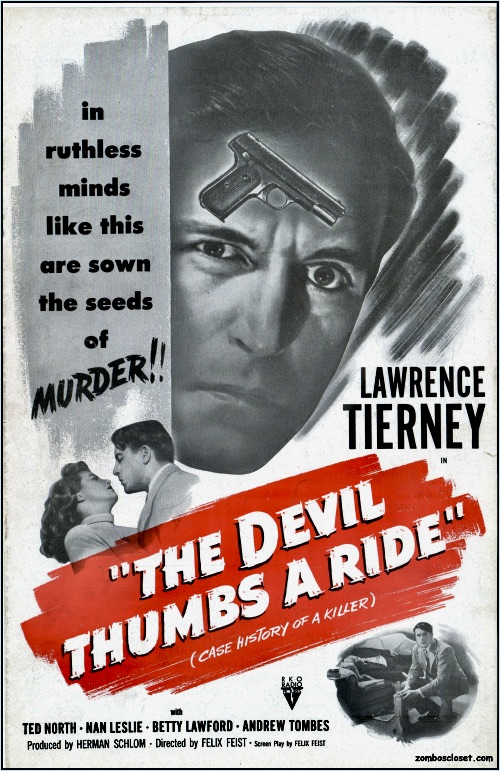
Is there anybody meaner than Lawrence Tierney on the screen? Sure, James Cagney was a bad-ass, shoving a grapefruit into Mae Clarke’s face in The Public Enemy or knocking Virginia Mayo off a chair in White Heat. And Bogart could be equally cold-blooded in films like The Petrified Forest and The Treasure of the Sierra Madre. But Tierney is like a rabid dog in comparison, sparing no one, not even himself, from violent death, and The Devil Thumbs a Ride (1947) is a perfect example of his menacing screen persona.

Continue reading

Master of Hung Gar

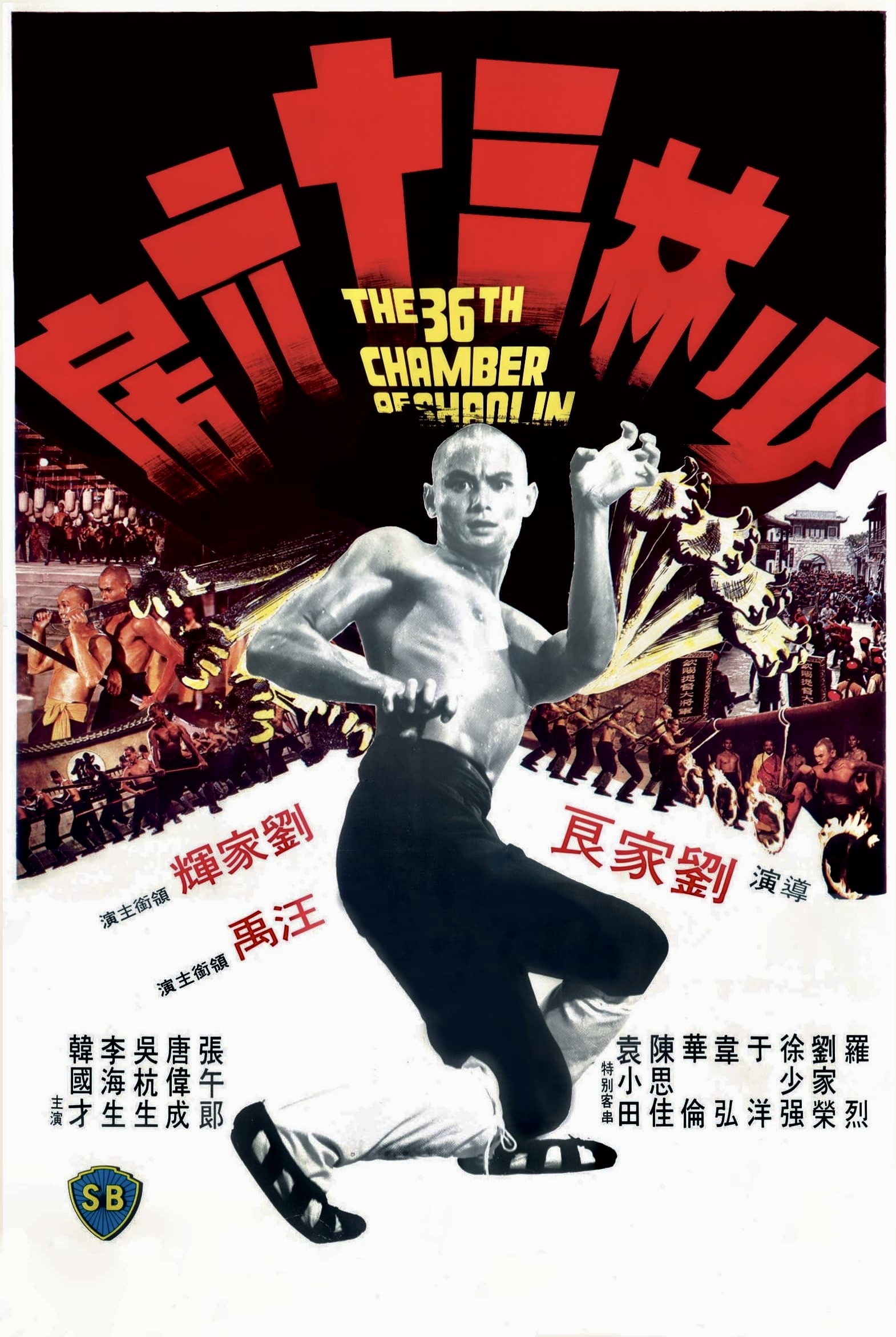
Did you know that there are more than 180 styles of martial arts practiced around the world and that includes karate, judo and other similar forms? Many experts trained in Chinese martial arts generally agree that one of the oldest forms of this practice and the most difficult to master is the Hung Gar style which can be traced back to the 17th century. That is also the time period featured in Shao Lin sans hi liu fang (English title: The 36th Chamber of Shaolin aka Master Killer aka Shaolin Master Killer, 1978). The film, directed by former actor Chia-Liang Liu (aka Lau Kar-Leung), is considered one of the cornerstones of Hong Kong martial arts cinema and it showcases the fluid movements and balletic grace of the Hung Gar style as practiced by its star, Chia-Hui Liu aka Gordon Liu.

Continue reading

City Unplugged

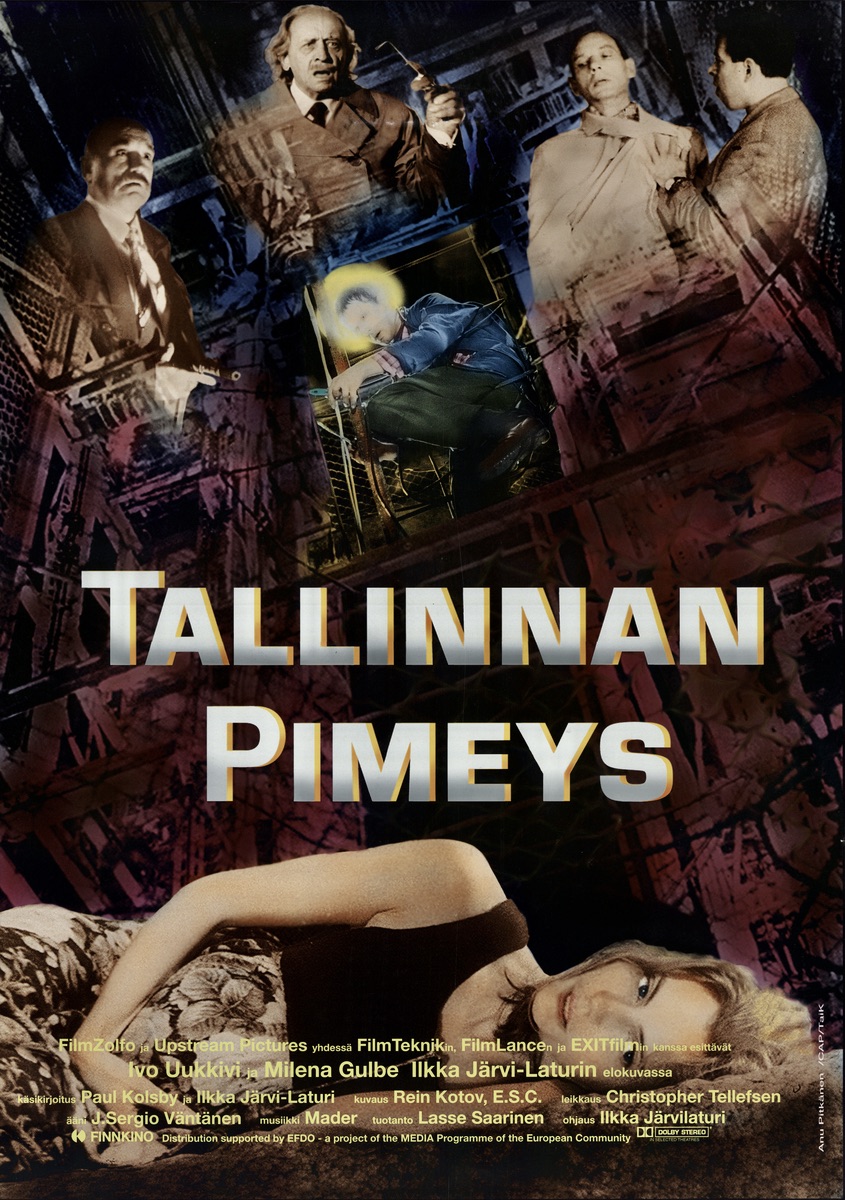
The film poster for the Estonian crime caper film CITY UNPLUGGED (1993).

Movies about an ingenious heist or an elaborately staged robbery always come with set expectations from genre enthusiasts. Can they meet or surpass the gold bar standard set by earlier classics such as John Huston’s The Asphalt Jungle (1950), Jules Dassin’s Rififi (1955), or Stanley Kubrick’s The Killing (1956) for example? Tallinn Pimeduses (English title: City Unplugged, aka Darkness in Tallinn 1993), directed by Estonian filmmaker IIkka Jarvi-Laturi, might not ever attain the iconic status of those efforts but that doesn’t mean it isn’t a worthy addition to the genre. If anything, it is quirky and original enough to earn a cult following and probably would have if it had ever been distributed and marketed by a major Hollywood studio.

Continue reading

All in the Family

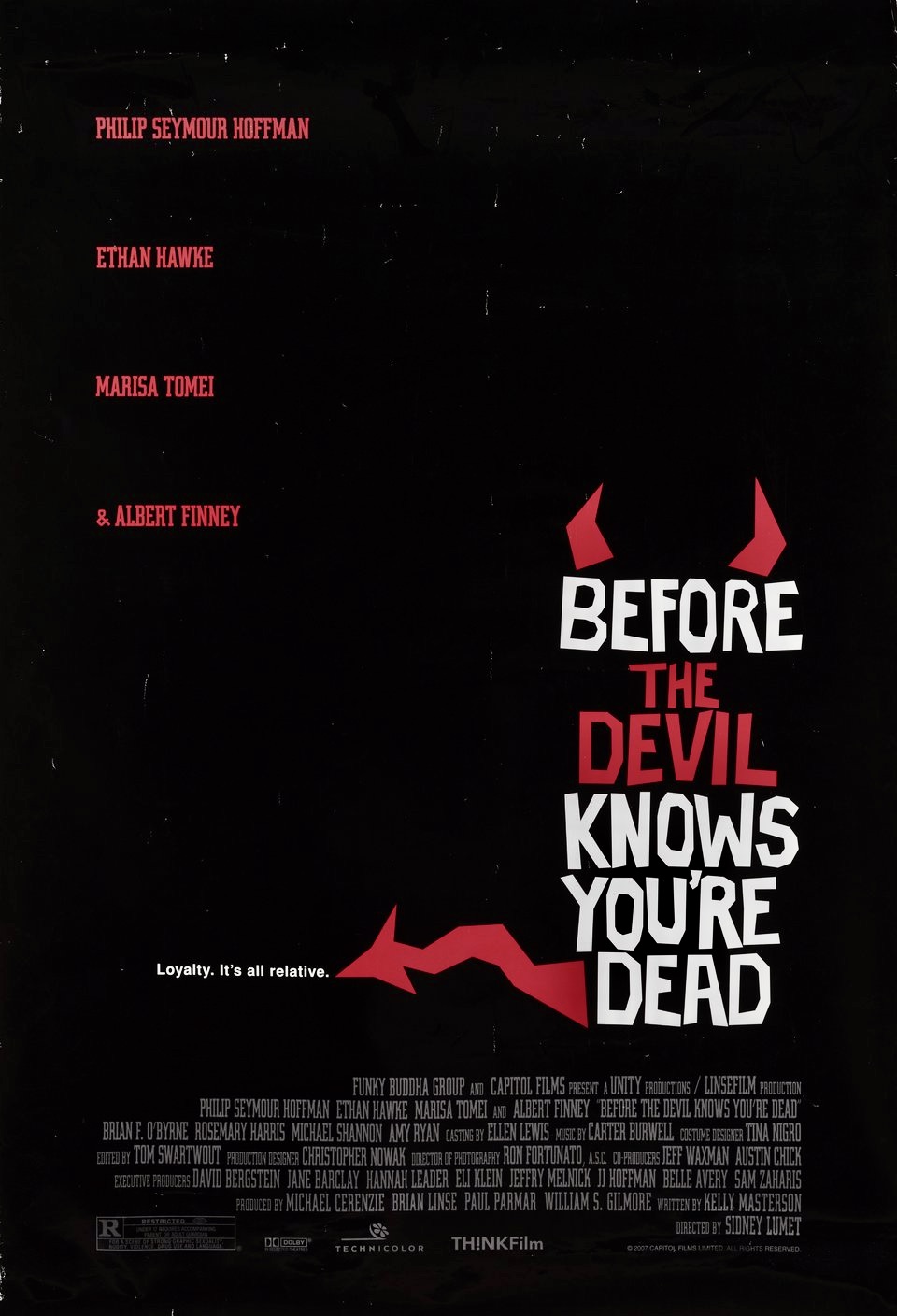
If you had gone to a movie theater showing Before the Devil Knows You’re Dead in 2007 without knowing anything about it or who directed it, you’d probably think it was the work of a dynamic new director who had talent to burn, someone possibly in his or her late twenties or early thirties. Of course, we know it’s the work of the 83-year-old Lumet but the film is just as fresh, surprising and alive to the harrowing and painful emotions of its tough familial breakdown as Lumet’s best work and that means on a par with 12 Angry Men (1957), Serpico (1973), Dog Day Afternoon (1975) and Network (1976).

Continue reading

Building the Ultimate Superhero

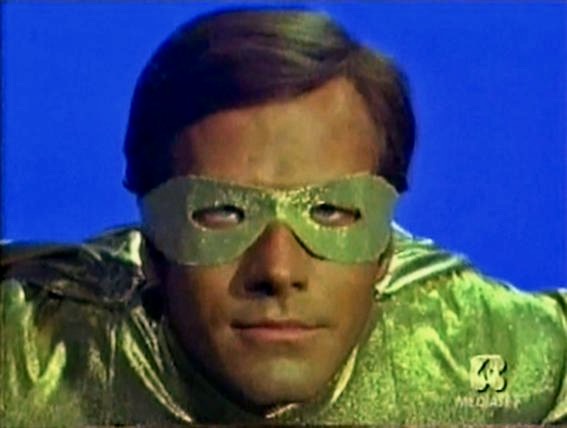
Richard Harrison plays a banker who gets transformed into a superhero against his will in the 1968 fantasy adventure FANTABULOUS INC.

Richard Harrison is not a name most moviegoers in the U.S. are probably familiar with but film buffs around the world know him as one of the American actors who relocated to Italy in the early sixties and enjoyed a long and prolific career there in B-movie fare and low-budget genre films. In a career of more than 100 feature films, there may not be a bona fide classic among them but there are several cult gems and entertaining oddities to enjoy and one of my favorites is La Donna, il Sesso e il Superuomo (English title: Fantabulous Inc., 1968), directed by Sergio Spina. Although it is usually classified as a Eurospy flick released in the wake of the James Bond craze, it is actually a fantasy/adventure/satire that sends up the whole concept of the superhero in comic books and films. It also works as a subversive cautionary tale about the dangers of fascism delivered in the form of a comic cartoon.

Continue reading

Beauty and the Sea Devil

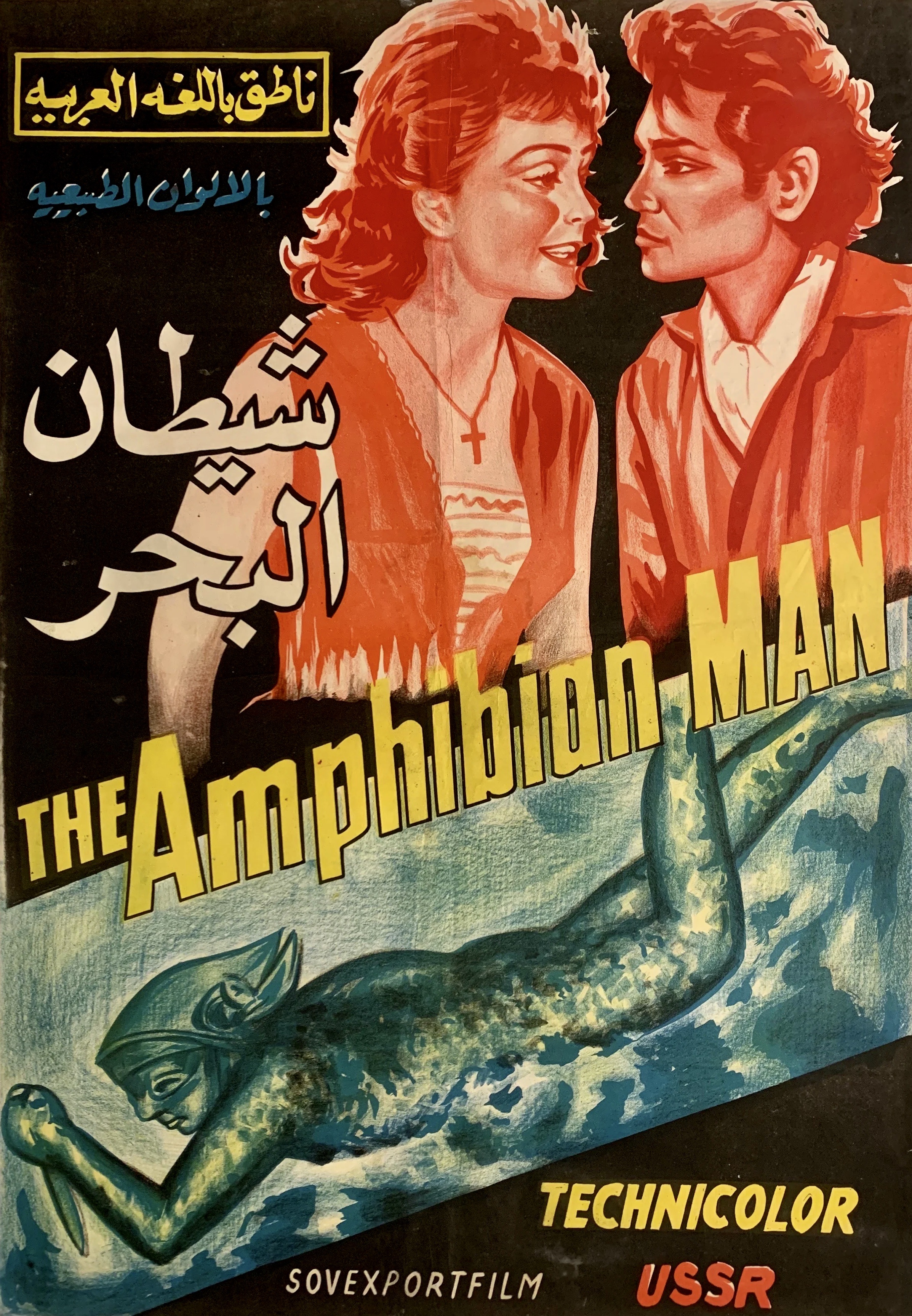
The Russian film poster for the 1961 fantasy THE AMPHIBIAN MAN.

Science fiction and fantasy films have always been a popular staple of Russian cinema but, during the first half of the 20th century, very few of these genre films found theatrical distribution in the U.S. Among the handful that did make to American screens are Yakow Protazanov’s Aelita, the Queen of Mars (1924), Vasily Zhuravlyou’s Cosmic Journey (1936), Planeta Bur aka Planet of Storms (1962), which producer/director Roger Corman raided twice, using footage from it for Voyage to the Prehistoric Planet (1965) and Voyage to the Planet of Prehistoric Women (1968), and Ilya Muromets (1956), an epic fairy tale adventure from director Aleksandr Ptushko that was released in an edited, English-dubbed version entitled The Sword and the Dragon. Some Russian fantasy titles later popped up on American television and second-run houses in poor quality English language dubs like Sampo aka The Day the Earth Froze (1959) but my all-time favorite from this period is Chelovek-Ambibiya (English title: Amphibian Man, 1961), co-directed by Vladimir Chebotaryov and Gennadiy Kazqanskiy.

Continue reading

Queen of Karate

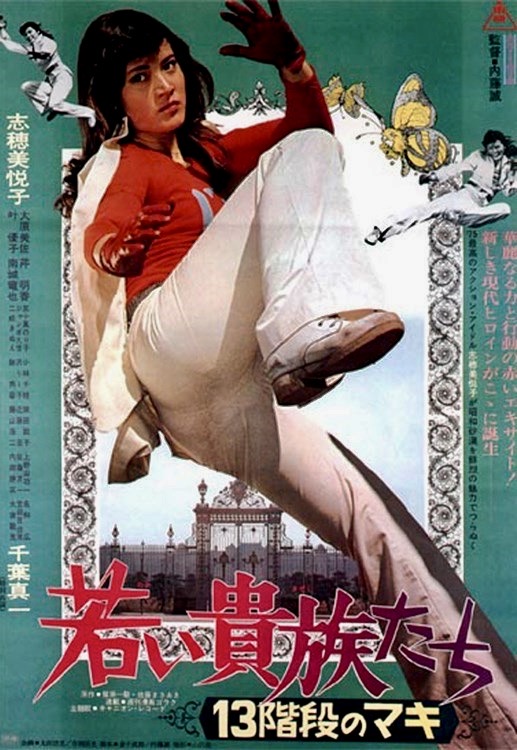
The Japanese poster for the 1975 film 13 STEPS OF MAKI: THE YOUNG ARISTOCRATS.
The Japanese poster for the 1975 film 13 STEPS OF MAKI: THE YOUNG ARISTOCRATS starring Etsuko Shihomi.

Most of the famous icons of Japanese action cinema of the 1970s are usually male stars but there are a few exceptions. The best known is easily Meiko Kaji, who enjoyed a double career as a popular singer and film actress whose most famous movies inspired Quentin Tarantino’s Kill Bill Vol. 1 (2003) and Vol. 2 (2004). She built up a cult following with a quintet of girl gang features – the Stray Cat Rock franchise (1970-71) – and then moved on to greater success in the Female Prisoner Scorpion series (1972-73) and two genre classics, Lady Snowblood (1973) and Lady Snowblood 2: Love Song of Vengeance (1974).

The Japanese poster for the 1970 film STRAY CAT ROCK: DELINQUENT GIRL BOSS starring Meiko Kaji.

The only other Japanese actress from the same period to rival Kaji’s track record is probably Etsuko Shihomi, who first attracted attention in a supporting role in The Street Fighter (1974) opposite martial arts legend Shin’ichi Chiba aka Sonny Chiba. Shihomi followed this up with her breakthrough feature Sister Street Fighter (1974), which proved to be such a hit that she made four sequels to it while appearing in other action flicks with her mentor Chiba. But probably Shihomi’s wildest and least seen movie is Wakai Kizoku-tachi: 13-Kaidan no Maki (English title: 13 Steps of Maki: The Young Aristocrats, 1975), which should have spawned a series but also feels like a homage to Kaji’s Stray Cat Rock series.

Continue reading

Don’t Mess with a Vietnam Vet

Among the slew of Hollywood movies that followed in the final days of the Vietnam War and used that as the subject, Rolling Thunder (1977) is a fascinating aberration. On the one hand, it flirts with serious issues and societal problems addressed in such post-Vietnam dramas as Coming Home (1978) and Born on the Fourth of July (1989) but it is also a violent revenge film that exploits a Vietnam veteran as an avenging angel.

Continue reading