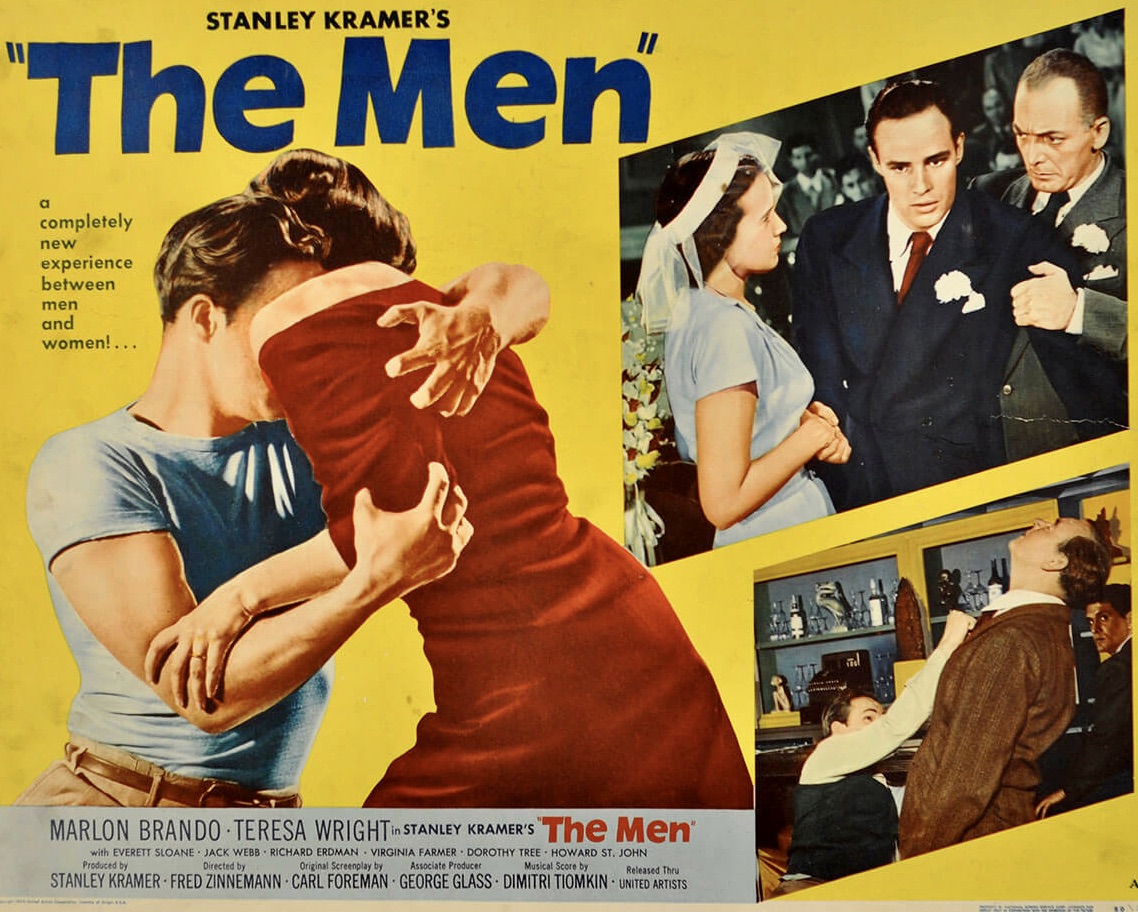
When director Fred Zinnemann left MGM Studios after his contract expired with Act of Violence in 1949, he embarked on a new career as an independent filmmaker. After trying to find a suitable movie project for almost a year, his search ended when two young filmmakers, Stanley Kramer and Carl Foreman, pitched him a story about paralyzed war veterans entitled The Men (1950). It was obvious that no major studio would tackle such an uncommercial subject but Zinnemann saw great possibilities in Carl Foreman’s screenplay and agreed to direct.
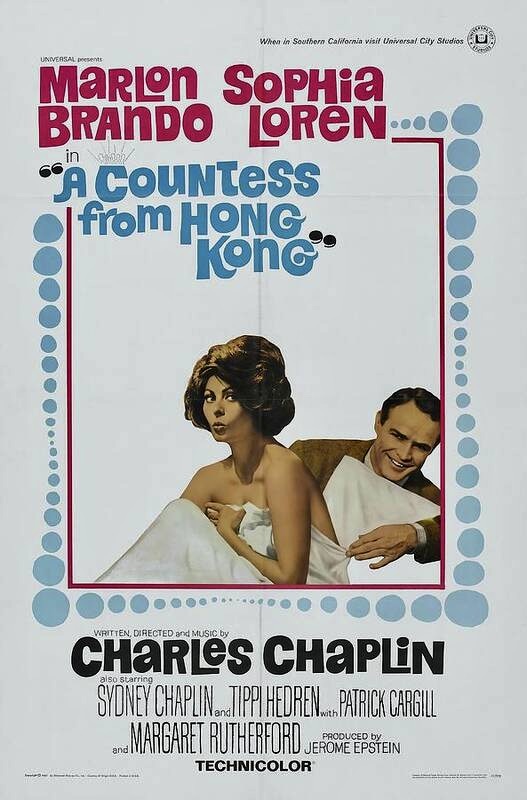
Nobody sets out to make a bad movie. Why would they? Not only is it a colossal waste of money but it will remain on the permanent record of everyone associated with it. Still, there are factors that no one can control and sometimes an actor makes a movie with the best intentions that the critics hate, audiences avoid like the plague or conflicts during production doom it to failure. Here are 15 well documented examples including Marlon Brando (A Countess from Hong Kong), Shelley Winters (Knickerbocker Holiday), Richard Widmark (Slattery’s Hurricane), Beverly Garland (Swamp Women and Stark Fear), Bruce Dern (The Incredible 2-Headed Transplant), Ava Gardner (The Bible…In the Beginning), Christopher Plummer (The Royal Hunt of the Sun), Ida Lupino (The Hard Way), Tony Curtis (Son of Ali Baba), Sally Kellerman (Reform School Girl), Ernest Borgnine (The Devil’s Rain), Raquel Welch (Myra Breckinridge), Warren Oates (Chandler), Joan Shawlee (Prehistoric Women) and Vincent Price (Green Hell).
Maryutkh (Izolda Izvitskaya), a Red Army sharpshooter, prepares to greet some approaching White Army members in the Russian Revolution war drama THE FORTY-FIRST (1956).
After the death of Soviet premier Joseph Stalin in 1953, Russia began to experience a less repressive period in the arts, especially the cinema, which had previously been used for mostly propaganda purposes. During this brief period, which flourished between 1953 and 1967, Russian filmmakers were allowed to explore the artistic possibilities of the medium, resulting in a number of cinematic masterpieces which enjoyed international distribution, even in the U.S. Among the more famous of examples from the “Cinema of the Thaw” (as it came to be called) are Sorok Pervyy (The Forty-First, 1956), Letyat Zhuravli (The Cranes are Flying, 1956), the historical epic, Tikhiy Don (And Quiet Flows the Don (1957), Don Kikhot (Don Quixote, 1957), The Idiot (1958), based on the novel by Fyodor Dostoevsky, and Ballada o Soldate (Ballad of a Soldier, 1959). The latter film, in particular, which won a special award for director Grigori Chukhrai at the Cannes Film Festival, is still considered a high water mark for Soviet cinema in the 50s but it is Chukhrai’s debut film, The Forty-First, which launched the director’s career and is in danger of being forgotten.
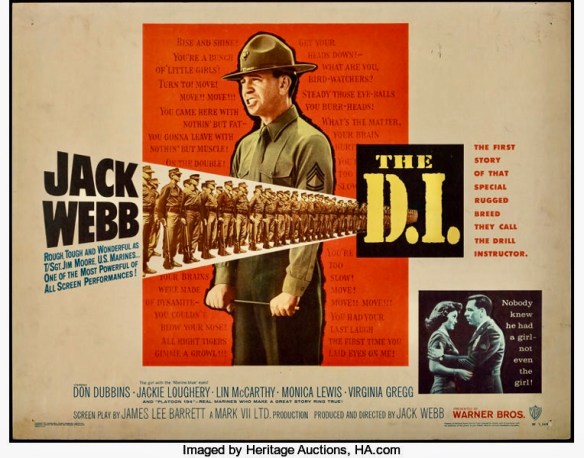
One of the more popular releases in the Warner Archives Collection, The D.I. (1957) was not a box office smash upon its original release but the cult of Jack Webb has grown considerably since then and The D.I. is undiluted, industrial-strength Webb; the star/director/producer is on the screen almost the entire time during this 106 minute marine training drama. Continue reading →
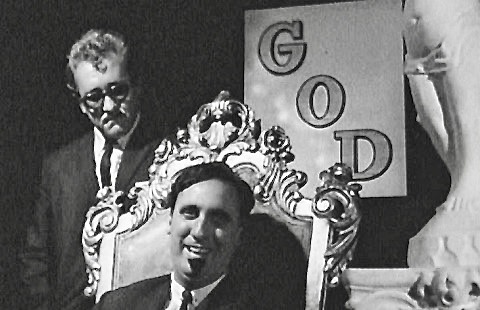
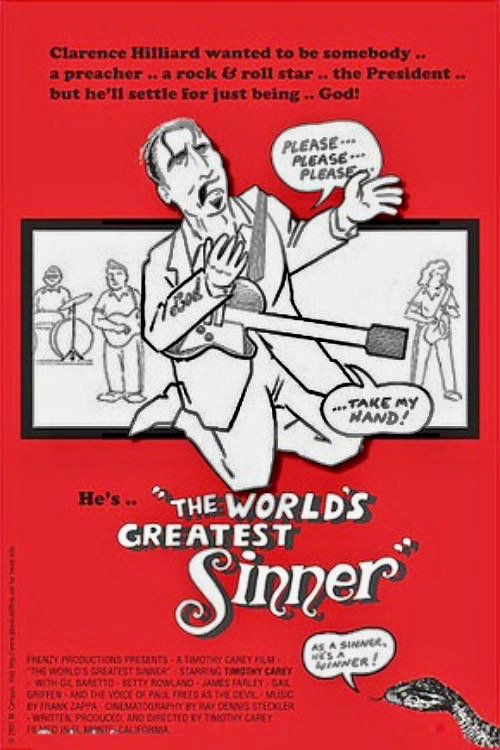
Timothy Carey (on throne) plays a self-proclaimed messiah who starts his own political party in the underground satire, The World’s Greatest Sinner (1962).
You might not know the name but you know the face. One of the most eccentric character actors in American cinema, he has had the rare distinction of working with everyone from James Dean and Elia Kazan (East of Eden) to Marlon Brando (The Wild One; One-Eyed Jacks) to Stanley Kubrick (The Killing; Paths of Glory) to John Cassavetes (Minnie and Moskowitz; The Killing of a Chinese Bookie) to The Monkees (their feature debut Head) to Mr. T, Bill Maher and Gary Busey in D.C. Cab. Let me add a few more to that already impressive filmography which includes appearing with Clark Gable (Across the Wide Missouri), Francis the Talking Mule (Francis in the Navy) and Shelley Winters and Debbie Reynolds (What’s the Matter With Helen?) and god knows who else. We’re talking about Timothy Carey and probably his greatest role is the one you’ve never seen – The World’s Greatest Sinner (1962). Continue reading →
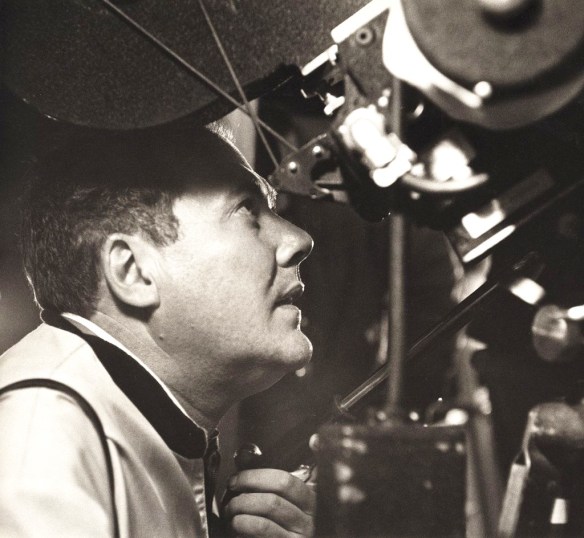
While it is rarely shown in retrospectives of his work, Robert Altman’s The James Dean Story (1957) is easily one of the more offbeat and poetic examples of documentary filmmaking. Officially cited as his second feature (Altman’s first was The Delinquents, 1957), The James Dean Story was co-produced and co-directed with George W. George, a former writing partner of Altman’s, as a serious exploration of the young actor’s mystique and impact on the youth culture of the fifties. Continue reading →
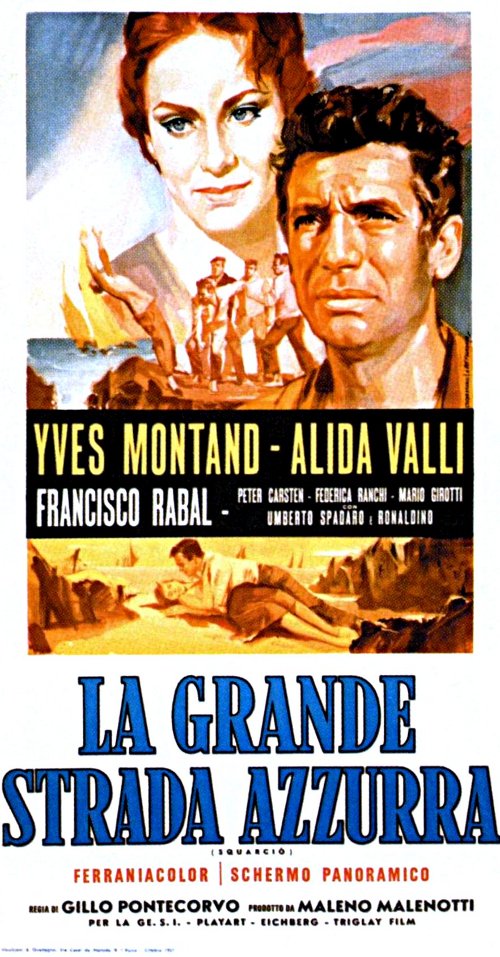
Gillo Pontecorvo began as a documentarian and his interest in social and political issues was already evident in early works like Giovanni (1955), which follows a textile laborer and her female co-workers through punishing work conditions into a full-blown protest against the factory owners. So it comes as no surprise that his first feature length film, The Wide Blue Road (aka La Grande Strada Azzurra, 1957), has an underlying social agenda even if it looks like a slice-of-life melodrama on the surface. Continue reading →
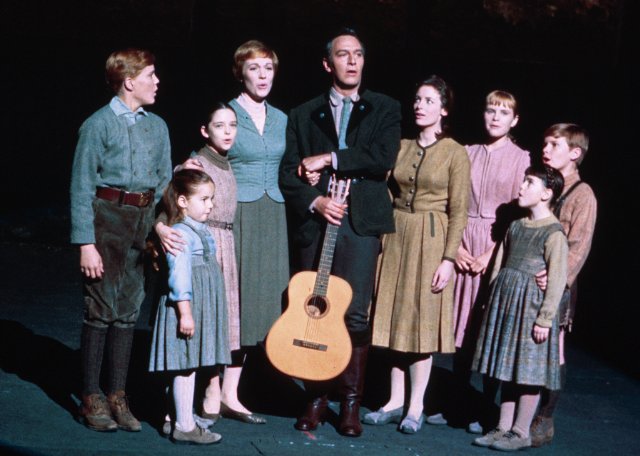
Christopher Plummer, out of his element and comfort zone in The Sound of Music (1965)
In interviews over the years Christopher Plummer would often jokingly refer to The Sound of Music as “The Sound of Mucus” or “S&M” but one can easily understand why he’d rather talk about almost any other film or theater production in his career because that 1965 blockbuster film was really a showcase for Julia Andrews. Plummer’s role as Captain Von Trapp was, in his own words, “very much a cardboard figure, humourless and one-dimensional.” Even though screenwriter Ernest Lehman collaborated with Plummer on improving the part, Captain Von Trapp was not destined to be one of the actor’s favorite roles. And having to sing was another drawback for him. As he confessed in his memoirs, he was “untrained as a singer. To stay on a long-sustained note was, for me, akin to a drunk trying to walk the straight white line…” Continue reading →


 Cinema Sojourns