The Flight of the Silver Queen

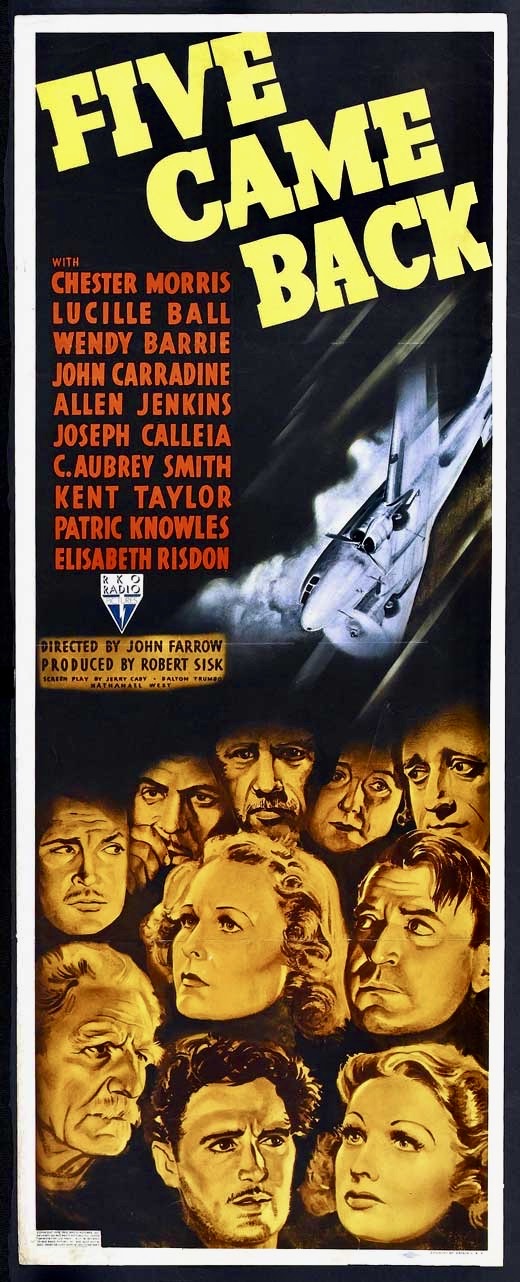
Long before airplane disaster films such as The High and the Mighty (1954) and Airport (1970) with their lavish budgets and all-star casts became the norm, this particular genre was the province of the B-movie. One of the best examples and possibly even the prototype for all future airplane disaster flicks was the 1939 RKO production, Five Came Back. Produced on a shoestring and distributed to theatres as a standard programmer, it turned out to be a surprise hit that quickly amassed an enthusiastic word-of-mouth campaign among moviegoers.

Continue reading
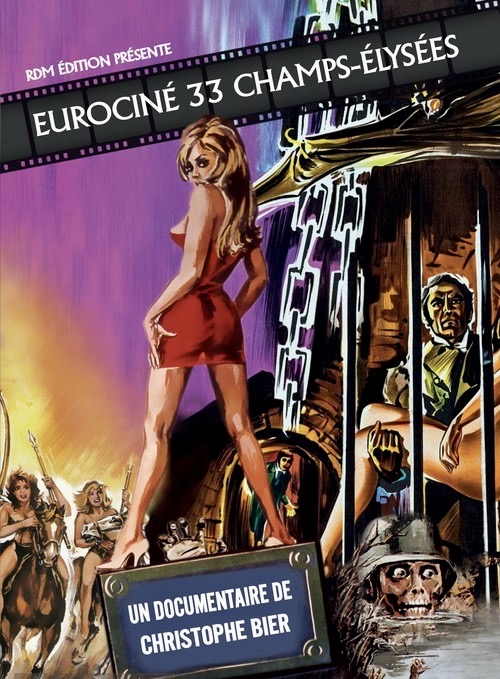
Nazi Zombies, White Slave Traders, Cannibal Cults and More from Eurocine

Exploitation films in every imaginable genre from the late fifties to the mid-eighties attracted a specific kind of viewer that enabled U.S. companies like American International Pictures (AIP) and Crown International Pictures to become profitable enterprises through drive-in and grindhouse saturation and later the VHS market. By spicing up their low-budget productions with more sex, violence and subject matter Hollywood avoided, these minor players provided a wildly diverse alternative to mainstream commercial cinema but it wasn’t unique to America alone. Europe also got into the act and the French company Eurocine went from obscurity to cult status for some of its more infamous hits like The Awful Dr. Orlof (1962), Red Hot Zorro (1972), White Cannibal Queen (1980) and Zombie Lake (1982). A behind-the-scenes look at the company’s history and Marius Lesoeur, the man who made it an international brand, is the focus of Eurocine 33 Champs-Elysees (2013), an entertaining and often amusing French documentary which is named after the company’s address in Paris.

Continue reading

Not a Beauty Treatment

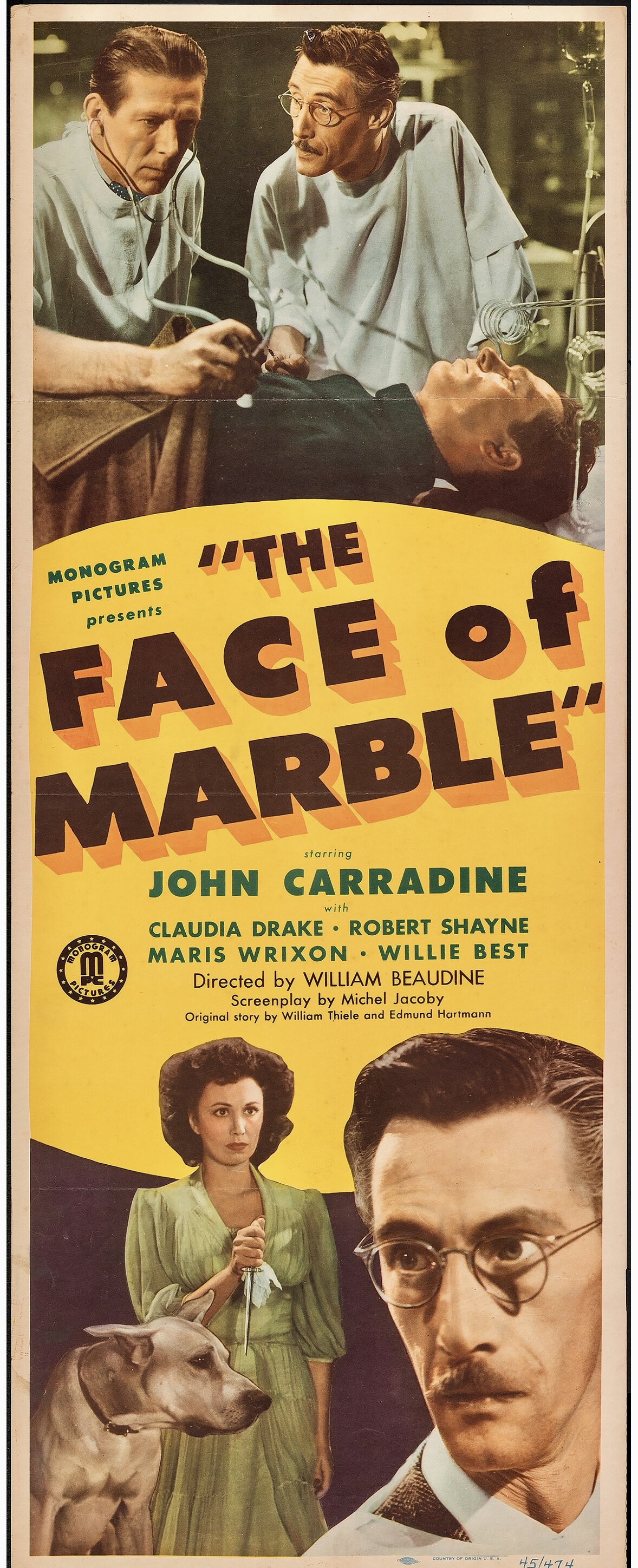
It’s not likely that a Poverty Row horror film like The Face of Marble (1946) will ever end up on anyone’s top ten list – unless the category is guilty pleasures – but that’s what distinguishes a movie like this from a title on the AFI approved list of great American classics. A cult movie rarely conforms to conventional standards of what’s good and what’s bad and that’s why The Face of Marble could be a more entertaining and challenging viewing experience than say, Ingmar Bergman’s Winter Light (1963). For one thing, you need a scorecard to keep track of the anything-goes-plot which ties together failed scientific experiments, reanimated corpses, a blood-drinking ghost dog that can walk through walls, a voodoo-practicing housekeeper and one woman’s hopeless, unrequited romantic obsession with her husband’s young assistant.

Continue reading

What’s Worse Than a Typhoon?

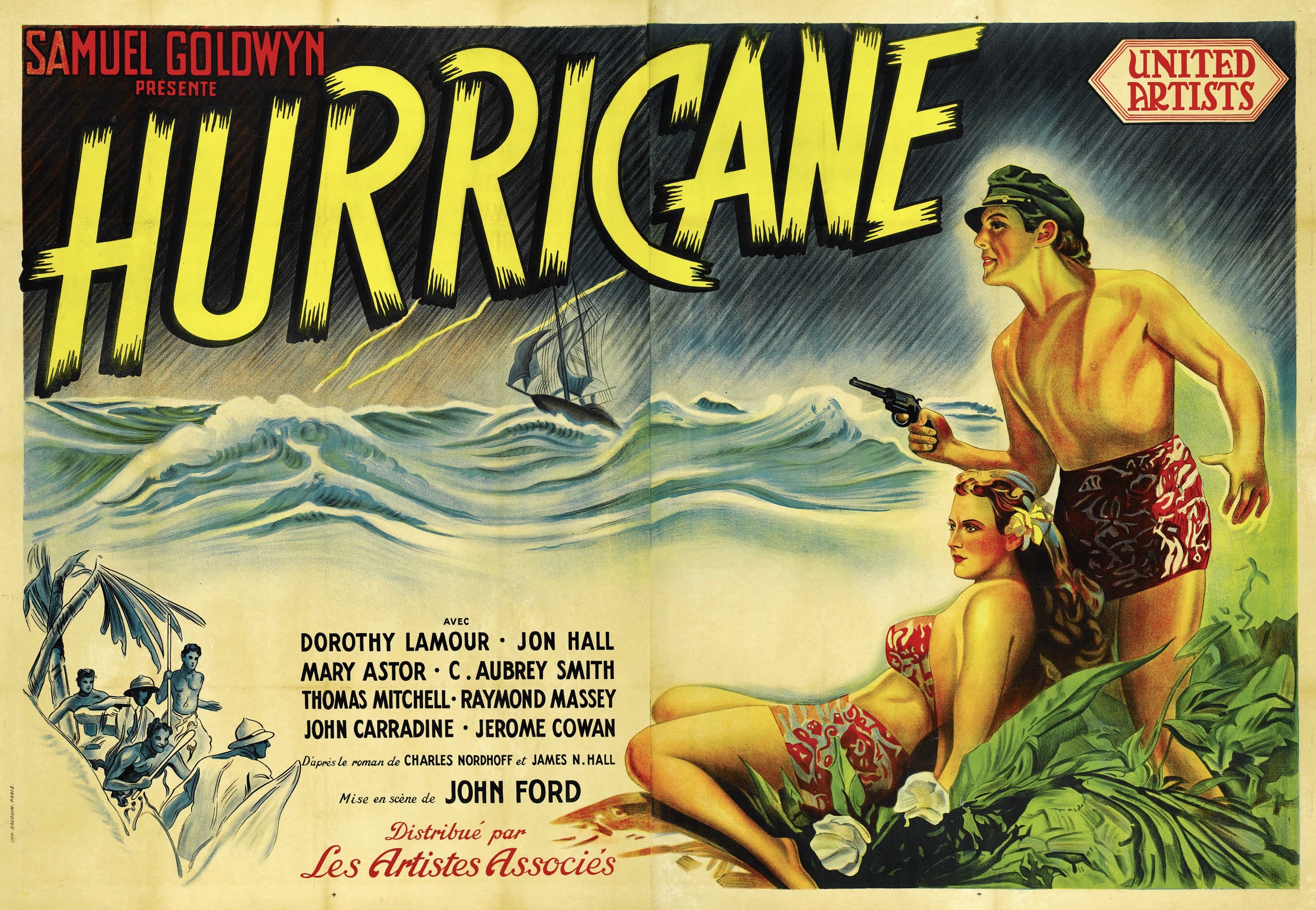
The 1970s may have been the era of the disaster film with such box office hits as Airport (1970), The Poseidon Adventure (1972), The Towering Inferno (1974) and Earthquake (1974) but the genre has been popular since the silent era when Noah’s Ark (1928) first awed moviegoers with its spectacular flood sequence. Certainly the most famous disaster film of the early sound era is San Francisco (1936) with its spectacular earthquake scenes but even more ambitious and almost overlooked today is The Hurricane (1937), directed by John Ford. While not on a level with the director’s later masterworks such as The Grapes of Wrath (1940), How Green Was My Valley (1941) or They Were Expendable (1945), this tale of colonial repression and injustice is set against the exotic background of the South Seas.

Continue reading

Nicholas Ray’s Gender Bender Western

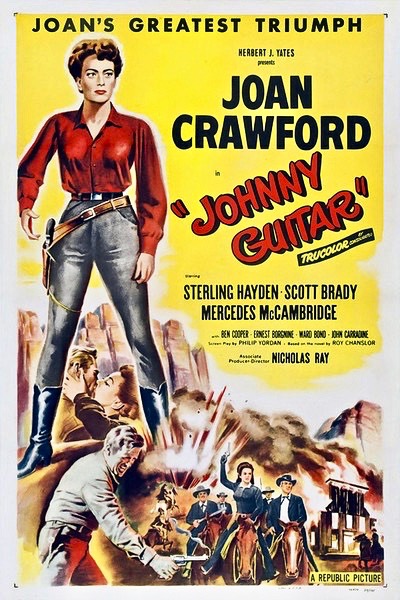
In the fifties, the Western genre experienced a revitalization that saw new approaches to the form – everything from a film noir interpretation like The Furies (1950) to a psychological thriller like High Noon (1952) to a promotional gimmick like the 3-D Western, Hondo (1953). However, it’s safe to say that Johnny Guitar (1954), Nicholas Ray’s bold experiment with color, role reversal, stylized sets, and operatic emotions is a one of a kind masterpiece that will never be repeated.   Continue reading

Roger Ebert, Sam Fuller, Woody Strode, Les Blank and Others at the 1981 Telluride Film Festival

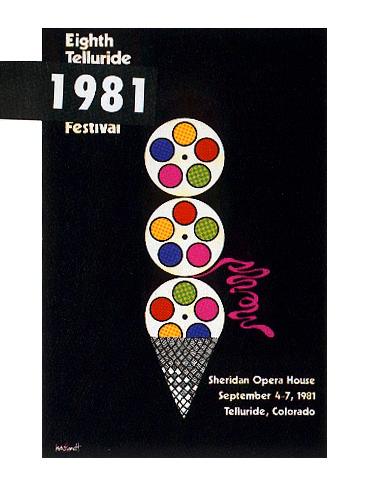
telluride_1981 posterLabor Day weekend for most people means a farewell to summer and a final official holiday before the Fall season but for me Labor Day usually means “The Show” – the annual Telluride Film Festival in Colorado. I have been lucky enough to attend several of the festivals over the year but since I won’t be able to attend the 41st annual event (Aug.29-Sept.1), I wanted to pay tribute to it with a blog about my first visit there – The 8th Telluride Film Festival in 1981Continue reading