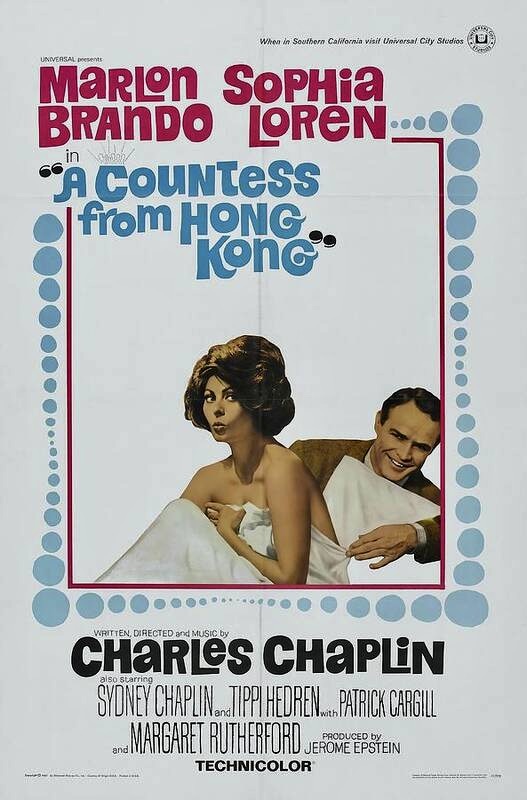
Nobody sets out to make a bad movie. Why would they? Not only is it a colossal waste of money but it will remain on the permanent record of everyone associated with it. Still, there are factors that no one can control and sometimes an actor makes a movie with the best intentions that the critics hate, audiences avoid like the plague or conflicts during production doom it to failure. Here are 15 well documented examples including Marlon Brando (A Countess from Hong Kong), Shelley Winters (Knickerbocker Holiday), Richard Widmark (Slattery’s Hurricane), Beverly Garland (Swamp Women and Stark Fear), Bruce Dern (The Incredible 2-Headed Transplant), Ava Gardner (The Bible…In the Beginning), Christopher Plummer (The Royal Hunt of the Sun), Ida Lupino (The Hard Way), Tony Curtis (Son of Ali Baba), Sally Kellerman (Reform School Girl), Ernest Borgnine (The Devil’s Rain), Raquel Welch (Myra Breckinridge), Warren Oates (Chandler), Joan Shawlee (Prehistoric Women) and Vincent Price (Green Hell).
Continue readingTag Archives: Geraldine Chaplin
The Stiletto Club
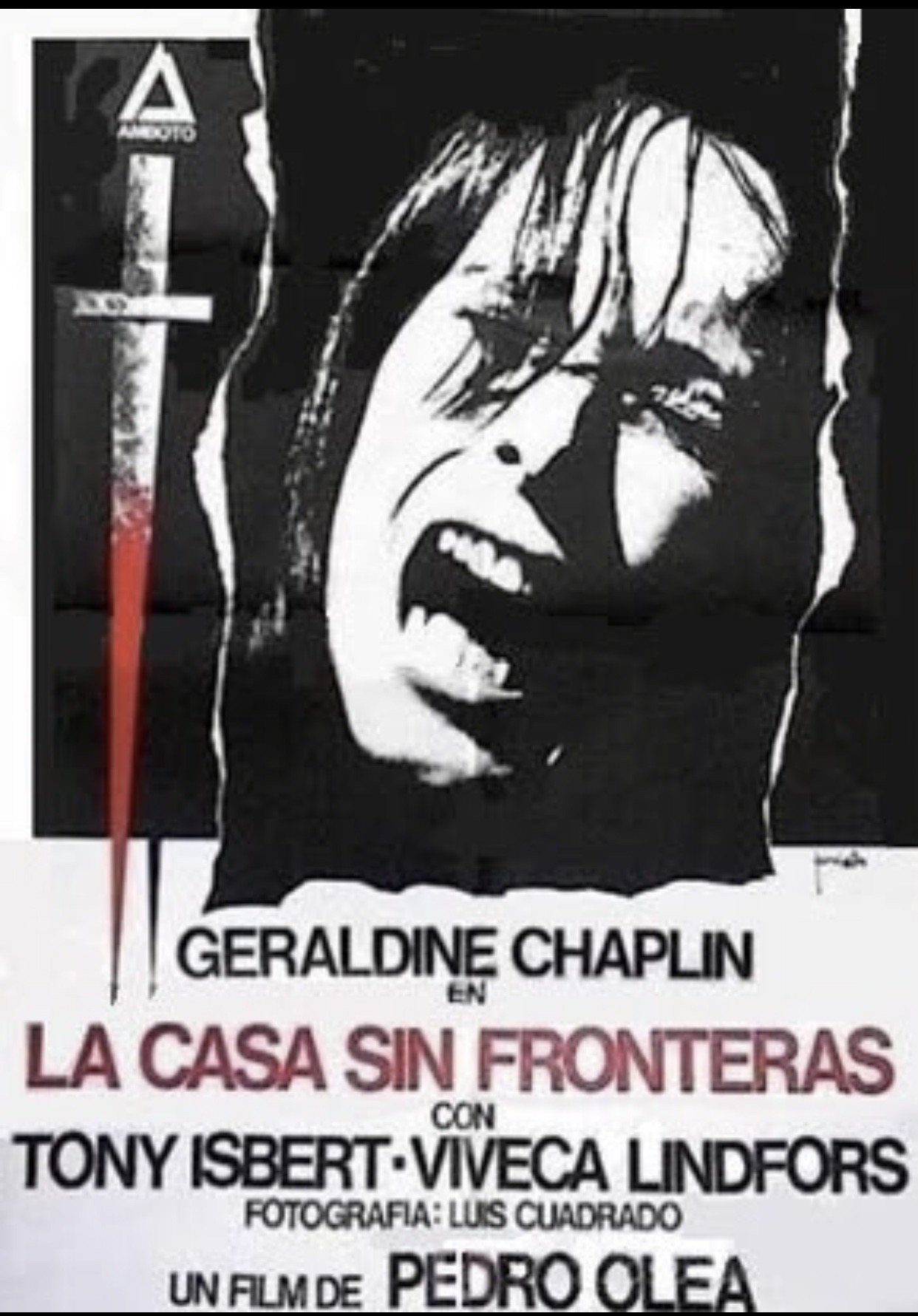
Conspiracy thrillers have been a popular subgenre in movies ever since the silent era with such memorable entries as The Ace of Hearts (1921) in which Lon Chaney stars as a member of a secret society that gets rid of people deemed unfit to live among them. Alfred Hitchcock’s The 39 Steps (1935) is an equally menacing early talkie classic and The Manchurian Candidate (1962), about a brainwashed ex-military hero being controlled by political subversives, is probably the best-known representative of all. However, it wasn’t until the 1970s that conspiracy thrillers reached an all-time high in popularity as witnessed by such iconic Hollywood releases as The Parallax View (1974), The Conversation (1974), Three Days of the Condor (1975), Capricorn One (1977) and The Boys from Brazil (1978). Other countries contributed their own variations on the genre like Spain, which released La Casa sin Fronteras (English title: The House Without Frontiers), a deeply unsettling effort from director Pedro Olea, which was made while General Franco was still in power and which prefigures the paranoid scenarios made popular by The Parallax View and others.
Continue readingPhantom Playmates
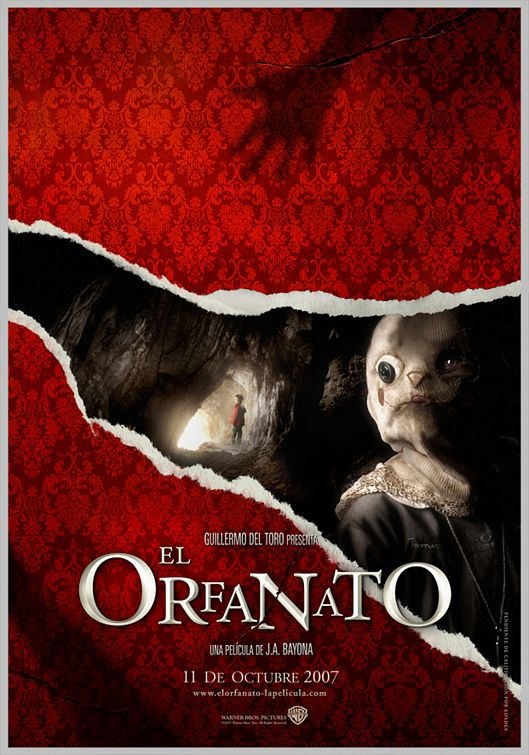
After opening in Spain in the Fall of 2007, Juan Antonio Bayona’s elegant ghost story El Orfanato (English title: The Orphanage) went on to generate enthusiastic word of mouth responses from its many festival showings at Cannes, Toronto, Sitges, Austin and New York while picking up various honors such as Best New Director and Best Original Screenplay at the Goya Awards (Spain’s equivalent of the Academy Awards) and a nominee for the Golden Camera award at Cannes. I was lucky enough to see the movie during a visit to Girona, Spain where it was playing at a multiplex just a few blocks away from the wonderful Museu del Cinema which houses the Tomas Mallol collection (an amazing repository devoted to the beginnings and earlier origins of the medium known as the cinema).
Continue readingPayback is a Bitch
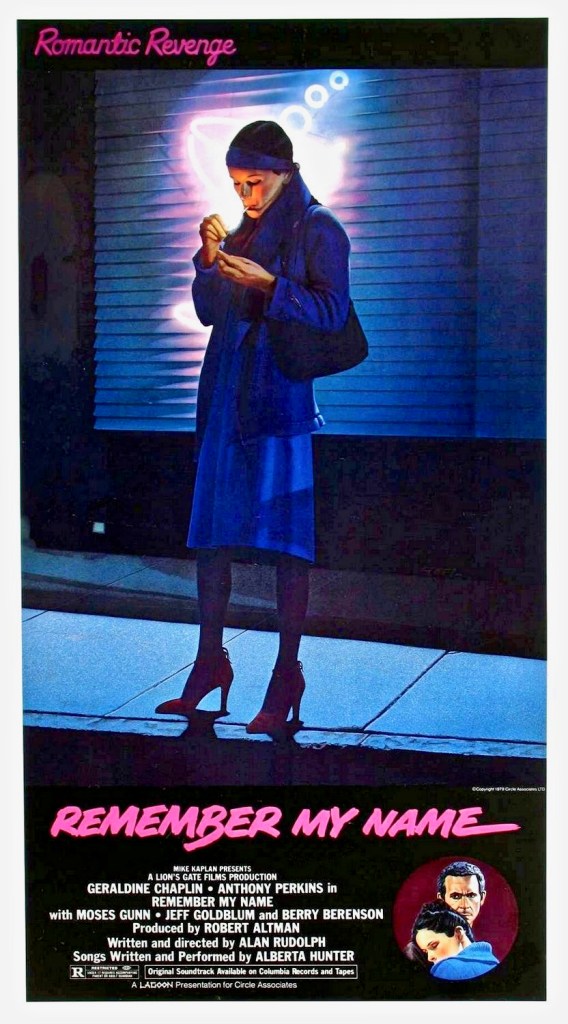
We’ve all heard the famous quote “Hell hath no fury like a woman scorned,” which came from the 1697 play The Mourning Bride by William Congreve, but what are the options for the discarded one? Shame the perpetrator in public? Internalize the rage? Become detached? Laugh it off? In Hollywood, the idea of the scorned woman bent on revenge is usually depicted more along the lines of Jessica Walter in Play Misty for Me (1971) and Glenn Close in Fatal Attraction (1987) but you really don’t have to wield a knife and go berserk to redeem your self-respect. Instead, you can be creative, unpredictable and non-threatening in appearance like Emily (Geraldine Chaplin), the protagonist of Alan Rudolph’s Remember My Name (1978). Continue reading
What Triggers an Obsession?
One of Spain’s best known and critically acclaimed filmmakers in his own country, Carlos Saura is less well known in the U.S. where his mentor Luis Bunuel and his predecessor Pedro Almodovar are more famous. Yet, Saura was one of the guiding lights of the Spanish New Wave movement in the early sixties, beginning with his neorealistic social drama The Delinquents (1960). Saura would hit his stride with his two subsequent features, La Caza (1966, aka The Hunt) and Peppermint Frappe (1967), both of which explored the political, social and sexual repression of the Franco regime through the guise of allegory and psychological melodrama, respectively. Continue reading