Free Spirits

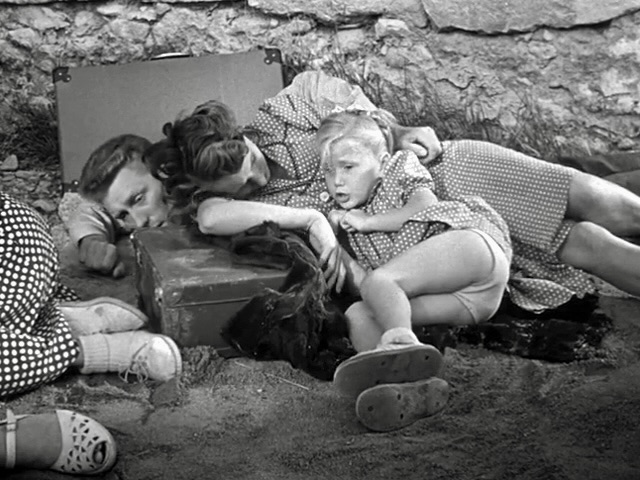
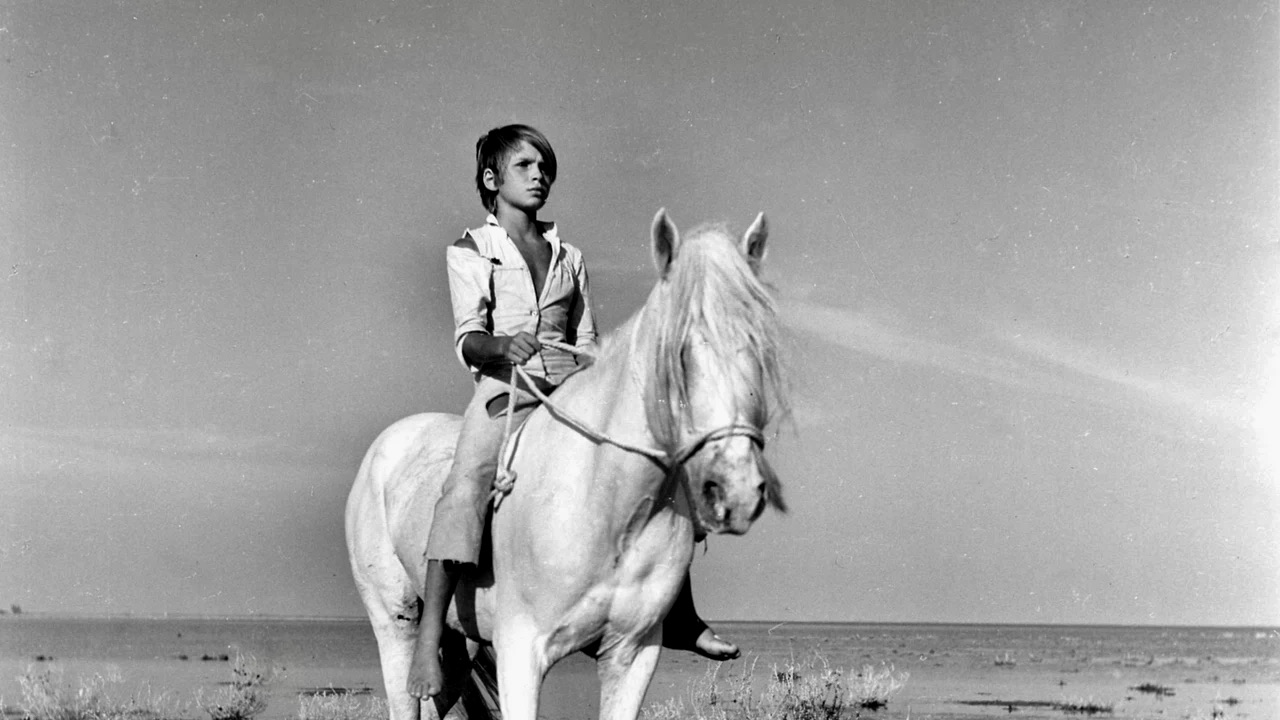
Folco (Alain Emery) forms a bond with a wild stallion in the 1953 French adventure drama WHITE MANE.

When you consider movies made for children and/or family viewing, stories about horses constitute a large portion of the genre, especially in American cinema. My Friend Flicka (1943), Black Beauty (1947), The Story of Seabiscuit (1949), Snowfire (1957), The Sad Horse (1959) and The Black Stallion (1970) are just a few of the more famous titles and some of these have inspired remakes or sequels. Still, one of my favorite films in this category comes from France and is often overlooked today – Crin Blanc: Le Cheval Sauvage (English title: White Mane, 1953), written and directed by Albert Lamorisse (1922-1970).

Continue reading

Beastly Behavior

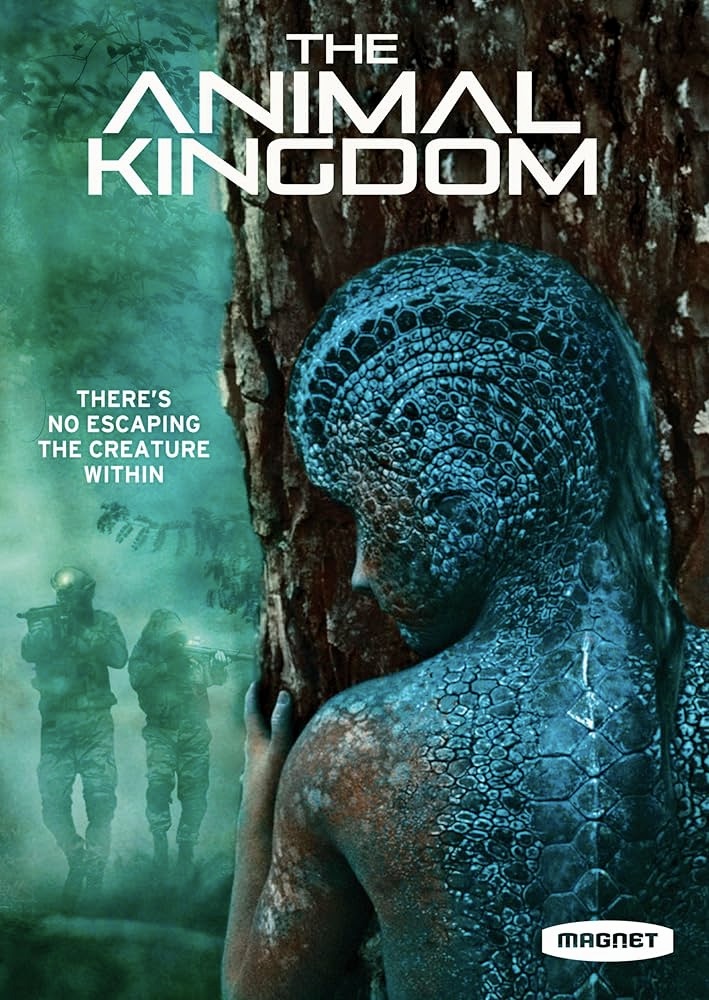
Sometime in the near future, the human race experiences a strange phenomenon in which random people begin to mutate into different animal species. There is no rhyme or reason to the malady but it is starting to dictate a new world order. Francois and his teenage son Emile are affected by this because Lana, Francois’s wife and Emile’s mother, is beginning to transition into some type of creature. She is currently under observation at the hospital but a decision is made to move her into a government facility in a rural area for her own protection and a possible cure. So begins Le Regne Animal (English title: The Animal Kingdom, 2023) from French director Thomas Cailley, a film that has been pigeonholed by some reviewers as a science fiction film but is actually more of a surreal fantasy.

Continue reading

Here Today, Gone Tomorrow

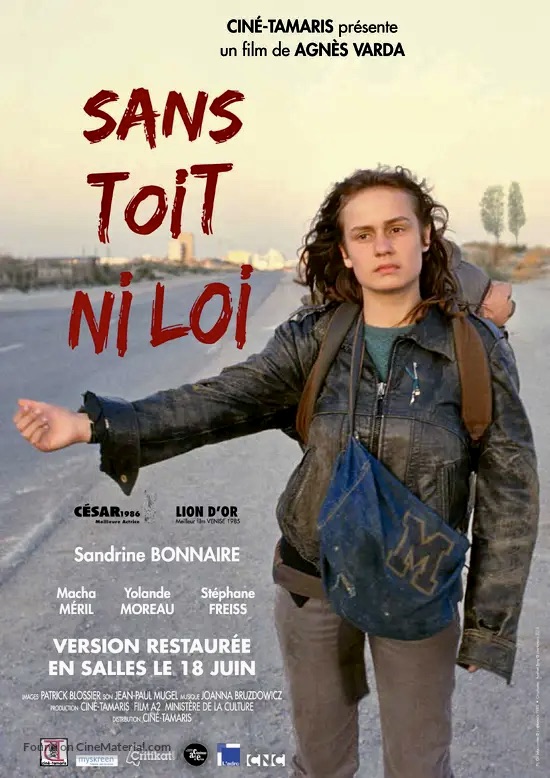
The French film poster for VAGABOND (1985), directed by Agnes Varda.

Film critics and moviegoers familiar with the work of French filmmaker Agnes Varda were unprepared for her seventh feature film Sans toit nil oi (English title: Vagabond) when it hit theaters in 1985. It had been eight years since her previous dramatic work One Sings, the Other Doesn’t (1977), an optimistic, semi-musical tale of female solidarity and friendship during the rise of the feminist movement in France, and her new feature couldn’t have been more different or unexpected. Nor did any of her earlier features – the New Wave influencer La Pointe Courte (955), Cleo from 5 to 7 (1962), Le Bonheur (1965), Les Creatures (1966) or the experimental happening Lion’s Love (1969) – prepare viewers for the harsh realities and raw authenticity of Vagabond. Certainly the film was partially shaped by Varda’s own experience in documentary filmmaking but it also exerted a dramatic power and an almost visceral visual sense that was not apparent in the director’s previous dramatic work. Based on Varda’s encounter with a female vagrant, Vagabond focuses on the final weeks in the life of a homeless woman named Mona (Sandrine Bonnaire) who meets and interacts with various people along the roads of southern France before dying of exposure in a vineyard during a harsh winter.

Continue reading

Intertwined Destinies

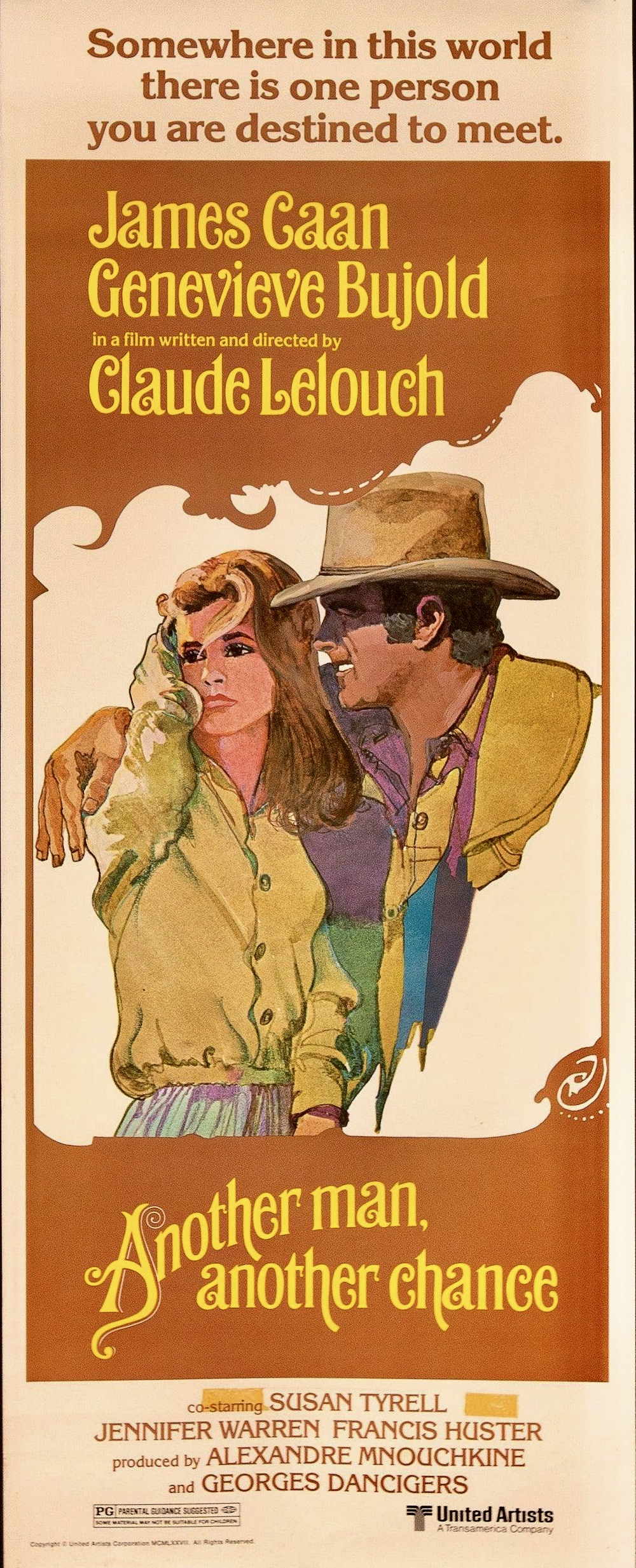
The American West as seen through the eyes of a French filmmaker provides a curious and offbeat approach to the genre in Another Man, Another Chance (1977), directed by Claude Lelouch, whose most famous film remains his breakout 1966 art house hit, A Man and a Woman; it also won the Oscar for Best Foreign Language Film. Unlike most Hollywood produced Westerns, Another Man, Another Chance relies less on the traditional attributes of the form and presents instead a slow burn love story shaped by the turbulent events of the 1870s in both Europe and the U.S. Similar to the narrative structure of A Man and a Woman and other Lelouch films such as And Now My Love (1974) in which fate brings together two people over the passage of time, the movie provides parallel narratives in which the story’s two main protagonists eventually emerge and find each other.

Continue reading

Pack Mentality

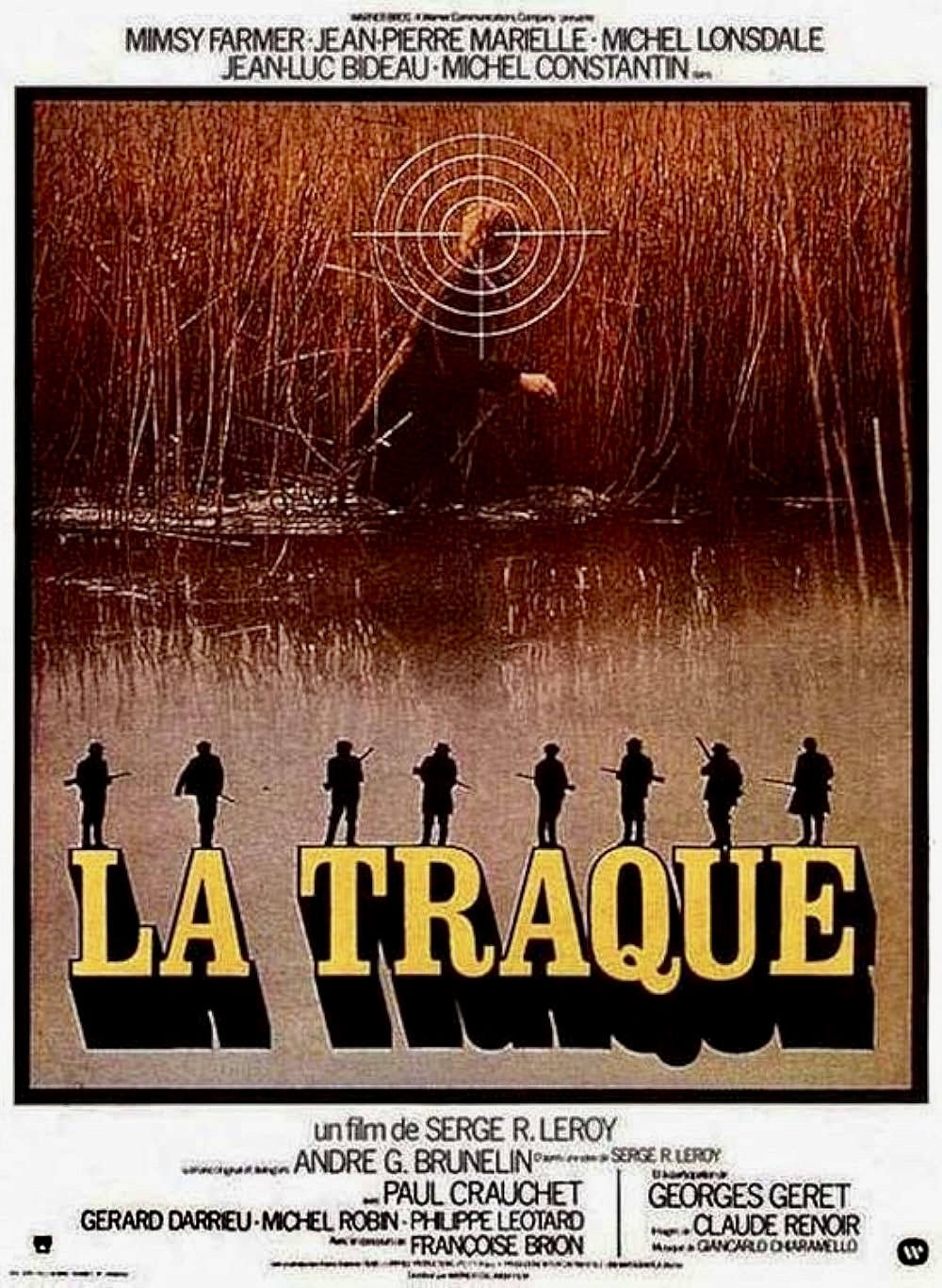
What happens when you get a bunch of men together, some of them armed with flasks of brandy or whiskey, give them guns and set them loose in the forest? It sounds like a lethal combination but it doesn’t have to be and rarely is in the world of experienced outdoorsmen. At the movies, though, it’s a different story as witnessed by so many thrillers about hunting parties and their targets. Certainly the many film adaptations of Richard Connell’s short story The Most Dangerous Game is a famous example but there are also variations such as armed officers hunting a prisoner (Antonio Isasi-Isasmendi’s A Dog Called Vengeance, 1977), men hunting each other (Carlos Saura’s The Hunt, 1967), men and women stalking each other (Elio Petri’s The 10th Victim, 1965) or men hunting women (the Australian revenge flick Fair Game, 1986). La Traque (aka The Track), a French film by Sergio Leroy, fits into the last category, but it is not a predictable genre entertainment, a satire or a blatant exploitation film.

Continue reading

Smells Like Teen Spirit

The French film poster for COLD WATER (1994)

Was high school the most emotionally turbulent rite of passage every teenager had to endure? For some, like French director Olivier Assayas, it was a period of time that helped transform him into the person he is today. Those years provided the raw material to create a deeply personal cinematic experience that was not just an artistic triumph in France but earned the director international attention and acclaim. L’eau Froide (English title: Cold Water, 1994) was Assayas’s fifth feature film but he credits it with being the movie that marks his first real breakthrough as a director. The story of Gilles (Cyprien Fouquet), a troubled student from an upper-class family, and his on-again, off-again infatuation with Christine (Virginie Ledoyen), a rebellious sixteen-year-old from a divorced working-class couple, is semi-autobiographical in nature with some incidents taken directly from the director’s life. Assayas would later state, “Cinema has the capacity for making you experience moments, emotion in your life and looking back on it I have the strange feeling that this movie belongs to the seventies.”

Continue reading

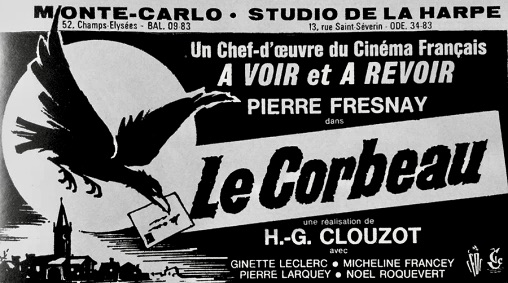
Henri-Georges Clouzot’s Le Corbeau

In a small village in rural France, an anonymous writer sends a series of poison-pen letters to selected residents. Signed with the mysterious name of “Le Corbeau”, the letters accuse the new physician in town, Dr. Remy Germain (Pierre Fresnay), of adultery and performing abortions. While the townspeople are scandalized by this information, it soon becomes apparent that Dr. Germain is not the only target of this vicious character assassination and that other respected members of the community will soon be victimized, their most shameful secrets exposed to all by “The Raven.” Soon, the villagers begin turning on each other, creating an atmosphere of increasing paranoia and mistrust that culminates in murder, suicide and an angry mob scene. There might not be a more misanthropic view of humanity than Le Corbeau (aka The Raven, 1943), directed by Henri-Georges Clouzot (The Wages of Fear, 1953), but the movie is not only a dark, brilliantly conceived melodrama which unfolds like a suspense thriller but a cautionary character study of how fear of others brings out the worst in everyone.

Continue reading

Like a Bull in a China Shop

In 2016 the Cohen Media Group released My Journey Through French Cinema, written and directed by Bertrand Tavernier. It was not a traditional survey of French Cinema but a much more idiosyncratic and personal look at favorite films and directors from France in the eyes of Tavernier. In this way, it seemed inspired by Martin Scorsese’s 1999 documentary on Italian cinema, My Voyage to Italy, which shined a light on forgotten and underrated movies that deserved re-evaluation. Tavernier certainly covered some landmarks of French cinema in his overview but he also devoted time to specific directors like Jacques Becker and Jean-Pierre Melville while including favorite film composers and cinematographers as well. Some of Tavernier’s choice were fascinating obscurities and others were grade-B genre films that were so stylish and well-made that they served as superior examples of their craft such as Edmond T. Greville’s Le Diable Souffle aka Woman of Evil (1947) and Gilles Grangier’s Hi-Jack Highway aka Gas-Oil (1955). I was especially intrigued by film clips from the crime thriller Ca Va Barder (1955), which was directed by blacklisted American director John Berry (it was his first credited feature in France) and starred expatriate American actor Eddie Constantine as two-fisted itinerant adventurer Johnny Jordan. His rough and tumble character is as disruptive as a bull in a china shop.

Continue reading

Billy Wilder’s Directorial Debut

The French film poster for MAUVAISE GRAINE (1934) aka Bad Seed, co-directed by Billy Wilder

Sometimes you hear a famous actor or actress state in an interview that they never watch their own movies. If they are that self-conscious, how did they ever become actors? Don’t you improve your craft by watching your films so you can see what works and what doesn’t? But some directors are guilty of this too such as Billy Wilder, who has often stated he doesn’t like watching his completed films because he always sees things he wants to change and it’s too late. Wilder has even admitted that he never watched the first movie he ever directed, Mauvaise Graine aka Bad Seed (1934), and never wanted to see it. Despite his disregard for the film, which he co-directed with Alexander Esway, Mauvaise Graine is nothing to be ashamed of and, for most Billy Wilder fans, it is an unexpected treat.

Continue reading

Shifting Sands

In the Spring of 1974, French archeologist Francoise Claustre along with a young aide and a German doctor and his wife were captured by rebel forces in Chad, Africa while exploring pre-Islamic tombs. The doctor’s wife was killed during the attack but her husband was quickly released after West German officials paid his ransom. The aide later escaped but Claustre remained a hostage of the Maoist rebel leader Hissene Habre and his clan for 33 months. During that time, her husband Pierre, a French official, tried to bargain with the rebels when his government proved inept at handling the situation but he too ended up being captured and held in a different camp in Chad. Renowned photojournalist and documentary filmmaker Raymond Depardon was allowed to interview Francoise during her ordeal for his non-fiction shorts, Tchad 2: L’ultimatum (1975) and Tchad 3 (1976), which were broadcast on French TV and provoked a major public outcry over the entire situation. Finally in January 1977 Libyan leader Muammar Gaddafi brokered a deal with the Chad rebels and the French couple was released and returned to Paris. Interestingly enough, Depardon would return to this subject again in 1990 with La Captive du Desert (Captive of the Desert), a fictionalized account of the Claustre affair which remains one of his few forays into feature film making.

French hostage Francoise Claustre being held prisoner by Chad rebels in 1974.
Continue reading