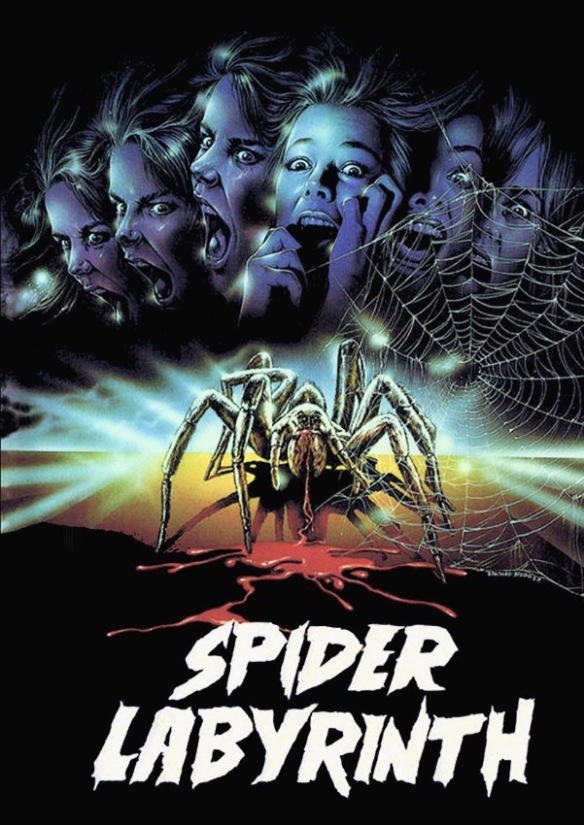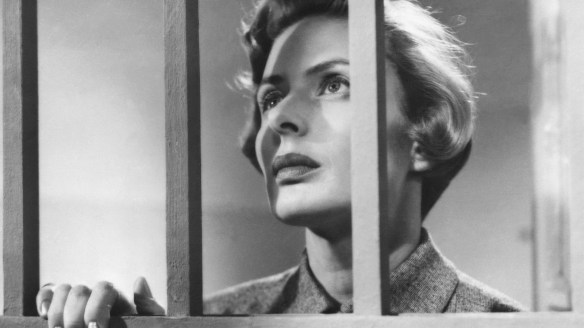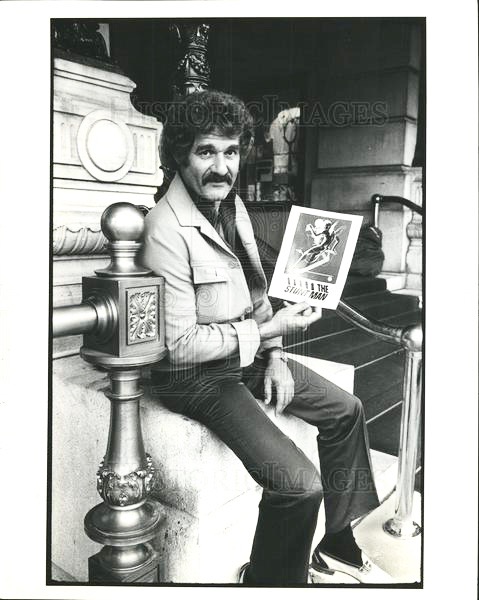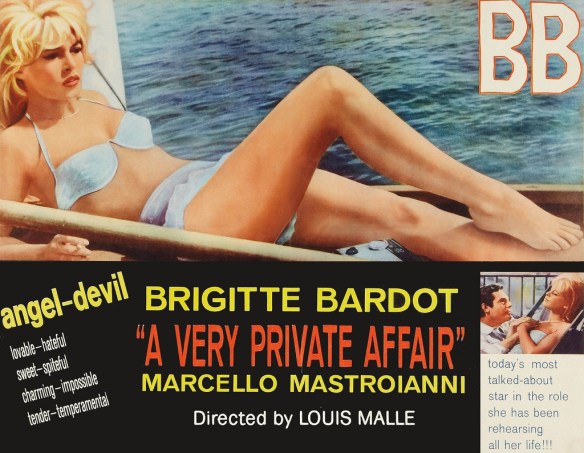
Some aspects of American culture make ideal targets for satirists like the media (Network, 1976) or politics (The Great McGinty, 1940) or even the American family (Lord Love a Duck, 1966). Beauty pageants, on the other hand, seem a little too easy to poke fun at but Michael Ritchie found the perfect balance of irony and empathy in his 1975 satire, Smile. Continue reading
Category Archives: film
The Transmutational Music of Arthur Russell
Sometimes a figure in popular music will develop a small cult following but never crack the mainstream market because their music is unclassifiable…or as some critics like to say, “ahead of their time.” But what does that mean anyway? Is it too experimental in nature or lacking an easy access point for first time listeners? Or it is simply a matter of underexposure that keeps it from becoming recognized as something truly progressive and unique? A perfect example of this is Arthur Russell, the subject of Matt Wolf’s Wild Combination: A Portrait of Arthur Russell (2008), an intimate and moving look at an influential figure in New York City’s music scene in the ’70s and ’80s who is finally acquiring the reputation of a musical visionary more than 30 years after his heyday. Continue reading
A Different Kind of Horror Film from Lucio Fulci
If Lucio Fulci had only directed the 1979 cult splatterfest Zombie, he would still warrant more than a footnote in any film history of the horror genre. Obviously inspired by the success of George Romero’s Night of the Living Dead and Dawn of the Dead, Fulci’s cult favorite pushed the zombie film into over-the-top excess with the famous eyeball-splinter scene and an underwater grudge match between a shark and one of the undead.
It also launched a whole new genre in the Italian film industry which included such imitators as Cannibal Apocalypse, Nightmare City and Erotic Nights of the Living Dead (all released in 1980). Fulci went on to further heights (or depths according to his detractors) with such supernatural thriller gross-outs as City of the Living Dead (1980), The Beyond (1981) and The House by the Cemetery (1981). But what most Fulci fans and film buffs tend to overlook is the fact that he was once a director who could occasionally turn out a thought-provoking and artful work of cinema such as his 1969 historical drama, Beatrice Cenci. Continue reading
When Seafood Fights Back!
Japanese pop culture can be so crazieeee, especially as filtered through their national cinema! You already know this if you’ve seen any films by Noboru Iguchi (A Larva to Love, 2003; RoboGeisha, 2009), Gen Sekiguchi (Survive Style 5+, 2004), Sion Sono (Exte: Hair Extensions, 2007; Why Don’t You Play in Hell?, 2013), and especially Minoru Kawasaki, who likes plopping animal-suited characters into his genre films in order to mix it up with the humans who, in most cases, might be initially surprised but usually become complacent about the absurdity of the situation.
A good example of this is Kawasaki’s The Calamari Wrestler (2004) which is the sort of movie which will immediate polarize potential viewers into two camps based solely on images or clips from the film, its plot description or even the title alone. It all depends on how you feel about a movie in which a former championship wrestler-turned-squid returns to the ring to reclaim his title, win back his girlfriend who is now the fiancee of the current champion, and battle corrupt promoters and new rivals such as Squilla, the boxing shrimp.
Continue reading
Eskimo (1933) – Inuit Culture on Film
How many famous or highly regarded films about the Inuit culture can you name? Robert Flaherty’s Nanook of the North (1922) is probably at the top of the list but what else? The 1955 Oscar-nominated documentary Where Mountains Float, Nicholas Ray’s The Savage Innocents (1960), Zacharias Kunuk’s 2001 epic, Atanarjuat: The Fast Runner (2001), and Mike Magidson’s Inuk (2010) are all impressive achievements which need to be better known. But one of the most moving and evocative films is from 1933 entitled Eskimo, a word which is now an outdated and offensive reference to the Inuit and Yupik tribes who populate the Arctic Circle and northern bordering regions. Continue reading
Satanic Sisterhood

(from left to right) Haydee Politoff, Ida Galli and Silvia Monti in Queens of Evil (aka La Regine, 1970)
Tales of the Devil seducing and destroying man have been a popular theme in cinema since the silent era but Queens of Evil (aka La Regine,1970) puts a new spin on the concept which departs from the more familiar treatments we’ve seen in Faust (1926), The Devil and Daniel Webster (1941) or Rosemary’s Baby (1968). It’s weird, dreamlike, sexy, ominous, often unpredictable and unintentionally funny at times (in the English dubbed version). Though often lumped in the Italian horror category, Queens of Evil, directed by Tonino Cervi, is closer to a gothic fairy tale for adults or a cautionary allegory for its era about young idealists who reject the status quo but are susceptible to corruption when their innermost desires are unleashed. Continue reading
House Proud

Kim Novak outside the dream house being designed by architect Kirk Douglas in Strangers When We Meet (1960).
It’s not unusual for pre-production publicity on a new film to revolve around the star or the director but it’s particularly rare when it focuses on a construction site. In the case of the glossy 1960 soap opera, Strangers When We Meet, directed by Richard Quine, the real star of the movie was the cliff top Bel Air home that was constructed especially for the film by architect Carl Anderson and art director Ross Bellah. Continue reading
Rocket Man
It would be hard to find a more controversial figure in the history of space exploration than the brilliant rocket scientist Dr. Wernher von Braun, the subject of J. Lee Thompson’s biopic, I Aim at the Stars (1960). Continue reading
Mimsy Farmer’s Strangest Movie?
Anyone who is a fan of Italian giallos, European art house fare and off the grid cult films is familiar with actress Mimsy Farmer. She left Hollywood in the late sixties after her “youth exploitation” days with American International Pictures in such films as Hot Rods to Hell and Riot on Sunset Strip. Relocating to Europe, she pursued film roles there for the remainder of her career. As an actress she was rarely drawn to mainstream commercial projects and a sampling of her eclectic filmography includes such diverse titles as Barbet Schroeder’s drug addiction opus, More (1969), George Lautner’s erotic melodrama Road to Salina (1970), Dario Argento’s 1972 murder mystery Four Flies on Grey Velvet, The Taviani Brothers’ critically acclaimed Allonsanfan (1974) and Serge Leroy’s survivalist thriller, La Traque (1975). But one of her most obscure and unusual roles is Fabio Carpi’s Corpo d’amore (aka Body of Love, 1972).
The Film Noir That Got Away
Ealing Studios. The name conjures up memories of the great British comedies such as The Man in the White Suit, The Ladykillers, The Lavender Hill Mob and Kind Hearts and Coronets. Film noir, however, is not the genre that usually comes to mind although Ealing rubbed shoulders with it occasionally in It Always Rains on Sunday (1947) and Pool of London (1951). Oddly enough, one of the studio’s final releases, Nowhere to Go (1958) was pure, unadulterated noir and a stylish, terse little thriller to boot. Sadly, it has been overlooked and unappreciated for years even though it marks the feature film debut of director Seth Holt and gave actress Maggie Smith her first major screen role. Continue reading