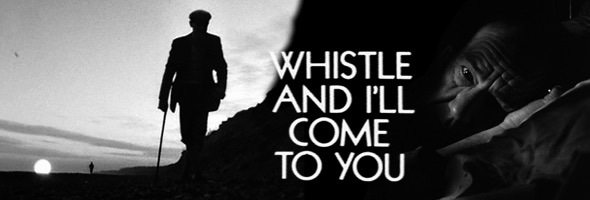
M.R. James Times Two

Montague Rhodes James, better known as M.R. James (1862-1936), was a celebrated author and medievalist scholar from the U.K. who is best known today for his many ghost stories. Horror film buffs in the U.S. were first exposed to his work when director Jacques Tourneur adapted his short story “Casting the Runes” for the 1957 film Curse of the Demon (it was titled Night of the Demon in the U.K.). To date, that still reminds the most famous M.R. James theatrical feature but that doesn’t mean the author’s work hasn’t been adapted in other memorable renditions, most of them as made-for-television productions from England. One of the most famous is James’s short story, “Oh, Whistle, and I’ll Come to You, My Lad” from 1904, which has been filmed twice by the BBC, one in 1968 entitled Whistle and I’ll Come to You starring Michael Horden and a remake from 2010 with the same title that featured John Hurt.

Continue reading
The Rip Van Winkle Syndrome

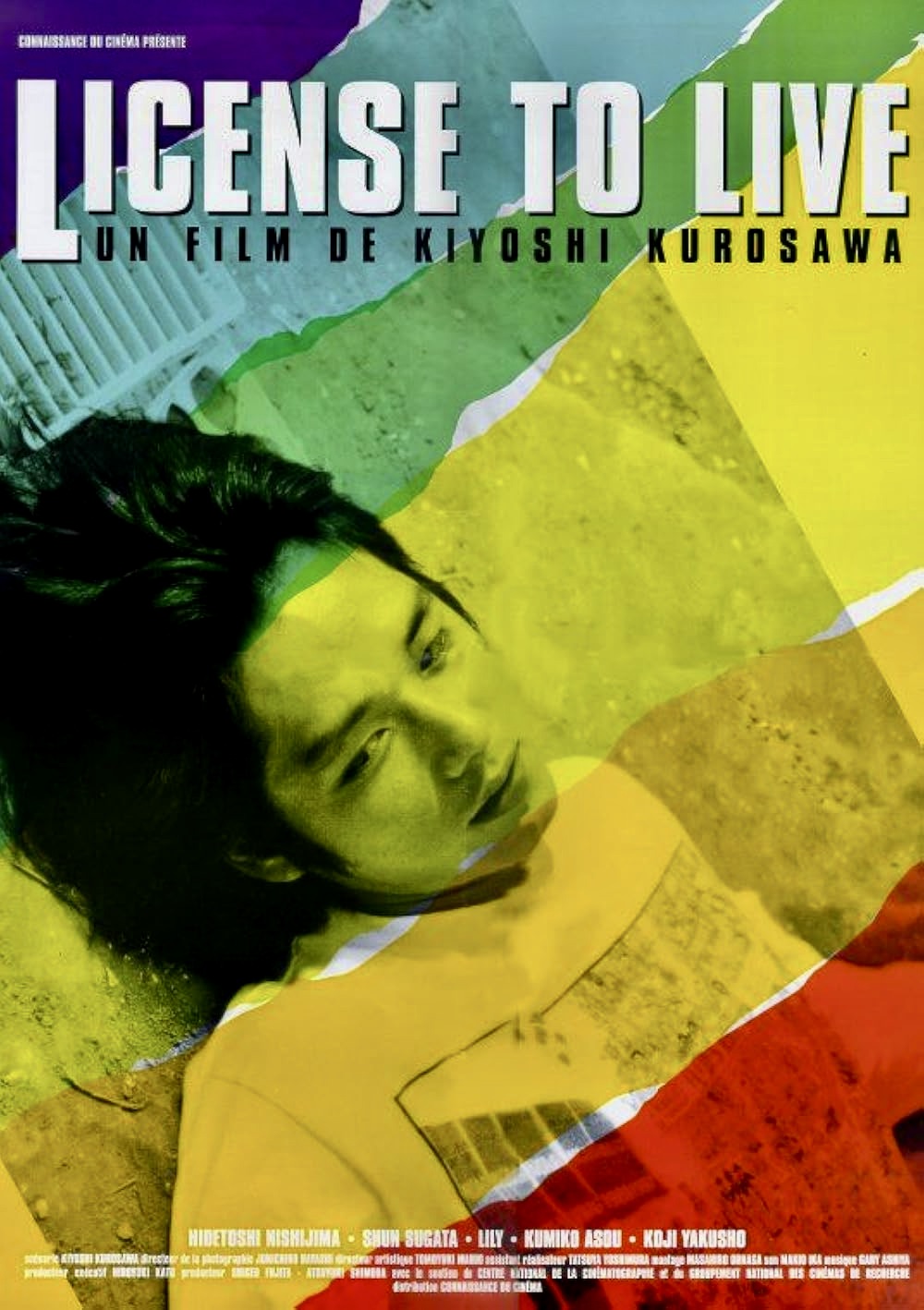
Yutaka Yoshii (Hidetoshi Nishijima) is a twenty-four-year-old man who suddenly wakes up from a coma after ten years and has to readjust to a new world. This is the basic set-up of Ningen Gokaku (English title: License to Live, 1998), a decidedly change-of-pace effort from Japanese director Kiyoshi Kurosawa, who is better known for creepy occult/psychological thrillers like Sweet Home (1989), Cure (1997) and Pulse (2001). You can only imagine what an American film studio would do with this simple concept – it would either become a rom-com like While You Were Sleeping (1995) or a horror flick such as The Dead Zone (1983) – but Kurosawa takes an approach that probably surprised even his most fervid fans. License to Live turns out to be a low-key, observational series of vignettes that slowly culminate in a moving meditation on the things that make the life of a human being worth living.

Continue reading

Hucksters, Phonies and Rubberneckers

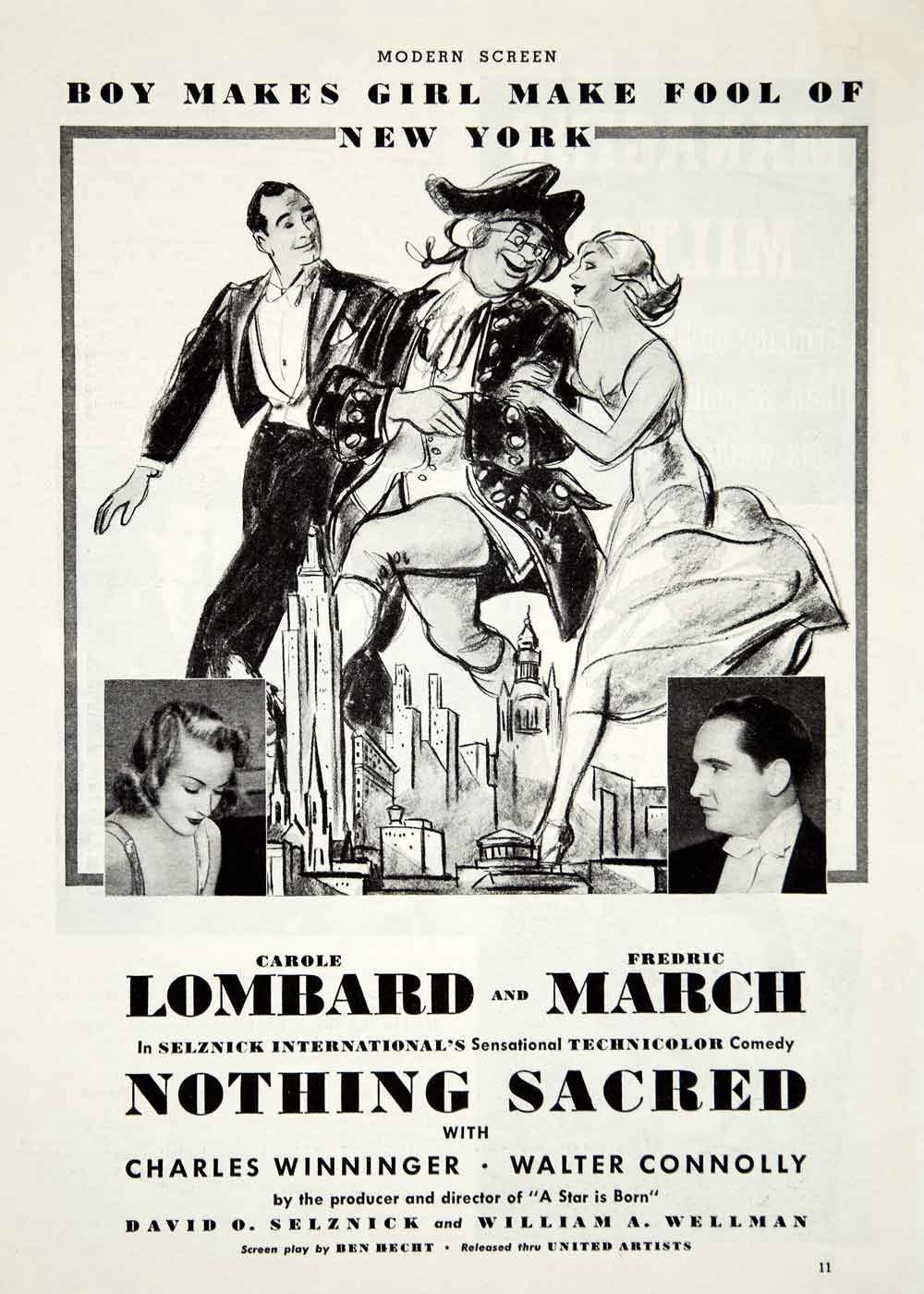
Nothing Sacred (1937) is a key film in that short-lived genre known as ‘the screwball comedy,” a unique Hollywood creation that flourished between 1933 and 1940. Distinguished by its eccentric characters, irreverent humor, and breakneck pacing, these films usually featured privileged but irresponsible characters running amok against the backdrop of the Great Depression when society was in turmoil. But while the idle rich were mercilessly lampooned in the most popular screwball comedy of the previous year – My Man Godfrey (1936) – the whole human race gets dished in Nothing Sacred, from the newspaper industry to a public that enjoys reading sob stories about someone else’s misfortune.

Continue reading

Pack Mentality

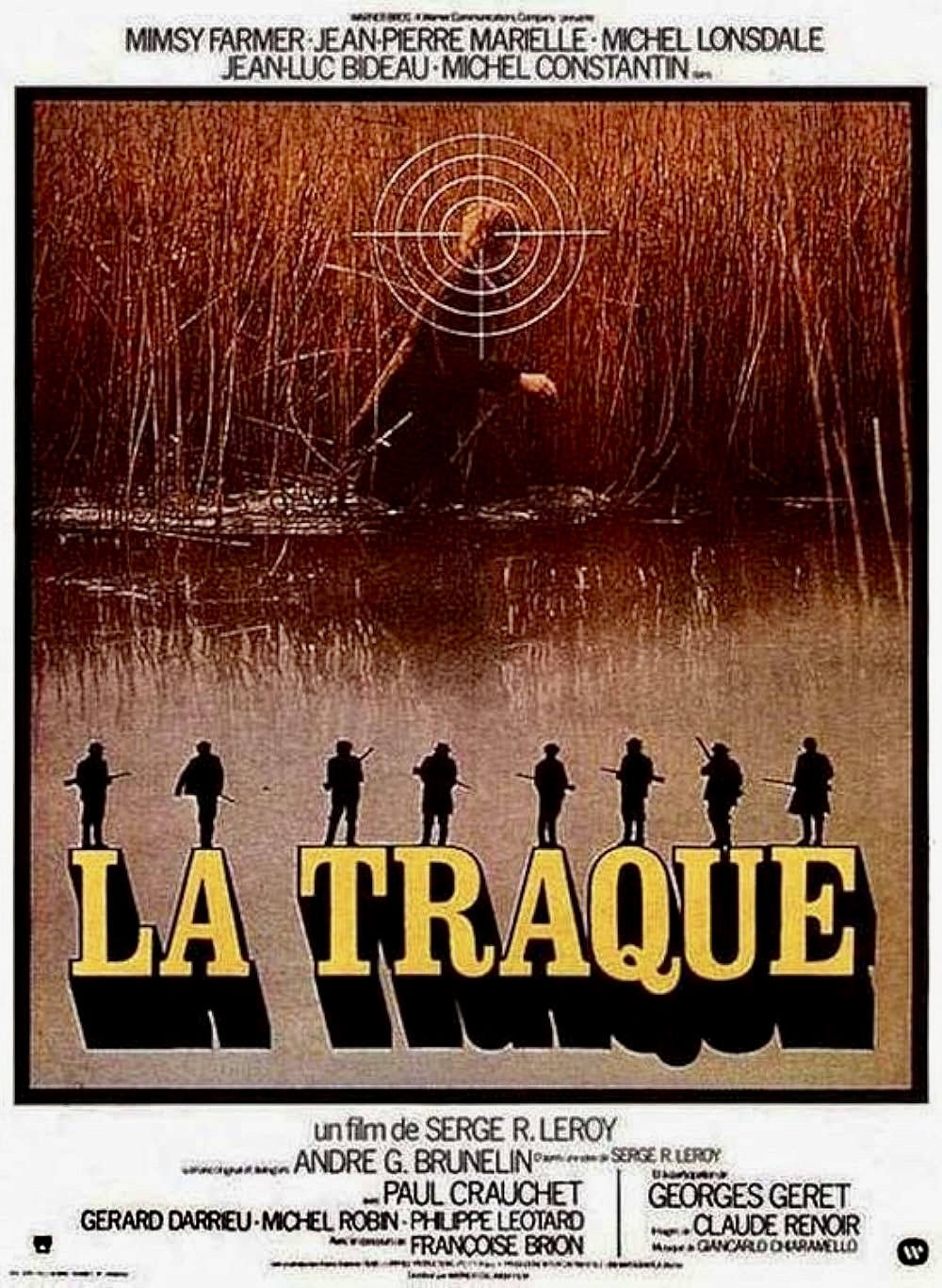
What happens when you get a bunch of men together, some of them armed with flasks of brandy or whiskey, give them guns and set them loose in the forest? It sounds like a lethal combination but it doesn’t have to be and rarely is in the world of experienced outdoorsmen. At the movies, though, it’s a different story as witnessed by so many thrillers about hunting parties and their targets. Certainly the many film adaptations of Richard Connell’s short story The Most Dangerous Game is a famous example but there are also variations such as armed officers hunting a prisoner (Antonio Isasi-Isasmendi’s A Dog Called Vengeance, 1977), men hunting each other (Carlos Saura’s The Hunt, 1967), men and women stalking each other (Elio Petri’s The 10th Victim, 1965) or men hunting women (the Australian revenge flick Fair Game, 1986). La Traque (aka The Track), a French film by Sergio Leroy, fits into the last category, but it is not a predictable genre entertainment, a satire or a blatant exploitation film.

Continue reading

Seeing is Believing

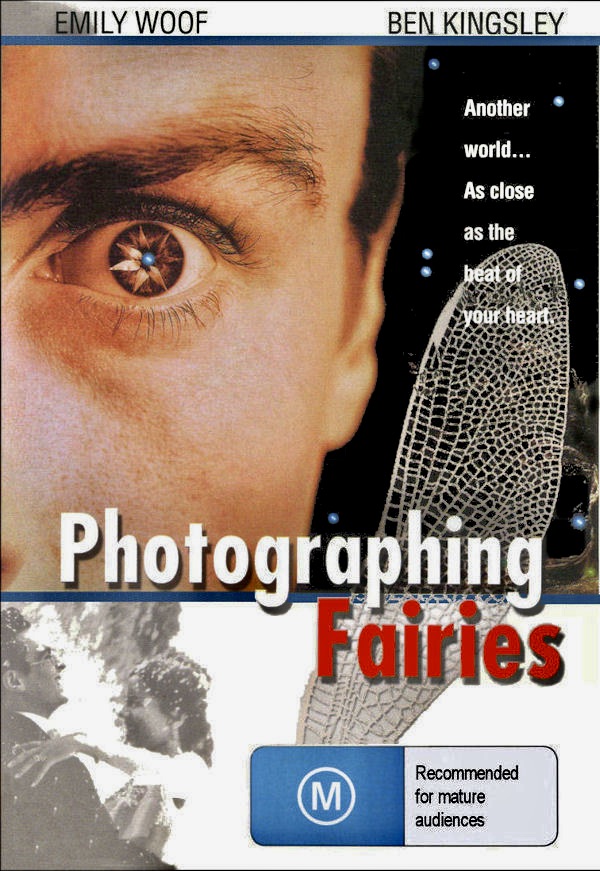
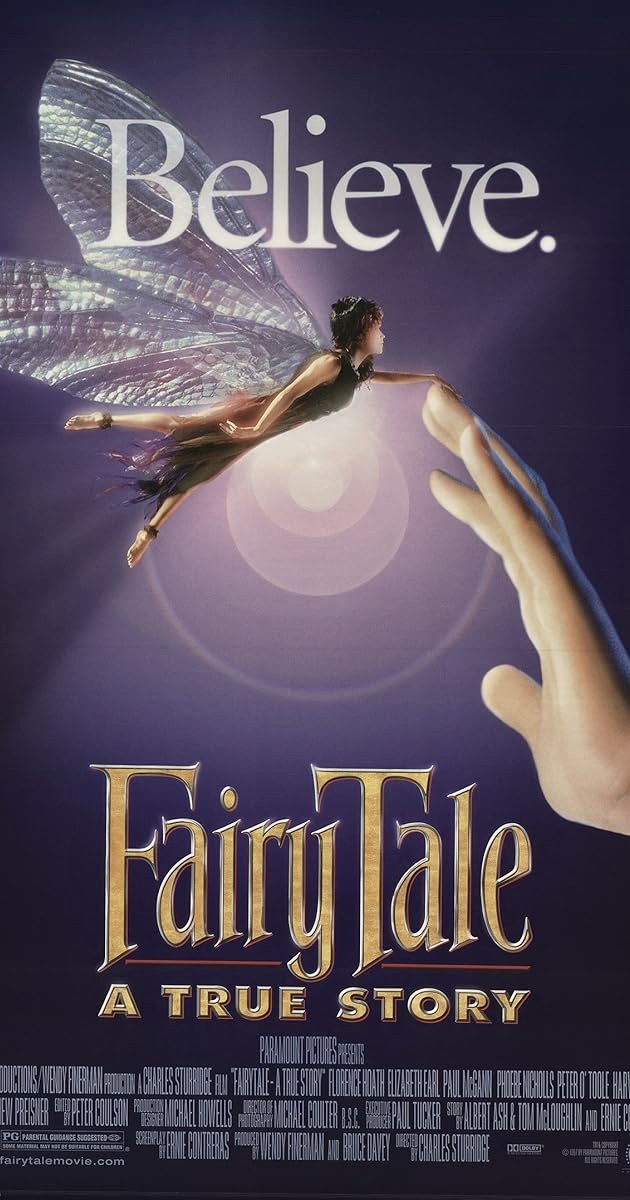
In 1917 sixteen year old Elsie Wright and her nine year old relative Frances Griffith were playing in the Wright family garden in Cottingley, England. Elsie borrowed her father’s camera to take some photos of Frances playing and a few months later she borrowed the camera again with both girls snapping photos. When the photos were developed, both girls but mainly Frances, were seen cavorting with what looked like fairies. Elsie’s father thought the photographs were faked but Elsie’s mother believed they revealed actual sprites and the photos were revealed to the public in 1919, creating an international sensation. The incident attracted the attention and support of the Theosophical Society in Bradford, England and prominent people like author Sir Arthur Conan Doyle, who was involved in the spiritualist movement, found the evidence convincing. The photographs were also denounced by non-believers like Harry Houdini, who famously campaigned against fraudulent psychics and mediums. For years, the Cottingley fairies remained a source of mystery and fascination and, in 1997, strangely enough, two different movies on the subject were produced and released in the U.K., FairyTale: A True Story and Photographing Fairies.

Continue reading

A Slippery Slope to Terror

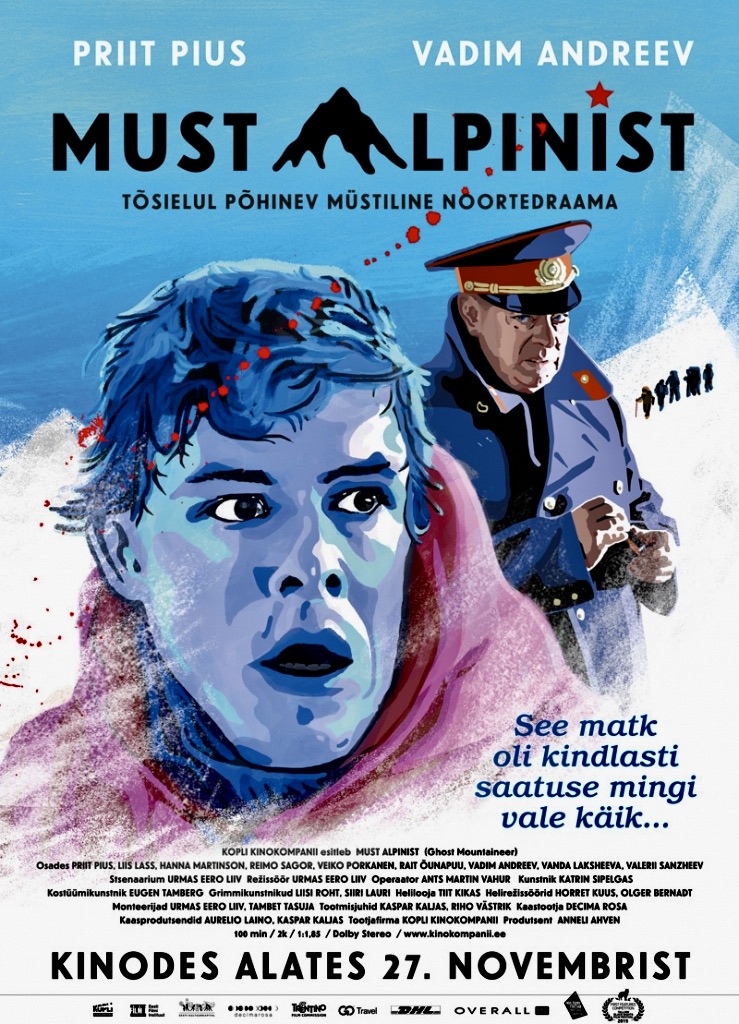
The Estonian film poster for the 2015 survival thriller GHOST MOUNTAINEER.

There are no actual ghosts in Must Alpinist (English title: Ghost Mountaineer, 2015) but all of the main protagonists – a six member team of college students – face imminent danger and possible death in the treacherous landscapes and freezing weather of the Buryatian mountains in Siberia. Based on a real incident experienced by the film’s director, Urmas E. Liiv, in 1989, this is one of the rare feature films made in Estonia by a native filmmaker and it turns out to be an unusual hybrid of various genres.

Continue reading

Going Bananas!

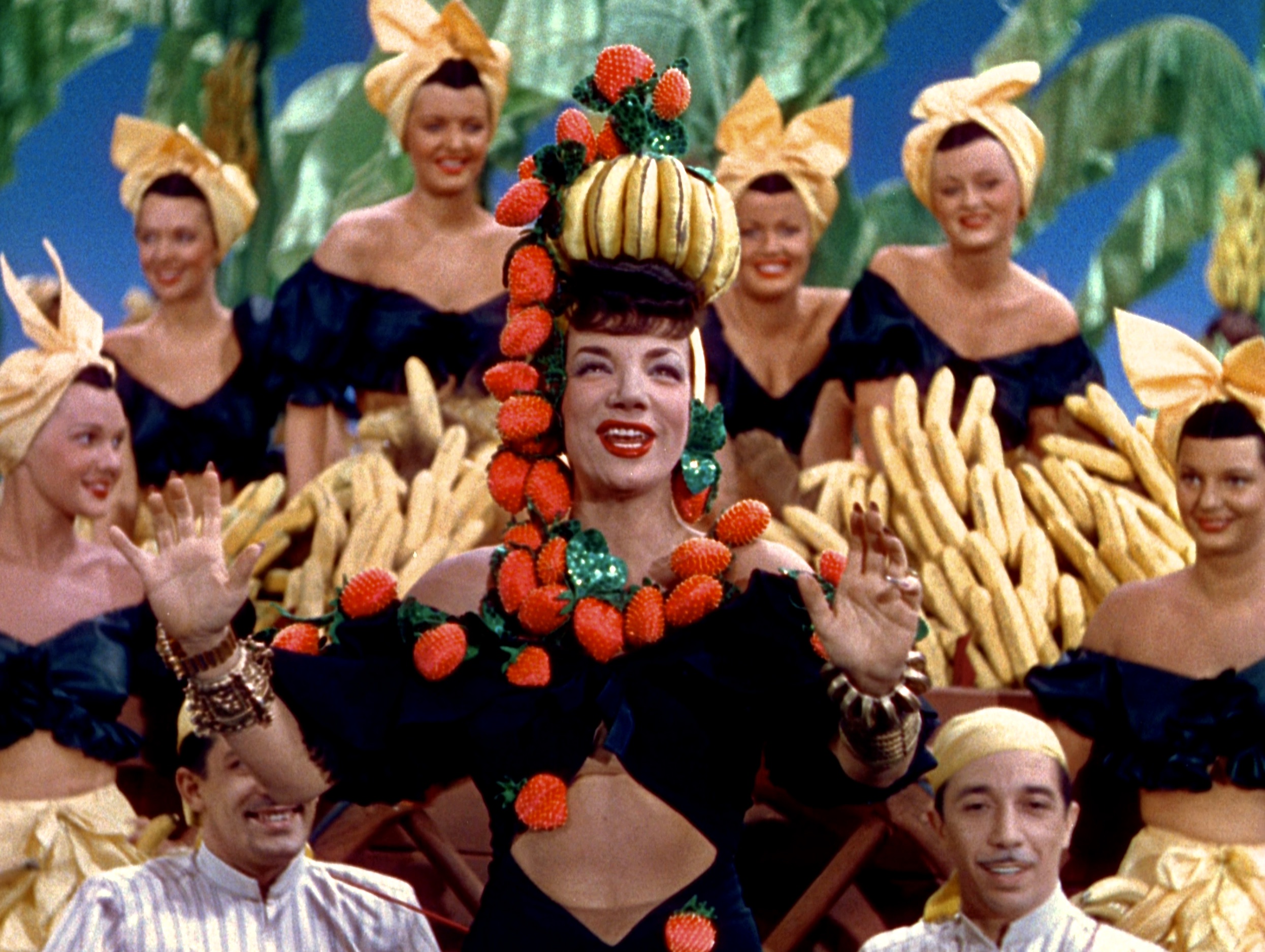
Carmen Miranda and chorus girls performing “The Lady in the Tutti Frutti Hat” from THE GANG’S ALL HERE (1943), directed by Busby Berkeley.

In the early 1970s midnight movies became a craze after the Elgin Theatre in New York discovered a surprise hit with Alejandro Jodorowsky’s El Topo (1970). Soon other theatres across the country launched their own midnight film series and movies like Night of the Living Dead (1968), Pink Flamingos (1972), The Harder They Come (1972) and Harold and Maude (1972) began to attract audiences that missed those movies during their limited initial release. Some of those early midnight movie choices were surprising and included Hollywood classics like Walt Disney’s Fantasia (1940), the rock ‘n’ roll satire The Girl Can’t Help It (1956) and the WW2 era musical The Gang’s All Here (1943). Yet, when you consider the fact that a lot of those early midnight movie screenings were attended by younger audiences, many high on pot or other substances, it starts to make sense. The Gang’s All Here, in particular, with its eye-popping dayglo Technicolor hues, surreal art direction and outlandish dance choreography is as psychedelic and mind-blowing as the “trip sequence” in Kubrick’s 2001: A Space Odyssey (1968).

Continue reading

Dance of the Possessed

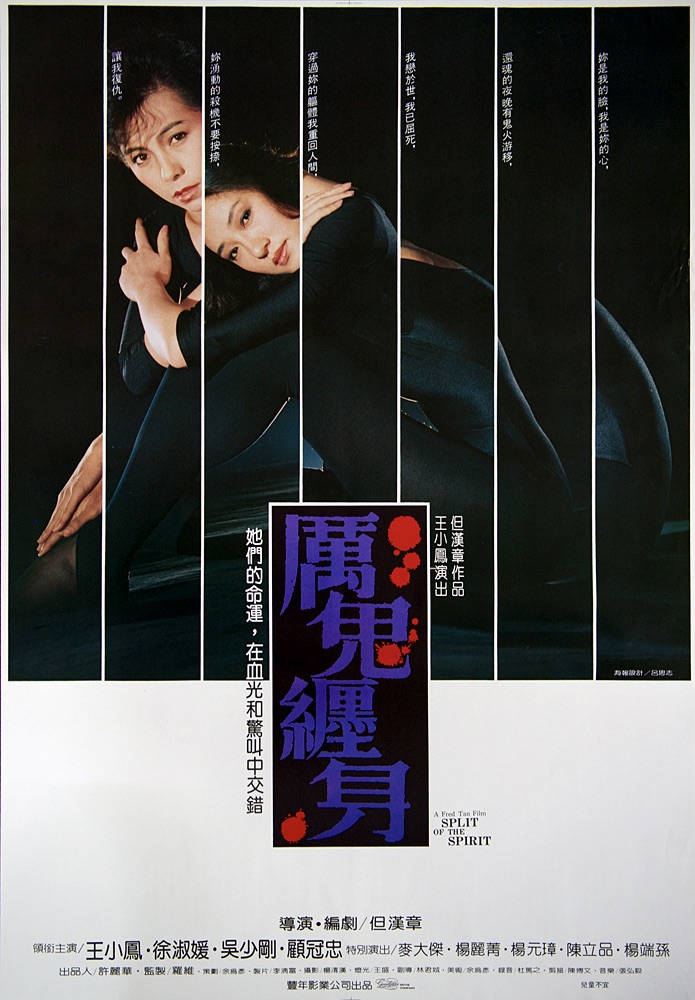
The Taiwan film poster for SPLIT OF THE SPIRIT (1987)

Remember the 1984 comedy All of Me, directed by Carl Reiner? In that film, Lily Tomlin plays a dying heiress who plans to have her soul transferred into the body of a younger woman but something goes wrong in the process and she ends up inhabiting the body of an attorney (Steve Martin). Imagine a horror fantasy variation of that premise and you have Li Gui Chan Shen (English title: Split of the Spirit, 1987), a Taiwanese film from director Fred Tan.

Continue reading

Blackpool is Calling

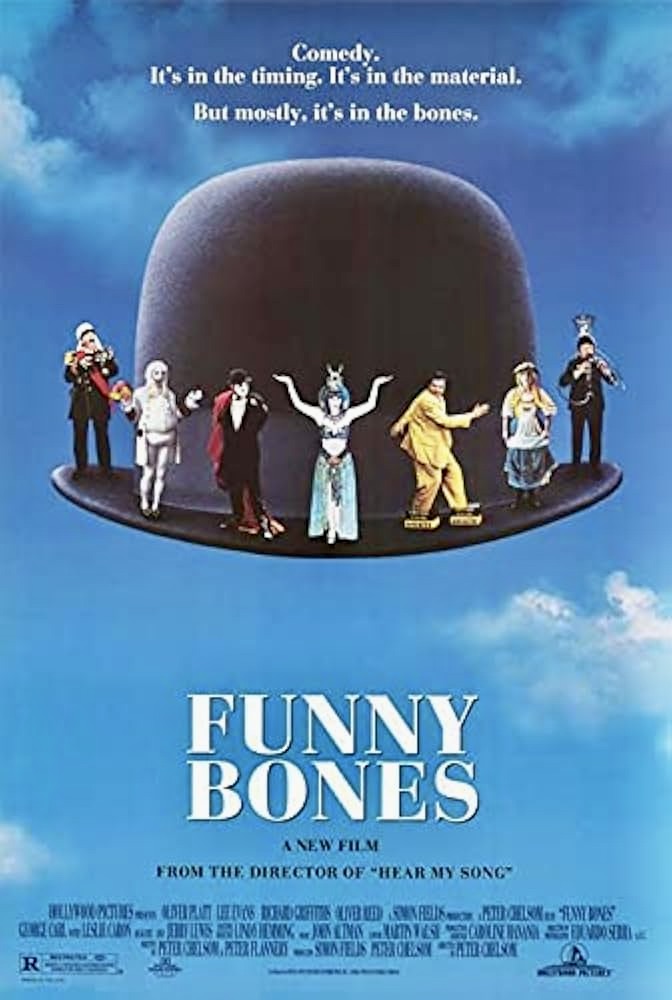
1995 was an exceptionally strong year for film releases, not just in the U.S. but around the world. To give you some idea of the diversity and range, consider the following movies, some of them Oscar winners or nominees: Pulp Fiction, Ed Wood, The Madness of King George, La Haine, The Adventures of Priscilla, Queen of the Desert, Hoop Dreams, Queen Margot, Speed, Eat Drink Man Woman, The Lion King, Three Colors: Red, The Shawshank Redemption, The Lost City of Children, and Forrest Gump. An eclectic list to be sure but one of my favorite movies somehow got lost and overlooked in the mix – Peter Chelsom’s Funny Bones, which is mostly set in Blackpool, England, a popular tourist resort originally built as a vacation destination for working class families during the late 1800s.

Continue reading

Rest Home of the Cruel Puppet

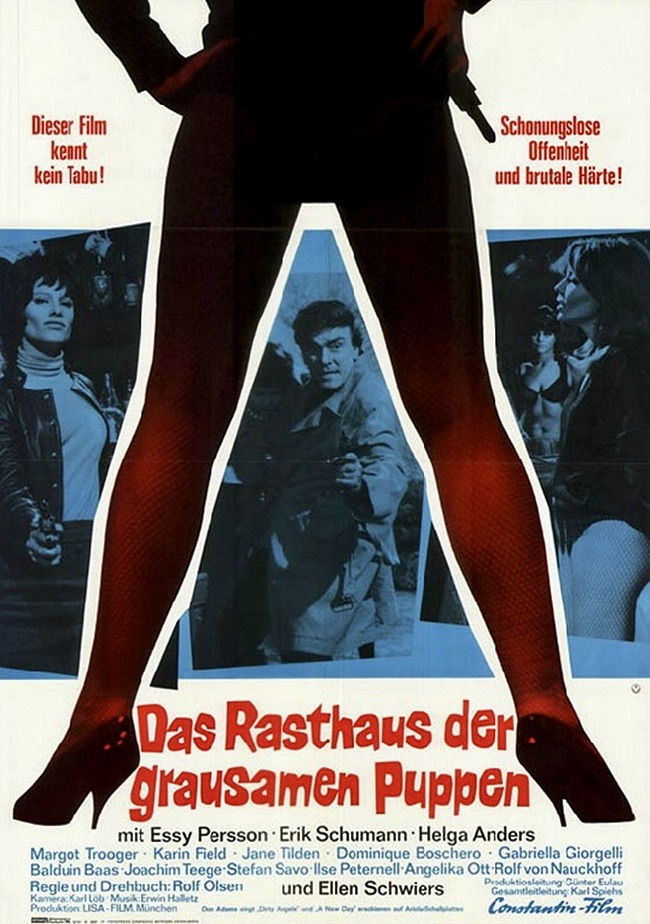
The German film poster for THE DEVIL’S GIRLS (1967) aka Rest Home of the Cruel Puppet.

Have you ever noticed that some international film titles just don’t translate easily into English? Take, for example, the German B-movie crime thriller Das Rasthaus der grausamen Puppen (1967), directed by Austrian triple threat Rolf Olsen, a prolific actor, screenwriter and director. The film was released in some markets as The Devil’s Girls but it was also known as Inn of the Gruesome Dolls, The Roadhouse of the Violent Girls, and, my favorite, Rest Home of the Cruel Puppet. The latter WTF title gives no clear indication of what the hell it’s about so let me lay it out for you. Think of it as a German variation on Russ Meyer’s Faster, Pussycat! Kill! Kill! (1965) crossed with a women-in-prison flick like House of Women (1962). Add in some exploitation elements like catfights, an attempted lesbian seduction, and gratuitous violence and top it all off with some lame comic relief not unlike the inclusion of moronic characters similar to comedian Eddi Arent in the Edgar Wallace krimi thrillers of the 1960s (Arent usually played meddlesome servants, bumbling detectives or eccentric upper-class twits in those films). It all adds up to wildly uneven but consistently entertaining grindhouse trash where scenes can sometimes be mean-spirited and goofy at the same time.

Continue reading