Living Large in Texas

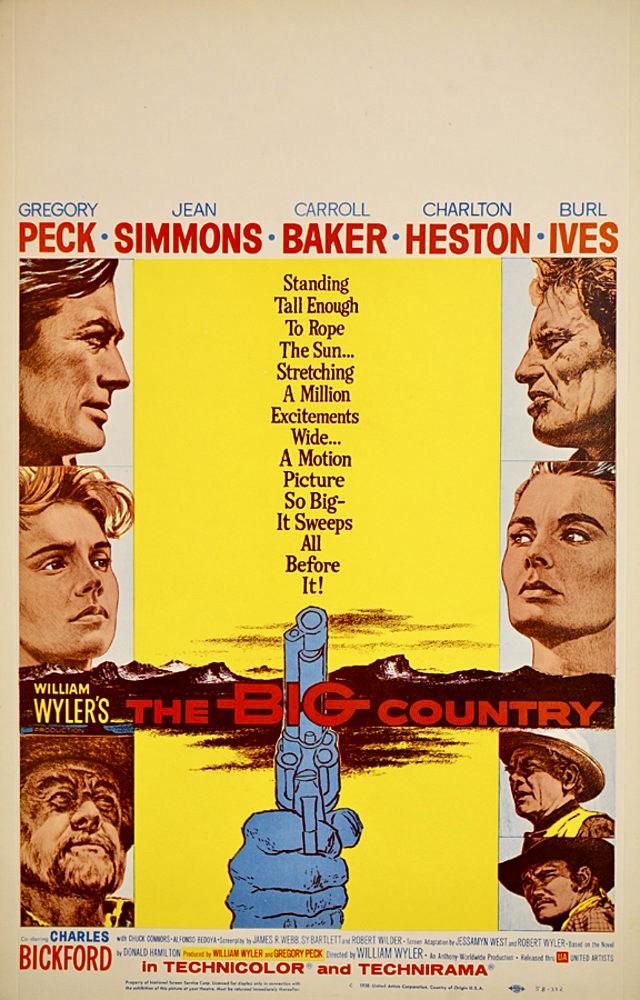
Director William Wyler had spent most of his film career trying to gain creative control of his pictures but kept falling short of his goal in his dealings with Paramount and other studios. In 1956, he attempted to remedy that situation by entering into a joint venture with his good friend, Gregory Peck, to create an epic western called The Big Country (1958). In Wyler’s words, the film was “about a man’s refusal to act according to accepted standards of behavior. Customs of the Old West were sort of debunked.”

Continue reading
Three Men and a Baby

Moviegoers often complain about the Hollywood practice of remaking a film that was popular the first time around so why make it again. The answer is obvious. A good story is worth retelling again and again and author Peter B. Kyne is one of those writers whose various novels and stories have been adapted to the screen more than 100 times, especially during the silent and early sound era. Many of these works were also adapted by screenwriters without his consent or any compensation from the studios but most film buffs will recognize his most popular creation, which was a 1913 novella entitled Three Godfathers (It first appeared in The Saturday Evening Post in November 1912). D.W. Griffith made a short silent version of it in 1913 with Harry Carey called The Sheriff’s Baby. There was a Universal silent version in 1916 which also starred Harry Carey, then a remake directed by John Ford in 1920 called Marked Men, and yet another remake by Ford in color and starring John Wayne in 1948 entitled 3 Godfathers. Other adaptations include a made-for-TV version entitled The Godson in 1974 and even a 2003 Japanese anime called Tokyo Godfathers from director Satoshi Kon as a homage to the original story. But one version that is often overlooked is Hell’s Heroes (1929) directed by William Wyler.

Continue reading

Terence Stamp is Timeless

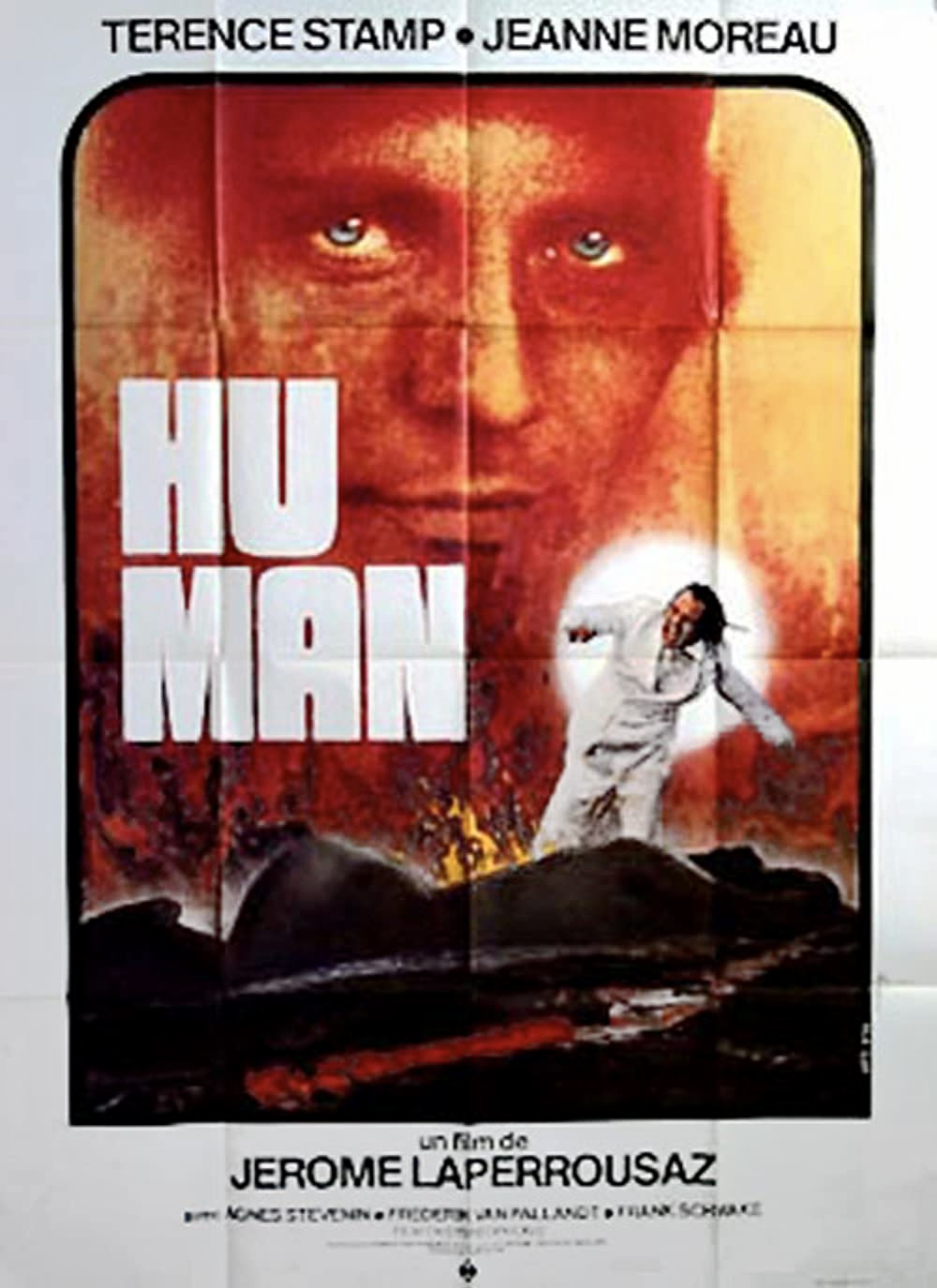
Time travel has been explored in countless science fiction novels and movies over the years but it is not often treated in such an abstract and ethereal manner on screen as it is in Hu-Man, a 1975 French film from director Jerome Laperrousaz. Except for popping up at a few film festivals in the seventies, Hu-Man went missing for years and was assumed to be lost until clips from it appeared in 1998 on the BBC interview series Scene by Scene, hosted by Mark Cousins. Terence Stamp, the star of the film, was the subject of a career retrospective and Cousins was particularly interested in asking Stamp about some of the more challenging and unusual roles in his filmography such as Hu-Man.

Continue reading

Irene Dunne in a Sinclair Lewis World

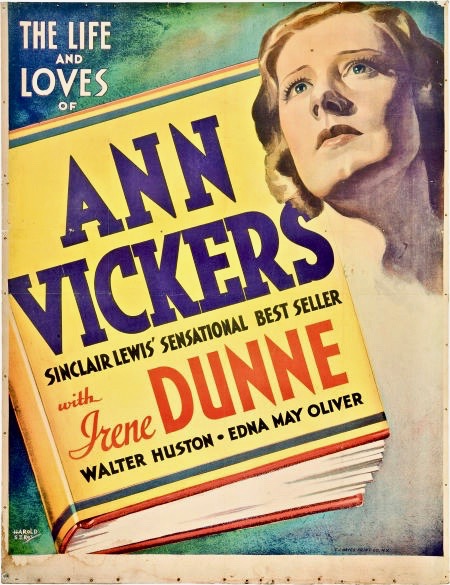
Among the many film adaptations of Sinclair Lewis novels over the years, Ann Vickers (1933) is probably the least known of them all, and, it wasn’t among the most popular or critically acclaimed of Lewis’s novels either. Those would be Main Street (1920), Babbitt (1922), Arrowsmith (1925), Elmer Gantry (1927) and Dodsworth (1929). Yet, Ann Vickers is probably Lewis’s most fully developed female protagonist and the 1933 film version starring Irene Dunne and Walter Huston is a flawed but fascinating movie that provides an apt example of how the work of a great American writer can be completely altered, distorted or softened by Hollywood and the Production Code officials.   Continue reading