The Stiletto Club

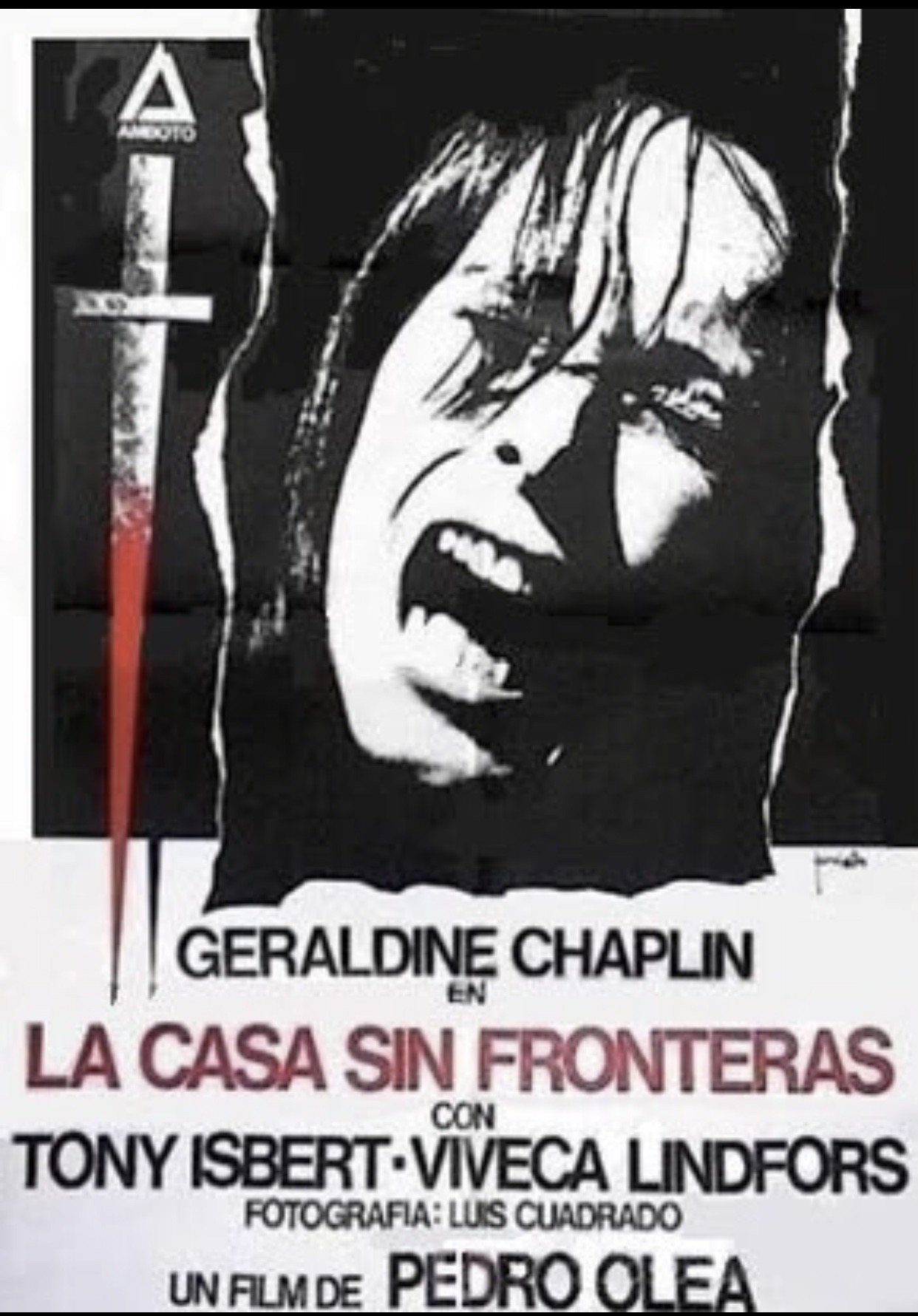
Conspiracy thrillers have been a popular subgenre in movies ever since the silent era with such memorable entries as The Ace of Hearts (1921) in which Lon Chaney stars as a member of a secret society that gets rid of people deemed unfit to live among them. Alfred Hitchcock’s The 39 Steps (1935) is an equally menacing early talkie classic and The Manchurian Candidate (1962), about a brainwashed ex-military hero being controlled by political subversives, is probably the best-known representative of all. However, it wasn’t until the 1970s that conspiracy thrillers reached an all-time high in popularity as witnessed by such iconic Hollywood releases as The Parallax View (1974), The Conversation (1974), Three Days of the Condor (1975), Capricorn One (1977) and The Boys from Brazil (1978). Other countries contributed their own variations on the genre like Spain, which released La Casa sin Fronteras (English title: The House Without Frontiers), a deeply unsettling effort from director Pedro Olea, which was made while General Franco was still in power and which prefigures the paranoid scenarios made popular by The Parallax View and others.

Continue reading

The Secret World of Cenci and Leonora

An eerie promotional image from the 1968 film SECRET CEREMONY starring Mia Farrow and Elizabeth Taylor, directed by Joseph Losey.

Pretentious art house bomb, neglected masterpiece or inscrutable personal project for Joseph Losey? Secret Ceremony (1968) had the misfortune to follow Boom! (1968), the director’s notoriously lambasted film adaptation of Tennessee Williams’ The Milk Train Doesn’t Stop Here Anymore starring the world’s most famous celebrity couple at the time, Richard Burton and Elizabeth Taylor. Equally challenging for mainstream audiences, Secret Ceremony was promoted as a kinky psychodrama with lesbian overtones and such tag lines as “It’s time to speak of unspoken things” and “No one admitted the last 12 minutes.” Yet, despite the presence of Elizabeth Taylor, Robert Mitchum and Mia Farrow, who had just appeared in the as-yet-unreleased Rosemary’s Baby the same year, the movie was too strange, decadent and moody to hold the attention of moviegoers and critics expecting a more traditional genre film.

Continue reading

A Western Greek Tragedy

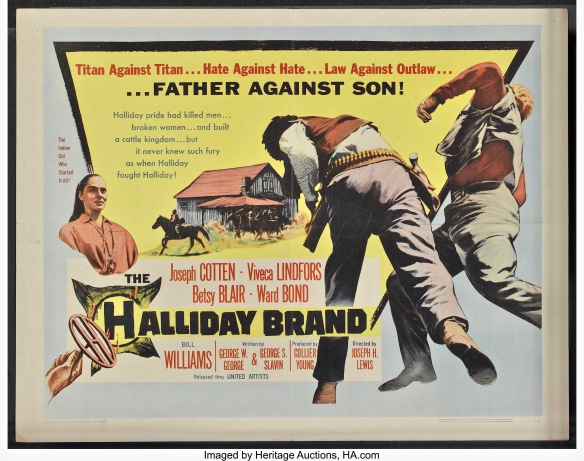
By the 1950s, the popularity of the Western genre was in decline and Hollywood studios tried to revitalize the once box office proof formula by trying everything from Technicolor and Cinemascope visual enhancements to hybrid novelties such as 1954’s Red Garters (a musical with stylized sets) and 1959’s Curse of the Undead (featuring a vampire gunslinger) to topical approaches that reflected a growing interest in psychology such as The Furies [1950] and High Noon [1952]. Into the latter category falls The Halliday Brand [1957], one of the more intense but least well known of the adult Westerns being produced in that era.  Continue reading