Clu Gulager in Sweden

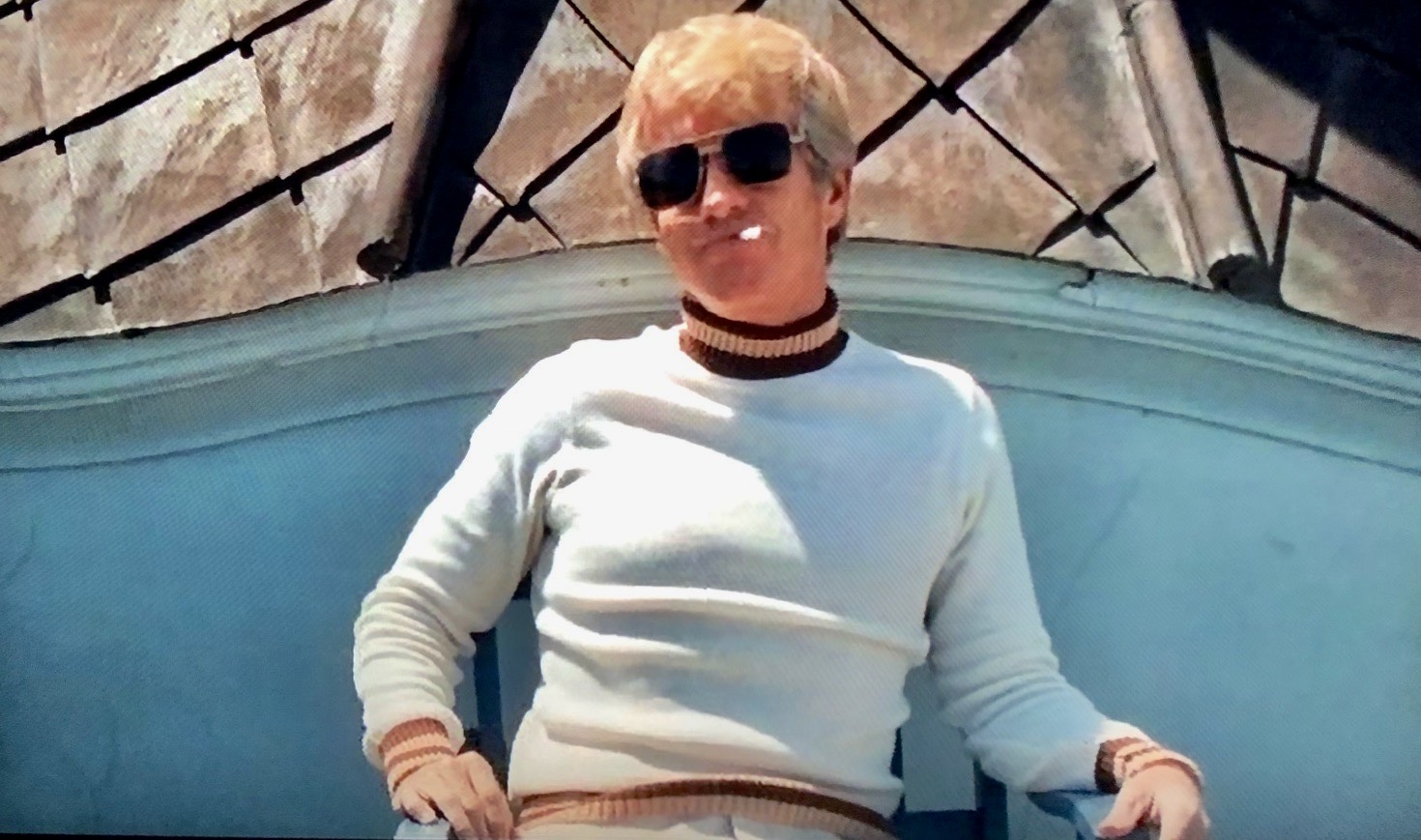
American gangster Glenn Mortenson (Clu Gulager) relocates to a small town in Sweden with plans to build a new empire in the 1974 Swedish cautionary tale, GANGSTER FILM.

Holdenville, Oklahoma native Clu Gulager was an extremely busy and prolific actor (over 160 TV and movie credits) who worked right up to his death at 93 in August 2022. Even if he never quite graduated to the A list of Hollywood actors, he will always be remembered for starring roles in two iconic TV westerns, The Tall Man (1960-62), as Billy the Kid, and The Virginian (1963-68) as Sheriff Emmett Ryker as well as several cult movies. Among them are his feature film debut opposite Lee Marvin as a pair of sociopathic hit men in the 1964 remake of The Killers, directed by Don Siegel, The Return of the Living Dead (1985), Dan O’Bannon’s macabre zombie comedy, and A Nightmare on Elm Street 2: Freddy’s Revenge (1985). Other notable roles include memorable parts in the Paul Newman racetrack drama Winning (1969), Peter Bogdanovich’s The Last Picture Show (1971) and McQ (1974), a John Wayne cop thriller, but if American audiences had been given an opportunity to see him in the 1974 Swedish film Gangsterfilmen (U.S. title: Gangster Film aka A Stranger Came by Train), they would surely rank it right up there with his intimidating but off-the-wall performance in The Killers, which should have made him a major star.
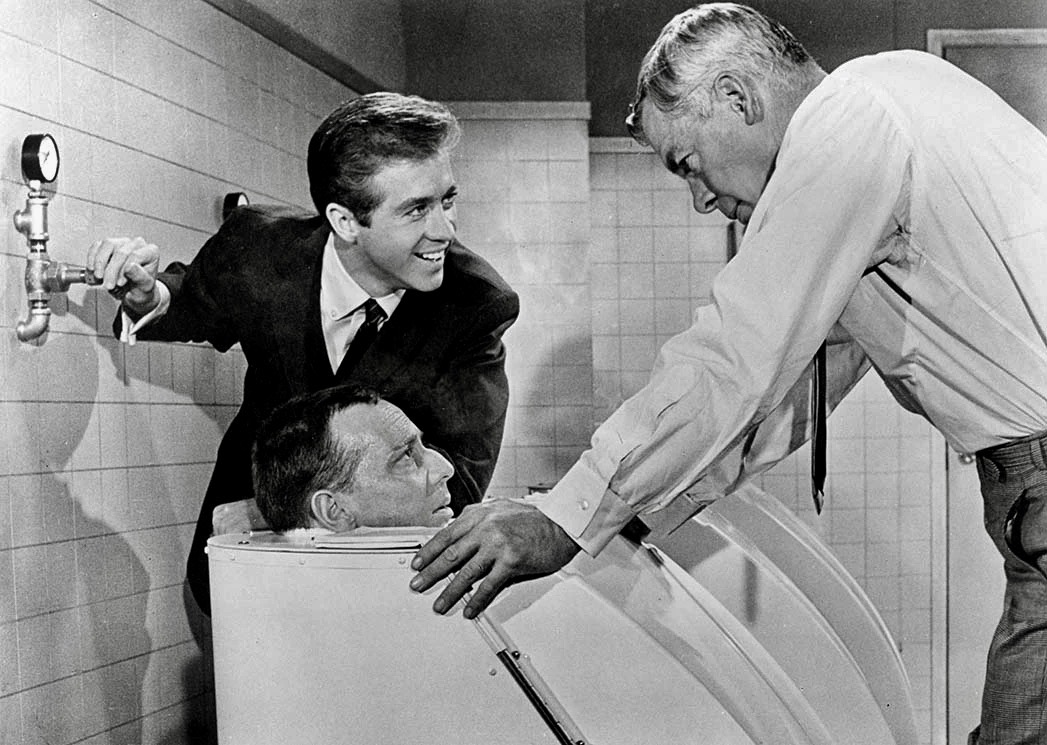
Lee (Clu Gulager, left) plays a devilish hit man who wants to turn up the heat on a victim in THE KILLERS (1964), co-starring Lee Marvin (right).
Continue reading

In Conversation with Peter Bogdanovich

Writer/Director/Producer Peter Bogdanovich

The following conversation with Peter Bogdanovich was conducted in April 2010 just prior to the first official TCM Classic Film Festival in which the director co-hosted a screening with Vanity Fair writer David Kamp of Orson Welles’ The Magnificent Ambersons. Bogdanovich, of course, was a close friend of Welles’ and is the creator of that indispensible interview collection, This is Orson Welles. Among other topics discussed are such films as Targets, What’s Up, Doc?, Paper Moon, Saint Jack, unproduced Welles’ projects like Heart of Darkness and Welles’s obsession with fake noses.   Continue reading

Picaresque Americana

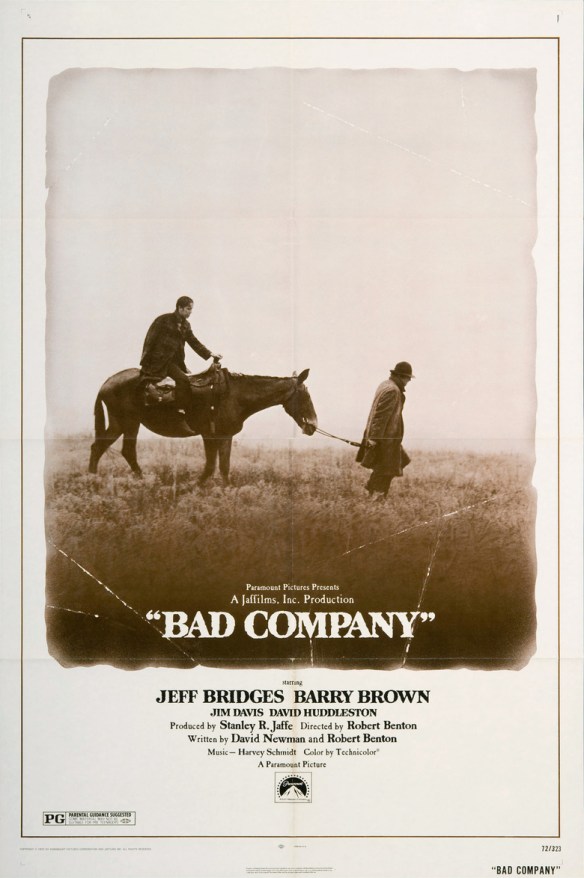
Everyone involved creatively with the making of Arthur Penn’s landmark of sixties cinema, Bonnie and Clyde (1967), benefited greatly from its astounding international success. Certainly the director and all the key cast members saw an immediate acceleration in their careers and it enabled screenwriter Robert Benton to make his directorial debut in 1972 with Bad Company, working from a script he penned with his Bonnie and Clyde writing partner, David Newman. Structured in a manner similar to the Arthur Penn film, it was a picaresque and episodic road movie, set during the Civil War, with an authentic sense of period detail and moments of biting wit and sudden, shocking violence that gave a contemporary edge to the Americana on display.   Continue reading