Breaking Up is Hard to Do

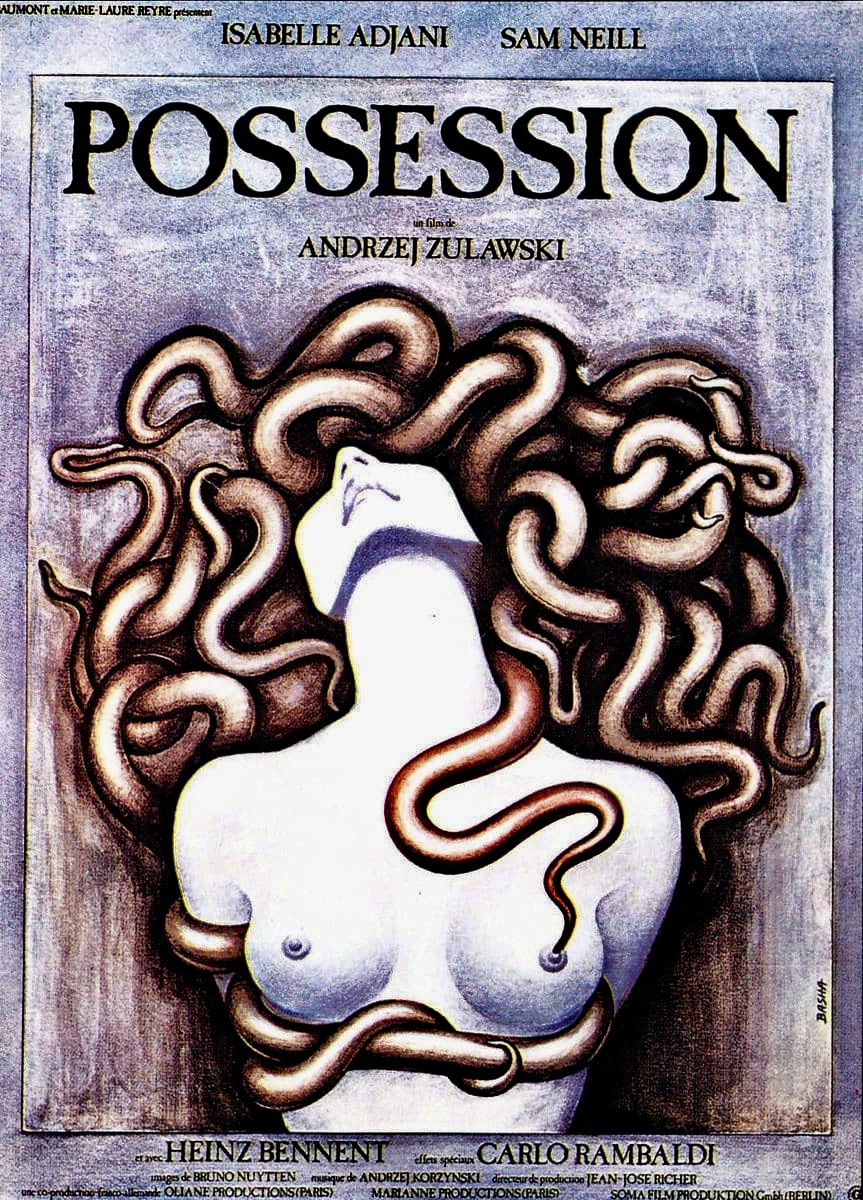
In The Devil’s Dictionary, a satirical lexicon written by Ambrose Bierce which was first published in 1906 under the title The Cynic’s Word Book, marriage is described as “The state or condition of a community consisting of a master, a mistress and two slaves, making in all, two.” While it may be an amusing if not particularly favorable definition of what should be a sacred union between two people, it does reflect a negative viewpoint embraced by some who have suffered through it. Possession (1981), directed and co-written by Andrzej Zulawski with Frederic Tuten, takes this conceit a step further, depicting the institution of marriage as not just a form of slavery but the embodiment of hell on earth.
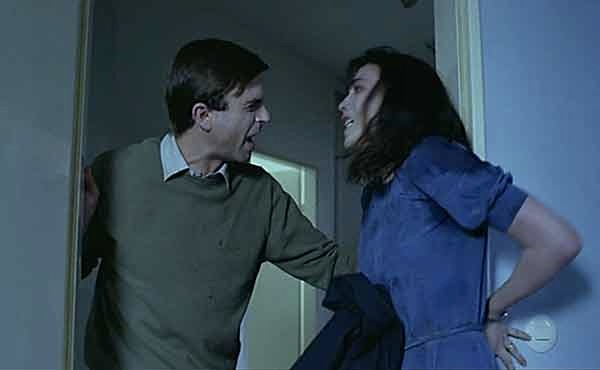
Mark (Sam Neill) confronts Anna (Isabelle Adjani) over her reasons for wanting to end their marriage in POSSESSION (1981).
Continue reading

Pinko Paranoia

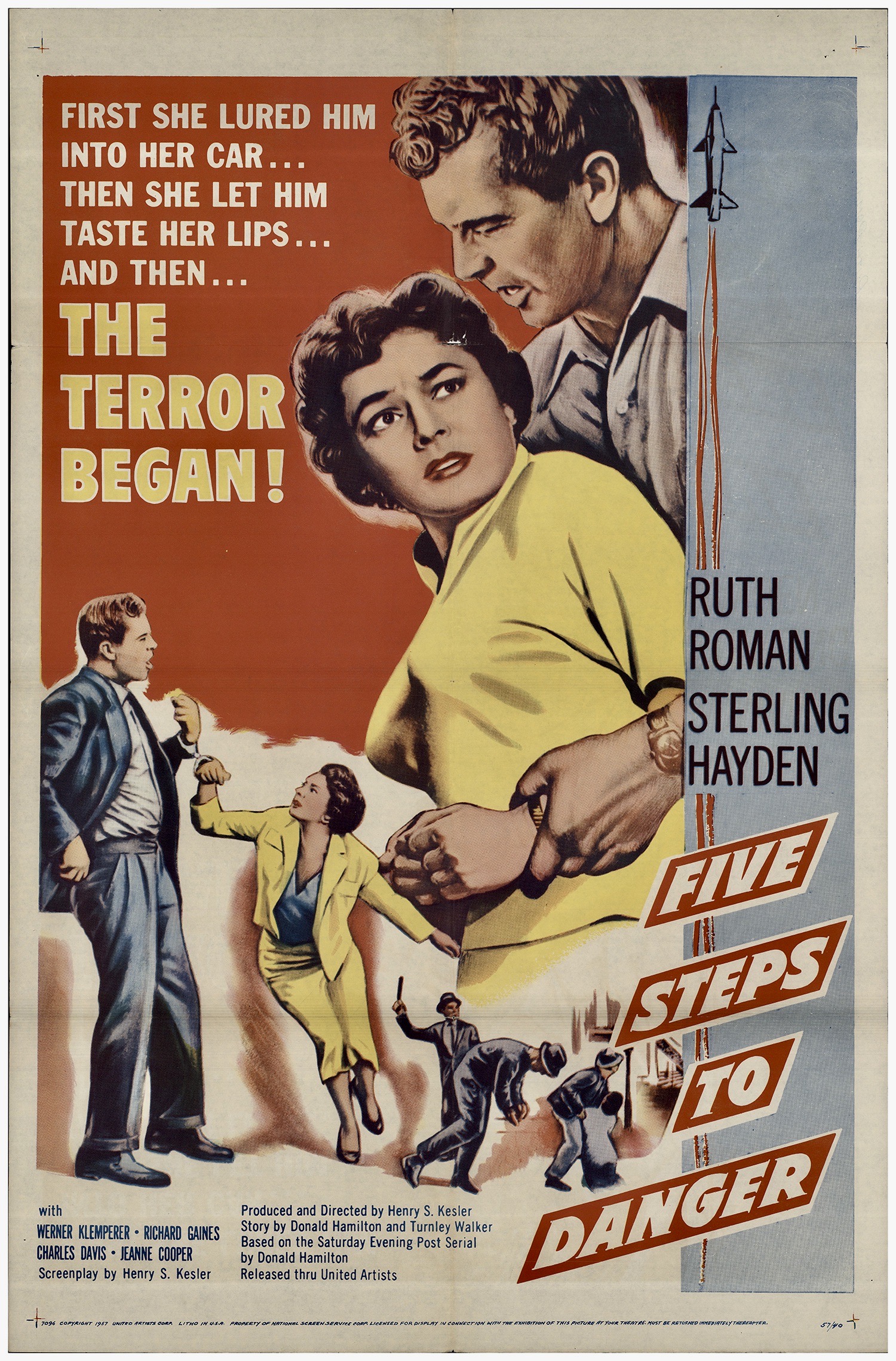
Only two years after WW2 officially ended on September 2, 1945, relations between the United States and the USSR cooled and became frosty, ushering in The Cold War era, which lasted until the dissolution of the Soviet Union on December 26, 1991. Hollywood was quick to capitalize on this disturbing new reality by producing and releasing a string of anti-communist dramas, adventures and spy thrillers, many of them grade A productions with major stars from the top studios. One of the earliest releases was The Iron Curtain (1948) from 20th-Century-Fox, which was directed by William A. Wellman and reunited Dana Andrews and Gene Tierney from Laura in a true life story about a Soviet defector in Canada. Many others followed such as The Red Danube (1949) and Conspirator (1949) from MGM, Diplomatic Courier (1952) with Tyrone Power battling Soviet agents in post-war Europe and Leo McCarey’s infamous red scare melodrama, My Son John (1952). Even John Wayne got on the patriotic bandwagon and sounded off against the commies in Big Jim McLain (1952) from United Artists, Blood Alley (1955) from Warner Brothers, and Jet Pilot (1957) from RKO. All of these, however, were high profile releases compared to 5 Steps to Danger (1957),  a modest but highly entertaining indie feature from Grand Productions (distributed by United Artists), which teamed up Sterling Hayden and Ruth Roman.

Continue reading

I Was a Teenage Peeping Tom

Craig Fowler (Paul Anka) is a lonely, insecure teenager who likes spying on his female neighbors in LOOK IN ANY WINDOW (1961).

Among the many teen idols of the fifties who climbed to fame with top forty hit records, only a few made the successful crossover to film acting. Pat Boone was groomed by 20th-Century-Fox as a teen matinee idol in Bernadine (1957), Tommy Sands stayed in his comfort zone playing an aspiring pop star in Sing Boy Sing (1958), Fabian made his screen debut with the family-friendly backwoods drama Hound-Dog Man (1959), and Bobby Rydell played your average boy-next-door opposite Ann-Margret in Bye Bye Birdie (1963). Paul Anka, on the other hand, appeared in the most unlikely vehicle for his first major starring role – Look in Any Window (1961).   

Continue reading

Nicholas Ray’s Gender Bender Western

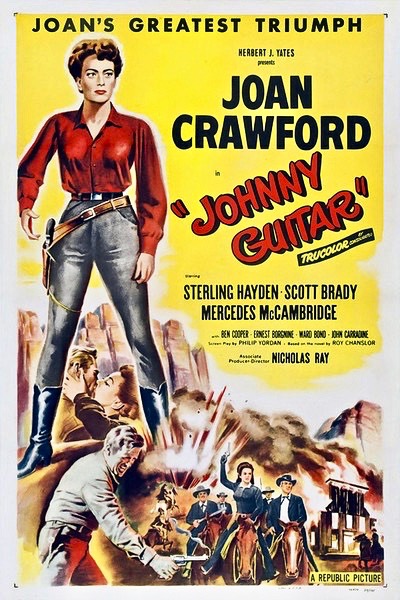
In the fifties, the Western genre experienced a revitalization that saw new approaches to the form – everything from a film noir interpretation like The Furies (1950) to a psychological thriller like High Noon (1952) to a promotional gimmick like the 3-D Western, Hondo (1953). However, it’s safe to say that Johnny Guitar (1954), Nicholas Ray’s bold experiment with color, role reversal, stylized sets, and operatic emotions is a one of a kind masterpiece that will never be repeated.   Continue reading