Deciphering a French Film Icon

In 1969 French actor Jean-Louis Trintignant had three films in competition at the Cannes Film Festival, Costa-Garvas’s Z, Giuseppe Patroni Griffi’s Metti, Una Sera a Cena (Love Circle) and Eric Rohmer’s My Night at Maud’s, with the actor garnering critical praise for his performance in all three movies. When asked by an interviewer how it felt to be a potential prize recipient, Trintignant replied, “I’m not an award winner. I don’t have that affect to win Best Actor. You need a mad scene or a drunken scene or something like that. And in the films selected I don’t have any like that. All these roles are rather underwhelming. They’re ambiguous. They are complex but not remarkable. I’m not remarkable.” Typical of Trintignant, his response was self-deprecating but also shrewdly self-aware. The irony is that he did win Best Actor at Cannes for Z that year for playing the steadfast, non-partisan investigator of a highly political case. In fact, he built a career playing characters who were often hard to read, repressed or quietly self-possessed, and he made them endlessly fascinating for the viewer. This is just one of many insights shared by director Lucie Caries in Trintignant by Trintignant, an intimate documentary portrait of the actor that was made for French television in 2021, the year before he died. Even though the documentary is barely an hour in length, it pulls from more than 70 years of archival material, photos, interviews, TV and film clips and comments by fellow actors and directors to help dissect the enigma that is Jean-Louis Trintignant.

Continue reading
Claude Chabrol: The Eye of Evil

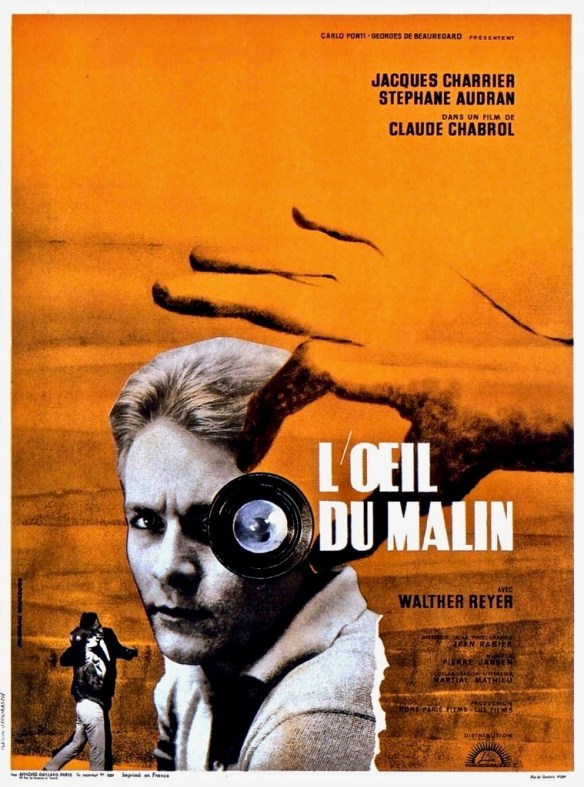
Among the French New Wave directors, Claude Chabrol was the most prolific filmmaker after Jean-Luc Godard but his work was always divided between personal projects and commercial vehicles which he felt obligated to make so he could finance the former. Unfortunately, most of his “for hire” projects like Code Name: Tiger (1964) and Who’s Got the Black Box? (1967) were not successful with the public and ended up adversely affecting his reputation among film critics after his acclaimed film debut, Le Beau Serge (1958). Although he enjoyed a major comeback in the late sixties-early seventies with such well-received efforts as Les Biches (1969), La Femme Infidele (1969) and Le Boucher (1970), the films he made between 1959 and 1967 were mostly regarded as minor or flawed works by French critics, which hurt their distribution chances outside of France. One title that fell through the cracks and is now being reassessed as one of his most important early works is The Third Lover (1962), which was released on Blu-Ray in late February of 2020.   Continue reading

Cult of the Arachnids

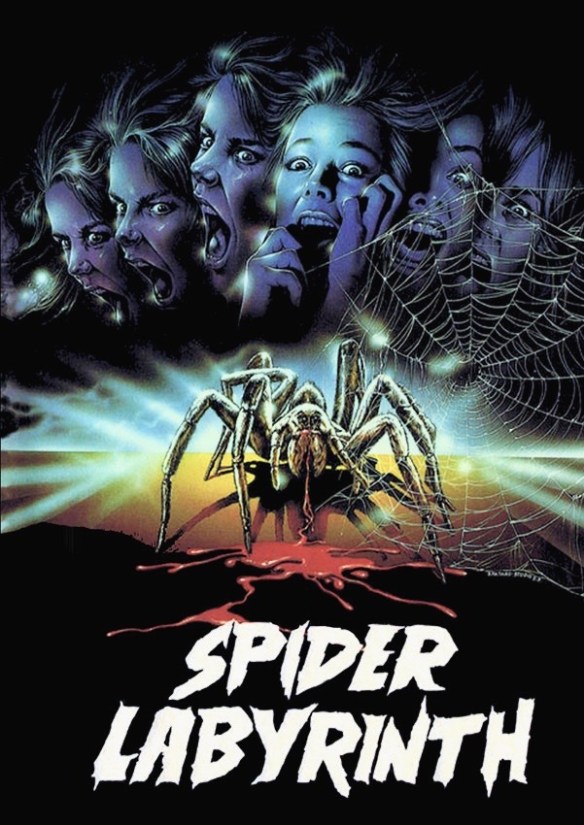
By the mid-1980s the Italian film industry was in a state of major decline. The glory years of the fifties and sixties were now fondly remembered footnotes in the history of world cinema and even the popular film genres – giallo, poliziotteschi, spaghetti western and horror – were near the end of their heyday. There were still a few determined stragglers such as Tinto Brass with his fetish based erotica (The Key, Miranda, Snack Bar Budapest) and Enzo G. Castellari, who soldiered on with formulaic hybrids like 1990: The Bronx Warriors, Tuareg: The Desert Warrior and Striker. But the horror genre, in particular, was suffering with masters of the macabre Lucio Fulci and Dario Argento trying but failing to top past high water marks like The Beyond (1981) and Suspiria (1977). It was during this downward trend that Gianfranco Giagni made his directorial debut with The Spider Labyrinth (Italian title: Il Nido del Ragno, 1988).  Continue reading

Spies “R” Us

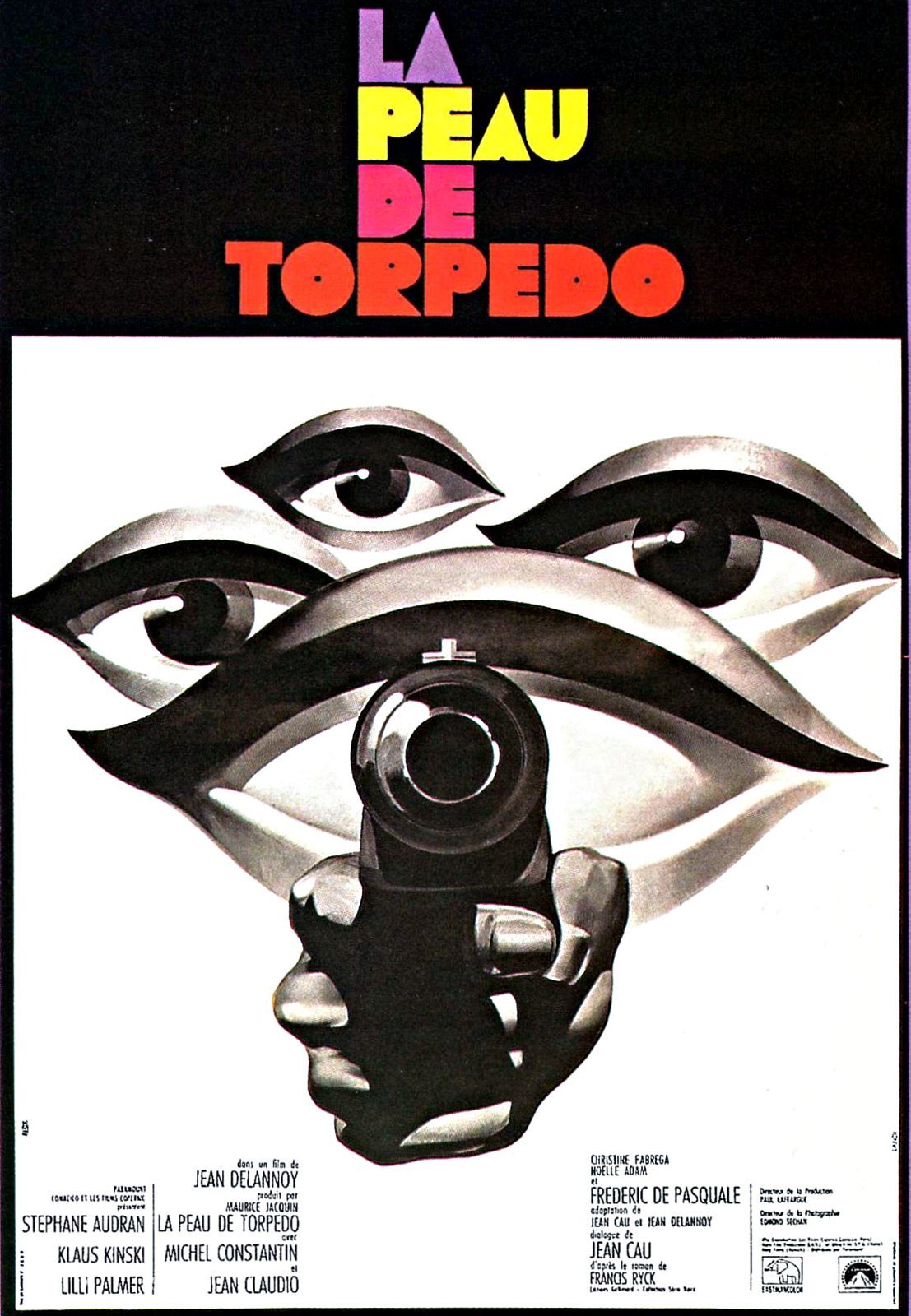
La Peau de TorpedoThe success of the James Bond series, beginning in 1962 with Dr. No, had an amazing impact on the international film world. For almost a decade or more, hundreds of imitations from Asia, Europe, the U.S. and other parts of the world flooded the market. The majority of these were formulaic, action-oriented B movies like Kiss Kiss – Bang Bang and Secret Agent Super Dragon (both 1966) but occasionally a few would depart from the heroic fantasy scenarios to present much more realistic depictions of the espionage underworld such as The Spy Who Came in from the Cold (1965), based on John le Carré’s novel, and The Quiller Memorandum (1966) with a screenplay by Harold Pinter.

Catherine Jacobsen & Frederic de Pasquale in La peau de torpedo (1970) aka Only the Cool

Catherine Jacobsen & Frederic de Pasquale in La peau de torpedo (1970) aka Only the Cool

Jean Delannoy’s La Peau de Torpedo (1970) doesn’t fit comfortably into either camp even though it does traffic in the grim, Cold War paranoia associated with le Carré’s novels while spinning a wildly improbable tale that makes the Roger Moore 007 adventures seem almost plausible in comparison. What makes the film worth seeing besides the eclectic international cast that includes Stéphane Audran, Lilli Palmer, Michel Constantin, and Klaus Kinski is the unconventional story arc which begins like a routine espionage thriller and then unravels spectacularly about thirty minutes into the film with an act of violence that injects a welcome note of unpredictability into the rest of the proceedings.

Continue reading