Fotoromanzi Fantasy

“With Paisan, I knew that I wanted to be a film director. I thought maybe this was where my future was, not as a journalist. It was with The White Sheik that I knew I was a film director.” – Federico Fellini (from I, Fellini by Charlotte Chandler)
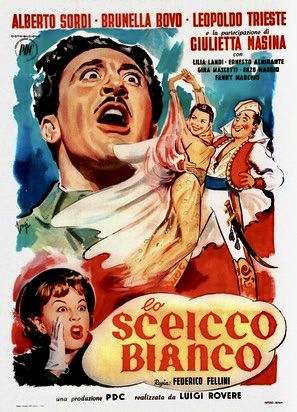
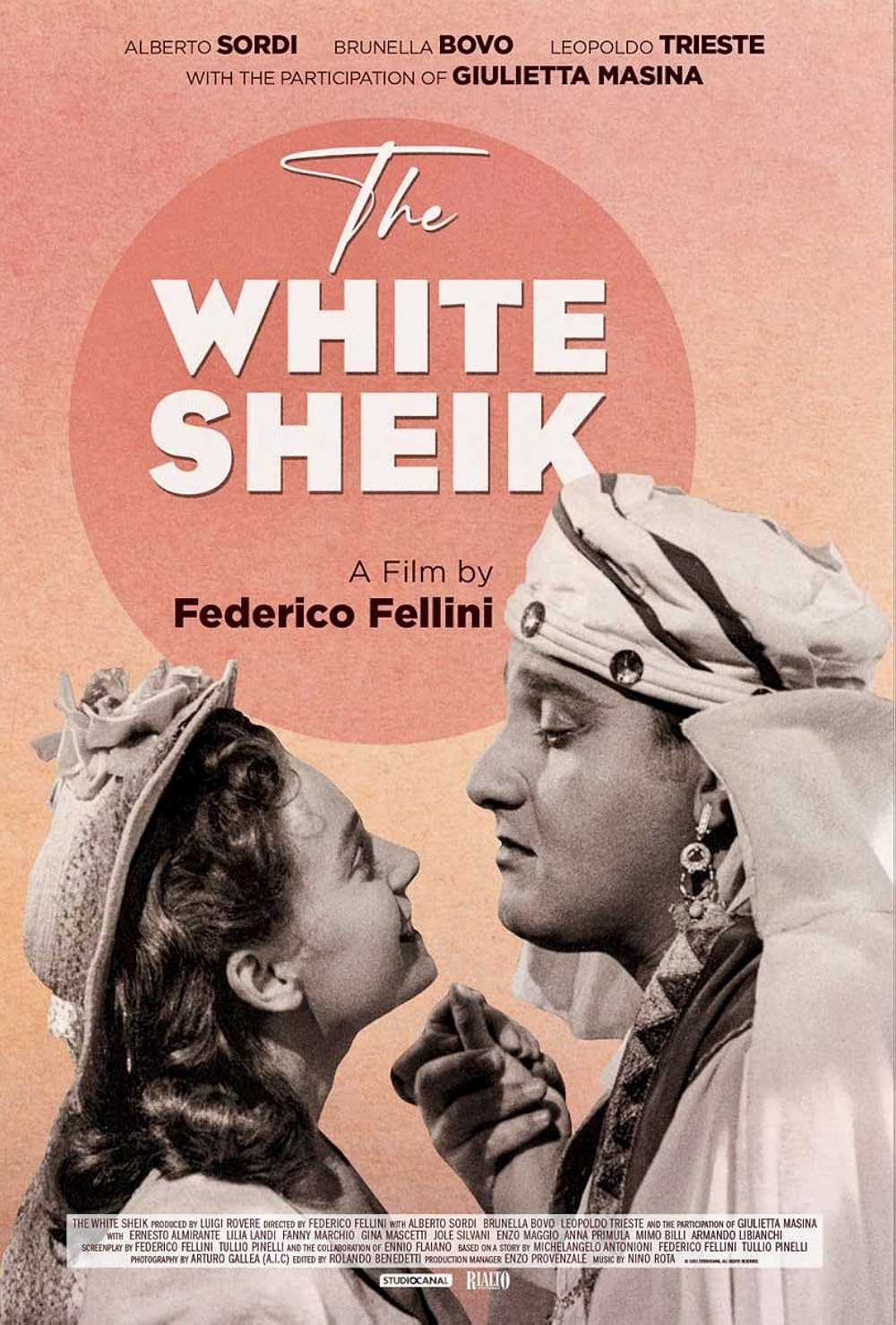
In The White Sheik (Italian title: Lo Sceicco Bianco, 1952), Fellini’s first solo directorial effort (he co-directed Variety Lights with Alberto Lattuada the previous year) he drew upon his experiences as a journalist and script writer to tell a bittersweet story about a provincial newlywed couple vacationing in Rome for their honeymoon. Wanda (Brunella Bovo), the young bride, is a naive romantic, prone to impulsive behavior and passionate fantasies. She is also an avid fan of fotoromanzi (a comic book with photo captions instead of cartoon drawings) and is secretly infatuated with “The White Sheik,” the hero of her favorite series.

Continue reading
The Shame of Shantytown

A Japanese film poster for the 1952 film DOBU aka The Ditch aka Gutter.

One of the most famous Japanese directors of his generation (1912-2012) to emerge from the post-WW2 years was Kaneto Shindo but, outside of a handful of films, most of his work remains largely unseen in the U.S. That is a shame because much of his filmography provides a fascinating glimpse into the lives and mindsets of Japanese people, especially the working class, in the difficult years following the country’s defeat in the war. One of his earliest and most provocative depictions is Dobu (1954), which is also known as The Ditch, but is more accurately translated as The Gutter. And the main protagonist of the film is Tsuru (Nobuko Otowa), who could easily claim to be the most memorable guttersnipe of all time. When the film opens, she is a filthy, wandering beggar on the verge of starvation who collapses in a shantytown known as Kappunuma and here she will remain for the rest of her brief life.

Continue reading

Master of Illusions

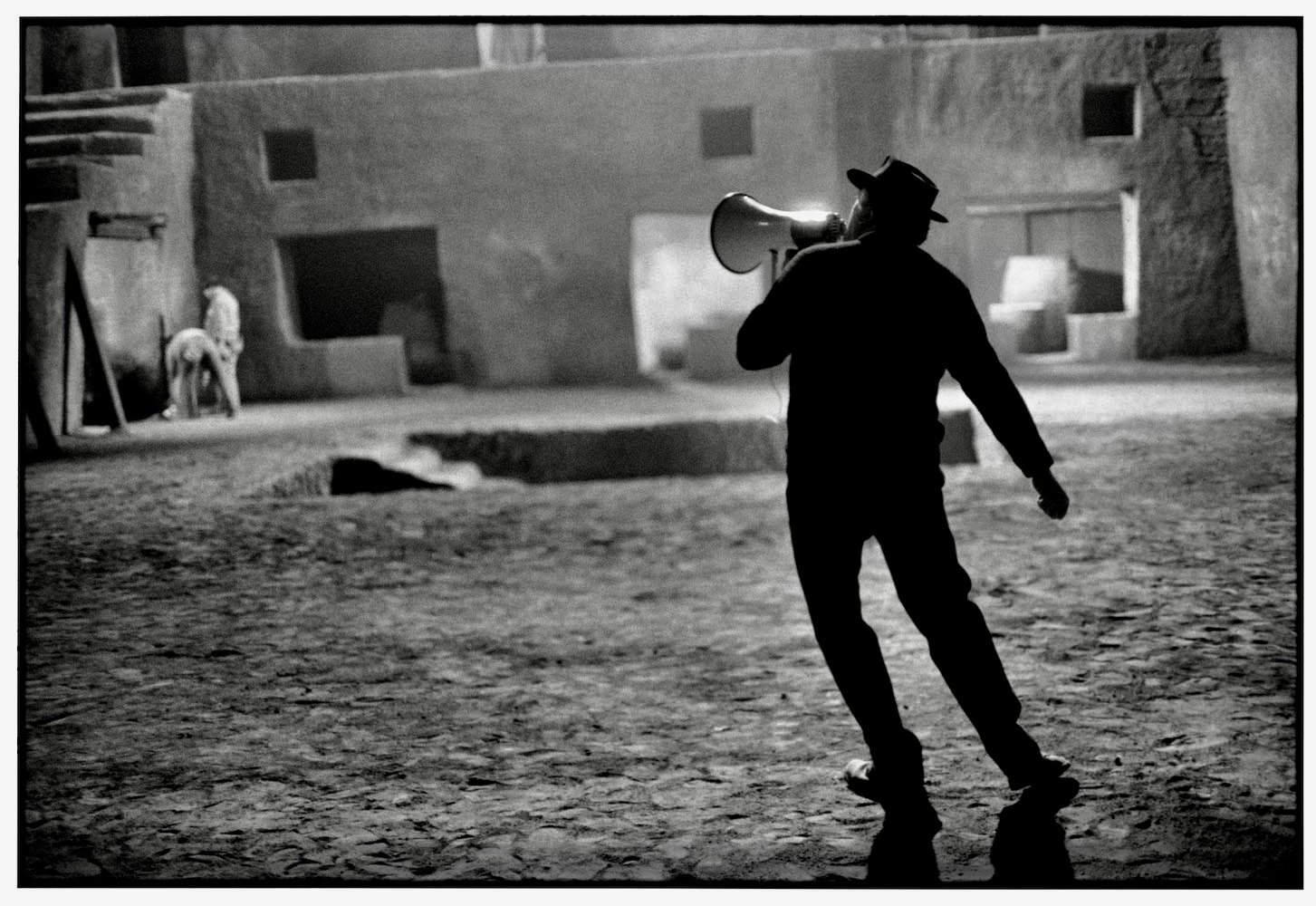
Director Federico Fellini on the set of Satyricon (1969); Photo by Mary Ellen Mark.

“Fellini’s work is like a treasure chest. You open it up and there, right in front of your eyes, a world of wonders springs up – ancient wonders, new ones, provincial wonders and universal ones, real wonders and fantastic ones.” – Martin Scorsese

The Oscar nominated director of Raging Bull (1980) and Goodfellas (1990) is just one of the usual suspects (along with Woody Allen and Paul Mazursky) rounded up to pay homage to the great Italian director in The Magic of Fellini (2002), a 56-minute documentary written and directed by Carmen Piccini.

Continue reading

SoCal Culture Bashing

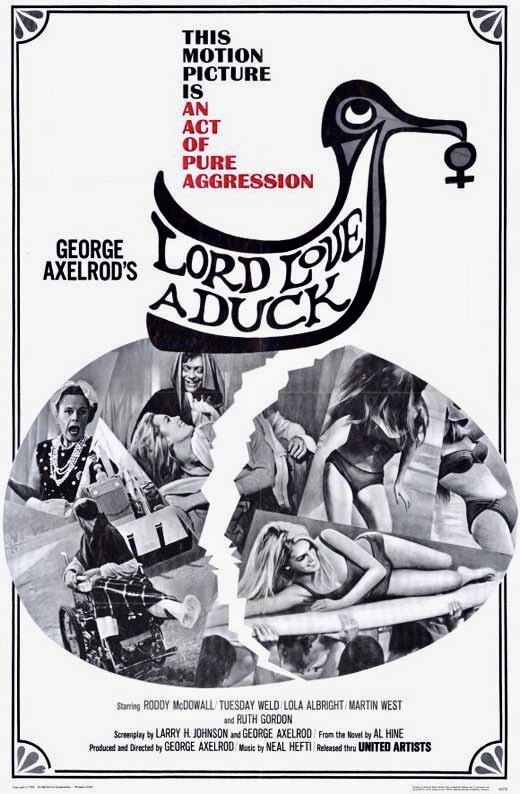
An immensely talented playwright, screenwriter, and satirist, George Axelrod has rarely received the recognition he deserves within the Hollywood industry yet he was the man behind some of the wittiest screenplays of the fifties and early sixties. Foremost among them are two of Marilyn Monroe’s best films (The Seven Year Itch (1955) and Bus Stop, 1956), Breakfast at Tiffany’s (1961) starring Audrey Hepburn in her signature role, and The Manchurian Candidate (1962), a highly paranoid thriller about a political conspiracy which prefigured President Kennedy’s assassination by a year. Less well known but equally audacious is his go-for-broke directorial debut, Lord Love a Duck (1966), a wicked lampoon of the movie business that nourished him and a satire of Southern California culture with its drive-in chapels, fast food restaurants, and self-improvement seminars.

Continue reading