Aussie Awesomeness

Many countries are well known for their film industry but Australia was not one of them until the early 1970s due to the efforts of prime ministers John Gorton (1968-1972) and Gough Whitlam (1972-1975) who instituted various forms of government support for filmmaking and the arts. Thanks to their encouragement, a number of talented directors emerged from Australia and went on to enjoy international careers with such diverse work as Picnic at Hanging Rock (Dir: Peter Weir, 1975), The Chant of Jimmie Blacksmith (Dir: Fred Schepisi, 1976), My Brilliant Career (Dir: Gillian Armstrong 1979) and Breaker Morant (Bruce Beresford, 1980). This creative movement, known as the Australian New Wave, was often focused on the country’s past and often resulted in critically acclaimed art house fare but not really box office hits in its own country. What is interesting is that the seventies also saw the rise of many Aussie filmmakers who specialized in genre fare and it was their work that generated large revenue streams at home and around the world, especially in the U.S.
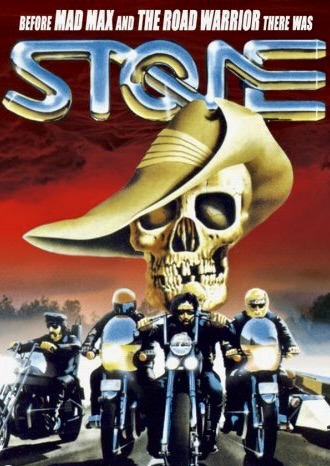
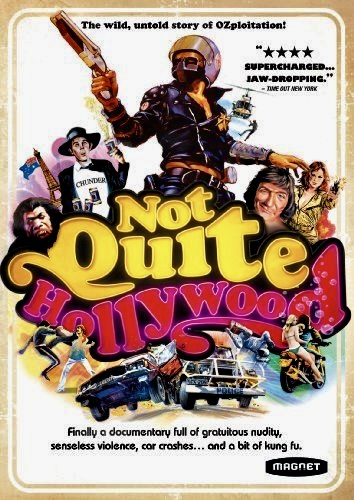
The most successful of these commercial films tended to be sex comedies, horror/fantasy or action/adventure thrillers and were much more representative of contemporary Australian culture than award-winning historical chronicles like Philip Noyes’s Newsfront (1978). It was also the over-the-top quality and extreme nature of these B-movies that earned the moniker of Ozploitation and resulted in such classic cult hits as Time Burstall’s Alvin Purple (1973), Sandy Harbutt’s Stone (1974), Richard Franklin’s Patrick (1978), and George Miller’s Mad Max (1979). If you want a crash course in this raucous period in the Aussie film industry which lasted until the late 1980s, Not Quite Hollywood: The Wild, Untold Story of Ozploitation, written and directed by Mark Hartley, is just the ticket to whet your appetite.

Continue reading
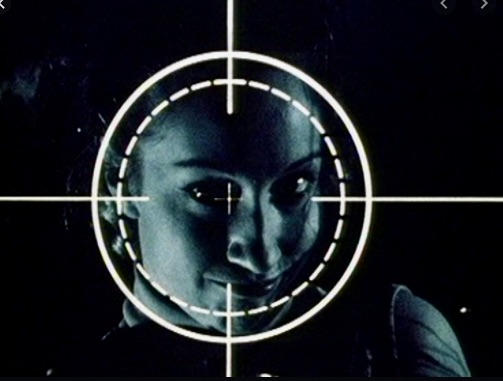
Earthling Wanted as Spokesperson for Extraterrestrials

A rebellious young woman (Jane Hardens) is selected by aliens to be their representative on Earth in the 1972 Australian underground film SHIRLEY THOMPSON VERSUS THE ALIENS.

During the early years of the science fiction film craze of the 1950s most alien visitors were hostile or extremely dangerous as in The Thing from Another World (1951), The War of the Worlds (1953) and Invaders from Mars (1953). There were a few exceptions to this such as the peaceful Klaatu (Michael Rennie) in The Day the Earth Stood Still (1953) and the benign visitors of It Came from Outer Space (1953) but rarely has a science fiction film depicted aliens trying to recruit a human to be the vocal spokesperson for their group. In Shirley Thompson Vesus the Aliens (1972), directed by Jim Sharman (The Rocky Horror Picture Show), the title character is a disaffected young woman still living at home in the dreary suburbs with her parents and young sister and clearly not the sort of person to represent any group due to her antagonistic, rebellious nature. Nevertheless, Shirley (Jane Hardens) is chosen by extraterrestrials to warn earthlings to stop all wars or they will destroy the planet. And do you think anyone pays attention to her?

Continue reading

Too Chicken to Watch This Giallo?

Anna (Gina Lollobrigida, left) and her assistant Gabrielle (Ewa Aulin) pose for publicity photos regarding Anna’s successful poultry business in DEATH LAID AN EGG aka Plucked! (1968).

Maybe giallo is too specific a film genre for this movie because it is in a class of its own and works as a violent crime thriller but also as an erotic melodrama, black comedy and a satire on scientific experimentation and marketing. If you tried to describe the movie to friends they’d probably swear you dreamed it or are running a high fever but no, this bizarre, fascinating and once obscure giallo actually exists in various titled versions. The original Italian release title was La Morte Ha Fatto L’uovo (1968), but it has been distributed under such monikers as Plucked!, A Curious Way to Love and Death Laid an Egg, which is the more common title. So what’s with the chickens? The film is set, for the most part, in a poultry factory where a new breed of chicken is being produced in an experimental lab. The opening credits, featuring science classroom footage of egg fertilization, embryos and microscopic life forms prepare you for this strange new world.  

Continue reading

The Man With the Codfish Eyes

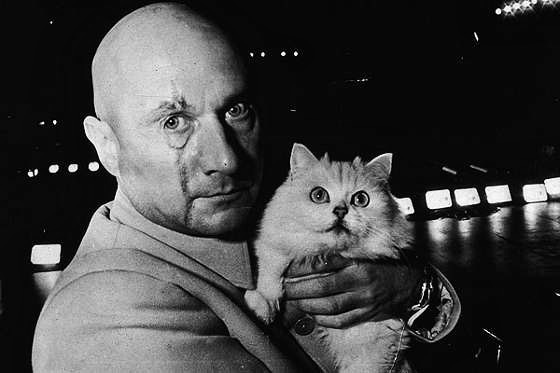
British actor Donald Pleasence has played his fair share of nutters and villains through the years from infamous grave robber William Hare in The Flesh and the Fiends (1960) to Blofeld, James Bond’s nemesis, in You Only Live Twice (1967) to the dangerous religious fanatic in Will Penny (1968) to the insane scientist of The Mutations aka The Freakmaker (1974). At the same time, he has also specialized in playing cold, analytical authority figures who, while on the side of good, is often more unsettling than comforting as in his iconic role as Dr. Loomis in Halloween (1978) and four of its sequels. His portrayal of Dr. Hawley Harvey Crippen, the most notorious murderer of the Edwardian Age, in Dr. Crippen (1963), however, doesn’t really fit into either category and displays yet another side of the Pleasence persona – a quiet, unassertive enigma, a blank slate for us to fill in the details. The eyes, which reveal nothing, seem to look right through you. 

Donald Pleasence as arch villain Blofeld in the James Bond adventure YOU ONLY LIVE TWICE (1967).
Continue reading

The Hunter Gets Captured by the Game

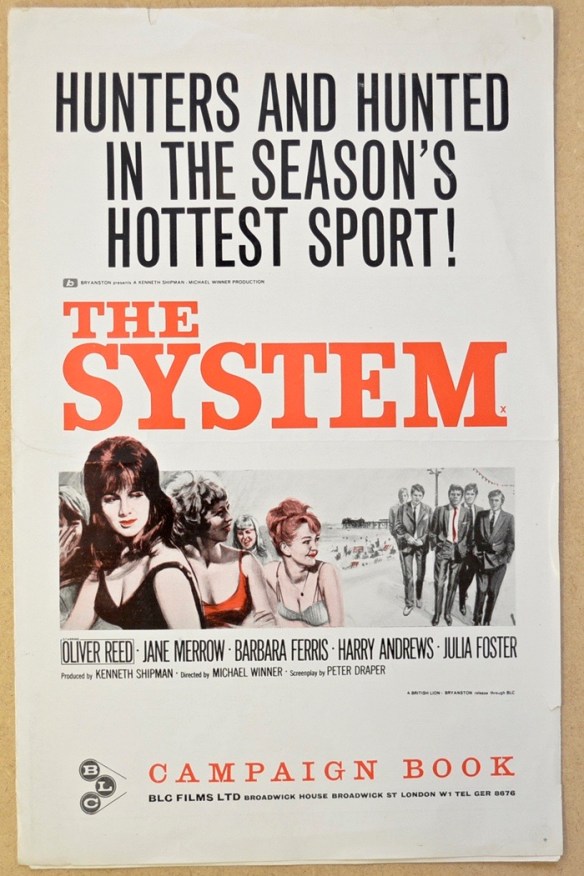
Released in the U.K. as The System and the U.S. as The Girl-Getters in 1964, this unheralded little gem of a film is not only a vivid snapshot of the swinging sixties but a surprisingly frank and intelligent treatment of sexual gamesmanship and barely disguised class warfare promoted as a typical youth exploitation picture in the style of a “Beach Party” movie by distributor American International Pictures.   Continue reading