Joe Orton’s Impolite Farce

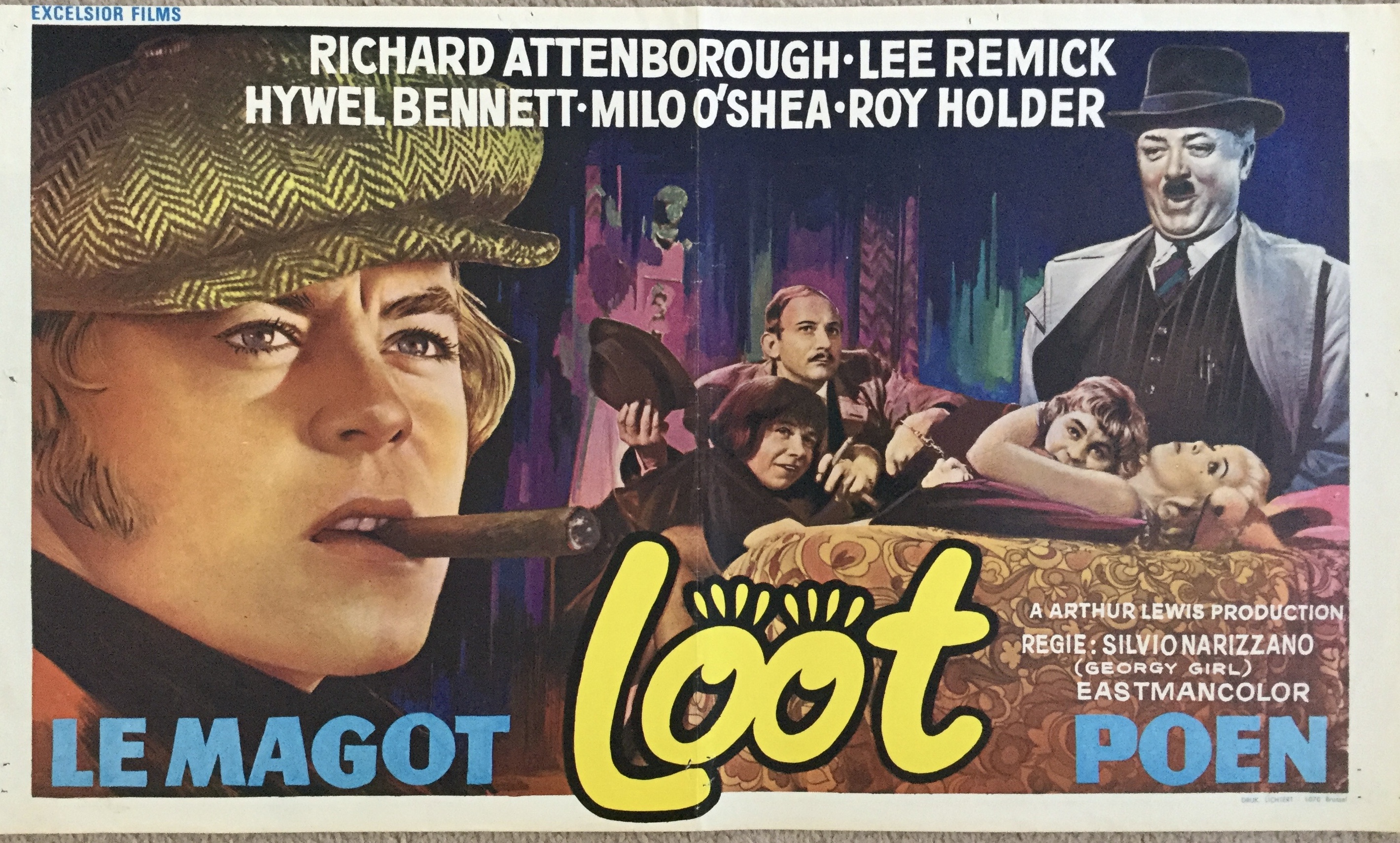
Black comedy may be an acquired taste but it still takes a clever and wickedly funny practitioner of the form to pull it off and Joe Orton was one of the best. The enfant terrible of British theatre in the sixties, Orton’s promising career was cut short in 1967 when he was bludgeoned to death by his lover Kenneth Halliwell. This final curtain, along with the events that led up to it, were covered in detail in John Lahr’s excellent biography of the acclaimed playwright Prick Up Your Ears, which was adapted to the screen in 1987 by Stephen Frears from a screenplay by Alan Bennett and featured Gary Oldman as Joe Orton. While Frears’ biopic was a fascinating character study, it didn’t really delve into the nuts and bolts of Orton’s craft or why such stages farces as Entertaining Mr. Sloane and What the Butler Saw became such popular and scandalous causes celebres among theatre critics and playgoers. The only thing that can really do justice to Orton’s particular brand of outrageous comedy and satire is a first rate production of one of his plays. A film adaptation would be much trickier because so much of Orton’s humor involves language – its proper and improper usage, double entendres, slang, class accents and other specifics. Of course, that didn’t stop filmmakers from attempting to bring his work to the screen and Loot became the second Orton play to receive the big screen treatment in 1970 (Entertaining Mr. Sloane, another Orton play adapted to film, had been released earlier in 1970).

Continue reading
Who Has the Last Laugh?

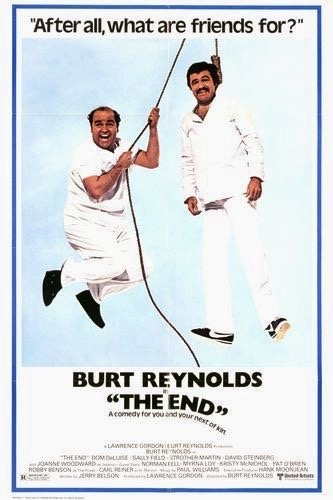
By 1978 Burt Reynolds was approaching the peak of his popularity which would begin to taper off in the mid-eighties as he approached the age of 50. He had just completed two huge box office hits, Smokey and the Bandit and Semi-Tough (both 1977) and was in a position to choose and develop any project he fancied. But instead of rushing into a sequel to Smokey and the Bandit or some other big budget vehicle that exploited his good ole boy blend of machismo, charm and sex appeal, Reynolds chose to make a risky, offbeat black comedy about a man dying of a terminal condition who contemplates suicide as a solution to a slow, agonizing death. In addition, the popular leading man would direct and star in it and cast his girlfriend at the time Sally Field in a prominent role. Released as The End in 1978, the film was not what moviegoers or critics expected from Reynolds or even wanted. 

Continue reading

The Cult of Kaze

There are good cults and bad cults and the cult of Kaze is a bit of both worlds. Not really a recognized cult, it is instead an informal club of ten women who are united in sisterhood over a common cause which they hope will result in their liberation from a certain Mr. Kaze, a handsome, successful executive in the television industry. The bad part of their mutual solidarity is that the women want Kaze to die and they aim to kill him. Why? Because nine of the women have had affairs with and been discarded by this man and the tenth woman, Futaba Kaze, is his wife and has suffered from his serial unfaithfulness for years. As you would expect from this set-up, Kuroi jûnin no onna (The English title translates as Ten Dark Women or Ten Women in Black), directed by Kon Ichikawa in 1961, is a feminist revenge film but it is also so much more than that.

Continue reading

The Worm Turns

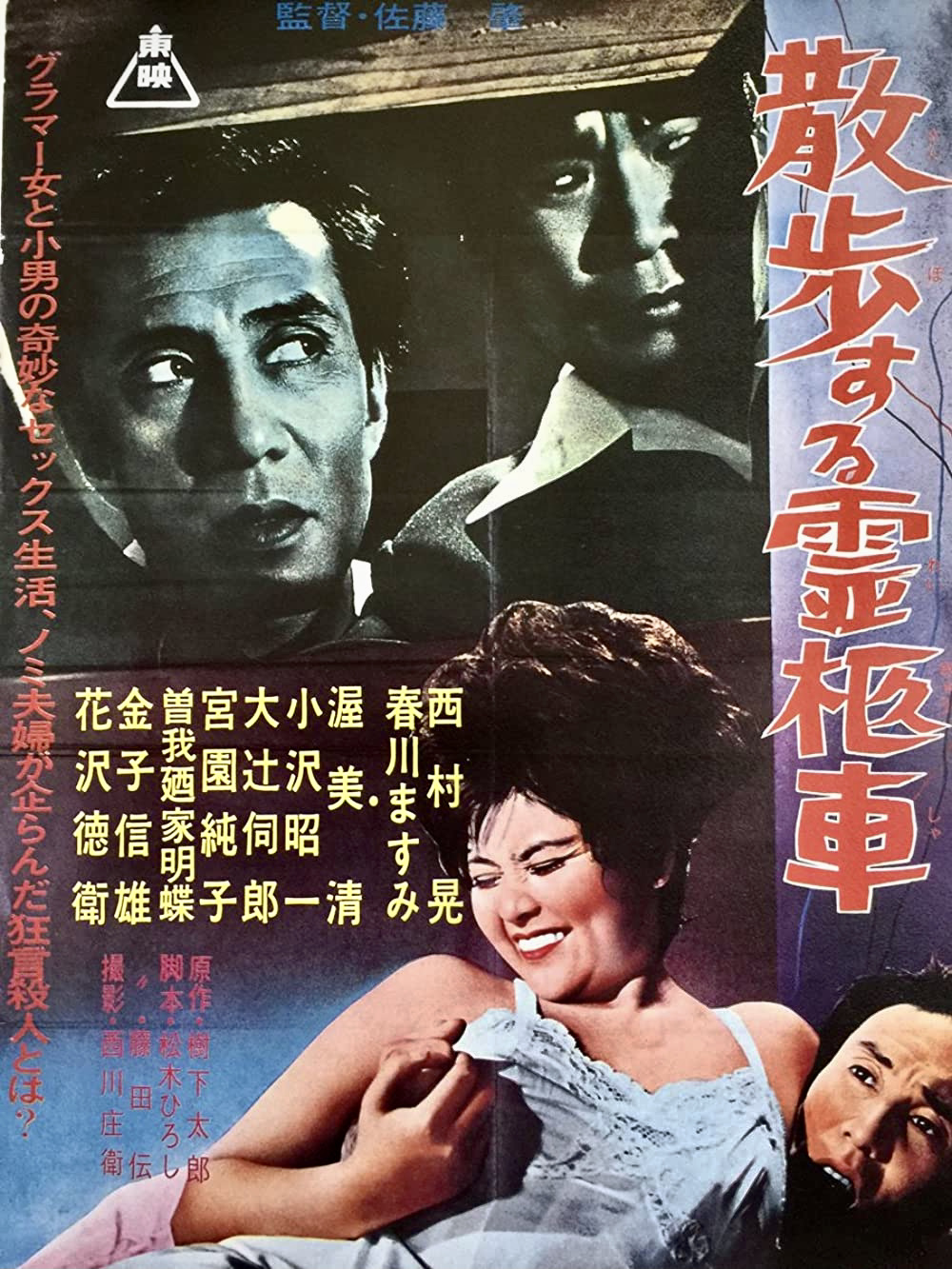
Japanese film poster for THE GLAMOROUS GHOST (1964)

The Glamorous Ghost (Japanese Title: Sanpo Suru Reikyusha, 1964) is something of a rarity in Japanese cinema – a noir comedy. This is the sort of twisty, convoluted farce in which all of the main characters are greedy, immoral and deceitful and you end up rooting for Asami (Ko Nishimura), the taxi driver protagonist, only because he is a pitiful underdog with a simple dream – to retire and run a pig farm in the country. His plan to accomplish that, however, involves blackmail and worse and before The Glamorous Ghost reaches its macabre but amusing climax, most of the major players have departed this mortal coil.

Continue reading

Kill or Cure?

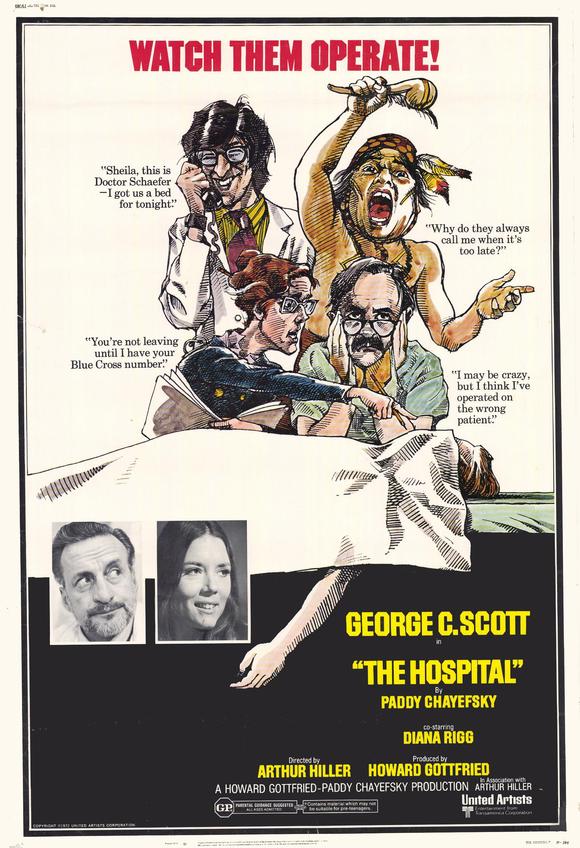
Most filmgoers who were born before 1965 know Paddy Chayefsky as the playwright who penned the teleplay Marty and later won an Oscar for the 1955 screenplay adaptation. Contemporary movie fans, however, remember him as the creator behind the 1976 media satire Network, which was nominated for 10 Oscars and won four including Best Screenplay, Best Actress (Faye Dunaway), Best Supporting Actress (Beatrice Straight) and a posthumous Best Actor Academy Award for Peter Finch as unhinged news anchor Howard Beale. (Bryan Cranston is currently playing Beale in a Broadway stage production based on Chayefsky’s film). What tends to get overlooked in Chayefsky’s filmography is The Hospital (1971), an equally audacious movie that prefigured Network’s outrageous blend of black comedy and social commentary and appeared five years earlier.  Continue reading