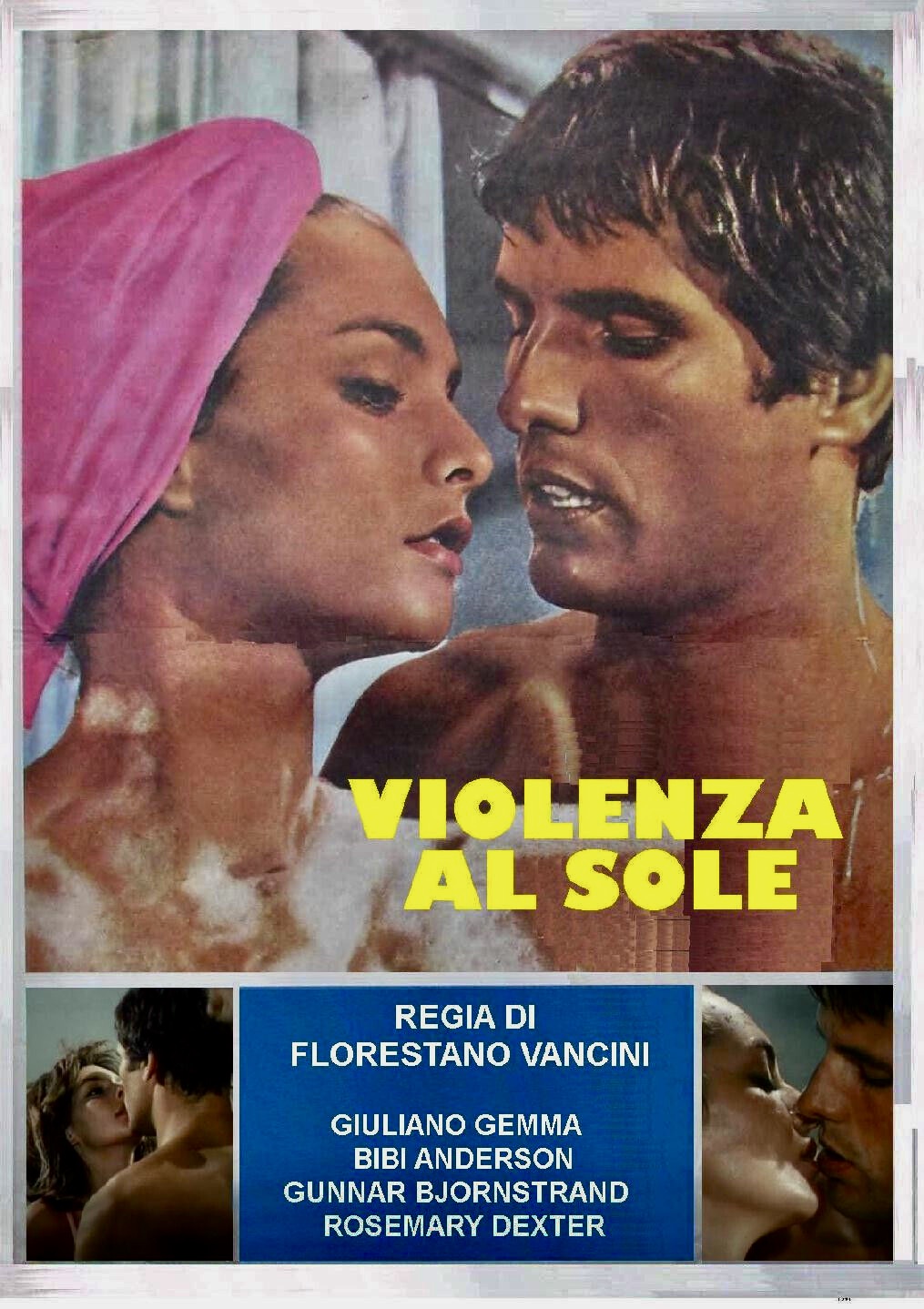
An Italian film poster for the 1969 film BLOW HOT, BLOW COLD.
During the peak years of the Italian film industry in the 1960s and 70s, there were numerous films released which never received a theatrical release in the U.S. and are completely unknown to American audiences. Of course, some of these are forgettable but there are several that deserve a second chance at being re-discovered and Violenza al Sole (English title: Violence in the Sun aka Blow Hot, Blow Cold aka Hot Blood in the Veins, 1969), directed by Florestano Vancini, is a prime example. It is also a fascinating anomaly in the careers of the four main actors, Giuliano Gemma, Rosemary Dexter, and two stars who are most often associated with director Ingmar Bergman, Bibi Andersson and Gunnar Bjornstrand.
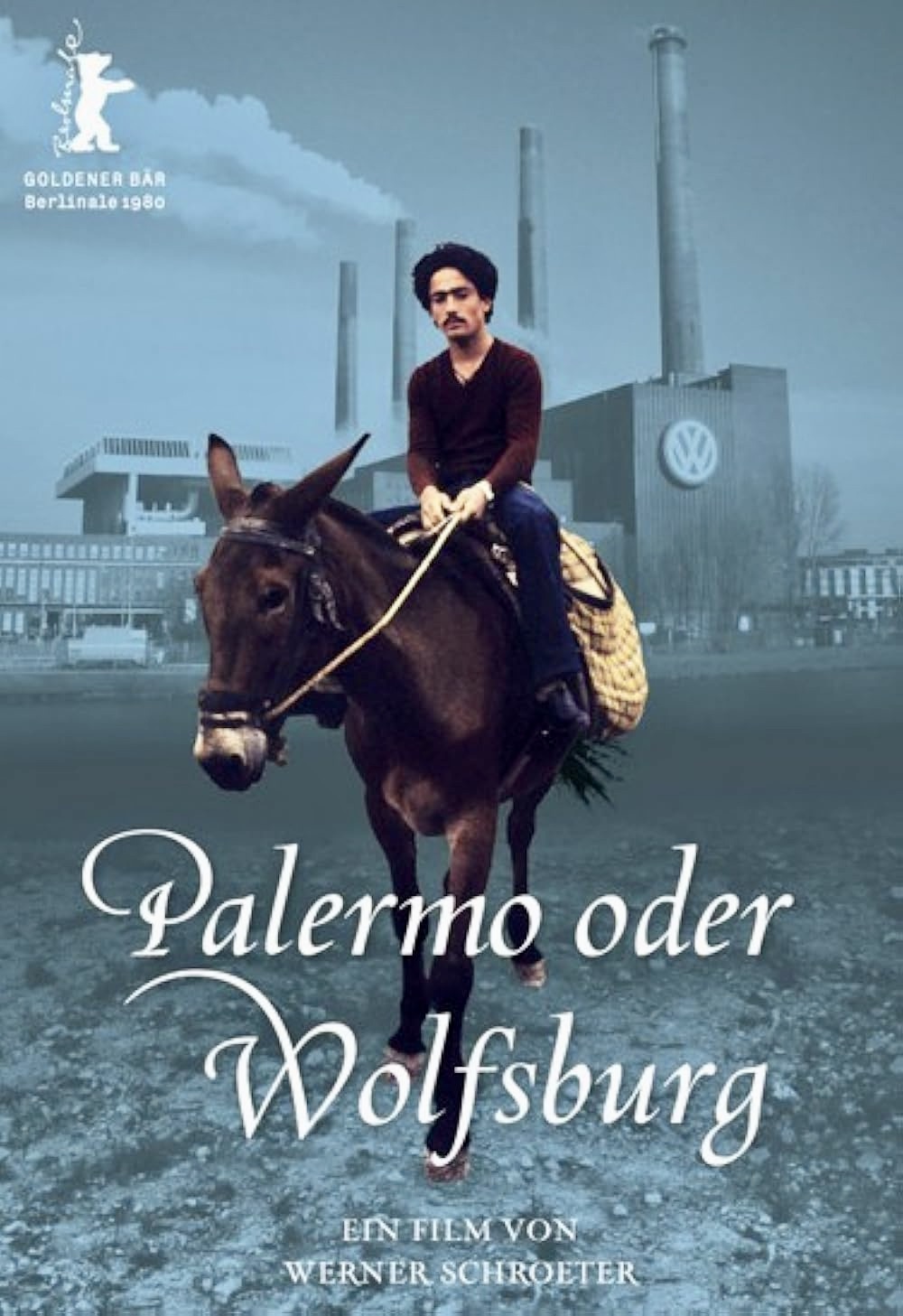
In recent years the immigrant problem in Germany has become more severe than previous times with Ukraine refugees joining the constant stream of immigrants from Turkey, Romania and other countries. This mirrors another migration that occurred in the seventies in Germany but that one helped fuel the country’s economy because the work force was supplemented by much needed laborers coming from Greece, Italy and other European locales. Palermo oder Wolfsburg aka Palermo or Wolfsburg (1980), directed by Werner Schroeder, is set during this latter period and tracks one man’s journey from Sicily to Germany where he hopes to find work to help support his impoverished family back home. Schroeder’s film not only shows the difficulties of outsiders trying to adapt to German life but also suggests that there is an incompatibility factor between Germany and other European cultures that can never be overcome. And this particular immigration tale unfolds like an epic tragedy.
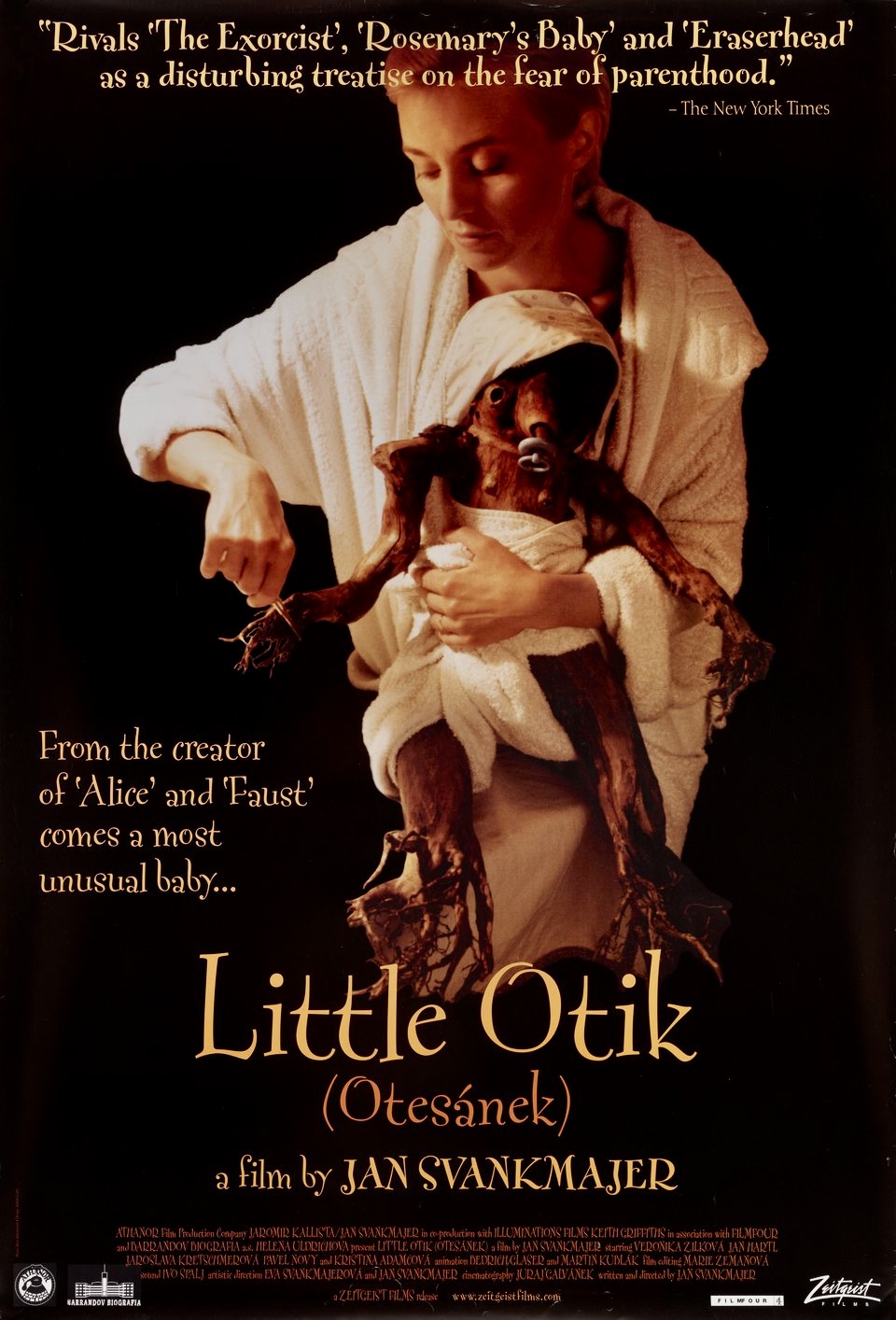
“Be careful what you wish for” is one of those popular expressions that offers cautionary advice for those who want something too desperately. And it has been illustrated repeatedly in literature and movies from timeless folk tales like Faust and The Golem to more recent efforts like Little Otik (2000), Czech filmmaker Jan Svankmajer’s take on Otesanek, a 19th century fairy tale by Karel Jaromir Erben. Svankmajer updates the tale about a childless couple and their substitute baby to contemporary times but also manages to weave in some of his favorite obsessions and thematic concerns (food, cannibalism, human fears) into a darkly funny but nightmarish portrait of parenthood and child rearing. Despite its stature as a fable, Little Otik is certainly not for children and probably not the best viewing option for expectant mothers either.
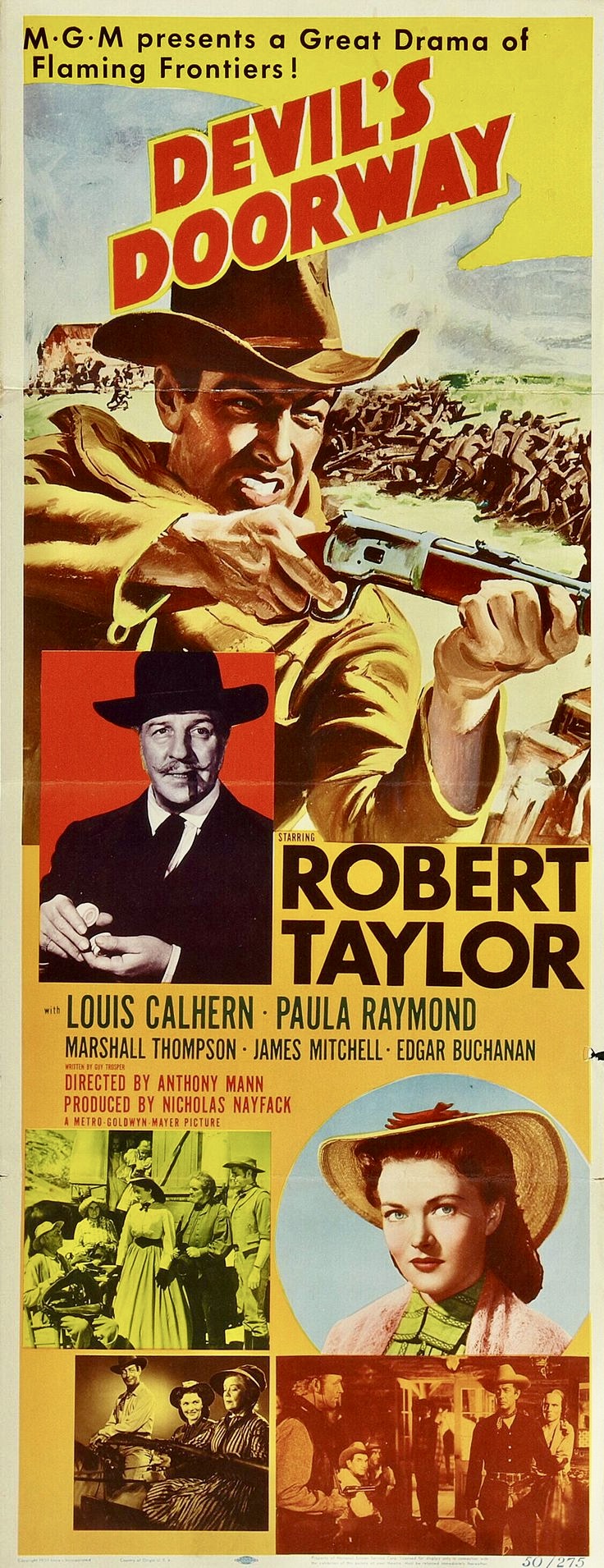
1950 marked an important turning point in the evolution of the Hollywood Western and Broken Arrow, directed by Delmer Daves, was largely responsible for that. A sympathetic treatment of the plight of the Apache people and their way of life, the film was the first major studio western to depict Native Americans as something other than bloodthirsty savages or naive primitives. The real hero of Broken Arrow was Cochise (Jeff Chandler), the Apache leader, and not the cavalry scout (James Stewart) who marries an Apache woman (Debra Paget). The film’s liberal views on race and the white man’s treatment of the Native-American were considered daring at the time and garnered much critical acclaim. It also earned three Oscar nominations including one for Best Screenplay (by Michael Blankfort). The downside of all this is that Broken Arrow‘s success completely overshadowed Devil’s Doorway, which was released the same year and also addressed the terrible treatment of this nation’s original settlers.
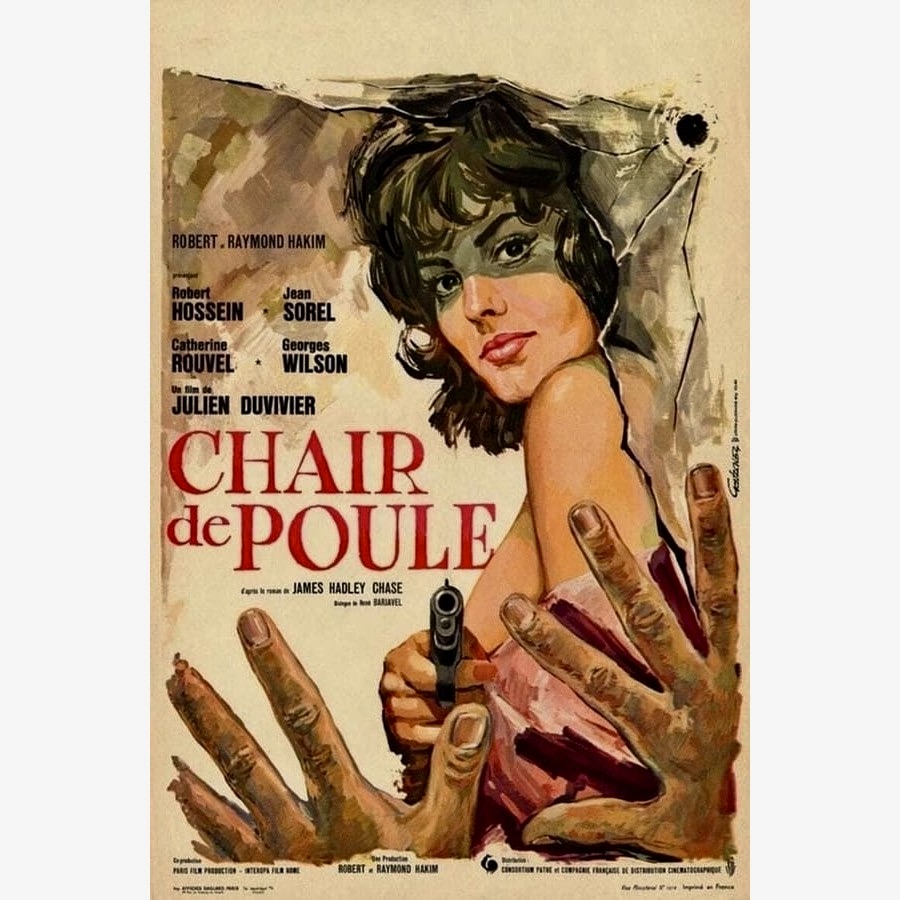
The French film poster for HIGHWAY PICK-UP (1963), a French crime drama directed by Julien Duvivier.
Daniel and Paul are professional locksmiths and good friends who work for the same company. When they mastermind the robbery of a client by breaking into a safe Daniel had previously repaired, the theft goes awry, with the client dying from a blow to the head. Paul escapes but Daniel is shot and injured by the police in the ensuing chase and sentenced to 20 years in prison. After a year in the stir, Daniel escapes by picking the jail cell lock (of course) and tries to elude the authorities in a desert-like region of Alpes-Maritimes in southeastern France. Under an assumed name, he manages to get hired on as an attendant at an isolated gas station run by Thomas and his sexy young wife Maria but Daniel soon realizes he has created a new prison for himself.
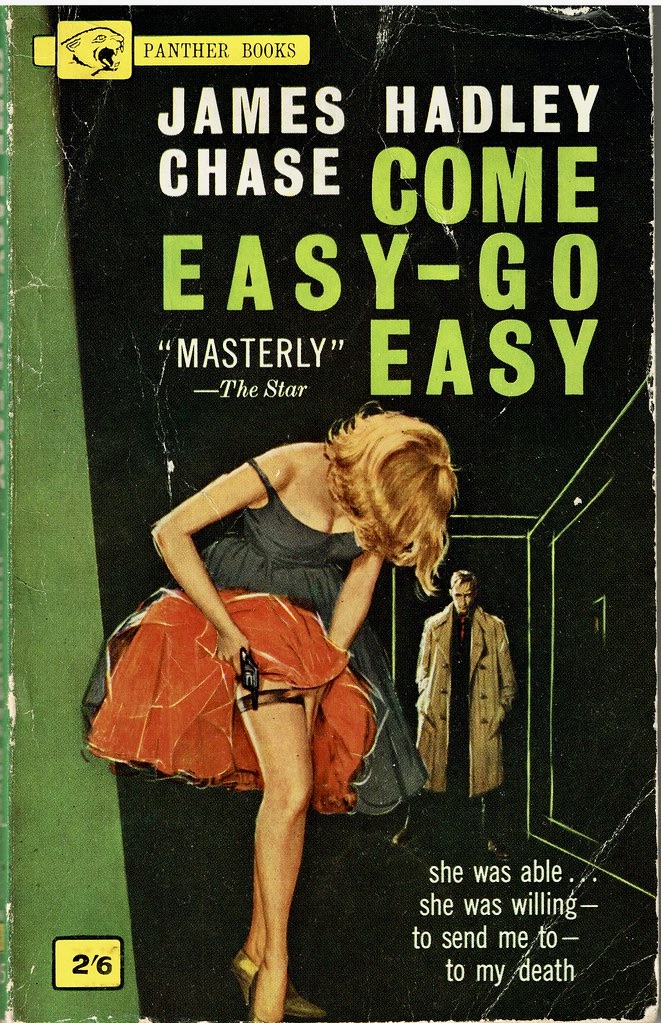
Based on the 1960 crime noir Easy Come, Easy Go by British author James Hadley Chase, Chair de Poule (English title: Highway Pick-Up, 1963) is the penultimate film of the legendary French director Julien Duvivier. If the basic premise sounds like it was inspired by The Postman Always Rings Twice, you wouldn’t be completely wrong. Chase (1906-1985), who used many pseudonyms during his career such as Raymond Marshall and Ambrose Grant, was actually motivated to become a writer after reading James M. Cain’s 1934 novel. Chase’s first novel, No Orchids for Miss Blandish (1939), was an overnight best seller and was adapted into a stage play and two film versions, one in 1948 and one in 1971, under the title The Grissom Gang, which was directed by Robert Aldrich.
One of the biggest threats to natural habitats and healthy ecosystems around the world is the introduction of non-native invasive species into their realm. It could be a form of plant life like Purple Loosestrife or Kuduz or an animal or insect like the European Starling or the brown marmorated stink bug. But the result is usually the same with the invader proliferating and eventually wiping out all of the other competing species thus creating an ecological disaster. Certainly one of the strangest documentaries to concentrate on an encroaching menace is Cane Toads: An Unnatural History (1988). Directed by Mark Lewis, the film charts the introduction of the voracious and fast-breeding amphibian to Northern Queensland in Australia and its devastating effect on the continent.
The German film poster for the sci-fi comedy I’M YOUR MAN (2021).
Artificial intelligence (AI) appears to be influencing almost every aspect of human life these days and that includes everything from robopets (as a replacement for the real thing) to the online dating industry. There are even humanoid robots powered by AI but, as yet, no one has created an android that could pass for a real person and interact with them without anyone being able to tell the difference. But it is only a matter of time and Ich Bin Dein Mensch (English title: I’m Your Man, 2021), directed by German filmmaker Maria Schrader, takes this premise and turns it into a thought provoking cautionary tale that is alternately amusing, disturbing, sexy and subversive without ever falling into the trap of being just a futuristic romantic comedy.
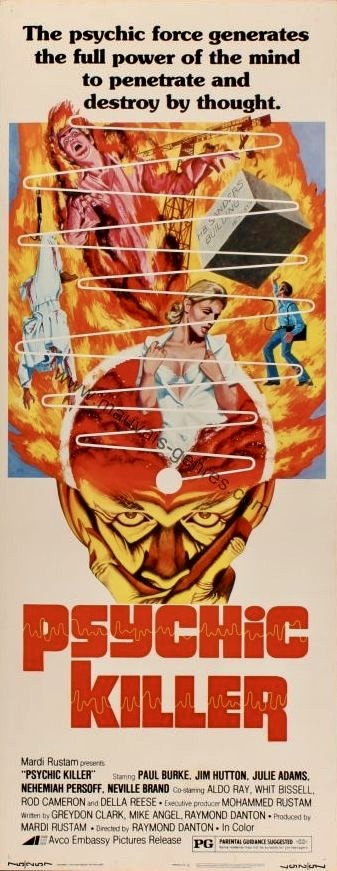
You may have heard of the term Kirlian. It is usually associated with photography and refers to a process where an image is created by applying a high-frequency electric field to a living object. The result captures a pattern of luminescence which is recorded on photographic film and represents a life force or energy field surrounding the living object. The concept has never been embraced by the scientific community but became popular in parapsychology and paranormal research in the mid-fifties. It even inspired a low-budget indie art house mystery called The Kirlian Witness (1978), directed by Jonathan Sarno, about a murder that is solved by a houseplant that witnessed the crime. Yet, even before this obscure, rarely seen feature, the concept of Kirlian energy provided an explanation for the behavior of the insane protagonist of Psychic Killer (1975 aka The Kirlian Force aka The Kirlian Effect), a trashy but consistently entertaining horror thriller featuring a cast of familiar Hollywood character actors and Jim Hutton as the unlikely title character in his final theatrical feature. If you’re looking for an offbeat, non-traditional horror movie for your Halloween viewing, this is a good choice.
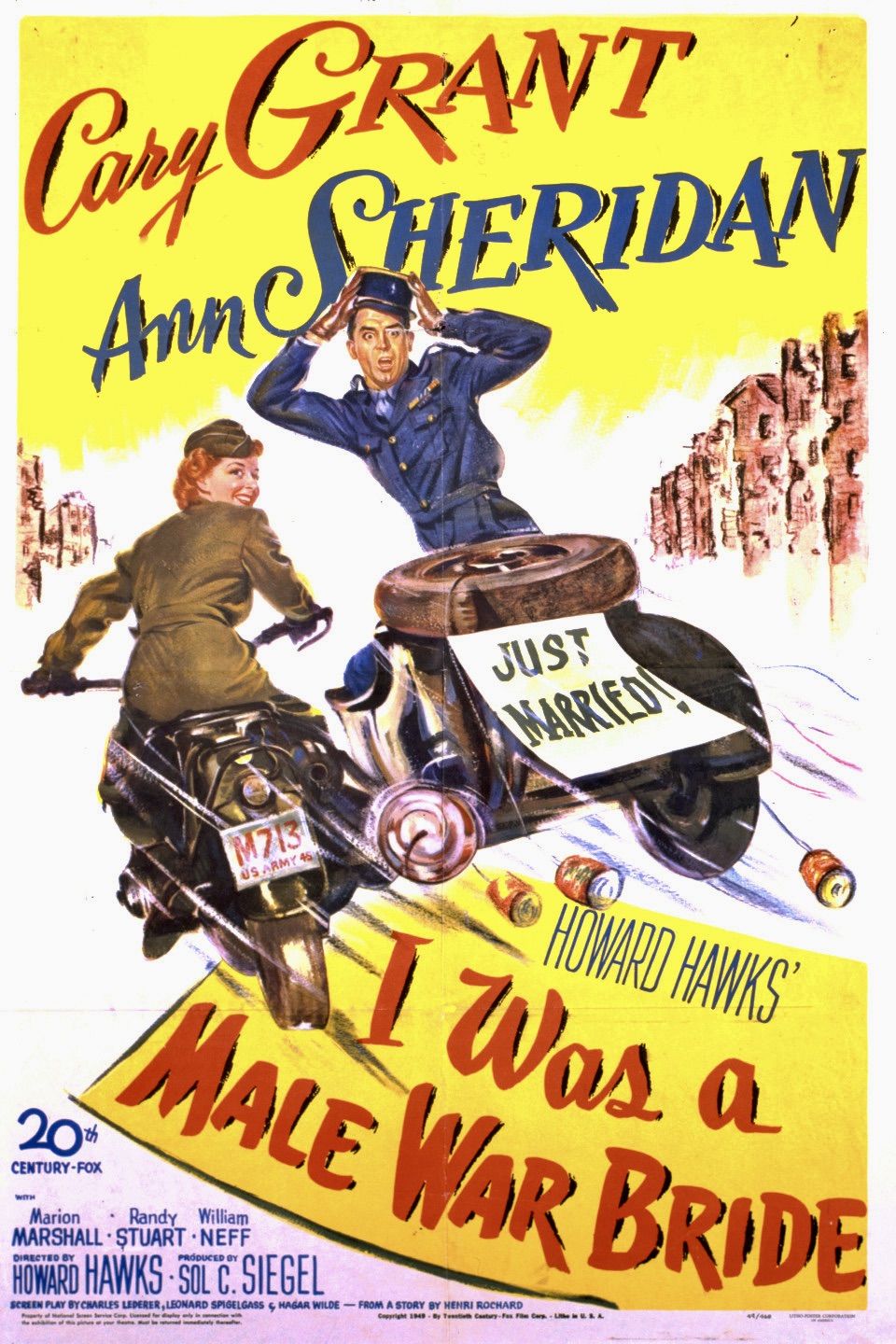
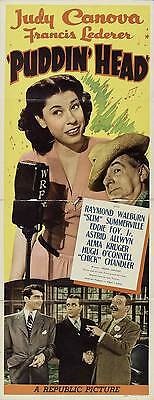
There are certain movie titles that make you pause and consider the mystery, allure or absurdity of their meaning. They can promise so much and deliver so little like Billy the Kid vs. Dracula (1966) or She Gods of Tiger Reef (1958). Or they can overdeliver on their promise to an astonished but grateful audience as in Russ Meyer’s infamous Faster, Pussycat! Kill! Kill! (1965). They can also mislead and confound you with wording so vague or fanciful that you have no earthly idea what it’s about as in Lord Love a Duck (1966), The Day the Fish Came Out (1967), or All the Fine Young Cannibals (1960), which inspired the name of the Brit pop trio that had a hit with “She Drives Me Crazy.” Then there are those completely frank and unambiguous titles that reveal the pure essence of the film in a no-nonsense manner – Teenagers from Outer Space (1959) and I Was a Male War Bride (1940). Or titles that are so much fun to say that you simply love saying them out loud just to hear the sound of them rolling off your tongue like Rat Pfink a Boo Boo (1966) or Puddin’ Head (1941).
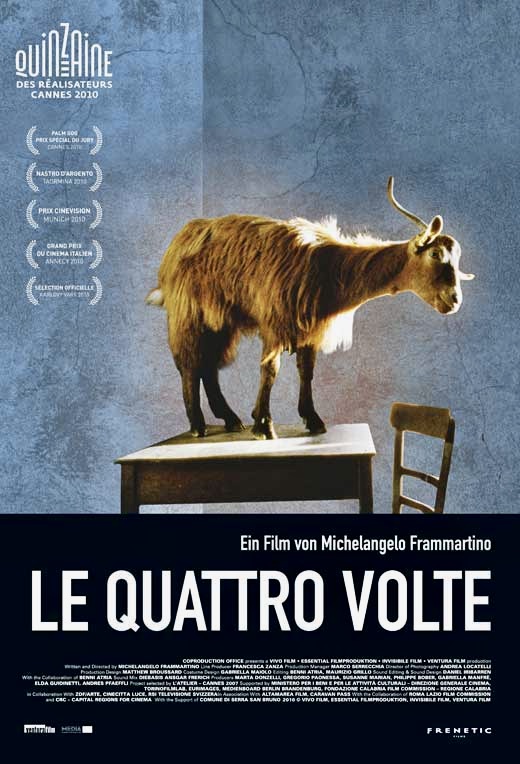
Smoke fills the screen and drifts toward the sky. We see black earth that is steaming and could be cooling lava. Then we notice small holes punched into the dark topography where smoke is being released. A wide shot reveals that we are looking at a mound of charred material that is being raked by a worker at the top of the heap. Where are we and what are we looking at? Michelangelo Frammartino’s Le Quattro Volte (2010), which roughly translates as The Four Times, is an immersive but often disorienting portrait of life in the village of Caulonia, Italy, which often requires the viewer to make sense of a visual detail or local ritual without a frame of reference. This is not detrimental, however, to the film’s exploratory narrative but one which is enriched by a sense of mystery and wonder.



 Cinema Sojourns