Unknown's avatar

About JStafford

I am a writer for The Travel Channel, ArtsATL.com, Burnaway.org and other publications. I am also a film researcher for Turner Classic Movies and a member of the Atlanta Film Critics Circle. This blog is dedicated to overlooked, obscure or underrated movies and other cinema topics that I want to share.

Breaking Up is Hard to Do

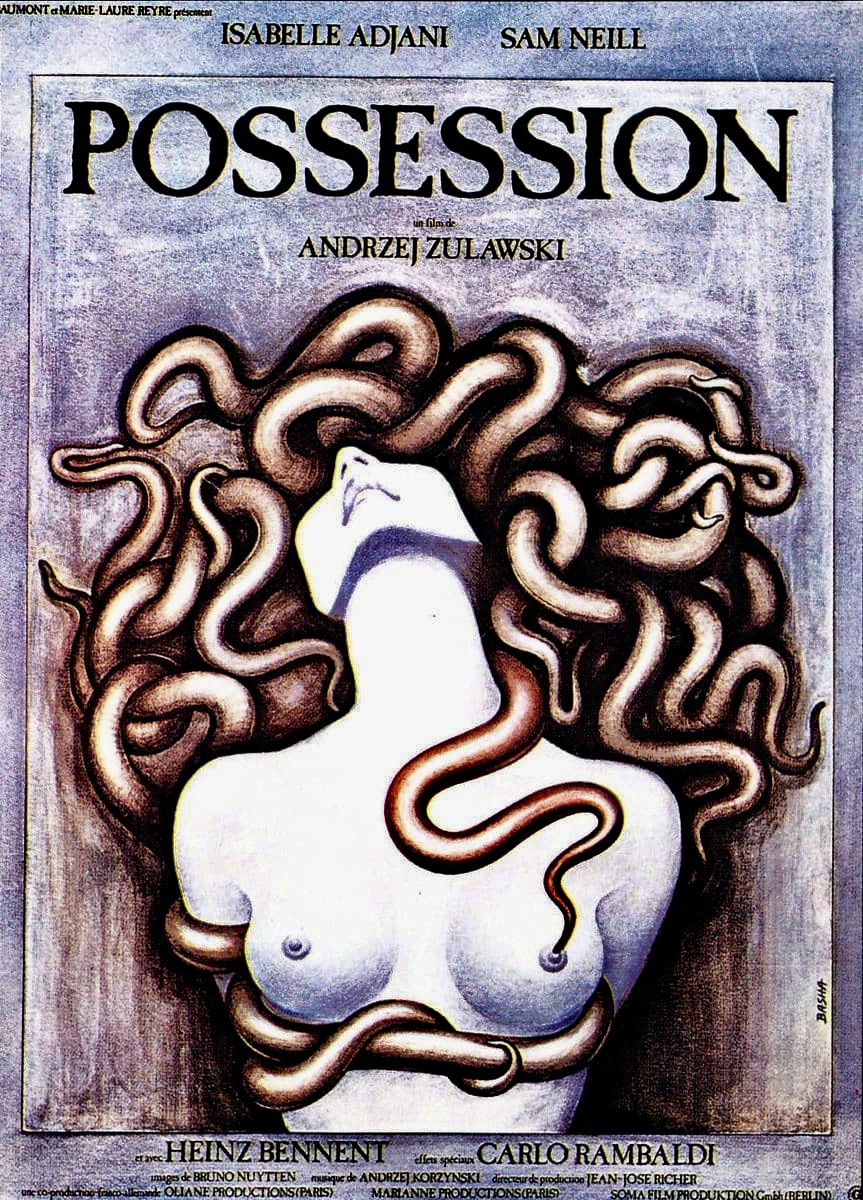
In The Devil’s Dictionary, a satirical lexicon written by Ambrose Bierce which was first published in 1906 under the title The Cynic’s Word Book, marriage is described as “The state or condition of a community consisting of a master, a mistress and two slaves, making in all, two.” While it may be an amusing if not particularly favorable definition of what should be a sacred union between two people, it does reflect a negative viewpoint embraced by some who have suffered through it. Possession (1981), directed and co-written by Andrzej Zulawski with Frederic Tuten, takes this conceit a step further, depicting the institution of marriage as not just a form of slavery but the embodiment of hell on earth.
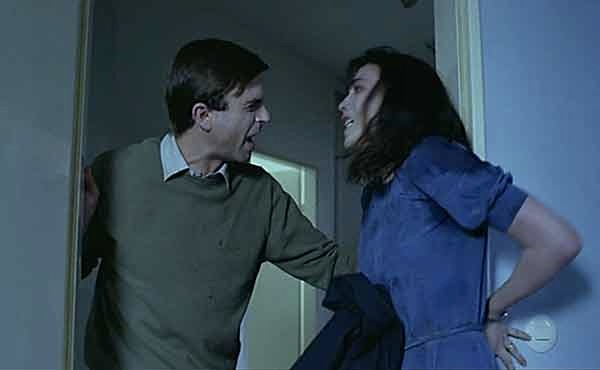
Mark (Sam Neill) confronts Anna (Isabelle Adjani) over her reasons for wanting to end their marriage in POSSESSION (1981).
Continue reading

Smells Like Teen Spirit

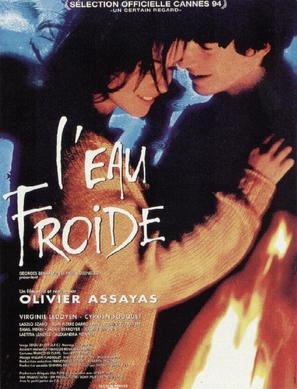
The French film poster for COLD WATER (1994)

Was high school the most emotionally turbulent rite of passage every teenager had to endure? For some, like French director Olivier Assayas, it was a period of time that helped transform him into the person he is today. Those years provided the raw material to create a deeply personal cinematic experience that was not just an artistic triumph in France but earned the director international attention and acclaim. L’eau Froide (English title: Cold Water, 1994) was Assayas’s fifth feature film but he credits it with being the movie that marks his first real breakthrough as a director. The story of Gilles (Cyprien Fouquet), a troubled student from an upper-class family, and his on-again, off-again infatuation with Christine (Virginie Ledoyen), a rebellious sixteen-year-old from a divorced working-class couple, is semi-autobiographical in nature with some incidents taken directly from the director’s life. Assayas would later state, “Cinema has the capacity for making you experience moments, emotion in your life and looking back on it I have the strange feeling that this movie belongs to the seventies.”

Continue reading

The Shame of Shantytown

A Japanese film poster for the 1952 film DOBU aka The Ditch aka Gutter.

One of the most famous Japanese directors of his generation (1912-2012) to emerge from the post-WW2 years was Kaneto Shindo but, outside of a handful of films, most of his work remains largely unseen in the U.S. That is a shame because much of his filmography provides a fascinating glimpse into the lives and mindsets of Japanese people, especially the working class, in the difficult years following the country’s defeat in the war. One of his earliest and most provocative depictions is Dobu (1954), which is also known as The Ditch, but is more accurately translated as The Gutter. And the main protagonist of the film is Tsuru (Nobuko Otowa), who could easily claim to be the most memorable guttersnipe of all time. When the film opens, she is a filthy, wandering beggar on the verge of starvation who collapses in a shantytown known as Kappunuma and here she will remain for the rest of her brief life.

Continue reading

Mathematical Riddles

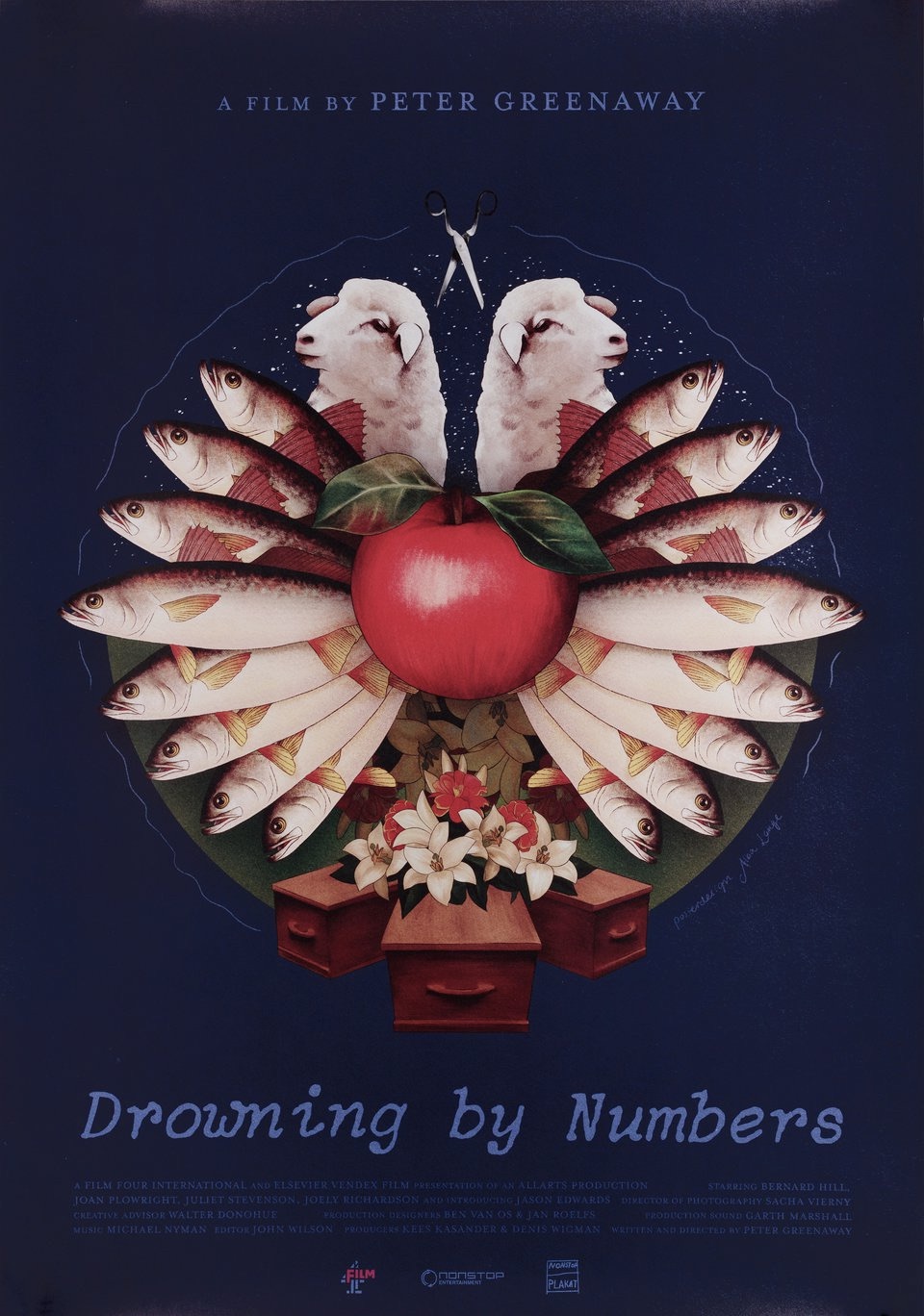
Peter Greenaway is not the sort of director who has ever tried to appeal to the average moviegoer or make a mainstream film but that doesn’t mean he hasn’t enjoyed a long and successful career in the cinema. In fact, his 1989 film The Cook, the Thief, His Wife & Her Lover was a surprise box office hit, grossing more than 7.7 million dollars in the U.S., which was highly impressive for an art house flick. Still, his filmography might seem intimidating or of little interest to most American viewers but several of Greenaway’s feature films from the 1980s are quite accessible, if only curious movie lovers would give them a chance. The Draughtsman’s Contract (1982) and The Belly of an Architect (1987) are good places to begin but my personal favorite is Drowning by Nights (1988), which is a subversive black comedy involving murder, game playing, and a fascination with numbers.

Continue reading

The Year the Music Died

Most musicologists and historians of popular culture generally agree that rock and roll is an American creation but, as a lifetime music lover, I particularly love hearing and seeing how that pop culture movement influenced other societies around the globe. You don’t think of a country like Cambodia as a fertile breeding ground for innovative rock and roll but it was – in the late fifties through the mid-seventies – until the Khmer Rouge took control of the country in 1975. At that point rock and roll (and all music and culture considered “foreign” or western to the communist regime) was outlawed and any evidence of it (albums, tapes, etc.) destroyed, effectively erasing almost twenty years of pop culture…or so, they thought. John Pirozzi, director of Don’t Think I’ve Forgotten: Cambodia’s Lost Rock and Roll (2014), discovered enough missing pieces of that forgotten music scene to put together a fascinating and deeply moving portrait of a particular place and time that should appeal to rock and rollers everywhere.

Continue reading

The Game of Adultery

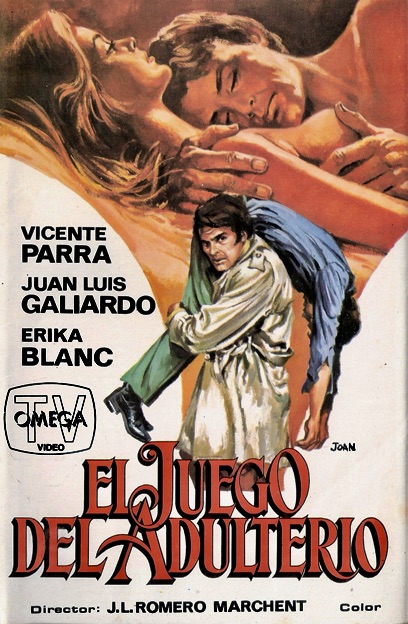
The Spanish film poster for THE GAME OF ADULTERY (1973).

Giallo thrillers and spaghetti westerns are generally considered genres created by the Italian film industry but producers and filmmakers in other European countries also created their own versions in these categories, especially in Spain. Director/Screenwriter Joaquin Luis Romero Marchent, a native of Madrid, is best known for his Spanish take on wild west oaters but he did make a film that could be classified as a giallo. El Juego del Adulterio (English title: The Game of Adultery aka The Deadly Triangle, 1973) is blessed with a title that sounds like an erotic melodrama or maybe a softcore soap opera for the grindhouse crowd. It definitely has elements of that but is actually a psychological thriller crossed with a murder mystery.

Continue reading

The Big Bang

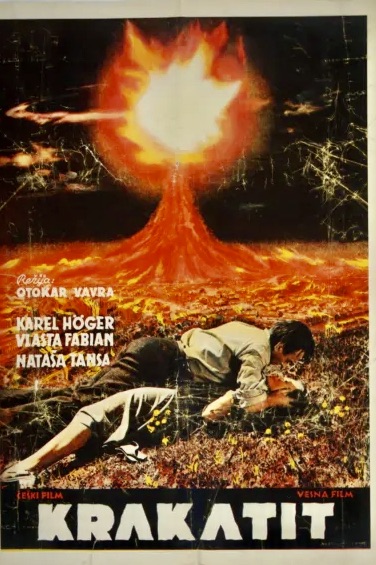
Why would a scientist create a weapon of mass destruction that was capable of destroying the planet and ending life as we know it? J. Robert Oppenheimer, the theoretical physicist who led the Manhattan project and is known as the “father of the atomic bomb,” would later become guilt-ridden over his invention but his original intention was altogether different. He wanted to create a weapon so powerful and dangerous that it would intimidate all world leaders into putting an end to war but, of course, that idealistic concept ended in failure because human beings are flawed creatures. This same scenario is mirrored in the Czech sci-fi drama, Krakatit (1948), in which an engineer named Prokop (Karel Hoger) creates a powder that can become explosive and release atomic energy when activated by radio signals or other means. Like Oppenheimer, Prokop quickly comes to regret his discovery but a case of amnesia caused by an accidental explosion complicates the engineer’s desperate search for an associate, Jiri Tomes (Miroslav Homola), who stole the formula.

Continue reading

Kafkaesque

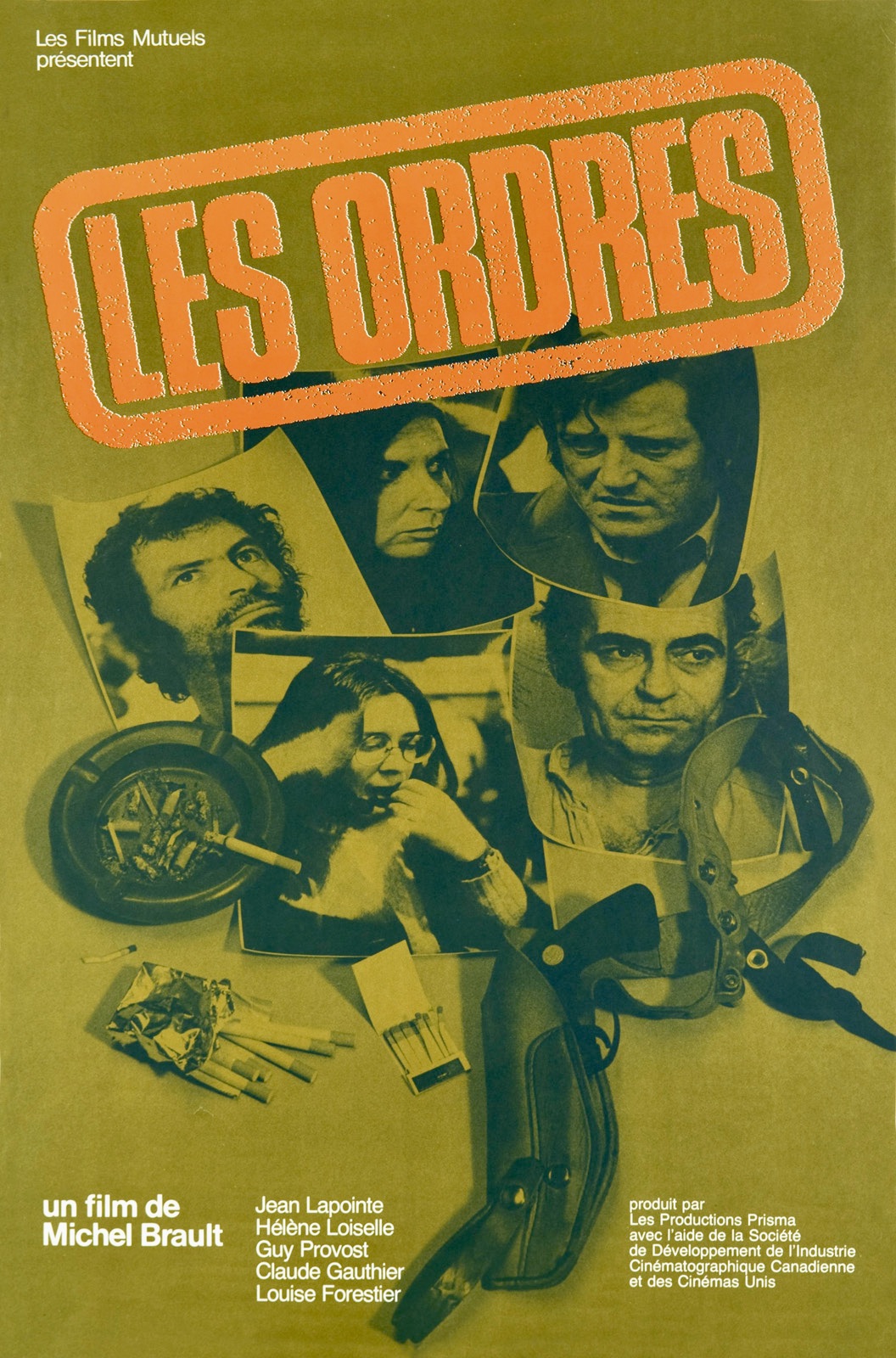
In October of 1970, the Canadian government was thrown into a state of turmoil by the actions of Front de Liberation du Quebec (FLQ), a terrorist group that wanted to achieve independence for Quebec and make it a socialist province. After the FLQ first kidnapped British diplomat James Cross on October 5th and followed it up with the abduction of Quebec Cabinet Minister Pierre Laporte five days later, Pierre Trudeau, Canada’s Prime Minister, called in the army and invoked the War Measures Act, which gave the police complete authority to arrest and interrogate anyone deemed suspicious, regardless of whether there was any evidence or not. Over 400 people were rounded up and subjected to numerous human rights abuses before being released, some after more than 21 days in jail. Les Ordres (1974), a cinema verite dramatization of this incident by Canadian director/cinematographer Michel Brault, follows the travails of five suspects, based on the actual transcripts of their incarceration.

Continue reading

Yma Sumac: Inca Goddess

Yma Sumac, that rarest of exotic songbirds, officially became an extinct species on Saturday, Nov. 1, 2008 in Silver Lake, California. Her passing was barely noticed by the media despite the fact that her impact on pop culture in the early fifties had an international impact. From her first U.S. album release, Voice of the XtaBay (1950), and Hollywood film debut Secret of the Incas (1954) starring Charlton Heston, to everything that followed in her curious career, Sumac has been many things to many people.

Continue reading

Unholy Alliances

The Italian film poster for the 1994 film THE ARCANE SORCERER

Ever since the international box office success of The Exorcist in 1973, horror films dealing with religion and priests have usually focused on demonic possession. This trend even continues today as witnessed by the release of The Pope’s Exorcist (2023) and The Exorcism (2024), both starring Russell Crowe. A refreshingly different approach to this often formulaic subgenre is L’Arcano Incantatore (English title: The Arcane Sorcerer), a sadly overlooked but richly atmospheric period thriller from Italian director Pupi Avati, which premiered in 1996 but never received an official theatrical release in the U.S.

Continue reading