Frank Chandler’s Secret Identity

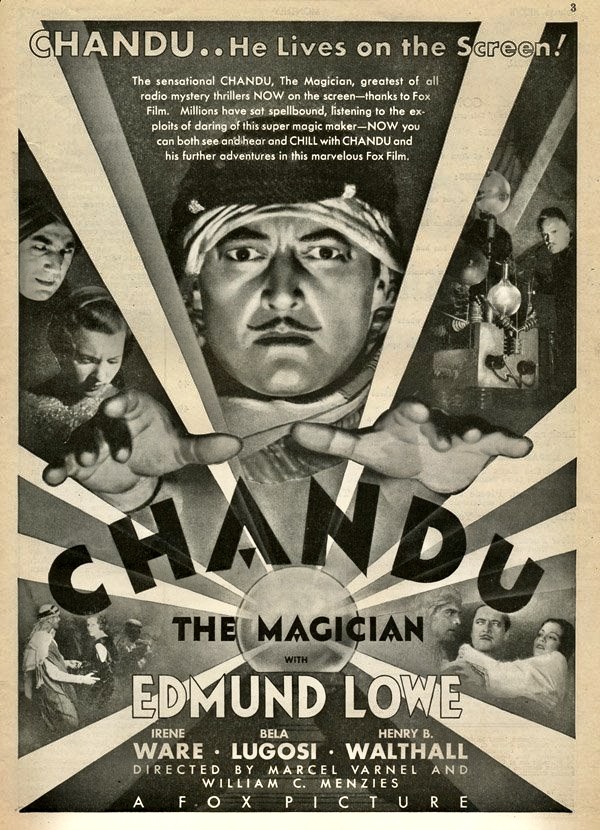
Now that Hollywood has settled into a regular routine of converting comic books and graphic novels into big screen blockbusters, it seems the time is right to revisit some of the earlier superheroes of American pop culture. Take, for example, Chandu the Magician. Based on the popular radio serial by Harry A. Earnshaw and Raymond R. Morgan and broadcast in fifteen minute episodes, the program ran from 1932 to 1936 and then was revived with new talent in 1948 and broadcast until 1950. What makes Chandu unique is the protagonist. Once known as Frank Chandler, he has spent three years among the yogis as a disciple, mastering the art of hypnosis and the occult arts, before being sent out into the world by his mentor to battle the forces of evil under his new identity, Chandu. His nemesis is Roxor, an evil madman intent on dominating the world after hijacking a death ray weapon created by Chandu’s brother-in-law Robert Regent, who is imprisoned by Roxor. When Regent refuses to divulge the secret of activating the death ray, his wife, daughter and son are also captured and threatened with death. Chandu is the only one who can save them.

Continue reading
Things Come to a Boil

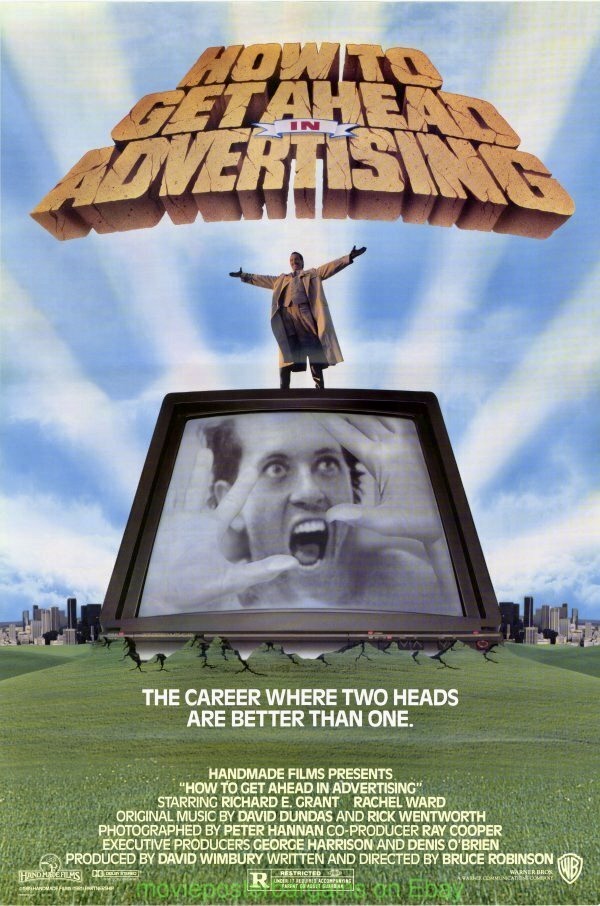
Satiric films about the world of advertising are always welcome and certainly necessary in a world where marketing of some kind is always assaulting the senses of potential consumers. Among some of my favorites in the genre from their respective eras are Will Success Spoil Rock Hunter? (1957), Giants and Toys (1958) from Japan, Putney Swope (1969), The Hudsucker Proxy (1994), the subversively comic documentary The Yes Men (2003), and Thank You for Smoking (2005). But undoubtedly one of the most cynical, biting and deranged of them all is How to Get Ahead in Advertising (1989) in which the title can be taken quite literally. The protagonist of the movie, a self-assured marketing genius, sees his life and career usurped by a boil on his body that ends up replacing his own head and becomes an even more successful version of himself. What? Yes, you read that correctly.

Continue reading

Avenging Apparitions

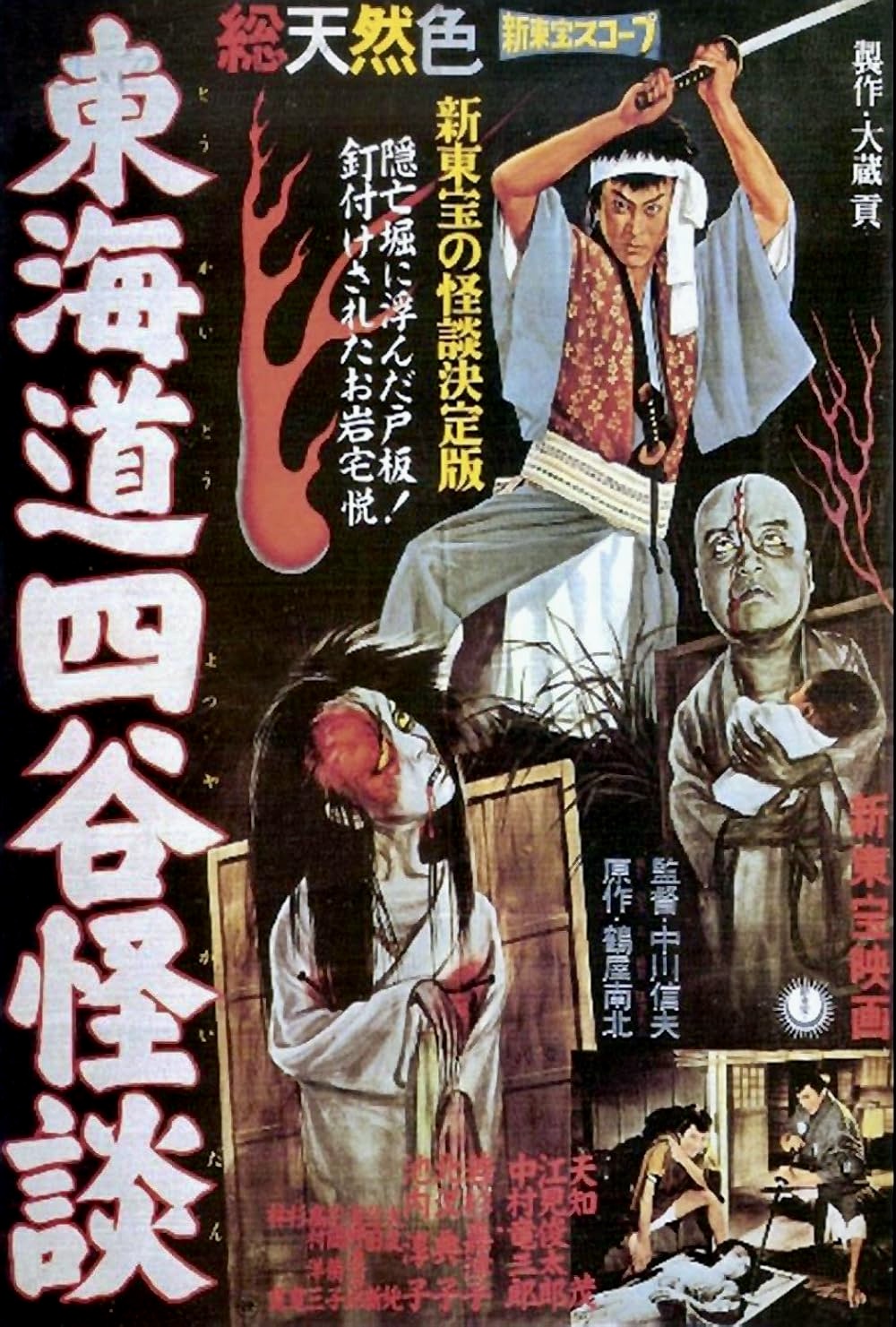
The Japanese film poster for THE GHOST OF YOTSUYA (1959), directed by Nobuo Nakagawa.

Based on a kabuki play written in 1825 by Nanboku Tsuruya, The Ghost of Yotsuya (Japanese Title: Tokaido Yotsuya Kaidan) is one of the most popular and famous of all Japanese ghost stories. It has been filmed countless times over the years but Nobuo Nakagawa’s 1959 version of The Ghost of Yotsuya might be the definitive version. The story is one of fate, passion, betrayal and revenge – all classic themes of kabuki theatre and Greek tragedy.

Continue reading

Free Spirits

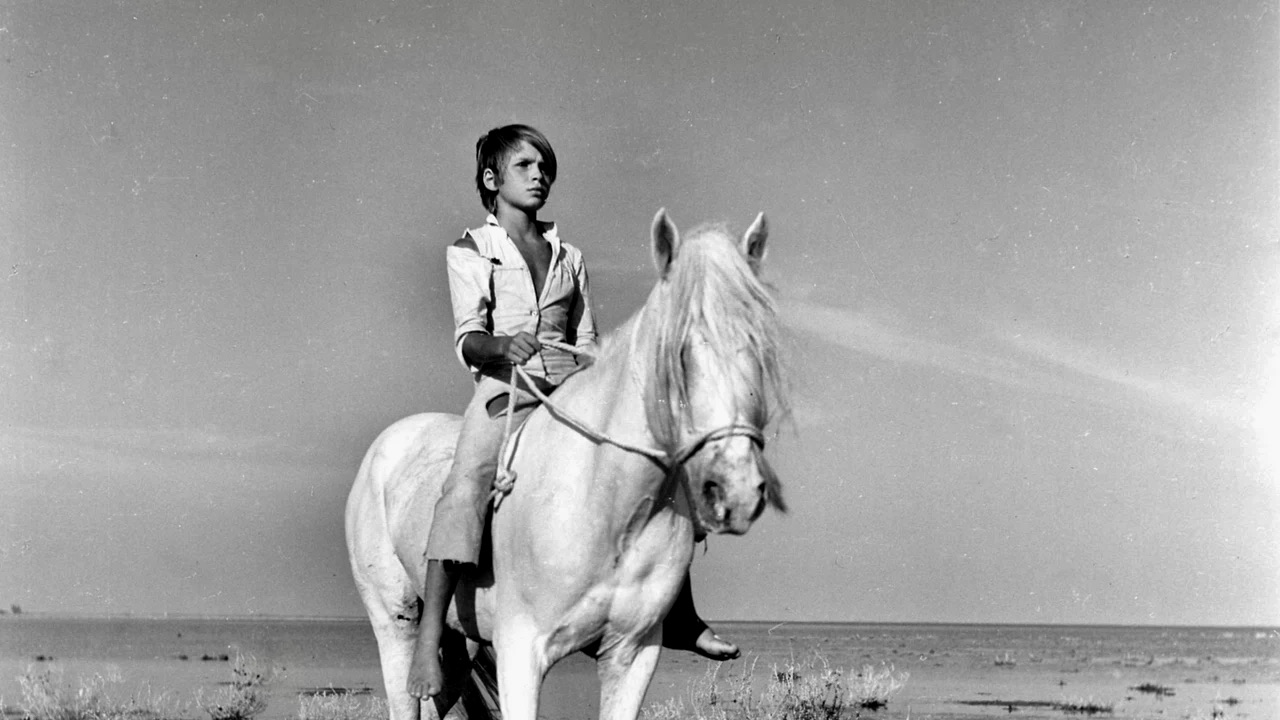
Folco (Alain Emery) forms a bond with a wild stallion in the 1953 French adventure drama WHITE MANE.

When you consider movies made for children and/or family viewing, stories about horses constitute a large portion of the genre, especially in American cinema. My Friend Flicka (1943), Black Beauty (1947), The Story of Seabiscuit (1949), Snowfire (1957), The Sad Horse (1959) and The Black Stallion (1970) are just a few of the more famous titles and some of these have inspired remakes or sequels. Still, one of my favorite films in this category comes from France and is often overlooked today – Crin Blanc: Le Cheval Sauvage (English title: White Mane, 1953), written and directed by Albert Lamorisse (1922-1970).

Continue reading

Beat Girls and Hep Cats

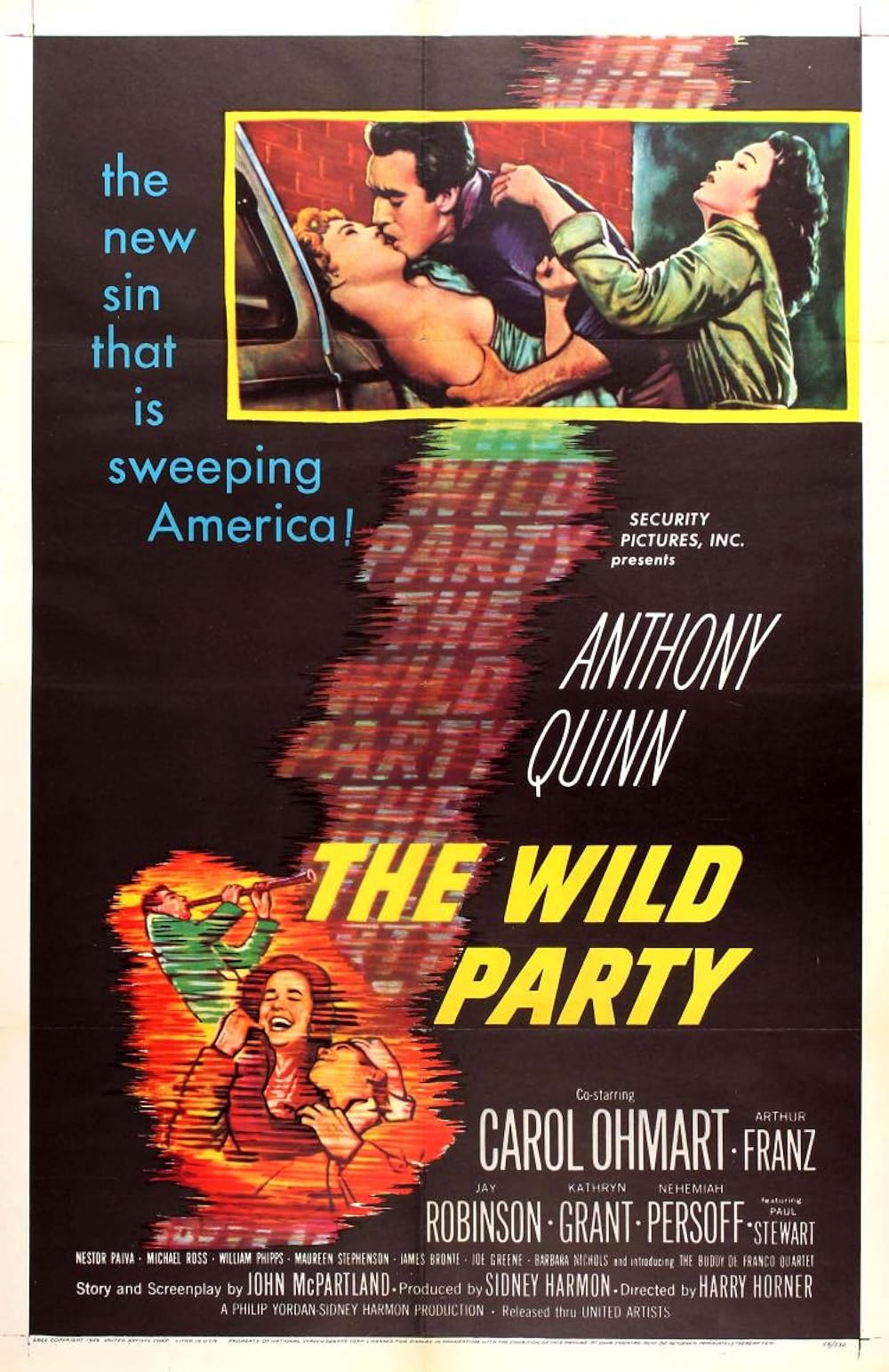
Among the numerous Hollywood films that attempted to explore the subculture of the emerging beatnik and bohemian scene of the late fifties, none is odder or more blatantly miscast than The Wild Party (1956) which casts Anthony Quinn as Tom Kupfen, a former star football player turned full time deadbeat, hanging out at basement jazz clubs and dive bars, looking for action. He’s joined by a motley crew of hipster accomplices that includes Kicks (Nehemiah Persoff), a jazz pianist of some talent, Honey (Kathryn Grant), a spaced-out former girlfriend, and Gage (Jay Robinson), a switchblade-toting psychopath.

Continue reading

They Came from Tugador

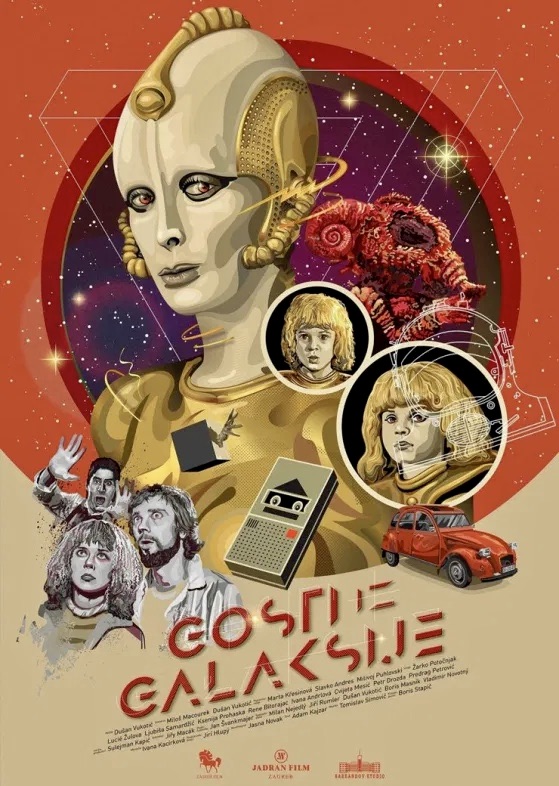
The Yugoslavian film poster for the 1981 science fiction fantasy VISITORS FROM THE ARKANA GALAXY.

I always welcome the opportunity to learn new words and I discovered one today from an unlikely source – Visitors from the Arkana Galaxy (1981), a science fiction fantasy from Yugoslavia. In the movie, an aspiring writer questions a psychiatrist about the possibility of fictional characters from a story becoming real creations through the power of thought. The psychiatrist calls it Tellurgy – a non-existence word – but Tulpa is a noun that has the same meaning and refers to a being or object that is created in the imagination by visualization techniques. There have certainly been other movies to explore this phenomenon – Forbidden Planet (1956), Stranger Than Fiction (2006), Ruby Sparks (2019) – but Visitors of the Arkana Galaxy takes the concept in unexpected directions, employing genre parody, surrealism and a healthy dose of black comedy.

Continue reading