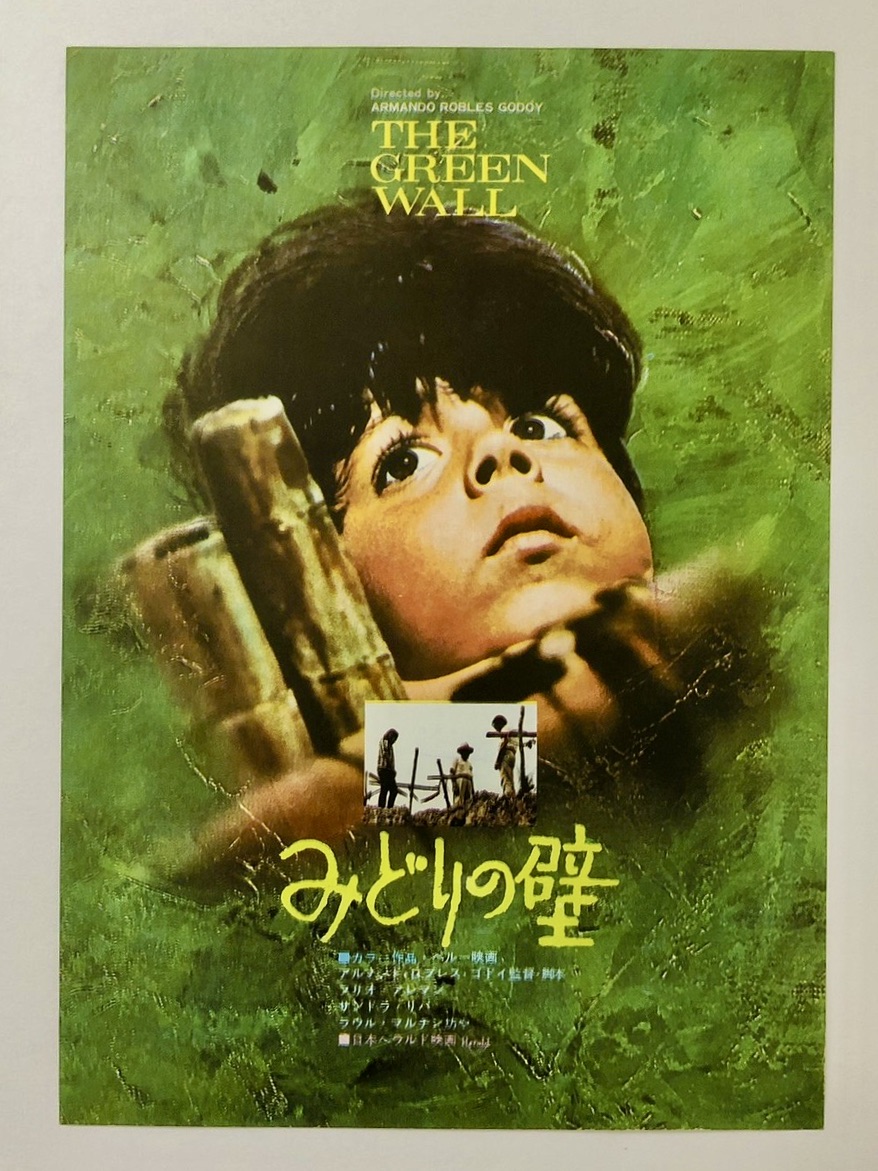
Remember the back-to-the-land movement of the mid-1960s, which lasted well into the late 1970s? It was a counterculture response to urban living with its many problems – traffic, pollution, crime, political turmoil, etc.. Young people, in particular, were looking for healthier, more sustainable lifestyles such as growing their own food and living off the land. Although this cultural phenomenon mostly occurred in North America, the idea was co-opted by young idealists around the world, even in such far away places as Tingo Maria, Peru. That is the setting of the 1969 film La Muralla Verde (English title, The Green Wall), the story of Mario (Julio Aleman), a recently married businessman, who becomes fed up with city living in Lima and convinces his wife Delba (Sandra Riva) to start a new life on the land he has purchased in the Peruvian jungle. Along with their newborn son Romulo, the couple set off on a new chapter in their lives with high hopes.
Continue readingMonthly Archives: September 2025

Run for the Border
Films from South Korea were not something you would expect to see at the local cineplex in the U.S. until around 2006 when Park Chan-wook’s kaiju horror fantasy The Host became a surprise crossover hit, appealing to fans of Godzilla and other giant rampaging monster flicks. Prior to that, a few South Korean movies such as Kim Ki-duk’s Spring, Summer, Fall, Winter…and Spring (2003), Bong Joon Ho’s Memories of Murder (2003) and Chan-wook’s Oldboy (2003) had attracted critical acclaim and popularity on the art house circuit. But it was The Host that really opened the floodgates for South Korean cinema in the U.S., reaching a peak in 2019 with Joon Ho’s Gisaengchung (English title: Parasite). It won four Oscars including Best International Feature Film and, more importantly, Best Picture, the first foreign language movie to ever snag that award. Currently you can find numerous South Korean films and TV series like Squid Game available on Netflix and other streaming platforms and most of them are not art house darlings but easily accessible genre movies that U.S. audiences can enjoy. Talju (English title: Escape, 2024), a slickly produced, fast paced chase thriller is a perfect example of this, which interestingly enough, is set entirely in North Korea, a country which does not distribute movies in America due to their restrictive media policies.
Continue readingThe Stranger Upstairs
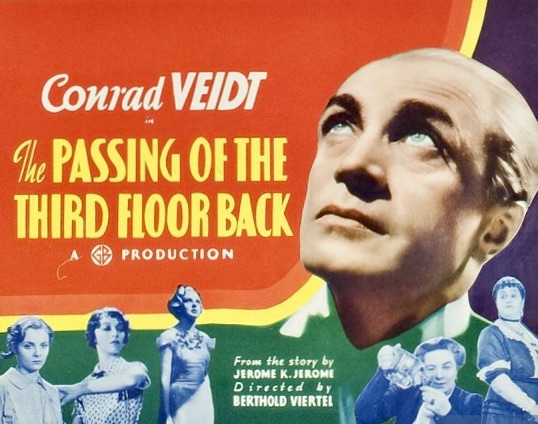
A mysterious stranger arrives at a boarding house in London and inquires about the advertised room to let. The landlady has some reservations about him but his good manners, personal charisma and willingness to pay his rent in advance convinces her he will be a respectable lodger. How many times have we seen movies that open with the same scenario where the new boarder turns out to be a suspicious character and possibly mentally unhinged? Alfred Hitchcock’s The Lodger (1927), Man in the Attic (1953), Roman Polanski’s The Tenant (1976) and The Minus Man (1999) are some of the more famous examples of this. The 1935 British film, The Passing of the Third Floor Back, however, gives us a protagonist who could be some kind of savior in disguise, a spiritual being who has come to help the unhappy and misanthropic boarders. Is he an angel, a Christ figure or maybe a figment of someone’s imagination?
Continue readingThe Lure of the Big Apple
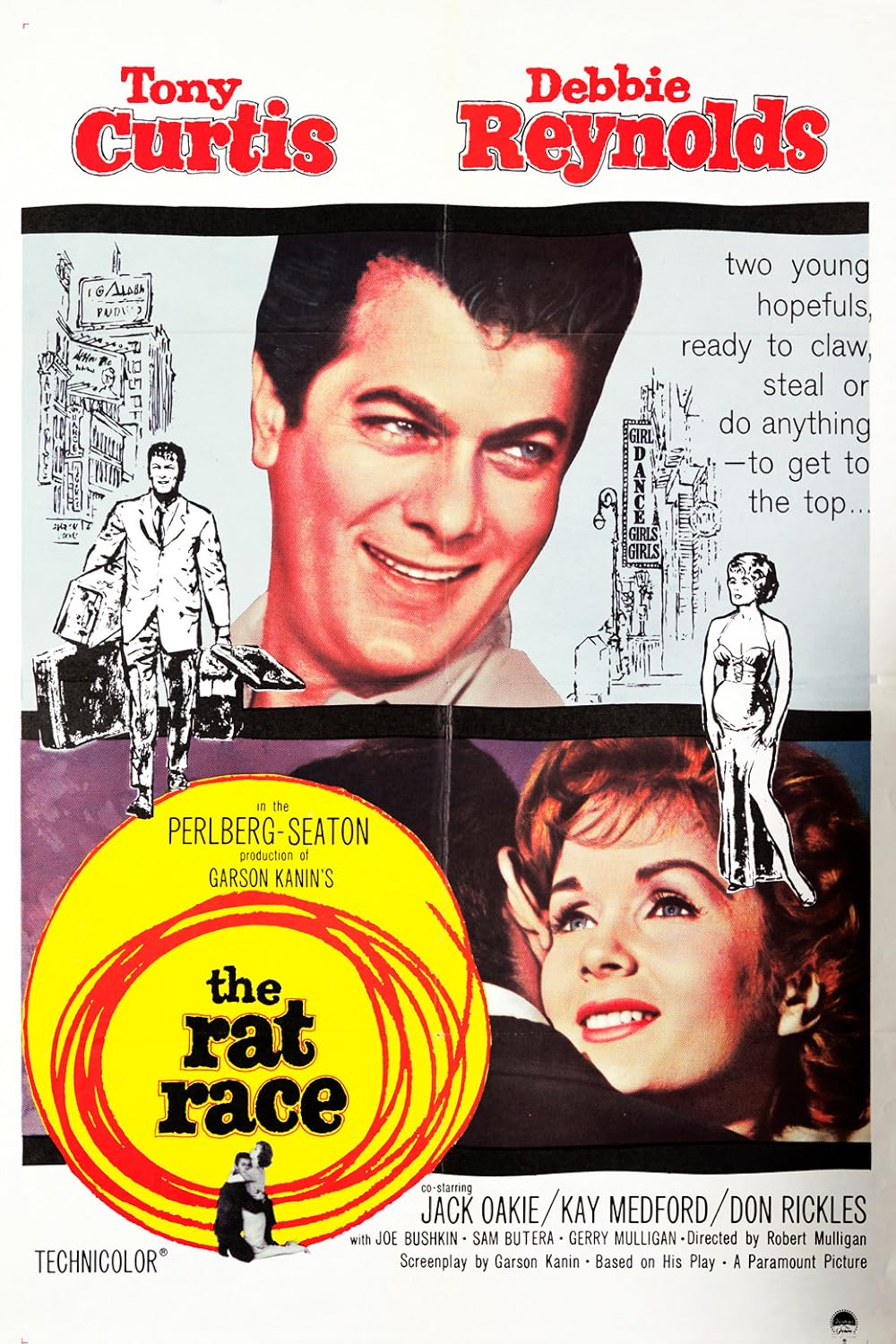
New York City has served as the background and, in some cases, the main star in dozens of films from King Kong (1933) to The Naked City (1948) to Manhattan (1979), and usually it is depicted as a vibrant melting pot of humanity where opportunity and chance encounters can change the course of one’s life. It can also be a place of desperation, danger and soul-crushing despair and The Rat Race (1960), based on Garson Kanin’s play and adapted by him for the screen, falls into this category. Along with such films as Midnight Cowboy (1969), Death Wish (1974) and Taxi Driver (1976), this tale of two innocents being beaten down by the realities of big city life comes across like a hate letter to the Big Apple, whether that was Kanin’s intentions or not.
Continue readingBeastly Behavior
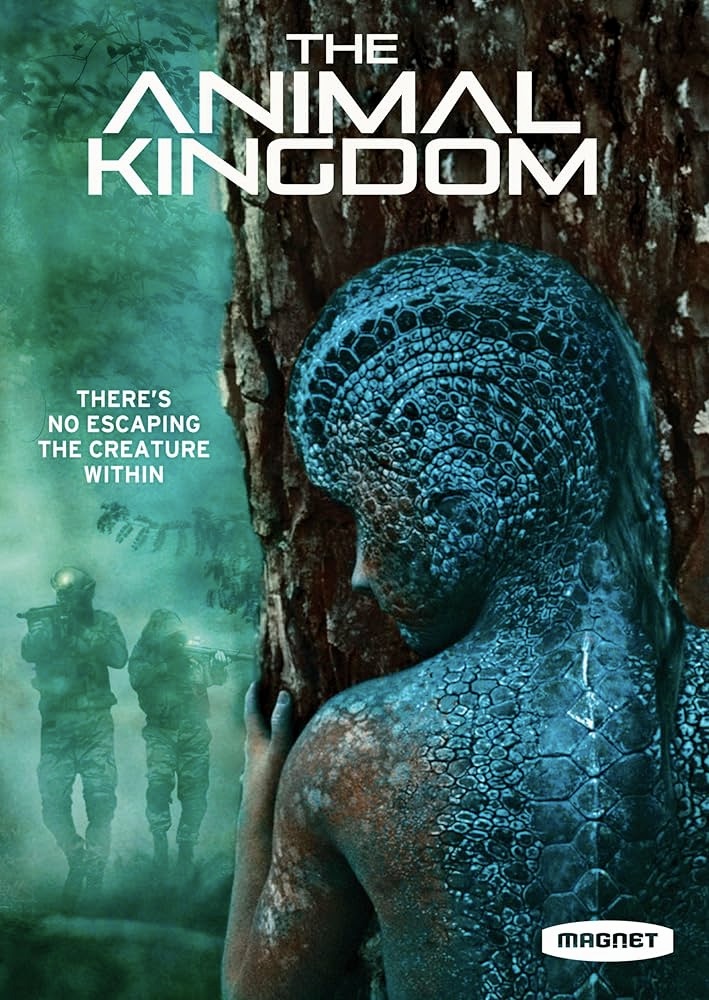
Sometime in the near future, the human race experiences a strange phenomenon in which random people begin to mutate into different animal species. There is no rhyme or reason to the malady but it is starting to dictate a new world order. Francois and his teenage son Emile are affected by this because Lana, Francois’s wife and Emile’s mother, is beginning to transition into some type of creature. She is currently under observation at the hospital but a decision is made to move her into a government facility in a rural area for her own protection and a possible cure. So begins Le Regne Animal (English title: The Animal Kingdom, 2023) from French director Thomas Cailley, a film that has been pigeonholed by some reviewers as a science fiction film but is actually more of a surreal fantasy.
Continue readingDon’t Stop for Strangers!
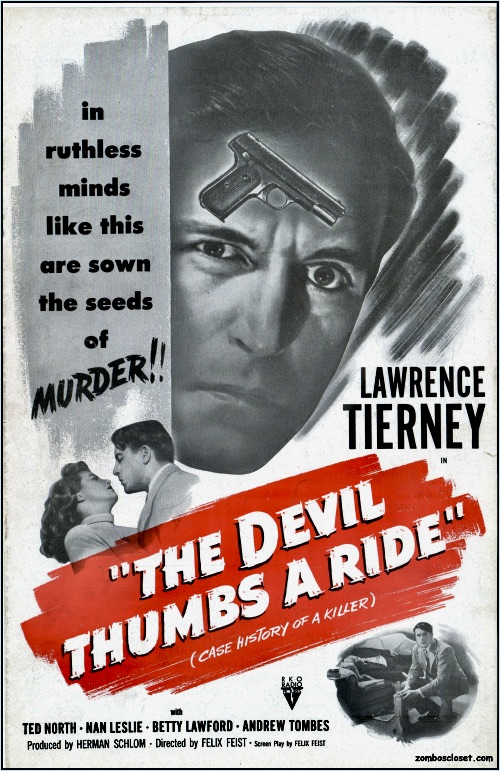
Is there anybody meaner than Lawrence Tierney on the screen? Sure, James Cagney was a bad-ass, shoving a grapefruit into Mae Clarke’s face in The Public Enemy or knocking Virginia Mayo off a chair in White Heat. And Bogart could be equally cold-blooded in films like The Petrified Forest and The Treasure of the Sierra Madre. But Tierney is like a rabid dog in comparison, sparing no one, not even himself, from violent death, and The Devil Thumbs a Ride (1947) is a perfect example of his menacing screen persona.
Continue reading