Sometimes you hear a famous actor or actress state in an interview that they never watch their own movies. If they are that self-conscious, how did they ever become actors? Don’t you improve your craft by watching your films so you can see what works and what doesn’t? But some directors are guilty of this too such as Billy Wilder, who has often stated he doesn’t like watching his completed films because he always sees things he wants to change and it’s too late. Wilder has even admitted that he never watched the first movie he ever directed, Mauvaise Graine aka Bad Seed (1934), and never wanted to see it. Despite his disregard for the film, which he co-directed with Alexander Esway, Mauvaise Graine is nothing to be ashamed of and, for most Billy Wilder fans, it is an unexpected treat.
Continue readingMonthly Archives: February 2024
There’s No Place Like Home
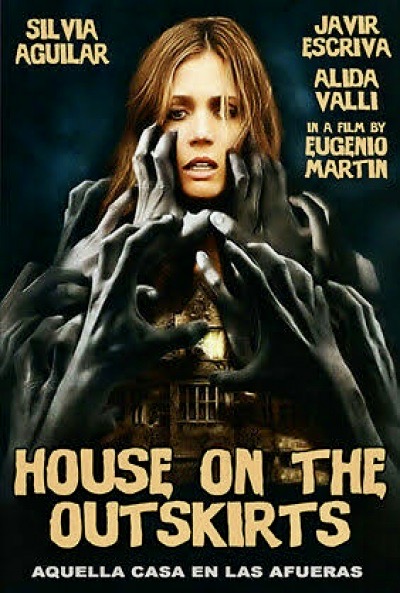
Spanish director Eugenio Martin is not a name familiar to the average American moviegoer but for fans of European genre films, he has developed a cult following over the years, thanks to the release on DVD and Blu-ray of some of his better known titles. Among these are the fast-paced, enormously entertaining sci-fi/horror/train disaster hybrid Horror Express (1970) with Christopher Lee, Peter Cushing and Telly Savalas, the giallo The Fourth Victim (1971) starring Carroll Baker, and A Candle for the Devil aka It Happened at Nightmare Inn (1973) in which two religious fanatic sisters are behind a series of murders. Martin also helmed several entrees in the Spaghetti Western genre such as The Ugly Ones (1966), Requiem for a Gringo (1968) and Bad Man’s River (1971) featuring Lee Van Cleef, James Mason and Gina Lollobrigida but some of his efforts defy easy categorization like Aquella Casa en las Afueras (English title: The House on the Outskirts, 1980), which is like a woman-in-peril melodrama crossed with an “old dark house” thriller. Throw in some unspoken but implied social commentary on women’s birthrights and you have a rather unique film from post-Franco Spain.
Continue readingShowdown in the Arctic Ocean
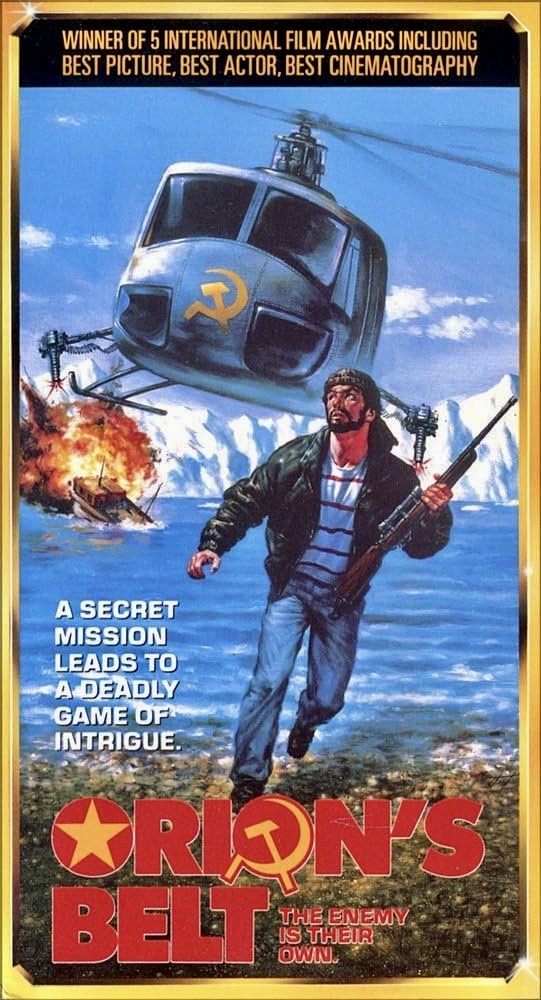
Quick, name your favorite movie from Norway. If nothing immediate comes to mind it is because very few Norwegian films get imported to the U.S. and the few that do are usually art house fare that play to niche audiences in the major cities. Regardless of that, Norway has had a thriving film industry for years and a few filmmakers have developed international reputations such as Morten Tyldum, who was Oscar nominated for Best Director for The Imitation Game (2014) starring Benedict Cumberbatch as the British mathematical genius Alan Turing, and Joachim Trier, whose 2021 movie The Worst Person in the World received Academy Award nominations for Best International Feature Film and Best Original Screenplay. One of the few exceptions to the above is Orions Belte (English title: Orion’s Belt, 1985), which is considered Norway’s first contemporary action thriller and the biggest box office success in its own country for years. It also won critical acclaim and garnered numerous industry awards in Norway even though Orion’s Belt is essentially a B-movie thriller. Still, the lean, stripped-down narrative, based on Jon Michelet’s 1977 novel (the screenplay is by Richard Harris), and Hollywood-style production values transformed this audience-pleasing genre exercise into something much more intriguing and thought-provoking.
Continue readingPressbooks: Classic Movie Marketing Promotion
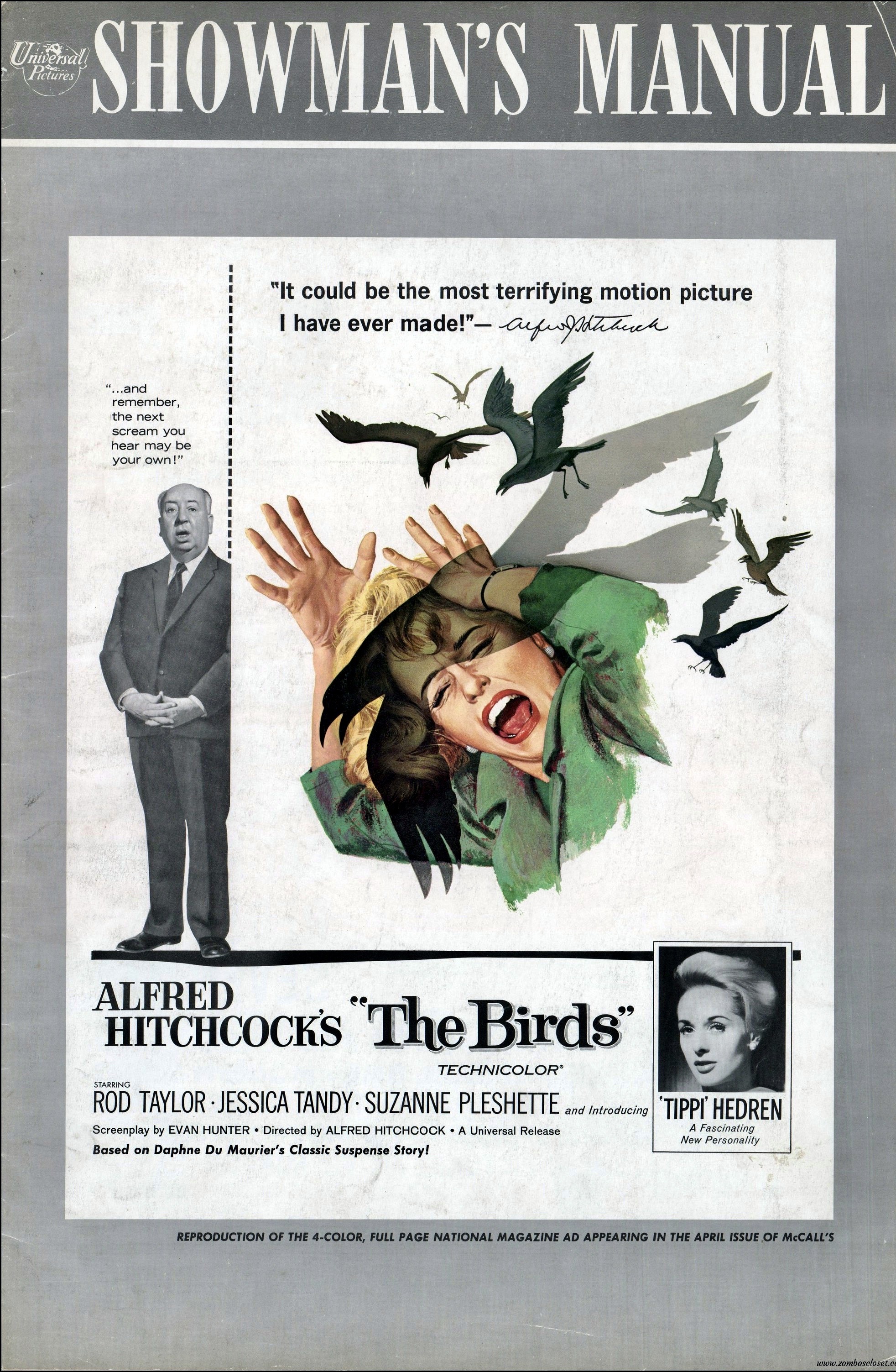
Among the many movie collectibles on the marketplace, pressbooks were studio publicity tools that were created for the theatre exhibitors. Though rarely seen by the public except by film collectors, these specialized publications were chock full of alternate poster art for their specific film as well as behind-the-scenes stories on the production, cast and crew. Best of all were the promotional tips for theatre managers on how to pack their theatres with excited fans. Some of these tips could probably get you arrested and sometimes you had to wonder if the pressbook writers were drunk or just testing the gullibility of the exhibitors.
Continue readingA Very British Haunting
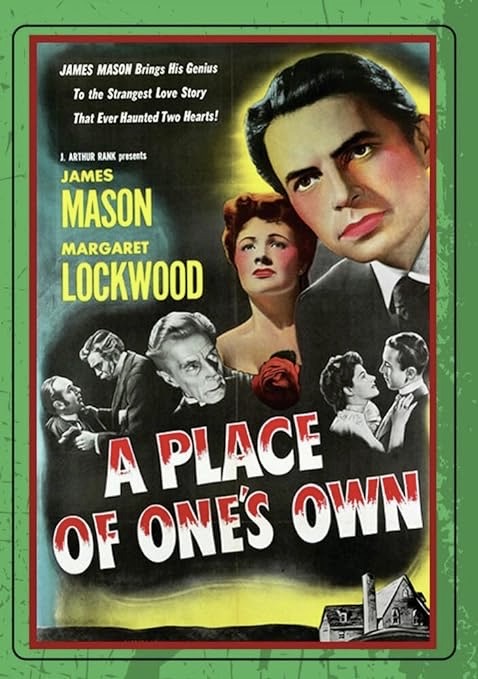
There are not that many British films from the 1930s and 1940s about ghosts and haunted houses and the ones that do stand out are primarily comedies like The Ghost Goes West (1935), The Ghost Train (1941), Blithe Spirit (1945) and Things Happen at Night (1948). Still, there have been a few U.K. features that took a more serious approach to the genre and A Place of One’s Own (1945) is a good example, even though it is largely overlooked and forgotten today.
Continue readingThe Inscrutable Wanderer
BJ is not a typical private detective by anyone’s standards. He doesn’t own a car and walks or jogs everywhere. Nor does he carry a gun (although he might steal one from any thug that threatens him) or play the tough guy in the brutal manner of Mike Hammer (Ralph Meeker in Kiss Me Deadly). In fact, when he is first introduced in Yokohoma BJ Blues, directed by Eiichi Kudo, he seems like some eccentric drifter who occasionally moonlights as a singer in an after-hours club, where he works for tips. But working as a private detective is his main gig and this 1981 feature is certainly one of the most offbeat and low-key detective dramas you will probably ever see and, even for Japanese viewers, it could be an endurance test or a fascinating hybrid.
Continue reading