
Joe Meek: Studio Recording Wizard

British record producer Joe Meek surrounded by photos of some of his acts in the 1991 BBC documentary THE VERY STRANGE WORLD OF THE LEGENDARY JOE MEEK.

Most record collectors and music lovers of the baby boom generation fondly remember some of the top forty hits created by such innovative producers like Phil Spector, Bob Crewe and Eddie Kramer during the 1960s. Another major talent also emerged in England during this time period who took a unique, hands-on approach to producing records – Joe Meek. With an arsenal of sound effects and recording devices he kept secret from everyone, Meek had a meteoric rise and fall between 1961 through 1967 but is still famous today for “Telstar,” performed by The Tornadoes. It was a monster hit in the U.K. and became the number one single in the U.S. on Billboard’s top 40 chart during the week of December 22, 1962. As a producer, Meek was not a one-hit wonder and had other best-selling singles such as “Johnny Remember Me,” a ghost ballad performed by actor turned pop star John Leyton, and “Have I the Right?” by the Honeycombs. Unfortunately, personal problems, poor financial management and competition with major labels contributed to his downfall (he committed suicide in February 1967). But a fascinating window into his life and career was produced for the Arena documentary series for the BBC in 1991 entitled The Very Strange Story of the Legendary Joe Meek.

Continue reading
Robert Frank and The Rolling Stones

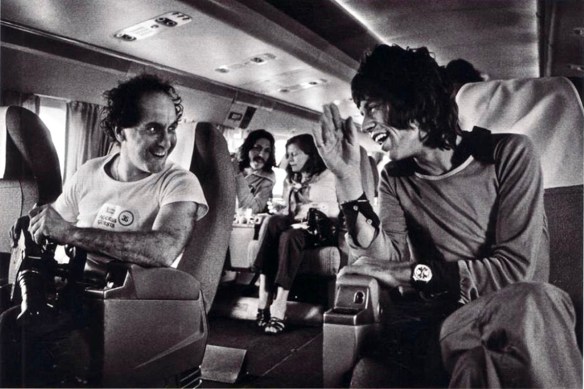
Photographer/filmmaker Robert Frank (left) and Mick Jagger (right) on The Rolling Stones’ private jet during their 1972 tour of the U.S. to promote the album “Exile on Main Street” as depicted in the rock documentary Cocksucker Blues (1972).

After being withheld from release for 15 years, Gerald Fox’s Leaving Home, Come Home: A Portrait of Robert Frank, is finally receiving a U.S. theatrical release. Famous for his seminal 1958 collection “The Americans,” Swiss-born photographer Frank is no stranger to films being withheld from public viewing and one of his most infamous projects C*cksucker Blues, a behind-the-scenes account of The Rolling Stones’ 1972 tour of America, remains unreleased to this day.  Continue reading

Remembering Hal Ashby

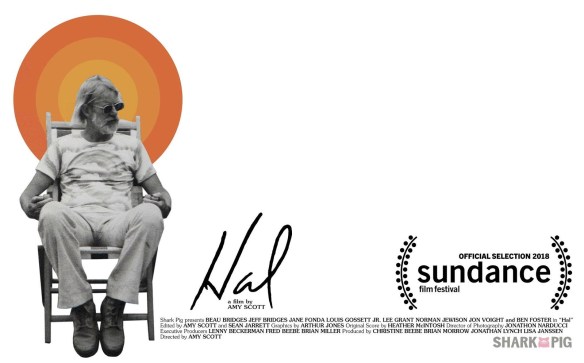
Mark Harris’s best-seller Pictures at a Revolution: Five Movies and the Birth of the New Hollywood pointed to 1967 as the year that the studio system crumbled and a new order emerged while Peter Biskind’s Easy Riders, Raging Bulls profiled the subsequent rise of the young turk directors in the seventies who changed cinematic conventions with their idiosyncratic films. Martin Scorsese, Steven Spielberg, Francis Ford Coppola, George Lucas, Peter Bogdanovich are usually singled out as the prime movers and shakers by film historians of that era while the once high profile Hal Ashby is often underrated and relegated to the sidelines. Hal, Amy Scott’s new documentary on the director, is a welcome homage that attempts to elevate and restore this influential figure to his rightful place in Hollywood history.  Continue reading