The demonic mask featured in ONIBABA (1964), Kaneto Shindo’s classic tale of murder and retribution set in 14th century Japan.
There is one cinema gimmick that always works for me and can sometimes lift a movie out of the ordinary and take it somewhere unexpected. This usually occurs when someone either puts on a mask or appears in one. The simple act of doing this immediately brings something theatrical and visually arresting to the scene that taps into our subconscious on an almost primeval level.
The Japanese New Wave of the late 1950s/early 1960s introduced the world to a number of rising directors who are now icons of cinema like Nagisa Oshima, Hiroshi Teshigahara, Shohei Imamura and Masahiro Shinoda but it has only been in recent years that Yoshishige Yoshida aka Kiju Yoshida has started to receive the belated acclaim he deserves. His 220-minute masterpiece Eros + Massacre (1969), which told the parallel stories of two student activists and Sakae Osugi, an anarchist and free love advocate, startled critics with its radical take on sex and politics, not to mention a fragmented narrative approach with unusual camera compositions of widescreen black and white imagery. Long before that, Yoshida learned his trade at Shochiku Studio at a time when the company began making films about the disaffected post-war generation such as Oshima’s Cruel Story of Youth (Seishun Zankoku Monogatari, 1960) and Good-for-Nothing (Rokudenashi, 1960), Yoshida’s debut film about an aimless youth and his attraction to the secretary of a rich friend’s father. The director would eventually part ways with Shochiku over creative differences and start his own production company in 1964 but his final movie for the studio, Escape from Japan (Nihon Dasshutsu, 1964), shows Yoshida imposing his own aesthetic and stylistic approach to what is essentially a B-movie melodrama.
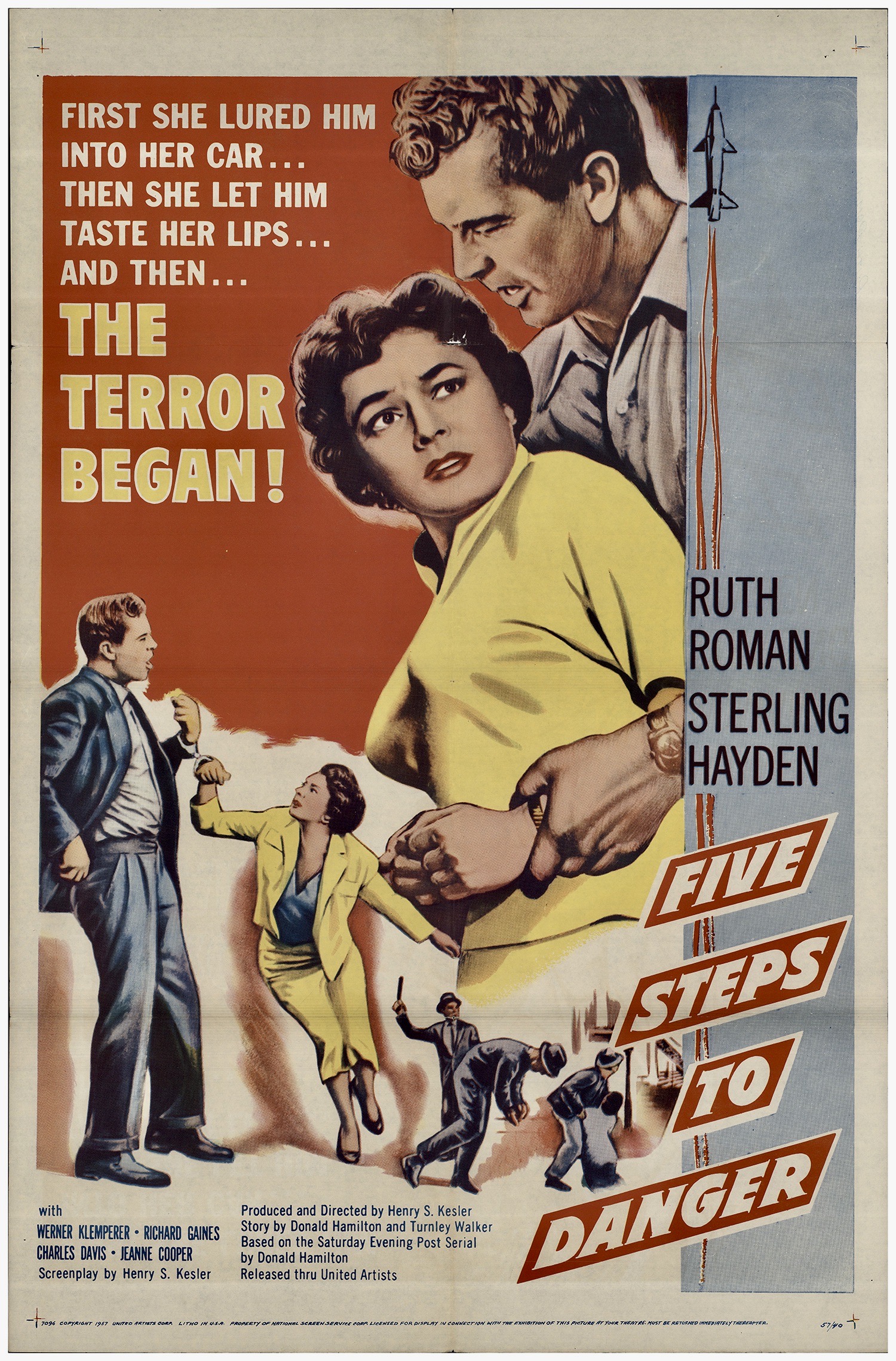
Only two years after WW2 officially ended on September 2, 1945, relations between the United States and the USSR cooled and became frosty, ushering in The Cold War era, which lasted until the dissolution of the Soviet Union on December 26, 1991. Hollywood was quick to capitalize on this disturbing new reality by producing and releasing a string of anti-communist dramas, adventures and spy thrillers, many of them grade A productions with major stars from the top studios. One of the earliest releases was The Iron Curtain (1948) from 20th-Century-Fox, which was directed by William A. Wellman and reunited Dana Andrews and Gene Tierney from Laura in a true life story about a Soviet defector in Canada. Many others followed such as The Red Danube (1949) and Conspirator (1949) from MGM, Diplomatic Courier (1952) with Tyrone Power battling Soviet agents in post-war Europe and Leo McCarey’s infamous red scare melodrama, My Son John (1952). Even John Wayne got on the patriotic bandwagon and sounded off against the commies in Big Jim McLain (1952) from United Artists, Blood Alley (1955) from Warner Brothers, and Jet Pilot (1957) from RKO. All of these, however, were high profile releases compared to 5 Steps to Danger (1957), a modest but highly entertaining indie feature from Grand Productions (distributed by United Artists), which teamed up Sterling Hayden and Ruth Roman.
On first impressions The Big Caper (1957) may look like just another grade B bank heist thriller but don’t be fooled. This 1957 independent pickup by United Artists is a genuine loose canon and highly peculiar within its own specialized genre. In the best heist thrillers (Rififi,The Asphalt Jungle), the robbery is usually ingeniously planned and executed but when it goes awry, it’s usually due to festering hatred among the instigators (Odds Against Tomorrow) or bad luck (Plunder Road). In The Big Caper, the glaring flaw is the organizer who appears to be a shrewd and cautious businessman until you see the wacko team he assembles for the job. And he might be the biggest nutcase in the lot. It’s not a comedy, but it should be, and you may very well find yourself laughing uncontrollably at times. Continue reading →




 Cinema Sojourns