
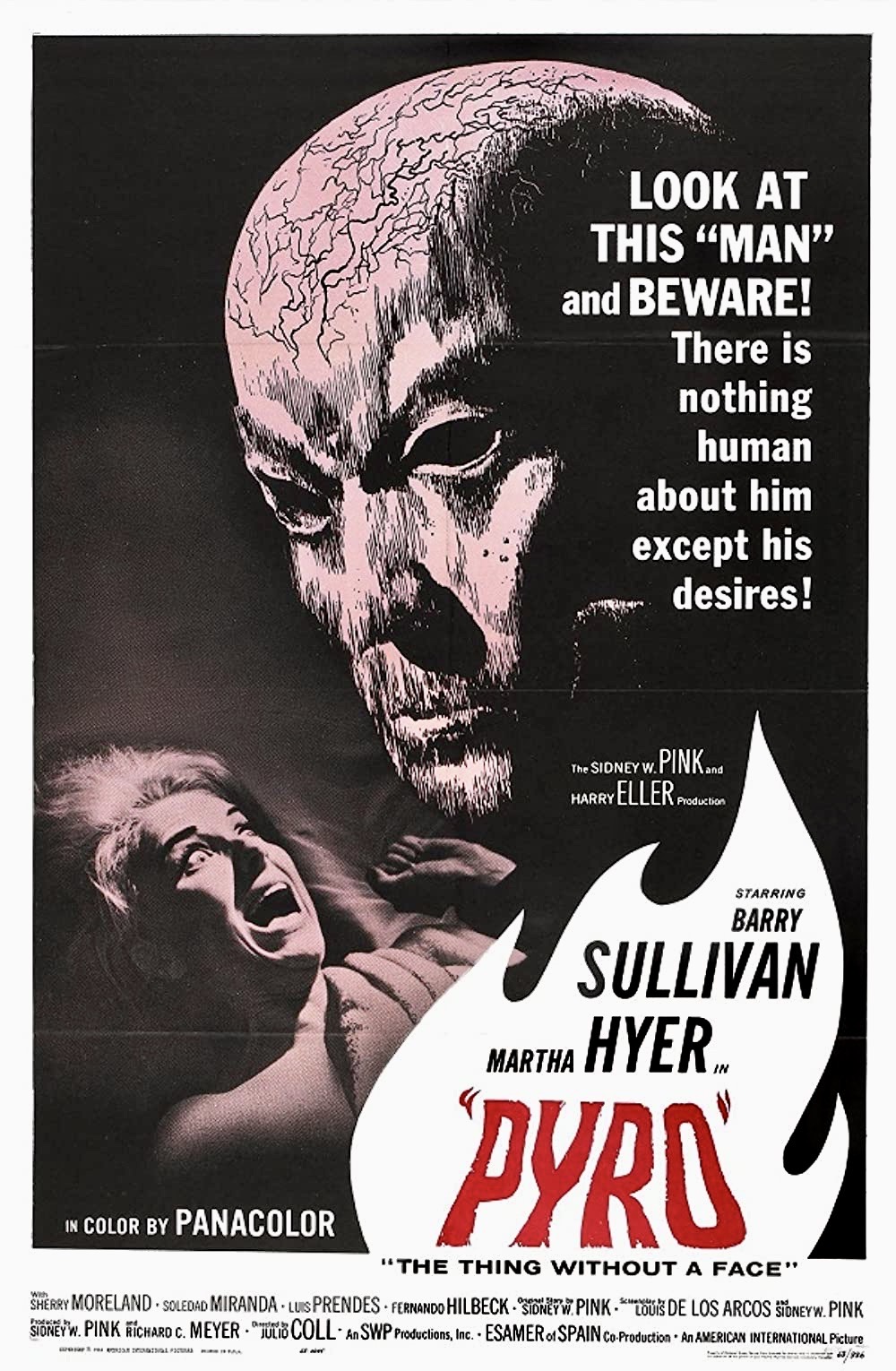
The early 1960s was a turbulent time for the film industry and the Hollywood studio system was becoming a relic of the past as television and other competitors in the entertainment field lured audiences away. Some movie actors could see the writing on the wall and began to pursue film offers outside Hollywood and the U.S. Some of the more famous former studio contract players who escaped and reinvented themselves in Europe were Clint Eastwood, Charles Bronson, Lee Van Cleef, Jean Seberg and Jane Fonda. Even seasoned veterans like Edward G. Robinson, Lee J. Cobb and Bette Davis appeared in movies made overseas but one of the more unusual examples of American actors appearing in an international production is Barry Sullivan and Martha Hyer in Pyro…The Thing Without a Face (1964, aka Fuego in the European market), directed by Julio Coll and filmed in Spain.
Continue readingTag Archives: Planet of the Vampires
The Lost Souls of Sao Paulo
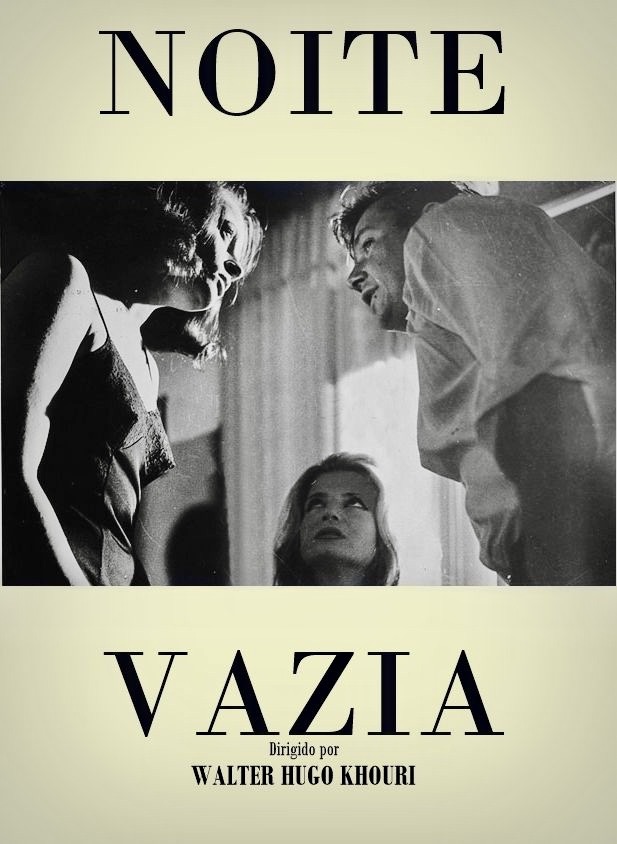
Long Day’s Journey into Night is the title of Eugene O’Neill’s Pulitzer Prize winning 1956 play but it could also serve as a succinct capsule description of numerous movies from the 1960s that were clearly influenced by Michelangelo Antonioni’s L’avventura (1960) and its themes of alienation and existential despair. Some examples include Giuseppe Patroni Griffi’s Il Mare (1962) which follows three strangers on the isle of Capri during a bleak winter season as they try to connect with each other. Jean-Luc Godard’s Alphaville (1965) depicts a dystopian futuristic society in which a detective finds himself out of place in a modernistic Paris controlled by an oppressive artificial intelligence. And Jacques Demy’s Model Shop (1969) uses the urban sprawl of Los Angeles and its smog-creating car culture as a backdrop to an unemployed architect’s search for meaning in his life. Yet, the most Antonioni-like film of all and the least known is probably Noite Vazia (1964) by Brazilian director Walter Hugo Khouri, which traces a dusk-to-down encounter between two men and two women amid the sterile cityscapes of modern Sao Paulo.
Continue reading

