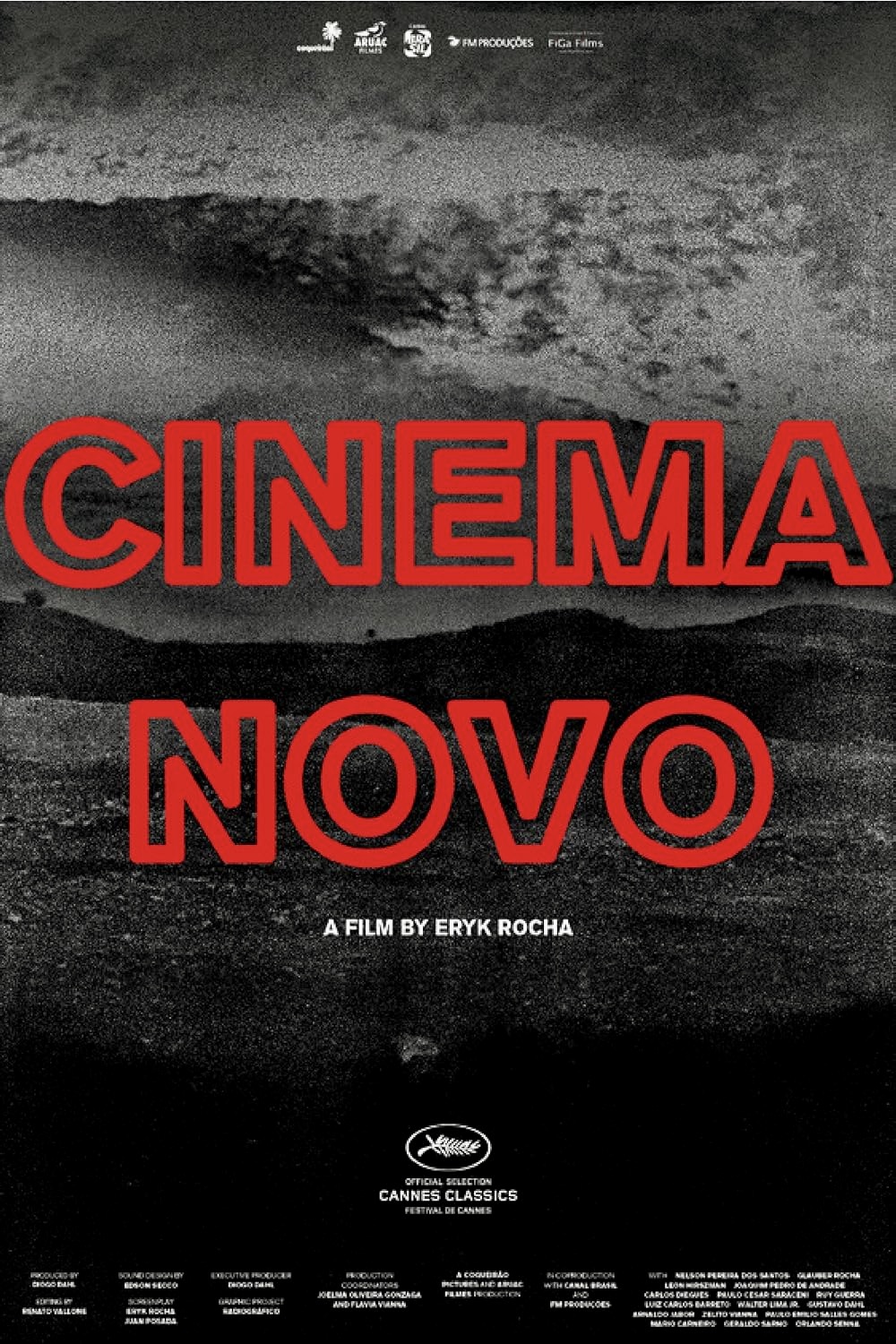
What are the circumstances that lead to the formation of a new film movement? For the pioneers of the neorealism movement in Italy, it was the need to address the problems of the country in the aftermath of WW2 when commercial films seemed irrelevant in comparison. In France during the late 1950s and early 1960s, it was the desire by the Nouvelle Vague filmmakers to break away from the aesthetics of studio made films in favor of new and more relevant subject matter and production methods. And, in Brazil during this same time period, it was also a generational response by young filmmakers to their country’s cinema, which became known as the Cinema Novo movement. Yet, it wasn’t just a revolt against the traditional commercial movies of Brazil but an effort to address, discuss and critique aspects of the country’s national identity on the world stage. Cinema Novo (2016), a documentary by Eryk Rocha (son of director Glauber Rocha), is a non-traditional approach to the genre which immerses the viewer in a visual and aural whirlwind that captures the power, passion and creativity of the movement. The Hollywood Reporter called it “a pure bombardment of the senses” and that’s a compliment.
Continue readingTag Archives: neorealism
Saboteur, Pawn or Hero?

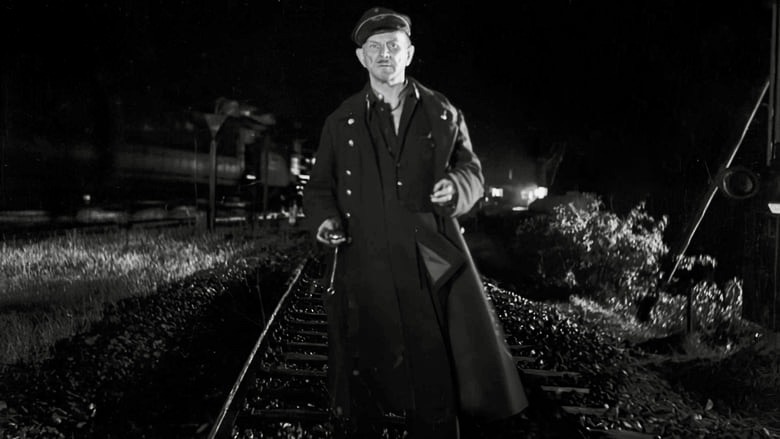
A train rushes through the night somewhere in Poland and the engineer receives an all-clear signal from the local lineman as it moves full speed ahead through a rural crossing. Suddenly a man appears in the train headlights and seems to be warning the engineer of some impending danger but is struck down before the train can be stopped. The victim is Wladyslaw Orzechowski, a former railroad employee who was recently goaded into retirement. Czlowiek na Torze (English title: Man on the Tracks, 1957) is, in some ways, a mystery except that we know the identity of the victim and how he died. The big question is why and Polish director Andrzej Munk presents the facts of the case in the form of a crime procedural crossed with a flashback structure seemingly influenced by the 1950 Japanese film Rashomon. Four people, including three witnesses, give their versions of the event, and each one adds another level of insight and complexity to the tragedy.
Continue readingBoy on a Mission
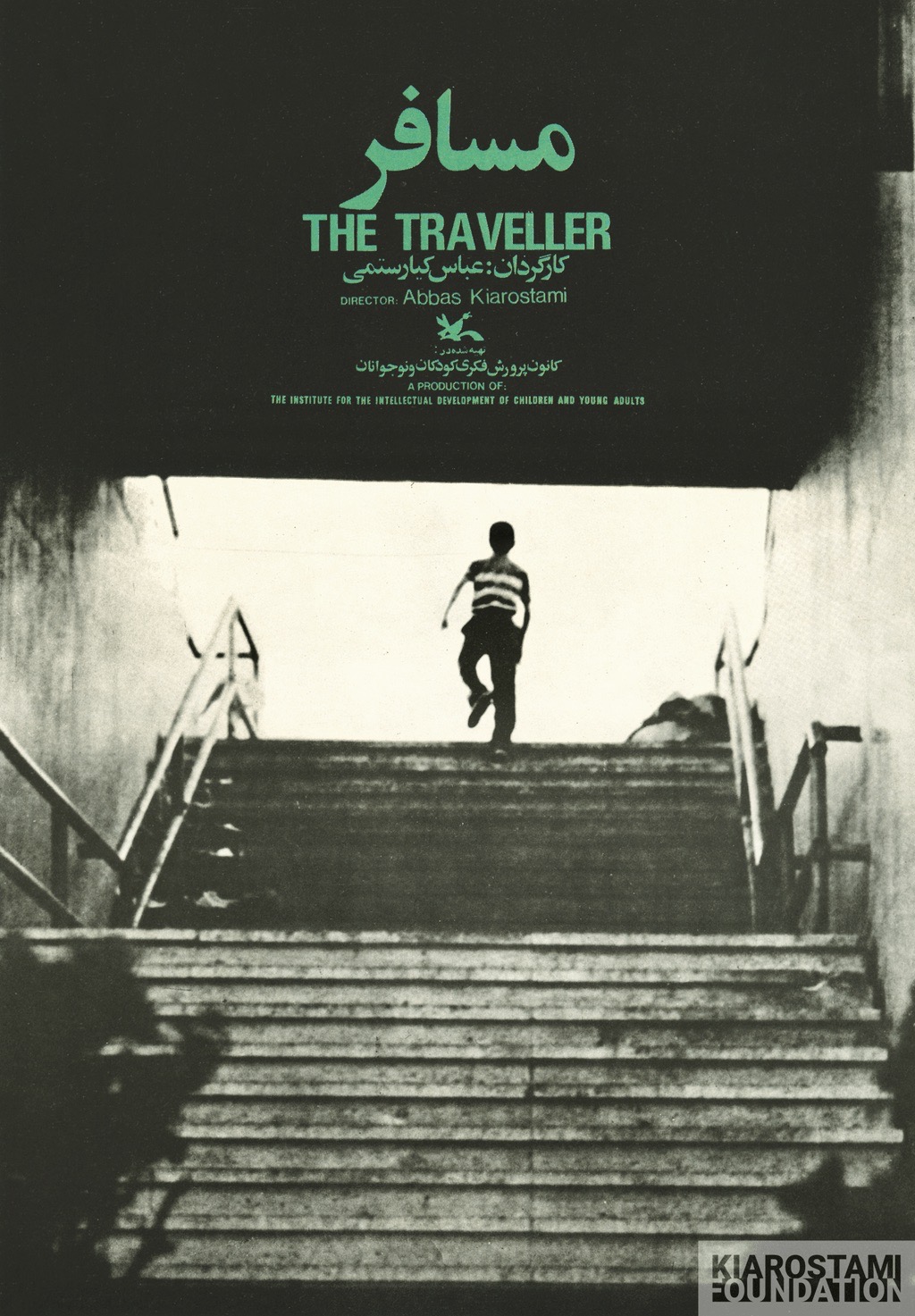
Qassam is a ten-year old living in the Iranian town of Malayer who is obsessed with soccer. When he isn’t skipping classes at school to play the game in back alleys, he is stealing money from his mother’s secret hiding place to buy soccer magazines. Considering the limited career choices available to Qassam after he finishes school, it is no wonder why soccer serves as the boy’s escape from reality. And his obsession becomes all-consuming when he learns that his favorite soccer team is coming to Tehran (which is approximately 385 miles away). He begins scheming of ways to raise the money required for the bus and game tickets. This is the basic premise of Abbas Kiarostami’s Mossafer (English title: The Traveler, 1974), which is both a parable about wanting something too much as well as an unsentimental portrait of an alienated and problematic kid in the tradition of Francois Truffaut’s The 400 Blows (1959).
Continue readingPietro Germi’s Sicilian Marriage Farce
One doesn’t usually expect a film about infidelity, divorce and murder to be a comedy but that’s one reason Divorzio all’italiana (English title: Divorce, Italian Style, 1961) directed by Pietro Germi, became an unexpected international hit. A caustic satire about the Italian male – or more specifically, Sicily’s male dominated culture – the film also poked fun at Italy’s hypocritical judicial system which can forgive crimes of passion but not legally recognize divorce as a solution for failed marriages. Another factor in the movie’s success was Marcello Mastroianni’s beautifully rendered portrayal of the preening, self-absorbed protagonist, a performance which not only won him an Oscar nomination for Best Actor (the first time in Academy Award history that the lead in a foreign language film received that honor) but still ranks as one of the actor’s key films, following closely on the heels of Fellini’s La Dolce Vita (1960) and Antonioni’s La Notte (1961).
Continue readingChristmas Lockdown in the Eternal City
Available for years in inferior public domain prints and poor video transfers, Robert Rossellini’s influential WW2 trilogy [Rome Open City (1945), Paisan (1946) and German Year Zero (1949)], which firmly established him as the “father of Neorealism”, finally received 4K high-definition digital transfers from The Criterion Collection in 2017. Linked thematically to this trilogy, however, is a later Rossellini film, Era Notte a Roma [English title, Escape by Night aka Blackout in Rome,1960), which, unfortunately, has never enjoyed the reputation or respect of this seminal trilogy. I first saw a 16mm print of the film from Films Inc. years ago when it still licensed titles from The Audio Brandon Collection. I had a chance to revisit Era Notte a Roma again recently on DVD and am still baffled by the movie’s low profile since its original release.
Continue readingThrough the Eyes of a Child
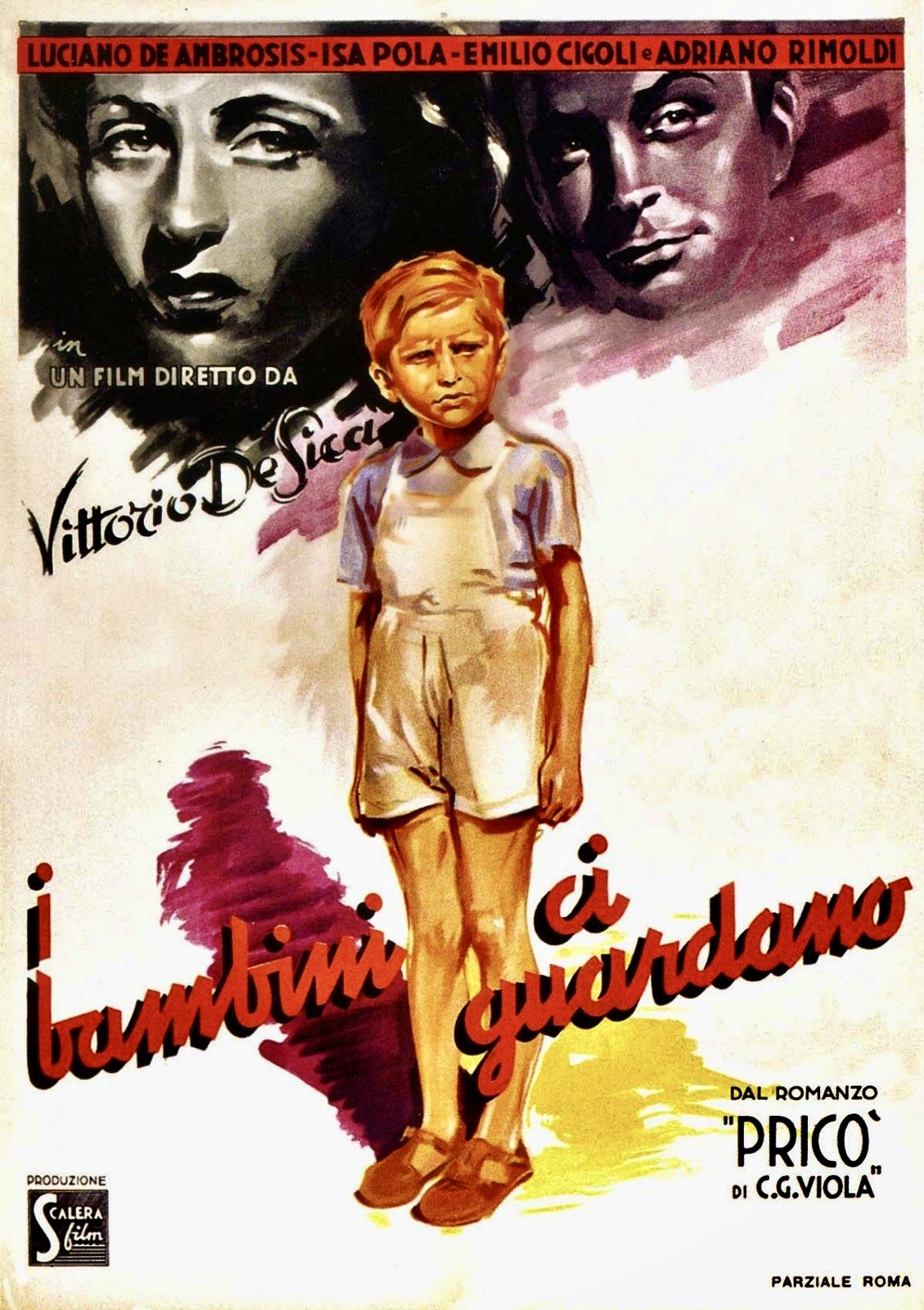
Roberto Rossellini’s Roma, Citta Aperta (Rome, Open City, 1945) is generally acknowledged as the film that ushered in the neorealism movement and set the tone and style for the postwar Italian films that followed. But the roots of neorealism can be traced back to Luchino Visconti’s Ossessione (1943) and Vittorio De Sica’s The Children Are Watching Us (1944, I bambini ci guardano), both of which were filmed in 1942 but encountered distribution problems upon their release in the fall of 1942 when the war finally came to Italy and the bombings began. Ossessione was also the victim of Fascist censorship which reduced the film to less than half of its original running time and for years it was denied distribution in the U.S. due to an infringement of copyright (it was an uncredited adaptation of the James M. Cain novel, The Postman Always Rings Twice). The Children Are Watching Us didn’t fare any better during its limited release and for years it was a difficult film to see in its original form, even in its own country.
Continue readingThe Great Displacement

At the end of WW2, it was estimated that more than 6 million people had been displaced from their homes and roughly 180,000 of these were children. Some were concentration camp survivors, others were orphaned or separated from their families, hiding in monasteries or living with strangers. There have been a handful of films that dealt with this traumatic situation and Fred Zinnemann’s The Search (1948) is probably the most famous post-war American film on the subject. It was nominated for four Academy Awards and won a special Juvenile Oscar for Ivan Jandl as a homeless kid separated from his Czech mother. Europe also produced some landmark films about displaced children during WW2 including Roberto Rossellini’s Germany Year Zero (1948) and Rene Clement’s Forbidden Games (1952) but Somewhere in Europe aka It Happened in Europe (Hungarian title: Valahol Europaban) from Hungarian director Geza von Radvanyi was one of the first films to address war orphans trying to fend for themselves. Released in 1947, the film is less well known than other post-war dramas from the same period but it is a harrowing portrait of a dire situation affecting Eastern Europe, especially Hungary, during the final days of the war.
Continue readingA Funny Thing Happened on the Way to Ghana

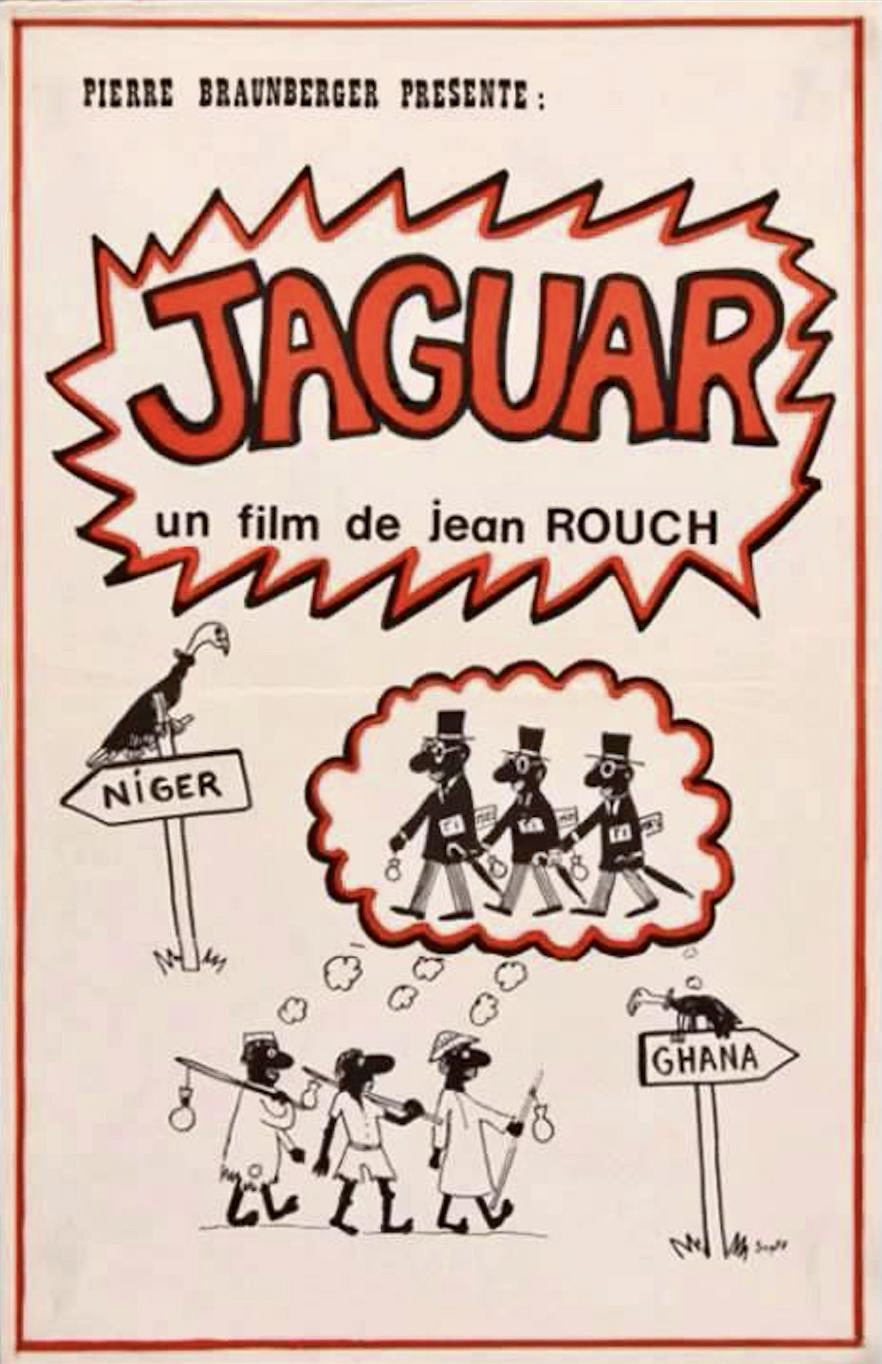
“The camera eye is more perspicacious and more accurate than the human eye,” French filmmaker Jean Rouch once said, and his idiosyncratic documentaries, which were often fusions of reality and fiction, bear this out. Jaguar (1967) is a perfect example of this duality.
Continue readingToxic Love

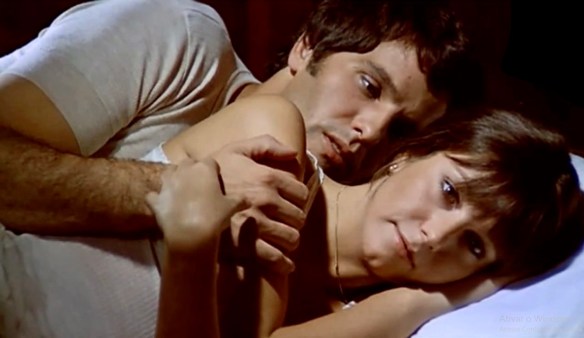
Giuliano Gemma and Stefania Sandrelli play factory workers in Milan who become lovers in the tragic love story, Delitto D’amore (aka Crime of Love, 1974), directed by Luigi Comencini.
Milan, Italy is world famous as a mecca for high fashion, design and the AC Milan football club but the statistics also reveal that it is still one of Europe’s most polluted cities due to smoke spewing factories and auto emissions. Against this gray, industrial backdrop, Luigi Comencini has set his rarely seen but moving 1974 drama, Delitto D’amore (aka Crime of Love). Continue reading
Abattoir Blues
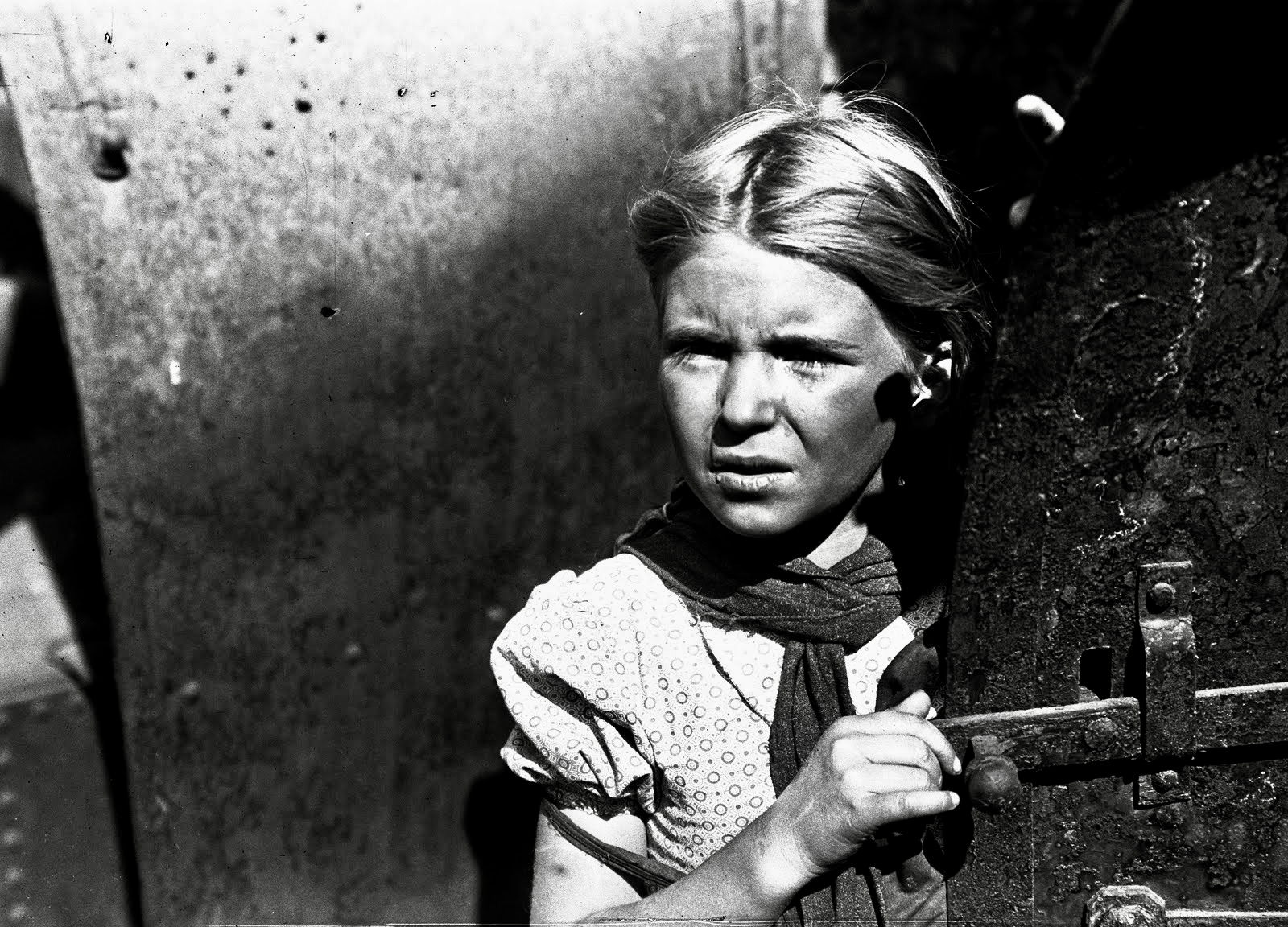
“I wanted to do something that reflected the way people in the community would see themselves. Coming from another place, you can see a much larger picture. But when you’re in a well, you can only see the narrow light above. If you’ve been living like that for a long time, it can have an unproductive effect on you in many ways. So it wasn’t my personal conflicts. It was the conflict of the community.” – Director Charles Burnett in an interview with Filmmaker Magazine about his film Killer of Sheep.
After more than 42 years, Charles Burnett’s Killer of Sheep (1977) is now recognized as a seminal film in the indie film movement of the ‘70s even though it didn’t receive a wide release until 2007 via Milestone Films. In fact, Burnett never really intended for the film to have a theatrical release; he made it as his thesis film at UCLA. But retrospective screenings of the film and the resulting critical acclaim culminated in Killer of Sheep winning the Forum of New Cinema prize at the 1981 Berlin International Film Festival. Other accolades followed such as being selected by the National Film Registry in 1990 for film preservation and winning a special award from the New York Film Critics Circle in 2007. Not bad for a movie shot on 16mm and made for a rock bottom budget of $10,000 from film grants. Continue reading