The Spider and the Fly

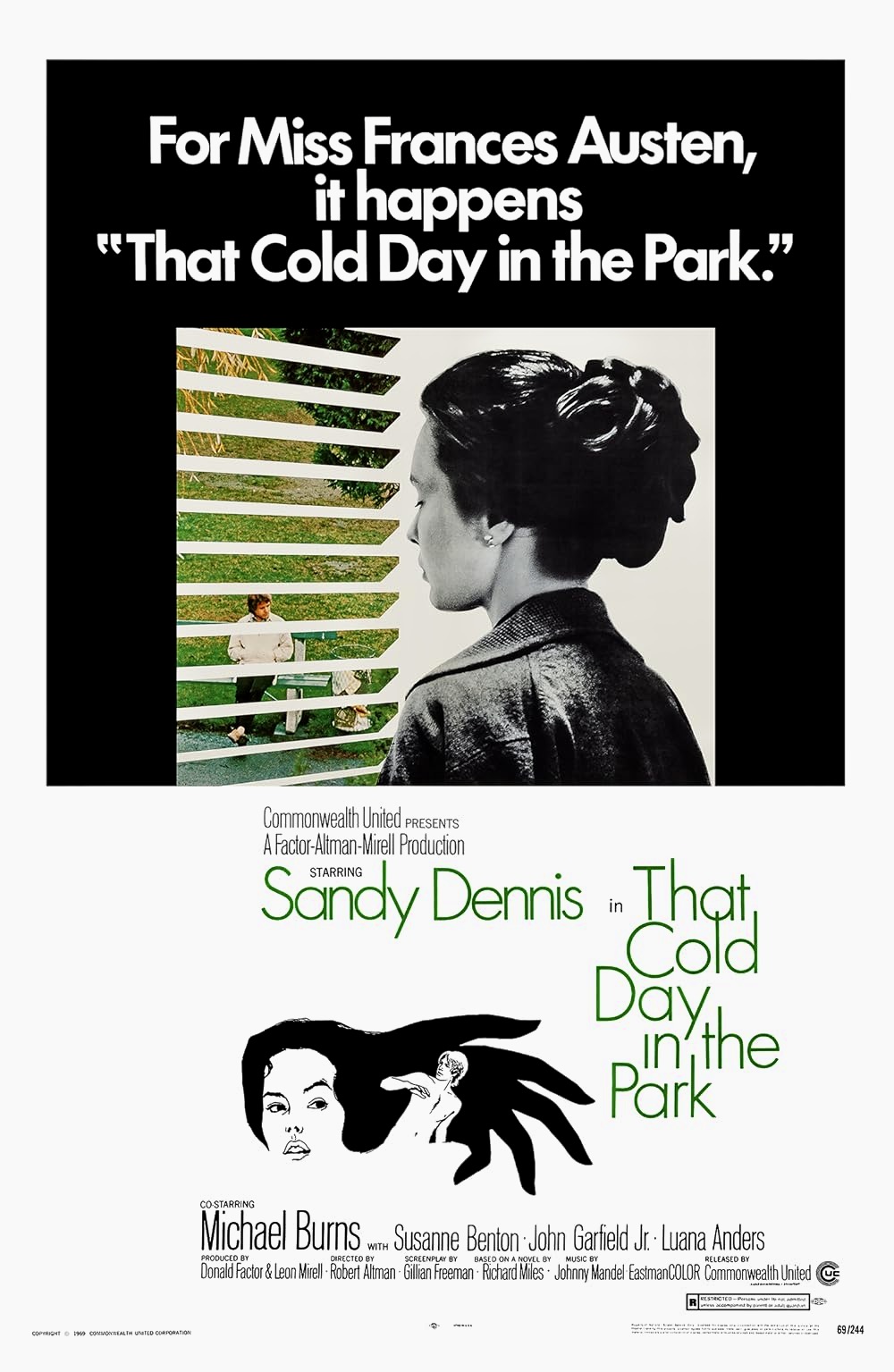
Most film critics and movie lovers point to Nashville (1975) as Robert Altman’s masterpiece, although I’ve always been partial to his unique spin on the Western, McCabe and Mrs. Miller (1971). I also admire an earlier film that he directed that was conspicuously absent or missing from his filmography in most of the obituaries on the director after he died. That Cold Day in the Park was made between Countdown (1967) and M*A*S*H* (1970) in 1969 and was based on a novel by Richard Miles. The screenplay was by British screenwriter Gillian Freeman, who had written the novel and film adaptation of The Leather Boys (1964), Sidney J. Furie’s drama about a troubled working class marriage and the husband’s friendship with a closeted gay biker.
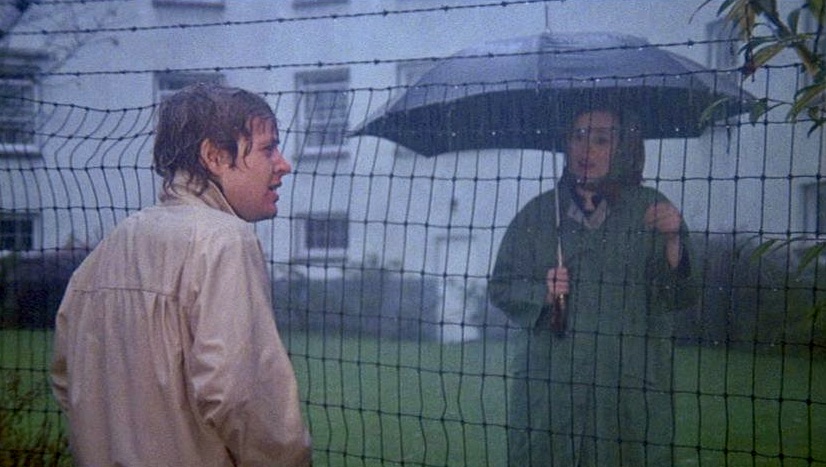
Frances (Sandy Dennis) invites a seemingly homeless man (Michael Burns) to her apartment to dry off from the rain in THAT COLD DAY IN THE PARK (1969), directed by Robert Altman.

A gender twist on John Fowles’s The Collector, That Cold Day in the Park stars Sandy Dennis as Frances Austen, a lonely spinster whose apartment overlooks a park in Vancouver. One wet, wintry day she spots a young man on a park bench who appears to be homeless. She invites him into her home to get warm but ends up encouraging him to stay. The fact that the stranger (Michael Burns) pretends to be mute only adds to the ensuing strangeness. His little joke backfires, however, when he arouses Dennis’s long-suppressed sexual feelings and becomes a prisoner in her apartment.

Continue reading
A Poor Man’s Grand Prix

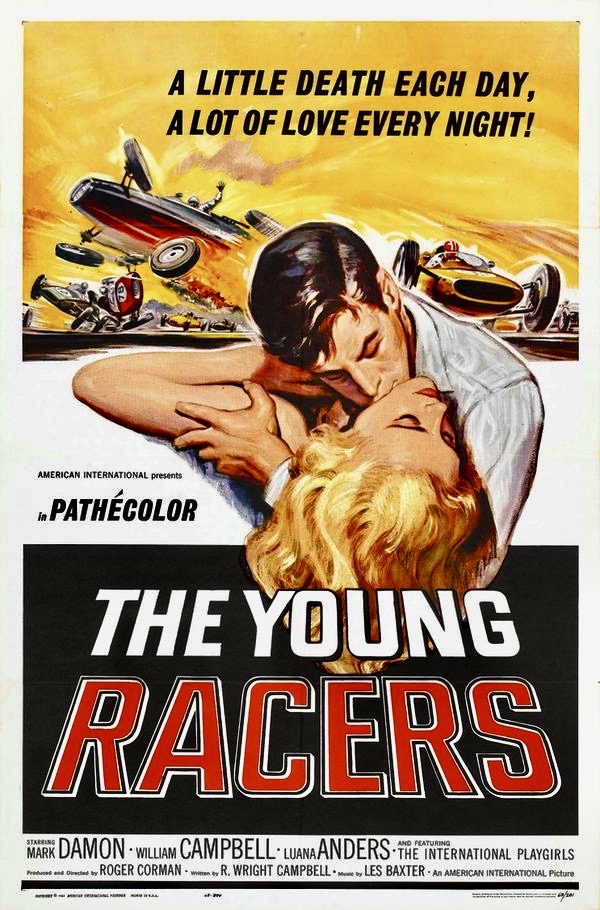
In 1966 director John Frankenheimer, a race car enthusiast, was able to realize a long-cherished dream: to make a film about the Grand Prix racing circuit focusing on several drivers and their personal lives off the track. The result, Grand Prix, is still considered the ultimate racing film, due to its spectacular cinematography that puts the viewer in the driver’s seat with its Cinerama format, split-screen technique and immersive audio. According to the director, it cost about $10.5 million to make, was a box office hit and garnered three Oscars for Best Sound, Best Film Editing and Best Sound Effects. What many people failed to notice was that director Roger Corman had already made a film about the Grand Prix racing circuit three years earlier entitled The Young Racers (1963), which was made on location in Europe like Frankenheimer’s epic with exciting racing footage from Monte Carlo, Monaco, Rome, Rouen (France) and Spa (Belgium) and it cost less than half a million to make. Sure, it was a B-movie from American International Pictures (AIP) but it had a glossy, big budget look to it unlike the typical AIP product and it added some invocative twists to a formulaic genre film that often seemed influenced by the aesthetics of the French New Wave (Corman has always been a fan of European art cinema).

Continue reading

Mickey, Mickey, You’re So Fine, You Blow My Mind!

Actor Mickey Rooney (1920-2014)

Forget about Boys Town, Judge Hardy and Son, Babes in Arm, The Human Comedy or National Velvet. This is the less traveled road of Mickey Rooney’s post-MGM career where anything goes like co-starring with a talking mule (Francis in the Haunted House, 1956) or managing a troupe of trained monkeys (Babe: Pig in the City, 1998).

Continue reading

Way Out West With Zoot Suit Jessy

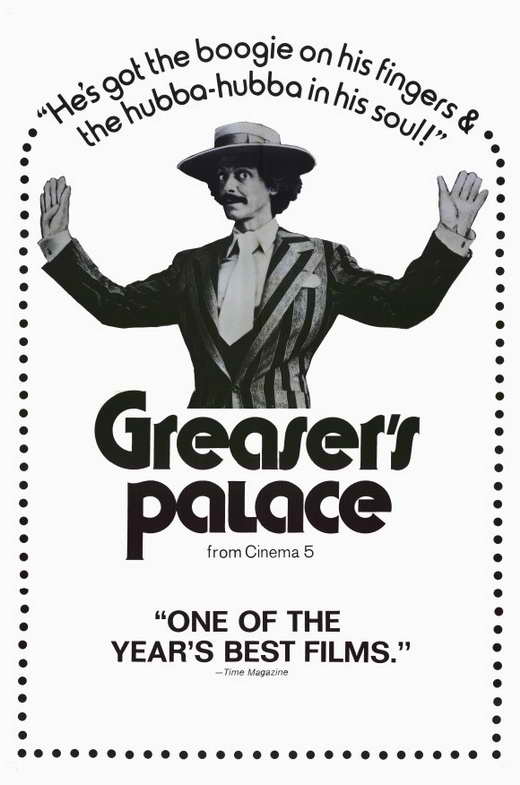
Quick, name your favorite film by Robert Downey, Sr., director/father of two-time Oscar nominated actor Robert Downey Jr. Drawing a blank? If film buffs know him at all it is probably due to his 1969 underground cult film Putney Swope or The Eclipse Series 33 box set from The Criterion Collection, released in May 2012 as “Up All Night with Robert Downey Sr.” which included the former film plus Babo 73 (1964), Chafed Elbows (1966), No More Excuses (1968) and Two Tons of Turquoise to Taos Tonight (1975). His most representative films are satiric time capsules of his era and the New York independent film scene but I think Greaser’s Palace (1972) is his funniest and most subversive film in his 41-plus years as a writer/director.    Continue reading