Blackpool is Calling

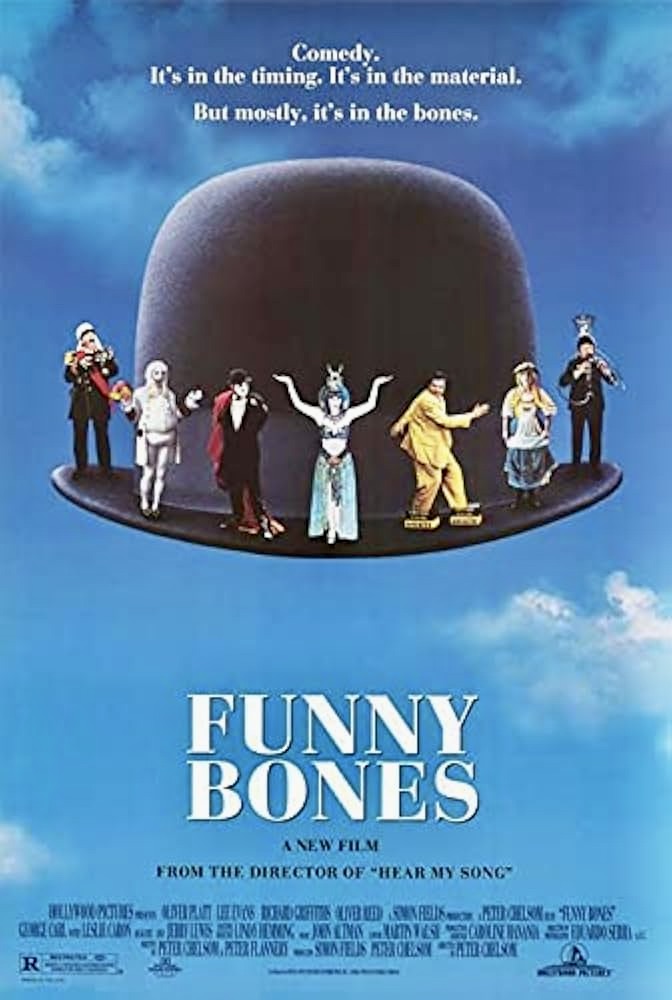
1995 was an exceptionally strong year for film releases, not just in the U.S. but around the world. To give you some idea of the diversity and range, consider the following movies, some of them Oscar winners or nominees: Pulp Fiction, Ed Wood, The Madness of King George, La Haine, The Adventures of Priscilla, Queen of the Desert, Hoop Dreams, Queen Margot, Speed, Eat Drink Man Woman, The Lion King, Three Colors: Red, The Shawshank Redemption, The Lost City of Children, and Forrest Gump. An eclectic list to be sure but one of my favorite movies somehow got lost and overlooked in the mix – Peter Chelsom’s Funny Bones, which is mostly set in Blackpool, England, a popular tourist resort originally built as a vacation destination for working class families during the late 1800s.

Continue reading
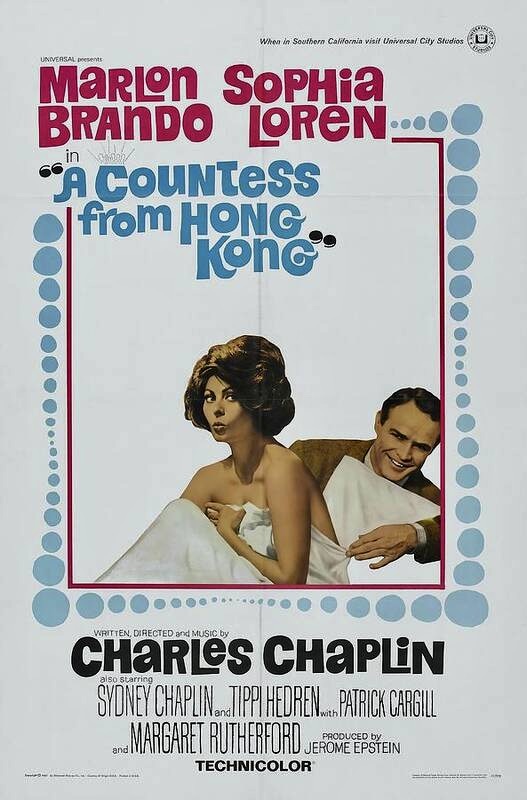
In Their Own Words: Actors on Film Flops and Disappointments

Nobody sets out to make a bad movie. Why would they? Not only is it a colossal waste of money but it will remain on the permanent record of everyone associated with it. Still, there are factors that no one can control and sometimes an actor makes a movie with the best intentions that the critics hate, audiences avoid like the plague or conflicts during production doom it to failure.  Here are 15 well documented examples including Marlon Brando (A Countess from Hong Kong), Shelley Winters (Knickerbocker Holiday), Richard Widmark (Slattery’s Hurricane), Beverly Garland (Swamp Women and Stark Fear), Bruce Dern (The Incredible 2-Headed Transplant), Ava Gardner (The Bible…In the Beginning), Christopher Plummer (The Royal Hunt of the Sun), Ida Lupino (The Hard Way), Tony Curtis (Son of Ali Baba), Sally Kellerman (Reform School Girl), Ernest Borgnine (The Devil’s Rain), Raquel Welch (Myra Breckinridge), Warren Oates (Chandler), Joan Shawlee (Prehistoric Women) and Vincent Price (Green Hell).

Continue reading

The Vows Not Taken

The Polish film poster for THE CONTRACT aka Kontrakt (1980)

I remember the first time I heard about Polish director Krzysztof Zanussi. Friends of mine in Seattle were attendees at the annual Seattle International Film Festival and saw one of his films there in the early 1980s and raved about it. They became fans after that and tried to see everything he did that received distribution in their city. Unfortunately, outside of film festivals, few of his movies enjoyed wide (or any) distribution in the U.S. with the exception of a few art house dates in major cities like New York and Chicago. The first and only Zanussi film I saw was The Catamount Killing, which was released in 1974, but I only caught up with it on VHS in the mid-eighties. It is that rare anomaly in his career – a low-budget crime drama filmed in Burlington, Vermont with an English-speaking cast – and was not a success or even characteristic of his work with the possible exception of one of its themes – guilt and how it can destroy relationships. Only recently I have discovered some streaming sources for Zanussi’s work and my first foray into his past filmography is the 1980 made-for-Polish television satire Kontrakt (English title: The Contract), which was filmed in and around Warsaw and features an international cast of Polish, English and French actors including Leslie Caron in a key role.

Continue reading

Down the Rabbit Hole

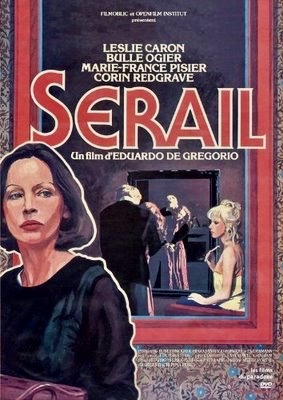
“Curiouser and curiouser,” the famous phrase from the Lewis Carroll classic Alice in Wonderland spoken by the heroine, could easily apply to Sérail aka Surreal Estate (1976), the directorial debut of Argentinian screenwriter Eduardo de Gregorio, who is better known as the co-writer of such films as Bernardo Bertolucci’s The Spider’s Stratagem (1970), Jacques Rivette’s Celine and Julie Go Boating (1974) and several other movies by Rivette. The English title Surreal Estate gives you the impression that this movie (filmed in France) is not going to be a reality-based narrative but that depends on the viewer’s interpretation of what they are seeing. To be clear, Sérail functions on several levels. It might be a ghost story or an unsolved mystery or a writer’s fanciful account of an actual event that occurred during his house hunt for a second home in the French countryside.

Continue reading

Joshua Logan’s Fanny in Cinemascope and Stereophonic Sound

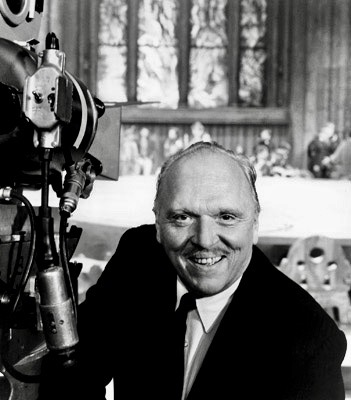
Joshua Logan, director of the Broadway stage musical and the 1961 film version of Fanny, based on the famous Marcel Pagnol trilogy.

The Way It Was Meant To Be Seen! This was allegedly Logan’s proposed marketing tag line for his 1961 film adaptation of Marcel Pagnol’s famous trilogy which included Marius, Fanny and César. More grounded in urban myth than reality, this silly anecdote does call into question how audiences responded to movie marquees displaying the title Fanny. The expensive Warner Bros. production turned out to be a boxoffice hit but it might have sold even more tickets if Logan had called it Leslie Caron’s Fanny. At least in France there was nothing funny about the name. It was in their cultural DNA and was a name with a beloved literary pedigree that went all the way back to 1929 when Pagnol first premiered his play Marius which introduced his colorful cast of characters from the Marseilles waterfront.  Continue reading

Working Without a Safety Net

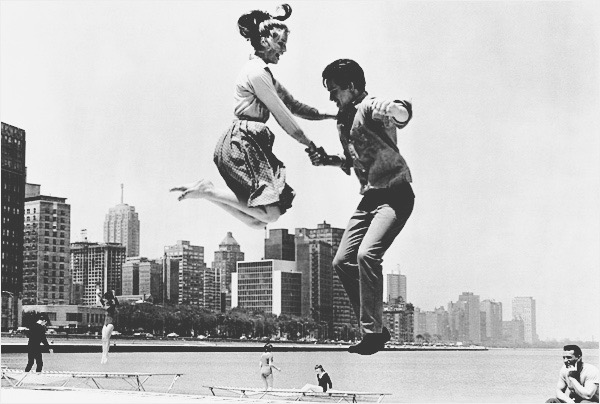
Alexandra Stewart & Warren Beatty defy gravity in Arthur Penn’s existential noir, Mickey One (1965).

Every actor or director probably has at least one movie in their filmography unlike anything else they’ve ever done before or since and for Warren Beatty and Arthur Penn that film would be Mickey One (1965). Allegedly inspired by the French New Wave films of the early sixties, Penn’s film is an enigmatic and existential tale of a nightclub stand-up comic who goes on the lam from the mob because of a huge financial debt he can’t repay.  Continue reading