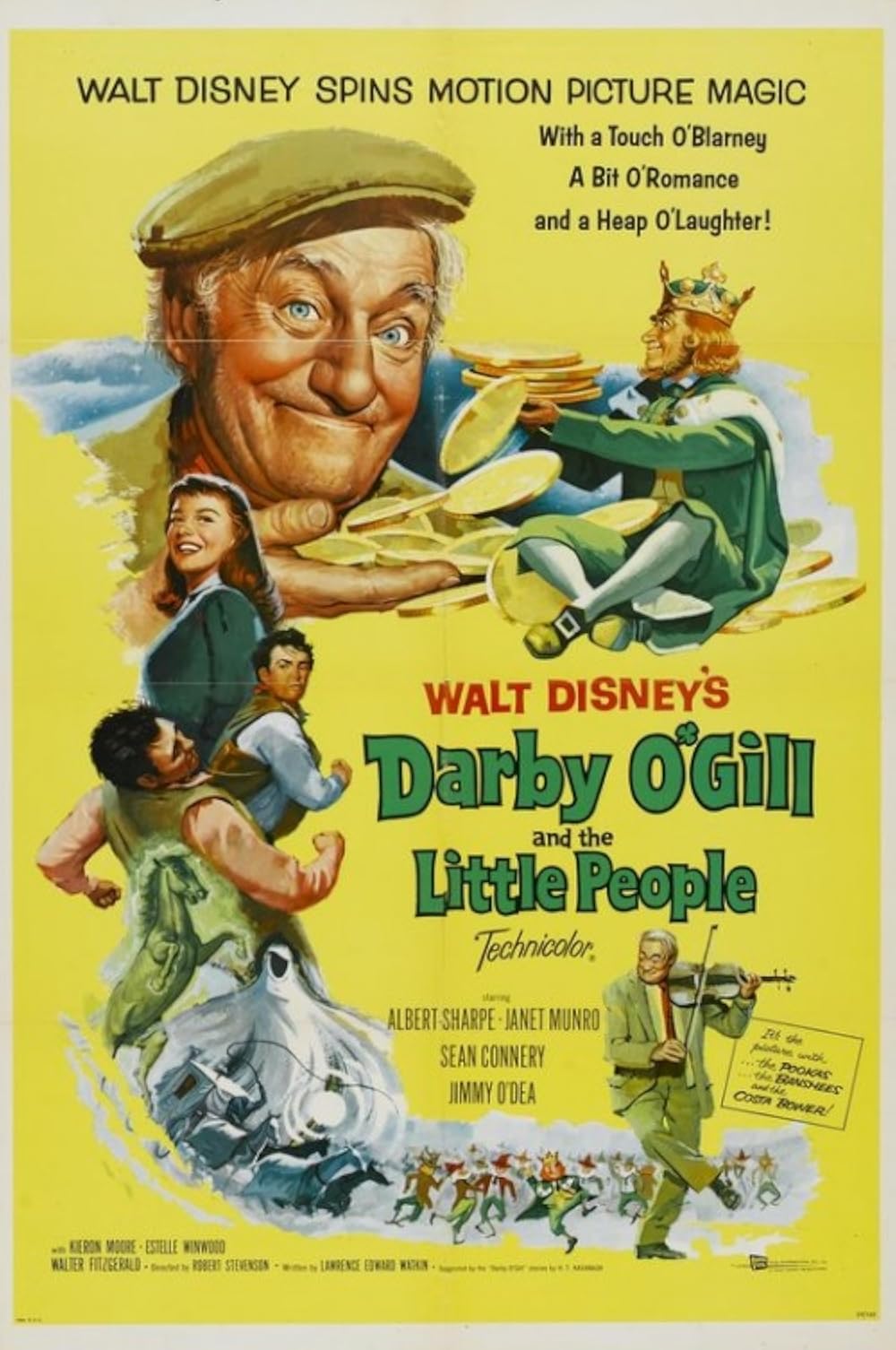
When you think of the many accomplishments of animation pioneer and studio mogul Walt Disney, producing horror films is not one of them. At the same time, several Walt Disney films have featured horrific moments that made strong impressions and scared children such as the boys-into-donkeys transformation scene in Pinocchio (1940) or the fire-breathing dragon at the climax of Sleeping Beauty (1959). A few Disney productions even flirted with the supernatural and creepy folk tales such as The Legend of Sleepy Hollow (1949) and Dr. Syn (1964) with its title character disguised as a demonic-looking scarecrow who haunts the marshes at night. Nothing, however, can top Darby O’Gill and the Little People (1959) when it comes to merging the ordinary with the fantastic. The film plunges the viewer into a fairytale Ireland where magical and terrifying things occur and some scenes could actually give the kiddies nightmares, making this my favorite Disney live-action film.
Continue readingTag Archives: Dr. No
Sean Connery as a Gypsy Grifter

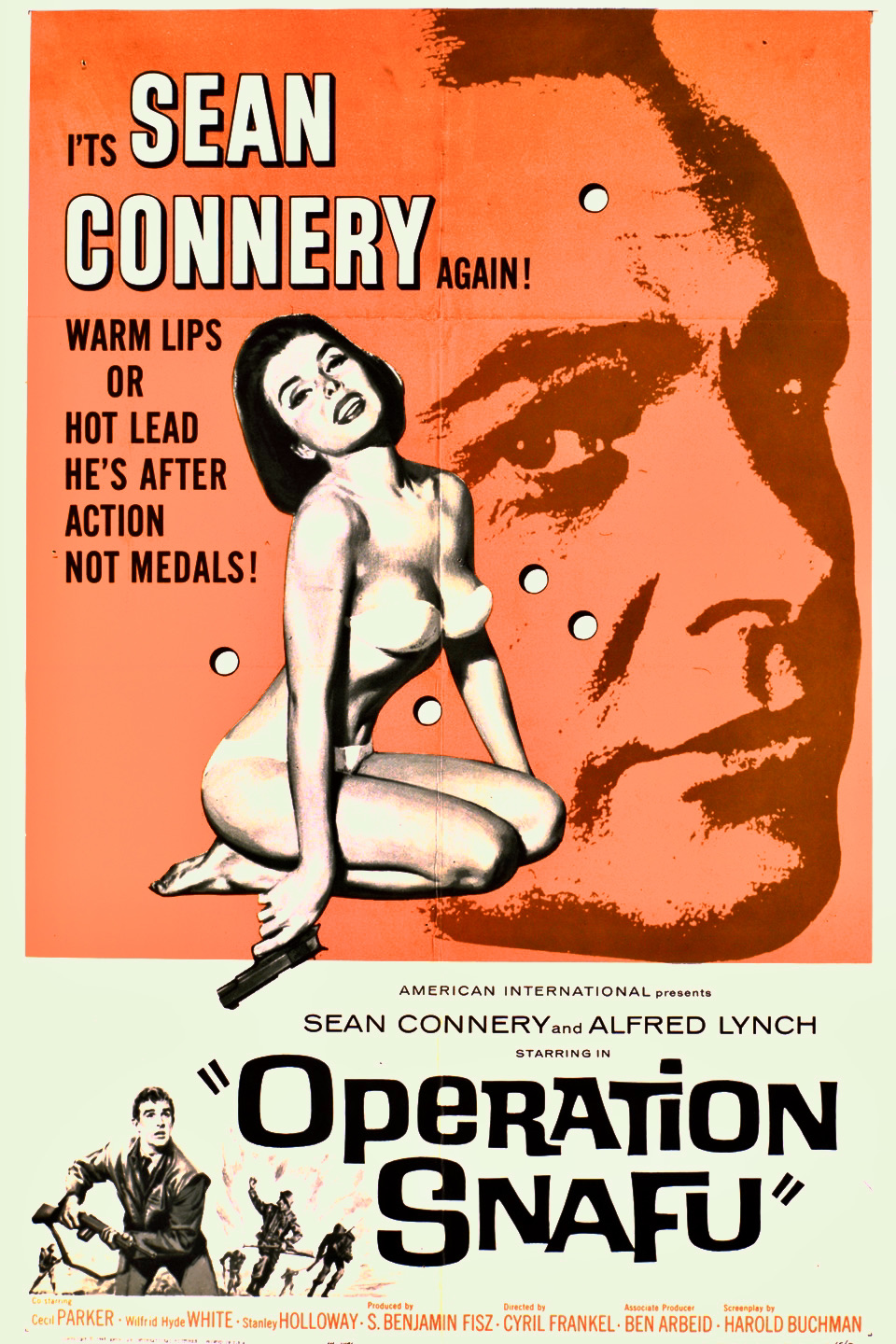
What’s your favorite Sean Connery role before he became famous as James Bond. This question might stump the average movie-goer but film buffs would probably choose one of his menacing villain roles in either Hell Drivers (1957) or Tarzan’s Greatest Adventure (1959) or possibly his dashing romantic hero opposite Janet Munro in Walt Disney’s Darby O’Gill and the Little People (1959), where he actually gets to sing. The latter is easily my favorite with the Irish mythology of leprechauns, pookas and banshees giving it the edge but there is something quite appealing about Connery trying his hand at comedy in the lesser-known British B-movie Operation Snafu (1961), which was released in the U.K. as On the Fiddle (It was also known as Operation War Head).
The Film Noir That Got Away
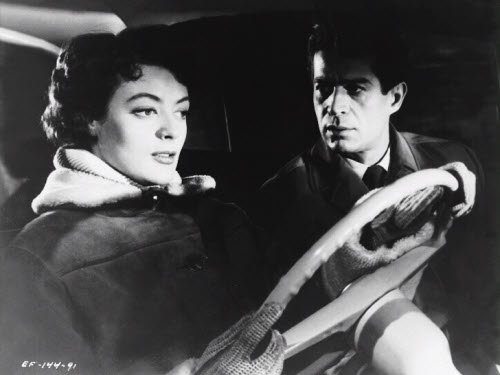
Ealing Studios. The name conjures up memories of the great British comedies such as The Man in the White Suit, The Ladykillers, The Lavender Hill Mob and Kind Hearts and Coronets. Film noir, however, is not the genre that usually comes to mind although Ealing rubbed shoulders with it occasionally in It Always Rains on Sunday (1947) and Pool of London (1951). Oddly enough, one of the studio’s final releases, Nowhere to Go (1958) was pure, unadulterated noir and a stylish, terse little thriller to boot. Sadly, it has been overlooked and unappreciated for years even though it marks the feature film debut of director Seth Holt and gave actress Maggie Smith her first major screen role. Continue reading
Spies “R” Us
The success of the James Bond series, beginning in 1962 with Dr. No, had an amazing impact on the international film world. For almost a decade or more, hundreds of imitations from Asia, Europe, the U.S. and other parts of the world flooded the market. The majority of these were formulaic, action-oriented B movies like Kiss Kiss – Bang Bang and Secret Agent Super Dragon (both 1966) but occasionally a few would depart from the heroic fantasy scenarios to present much more realistic depictions of the espionage underworld such as The Spy Who Came in from the Cold (1965), based on John le Carré’s novel, and The Quiller Memorandum (1966) with a screenplay by Harold Pinter.
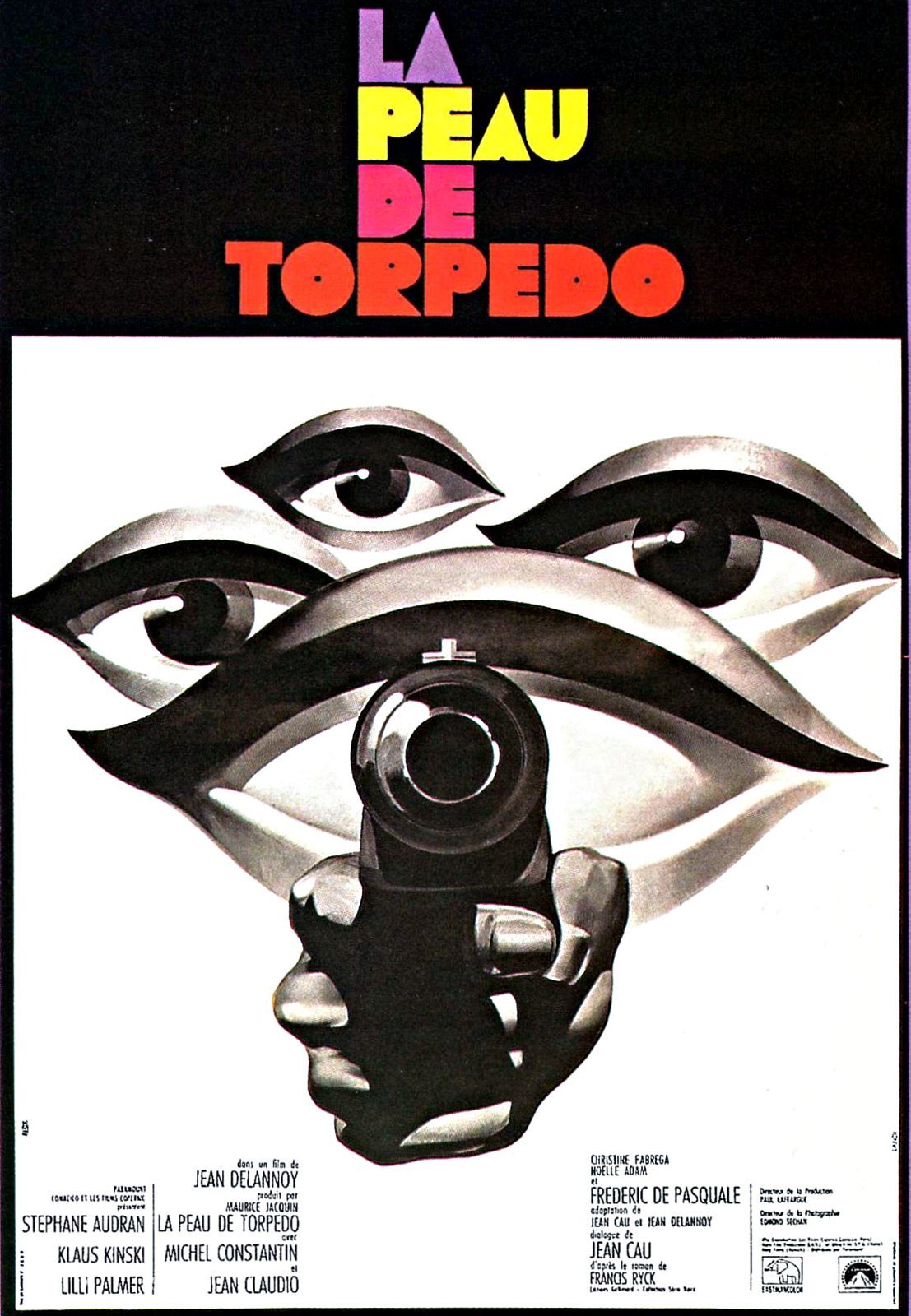
Jean Delannoy’s La Peau de Torpedo (1970) doesn’t fit comfortably into either camp even though it does traffic in the grim, Cold War paranoia associated with le Carré’s novels while spinning a wildly improbable tale that makes the Roger Moore 007 adventures seem almost plausible in comparison. What makes the film worth seeing besides the eclectic international cast that includes Stéphane Audran, Lilli Palmer, Michel Constantin, and Klaus Kinski is the unconventional story arc which begins like a routine espionage thriller and then unravels spectacularly about thirty minutes into the film with an act of violence that injects a welcome note of unpredictability into the rest of the proceedings.