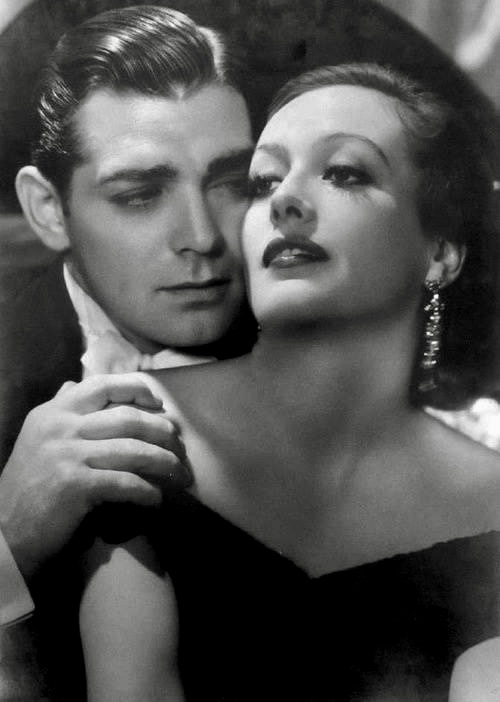
It was just the sort of rags-to-riches tale audiences craved during the Depression era. A working class woman with a shady past finds romance with a high society lawyer running for political office. There’s one major obstacle to their happiness though – he’s married. But Possessed (1931) is less about the road to a bright future for these star-crossed lovers than the on-screen sexual chemistry between the two stars – Joan Crawford and Clark Gable. It was their third film together but it was the first time the duo truly clicked with audiences as a screen couple.
Continue readingTag Archives: Douglas Fairbanks Jr.
In Their Own Words: Actors on Film Flops and Disappointments
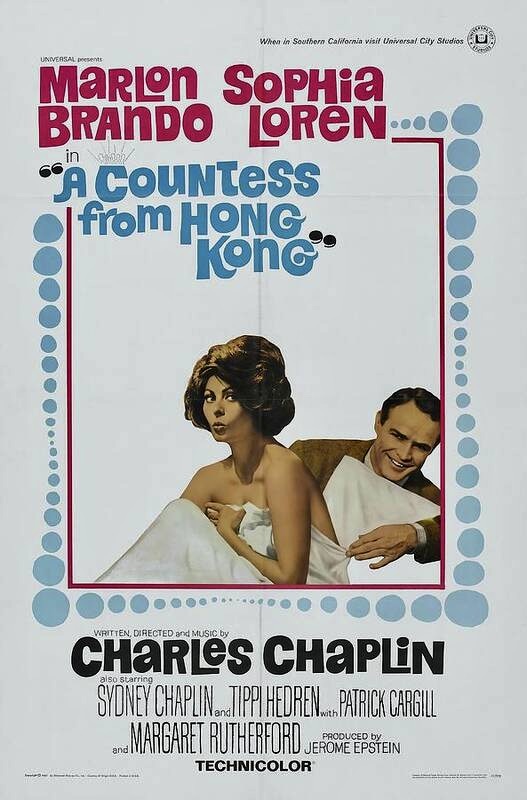
Nobody sets out to make a bad movie. Why would they? Not only is it a colossal waste of money but it will remain on the permanent record of everyone associated with it. Still, there are factors that no one can control and sometimes an actor makes a movie with the best intentions that the critics hate, audiences avoid like the plague or conflicts during production doom it to failure. Here are 15 well documented examples including Marlon Brando (A Countess from Hong Kong), Shelley Winters (Knickerbocker Holiday), Richard Widmark (Slattery’s Hurricane), Beverly Garland (Swamp Women and Stark Fear), Bruce Dern (The Incredible 2-Headed Transplant), Ava Gardner (The Bible…In the Beginning), Christopher Plummer (The Royal Hunt of the Sun), Ida Lupino (The Hard Way), Tony Curtis (Son of Ali Baba), Sally Kellerman (Reform School Girl), Ernest Borgnine (The Devil’s Rain), Raquel Welch (Myra Breckinridge), Warren Oates (Chandler), Joan Shawlee (Prehistoric Women) and Vincent Price (Green Hell).
Continue readingPlaying the Odds
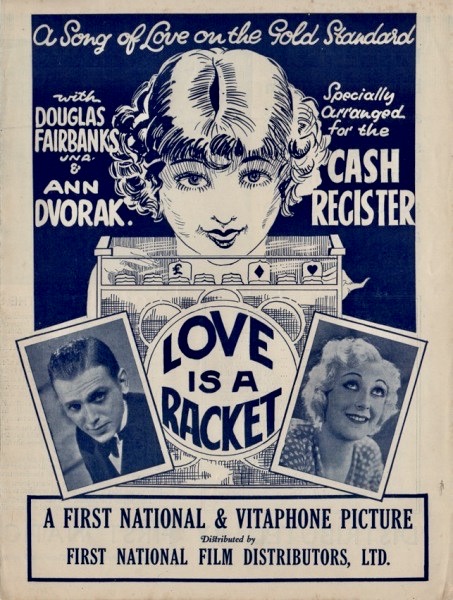
During his years as a contract director at Warner Bros., William Wellman made his mark early with the influential gangster drama The Public Enemy (1931) but didn’t have another major box office success until after he left the studio and directed A Star Is Born (1937), produced by David O. Selznick and distributed by United Artists. Yet, during his tenure with First National Pictures/Warner Bros., Wellman churned out a number of energetic, fast-paced entertainments which are often overlooked by admirers of his work but stand out from the assembly-line programmers they were intended to be. Among the highlights from this early period are Night Nurse (1931) with Barbara Stanwyck, the grim Pre-Code drama Safe in Hell (1931) and Love Is a Racket (1932) starring Douglas Fairbanks, Jr. as a newspaper columnist working the Broadway beat. The latter film is not only a fascinating time capsule of its era, with glimpses of then-popular New York City nightspots such as Sardi’s, but also presents an unapologetic, cynical view of reporters who often resort to any means necessary to score a front-page story.
Continue readingThe Corporate Ladder and How to Climb It
Despite a long and prolific career, Douglas Fairbanks Jr. is more famous for being the son of the silent era superstar Douglas Fairbanks Sr., his Hollywood social connections (including ex-wife Joan Crawford) and a handful of films in which he’s overshadowed by his co-stars (Greta Garbo in A Woman of Affairs [1928], Edward G. Robinson in Little Caesar [1931], Katharine Hepburn in Morning Glory [1933], and Cary Grant in Gunga Din [1939]). Continue reading