Breaking Up is Hard to Do

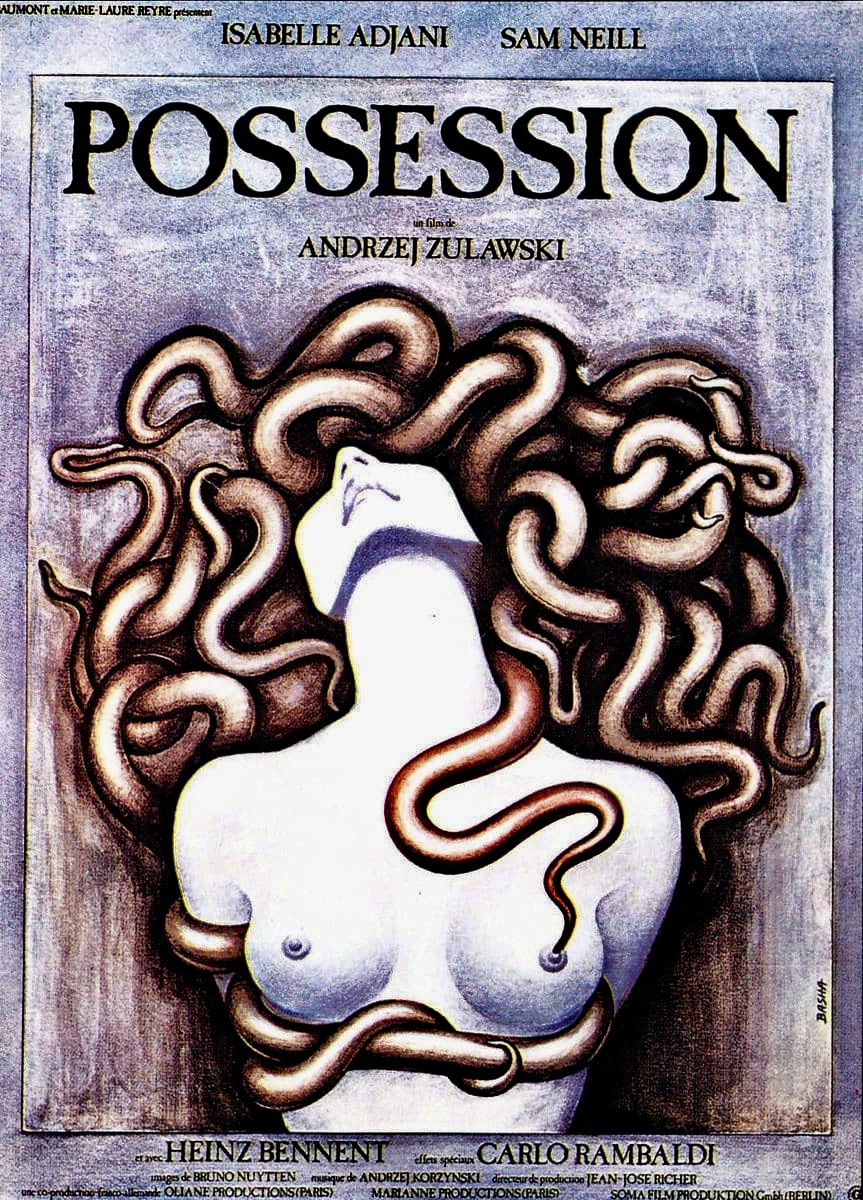
In The Devil’s Dictionary, a satirical lexicon written by Ambrose Bierce which was first published in 1906 under the title The Cynic’s Word Book, marriage is described as “The state or condition of a community consisting of a master, a mistress and two slaves, making in all, two.” While it may be an amusing if not particularly favorable definition of what should be a sacred union between two people, it does reflect a negative viewpoint embraced by some who have suffered through it. Possession (1981), directed and co-written by Andrzej Zulawski with Frederic Tuten, takes this conceit a step further, depicting the institution of marriage as not just a form of slavery but the embodiment of hell on earth.
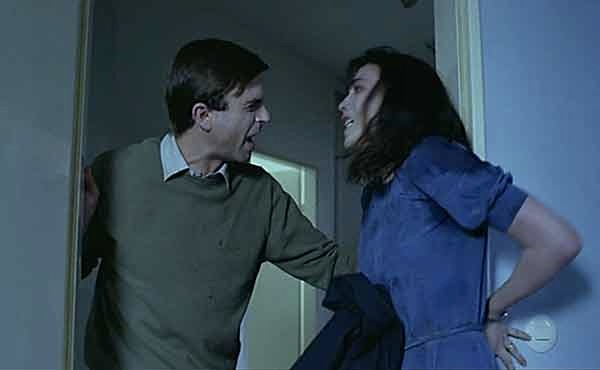
Mark (Sam Neill) confronts Anna (Isabelle Adjani) over her reasons for wanting to end their marriage in POSSESSION (1981).
Continue reading

Bernard Wicki’s Die Brucke

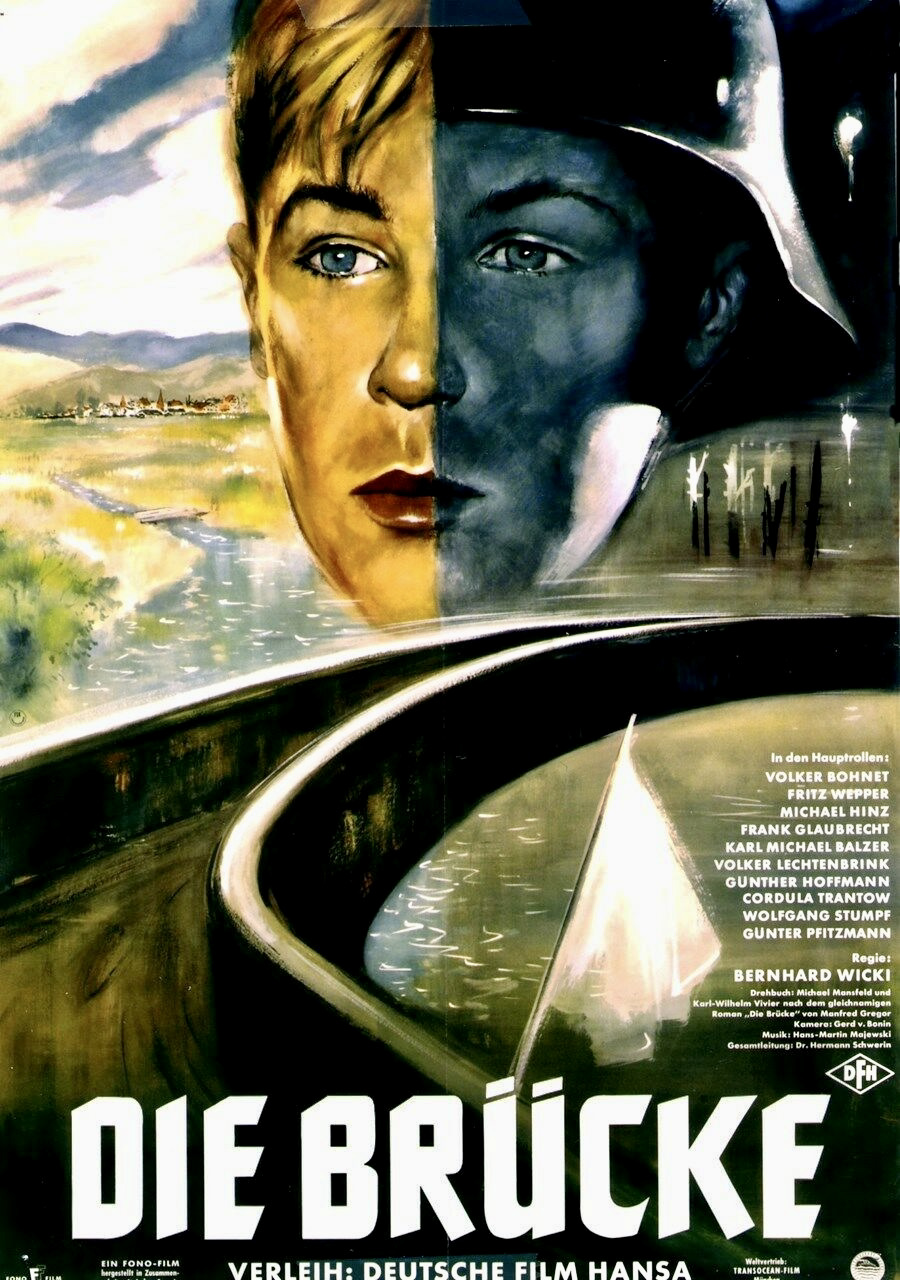
When film critics compile their favorite top ten lists of anti-war movies, you can usually expect to see titles like King Vidor’s The Big Parade (1925), Lewis Milestone’s All Quiet on the Western Front (1930), Stanley Kubrick’s Paths of Glory (1957), Kon Ichikawa’s Fires on the Plains (1959), Wolfgang Petersen’s Das Boot (1981) and Elem Klimov’s Come and See (1985) among the favored elite. It has only been in recent years that Bernhard Wicki’s The Bridge (German title: Die Brucke) has popped up on lists, thanks in part to The Criterion Collection, which remastered it on DVD and Blu-ray in June 2015. Almost forgotten since its original release in 1959, the film is just as powerful and moving as it was over sixty years ago.

Continue reading

Voyage of Doom

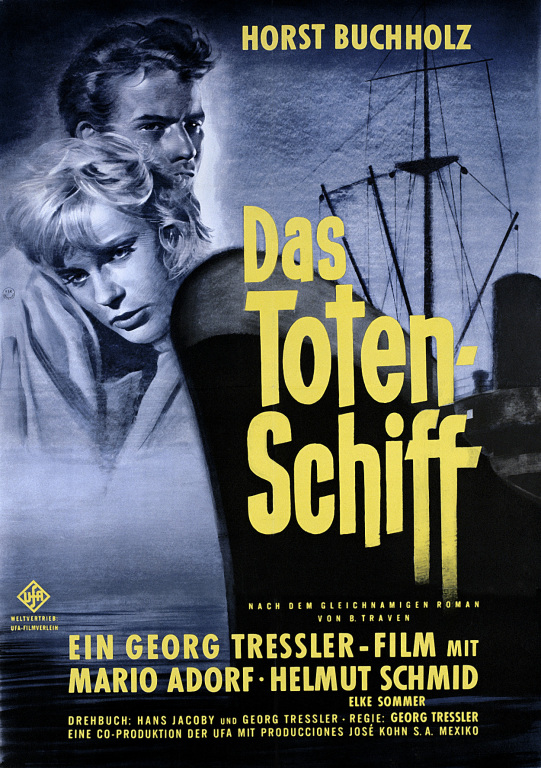
A former actor from Austria turned film director, Georg Tressler is not a name familiar to most American movie fans but for German filmgoers of the fifties he created a sensation with this 1956 feature film debut, Die Halbstarken (released in the U.S. as Teenage Wolfpack). As topical, incendiary and controversial in its day as The Wild One (1953), Rebel Without a Cause (1955) and Blackboard Jungle (1955), Die Halbstarken was a hard-hitting portrait of juvenile delinquency in post-war Germany and featured Horst Buchholz as a manipulative gang leader in a performance possibly inspired by James Dean. It was a huge hit and led Tressler to follow it up with two more youth-oriented films – Noch Minderjahrig (Under 18, 1957) and Endstation Liebe (Two Worlds, 1958). His fourth feature, Das Totenschiff (Ship of the Dead, 1959), was a complete departure from his trilogy in terms of content and was mostly ignored by critics and the public. But timing is everything and today Das Totenschiff looks like a lost classic from the pre-Berlin Wall era. And it may very well be Tressler’s finest achievement.    Continue reading