
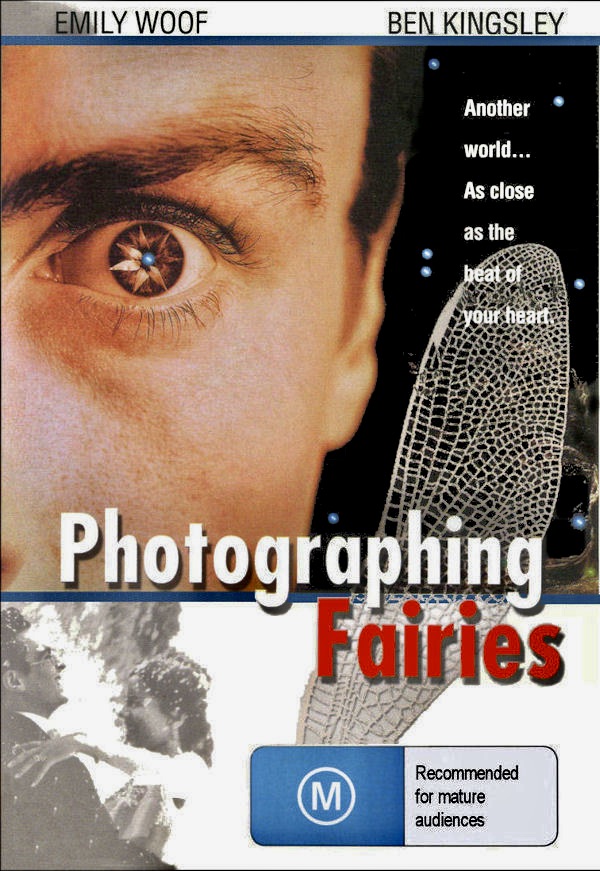
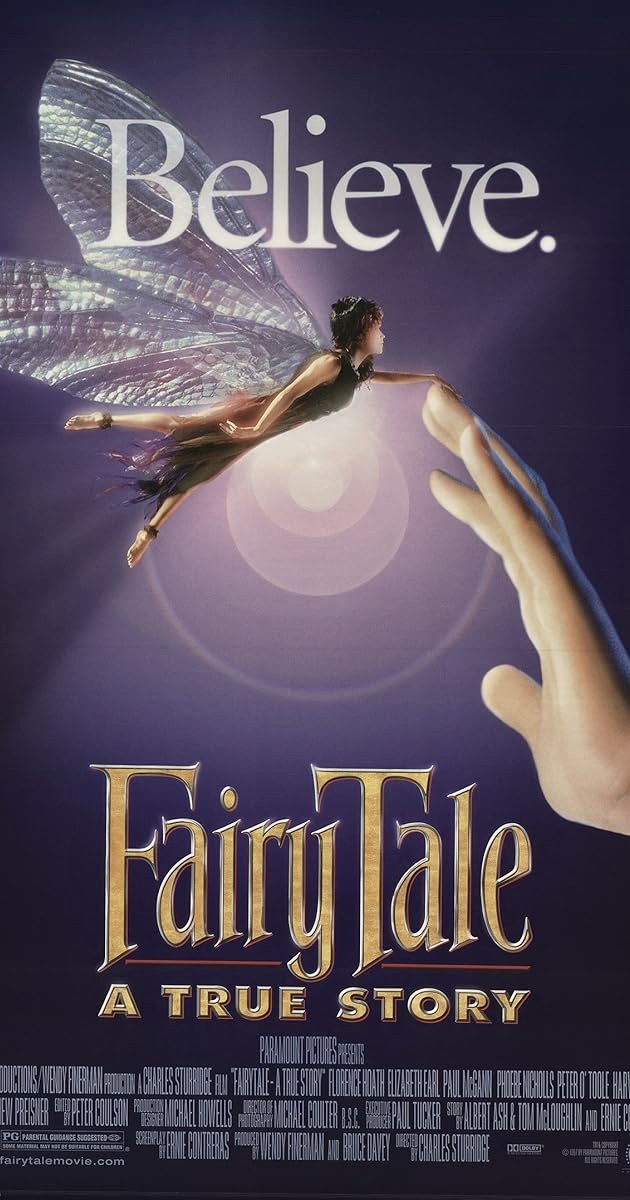
In 1917 sixteen year old Elsie Wright and her nine year old relative Frances Griffith were playing in the Wright family garden in Cottingley, England. Elsie borrowed her father’s camera to take some photos of Frances playing and a few months later she borrowed the camera again with both girls snapping photos. When the photos were developed, both girls but mainly Frances, were seen cavorting with what looked like fairies. Elsie’s father thought the photographs were faked but Elsie’s mother believed they revealed actual sprites and the photos were revealed to the public in 1919, creating an international sensation. The incident attracted the attention and support of the Theosophical Society in Bradford, England and prominent people like author Sir Arthur Conan Doyle, who was involved in the spiritualist movement, found the evidence convincing. The photographs were also denounced by non-believers like Harry Houdini, who famously campaigned against fraudulent psychics and mediums. For years, the Cottingley fairies remained a source of mystery and fascination and, in 1997, strangely enough, two different movies on the subject were produced and released in the U.K., FairyTale: A True Story and Photographing Fairies.
 Cinema Sojourns