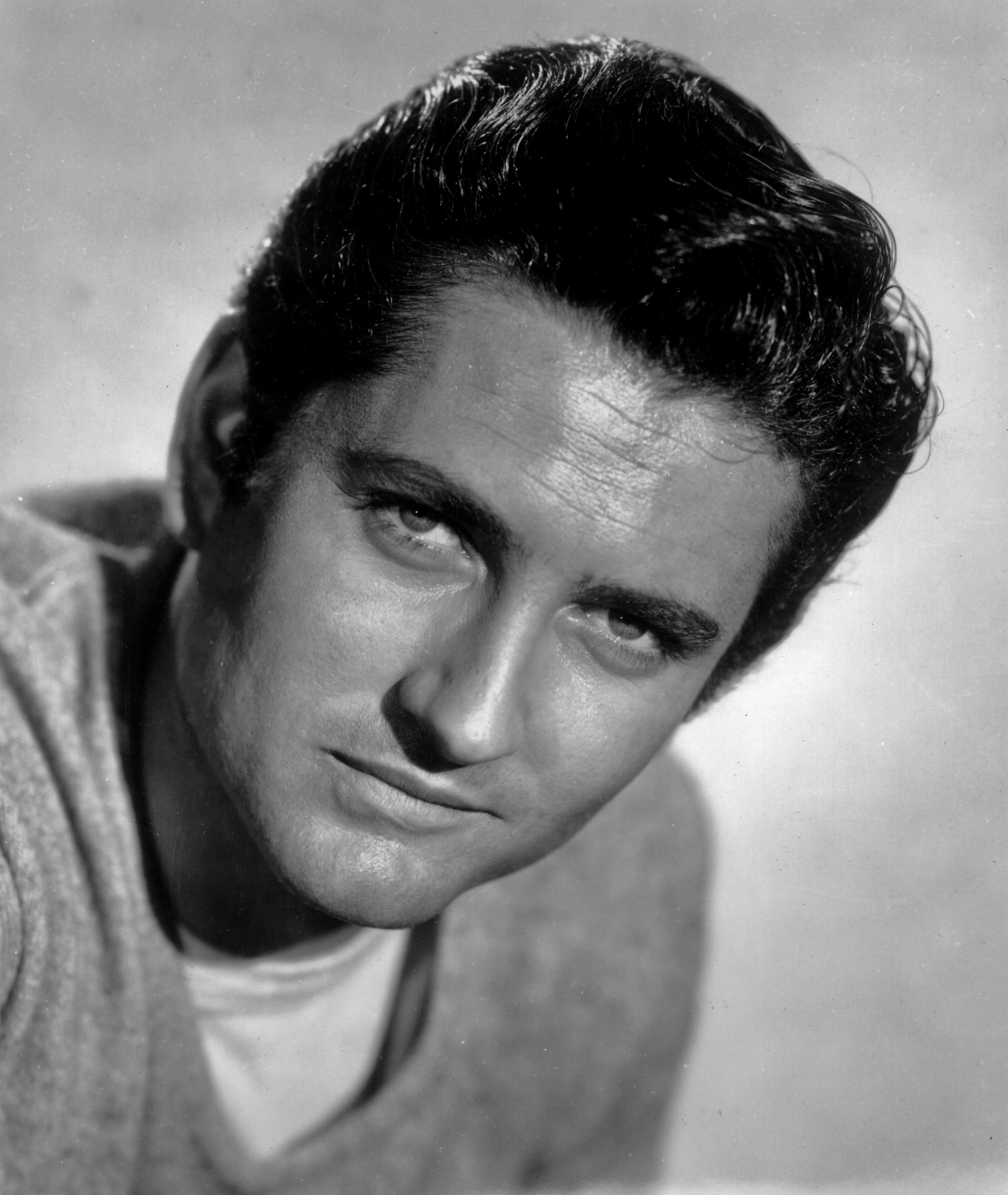
What film or theater buff is not familiar with the House of Barrymore, the acting dynasty known as the “Royal Family of the American Stage”? Led by Lionel Barrymore (1878-1954), the oldest of three acting siblings, including sister Ethel (1979-1959) and younger brother John (1882-1942), the trio dominated the Broadway stage during the early 1900s as well as the film industry of the silent and early sound era. Today, Drew Barrymore, the granddaughter of John Barrymore, is arguably as famous as he was during his era but the actress’s father, John Barrymore Jr., and his stepsister Diana Barrymore, are practically forgotten. Both were promising actors at the start of their career but personal problems and drug and alcohol addictions ended up derailing any opportunities in the profession.
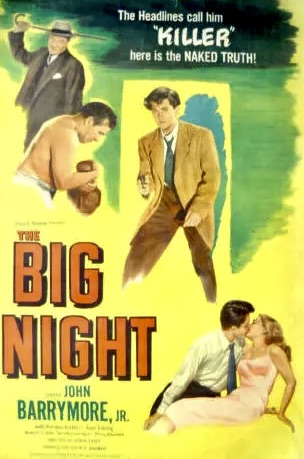
Diana was better known as a stage actress and only ended up making a handful of minor films before her early death at age 38 in 1960 but John Barrymore Jr. had a much longer film career and had the looks and potential talent to be a major star. He made his film debut in the 1950 western The Sundowners and attracted considerable attention in the starring role of his fourth movie, The Big Night (1951), directed by Joseph Losey. As an angry teenager seeking to avenge an assault on his father, John Jr. gives a moody, Method acting-style performance which prefigured the rise of rebellious screen icons like Marlon Brando and James Dean. His acting garnered some good reviews but it wasn’t a breakout success or help to advance his career. And he soon became unemployable in Hollywood due to unprofessional behavior on film sets and high profile press coverage of his abusive behavior toward his first wife, Cara Williams (an Oscar nominee for Best Supporting Actress in The Defiant Ones, 1958). Looking for new acting opportunities, he moved to Italy in the early sixties where he made thirteen movies over a five-year period, mostly low-budget genre films that included historical dramas (The Night They Killed Rasputin (1960), peplums (The Trojan Horse, 1961) and melodramas (A Game of Crime, 1964). I am highlighting two of his better efforts, Ti Aspettero all’inferno aka I’ll See You in Hell (1960) and Delitto allo Specchio aka Death on the Fourposter (1964) in this post.
Continue reading