
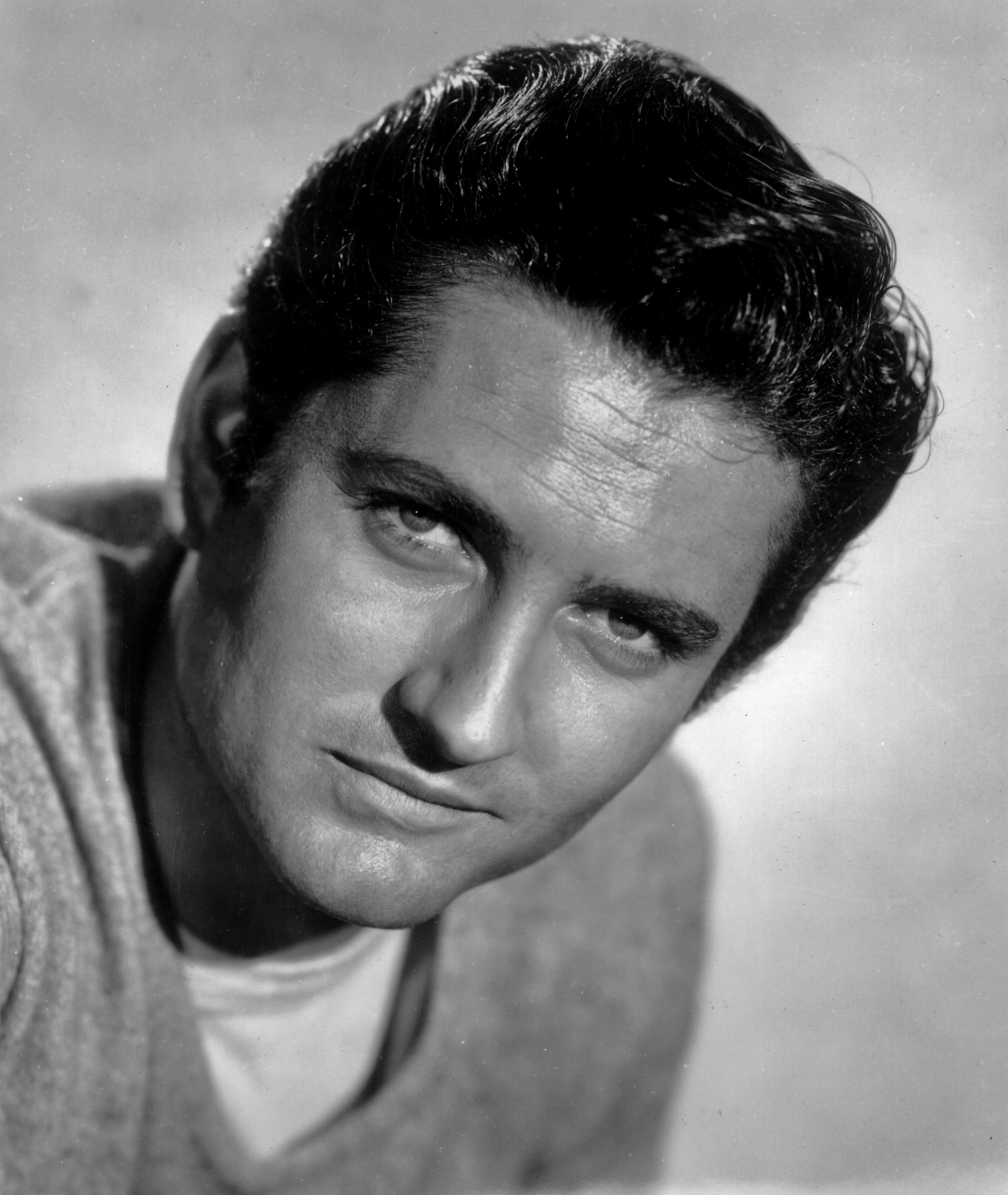
What film or theater buff is not familiar with the House of Barrymore, the acting dynasty known as the “Royal Family of the American Stage”? Led by Lionel Barrymore (1878-1954), the oldest of three acting siblings, including sister Ethel (1979-1959) and younger brother John (1882-1942), the trio dominated the Broadway stage during the early 1900s as well as the film industry of the silent and early sound era. Today, Drew Barrymore, the granddaughter of John Barrymore, is arguably as famous as he was during his era but the actress’s father, John Barrymore Jr., and his stepsister Diana Barrymore, are practically forgotten. Both were promising actors at the start of their career but personal problems and drug and alcohol addictions ended up derailing any opportunities in the profession.
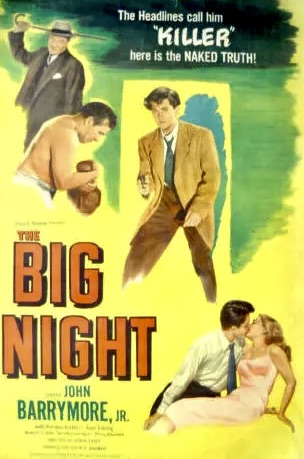
Diana was better known as a stage actress and only ended up making a handful of minor films before her early death at age 38 in 1960 but John Barrymore Jr. had a much longer film career and had the looks and potential talent to be a major star. He made his film debut in the 1950 western The Sundowners and attracted considerable attention in the starring role of his fourth movie, The Big Night (1951), directed by Joseph Losey. As an angry teenager seeking to avenge an assault on his father, John Jr. gives a moody, Method acting-style performance which prefigured the rise of rebellious screen icons like Marlon Brando and James Dean. His acting garnered some good reviews but it wasn’t a breakout success or help to advance his career. And he soon became unemployable in Hollywood due to unprofessional behavior on film sets and high profile press coverage of his abusive behavior toward his first wife, Cara Williams (an Oscar nominee for Best Supporting Actress in The Defiant Ones, 1958). Looking for new acting opportunities, he moved to Italy in the early sixties where he made thirteen movies over a five-year period, mostly low-budget genre films that included historical dramas (The Night They Killed Rasputin (1960), peplums (The Trojan Horse, 1961) and melodramas (A Game of Crime, 1964). I am highlighting two of his better efforts, Ti Aspettero all’inferno aka I’ll See You in Hell (1960) and Delitto allo Specchio aka Death on the Fourposter (1964) in this post.
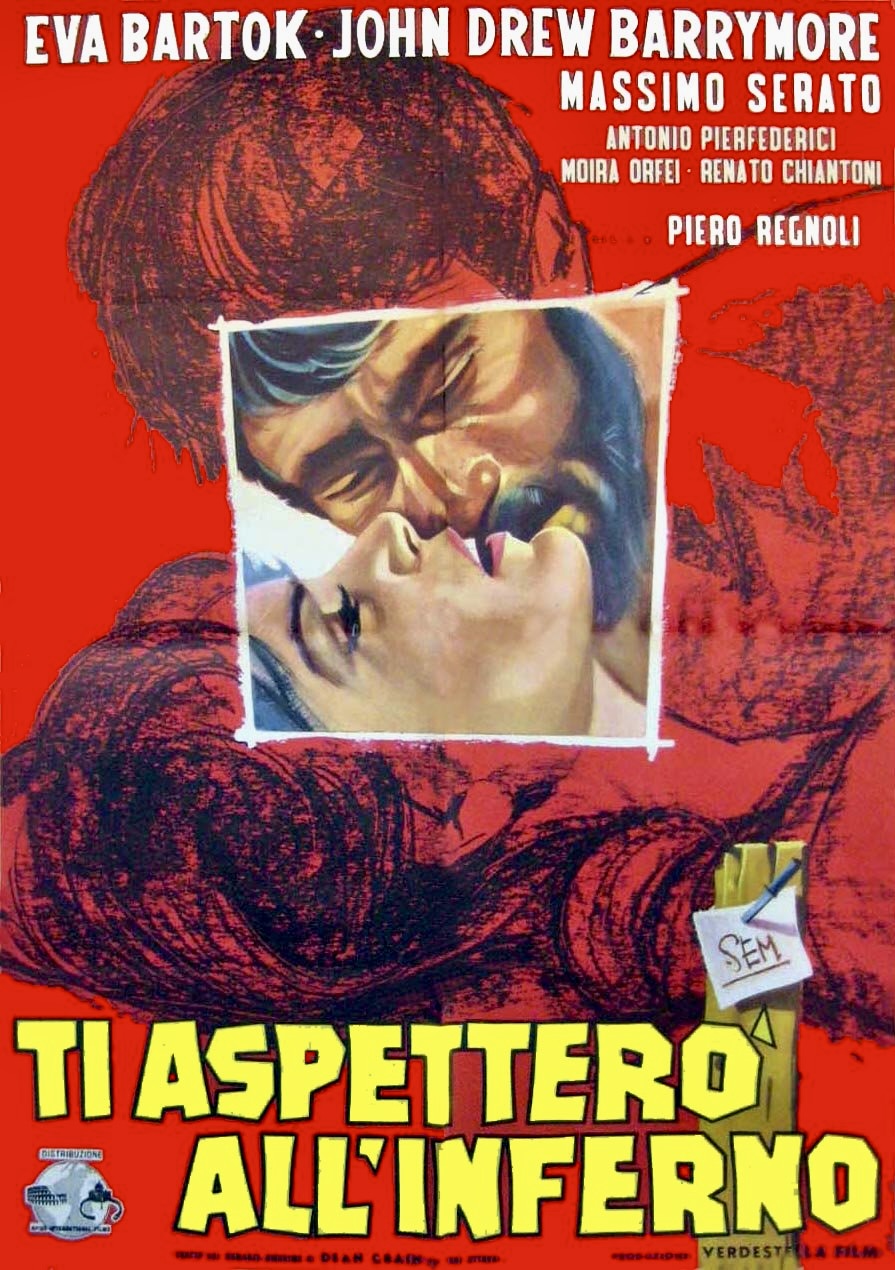
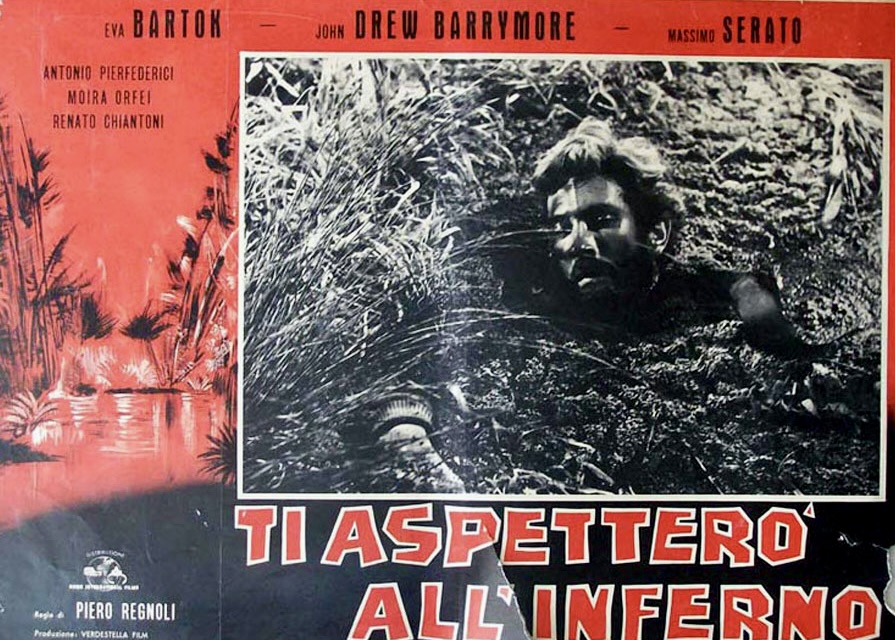
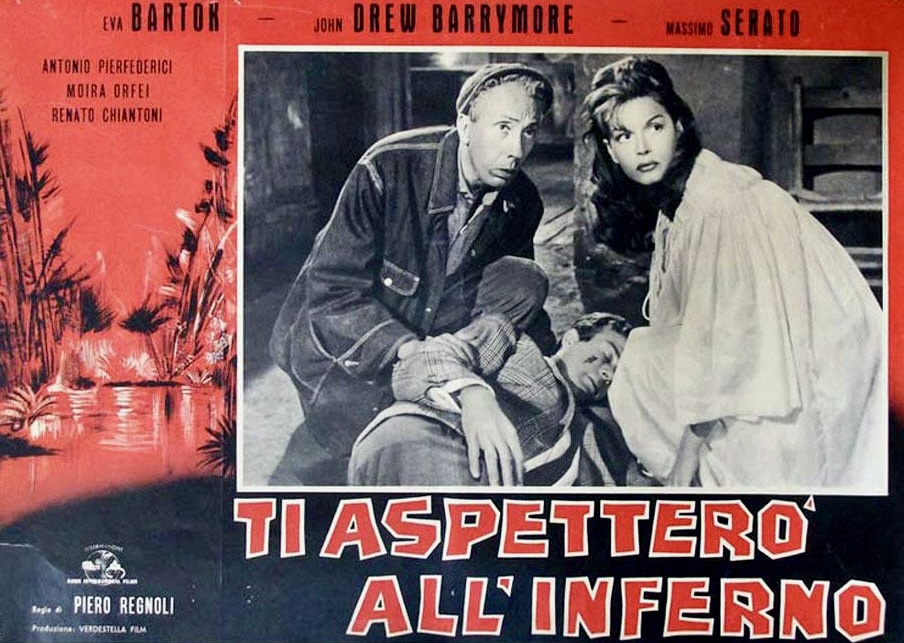
I’ll See You in Hell begins as a heist thriller in which a trio of thieves execute a jewel robbery and successfully get away with a bag of diamonds although a night watchman is killed in the process. When they are forced to split up due to a countrywide police manhunt, they agree to reconvene in a desolate area near a coastal swamp where they can hole up in a shack until the coast is clear. The mastermind behind the robbery is Al (Massimo Serato), a smooth, even-tempered professional thief, and Sam (Antonio Pierfederici) is a superstitious and financially strapped accomplice who plans to escape to Israel and start a new life. The wild card in the group is Walter (John Drew Barrymore, who changed his name from John Barrymore Jr. in the late 1950s), whose potential for violence resulted in the death of a guard and now his growing greed and impulsive behavior adversely affects the group dynamic.
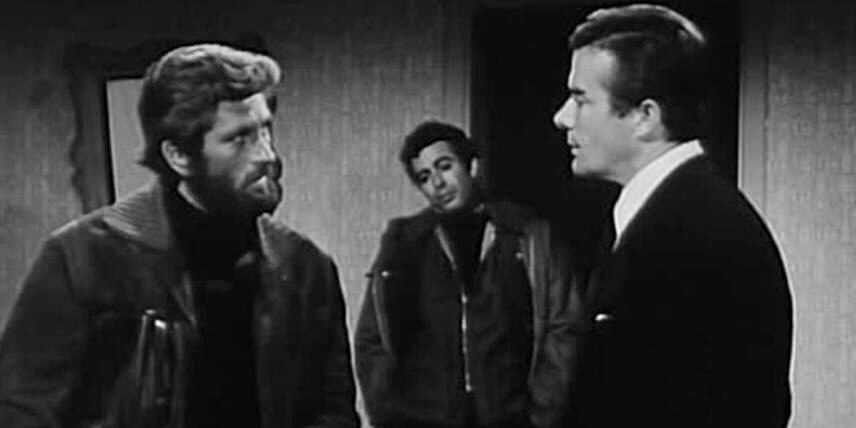
What starts out as a crime drama slowly evolves into a revenge thriller with supernatural overtones as Walter begins to mentally unravel after the death of Sam in a quicksand pit. An already tense relationship between Walter and Al is further agitated by the arrival of Daniella (Eva Bartok), an out of work singer/dancer who develops a romantic relationship with Al. When she is invited to stay with the two jewel thieves, Walter is hostile and antagonistic at first but then becomes obsessed with the mysterious beauty. It is only a matter of time before Al and Walter clash violently over Daniella but before the inevitable occurs Walter becomes convinced that Sam is haunting him from beyond the grave. He finds threatening notes (“I haven’t forgotten what you’ve done to me. You’ll get what you deserve.”) and hears someone whistling the same tune Sam used to whistle. Is he imaging it or is someone trying to drive him crazy?
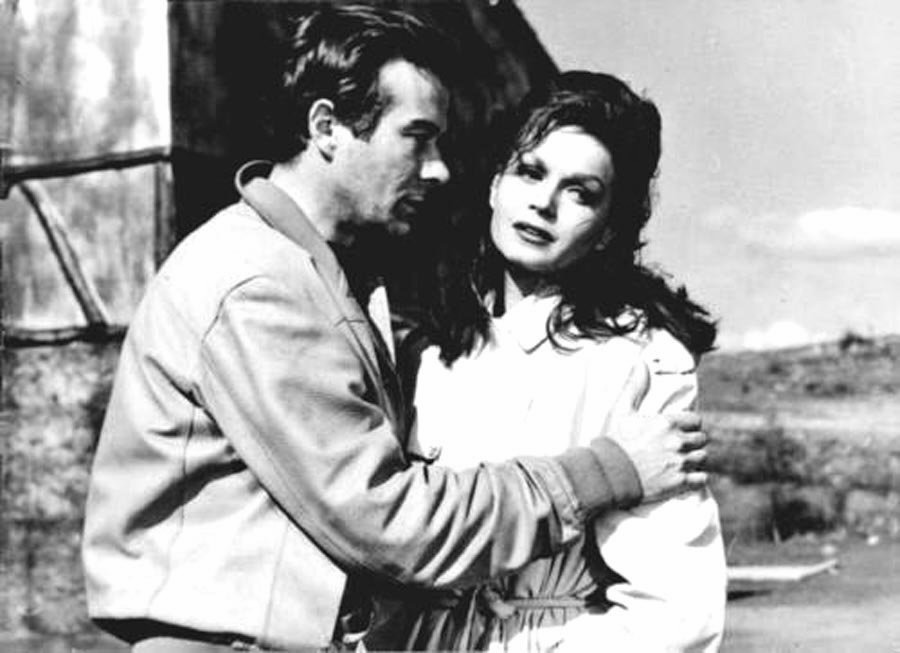
Directed by screenwriter/director Piero Regnoli, who is best known for the erotic horror flick The Playgirls and the Vampire (1960), I’ll See You in Hell is actually much closer to a film noir in design and it manages to generate a considerable amount of claustrophobic unease through the setting of the gang’s drab hideout and its isolation. The sequences set in the nearby swamp with its many quicksand traps is also atmospheric and creepy. But most of all the film is worth watching for John Drew Barrymore’s hyperactive performance which goes from cynical disdain to full blown paranoia. With his swarthy physical appearance and dramatic intensity, he makes a compelling villain and would play variations on this in several of his Italian screen roles (He is especially sinister as a cult leader who presides over human sacrifices and worse in Rome contra Roma aka War of the Zombies, 1964)..
Providing a welcome contrast to the jewel robbery-gone-awry subplot is the presence of Hungarian actress Eva Bartok who performs an amusing semi-striptease musical number for her cabaret audition and ends the movie with a surprise twist ending regarding her deceptive character. I’ll See You in Hell remains a better-than-average crime thriller in Barrymore Jr.’s filmography but it never found an American distributor like so many of the actor’s Italian B-pictures.
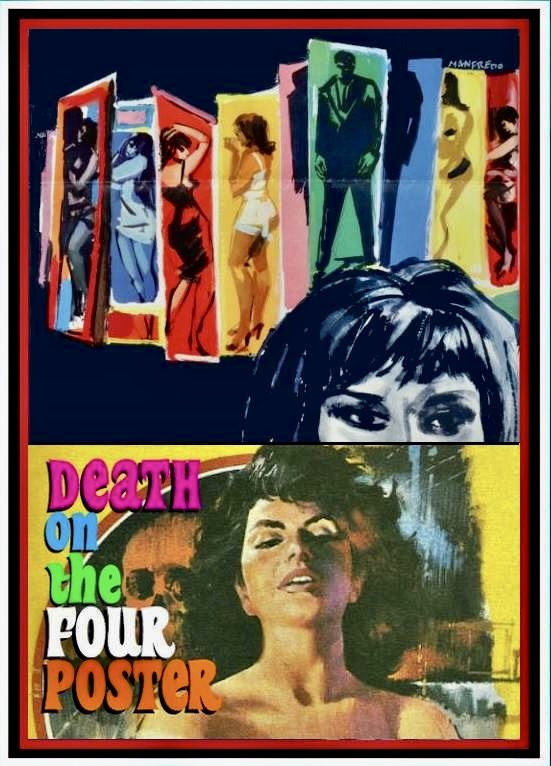
Equally worth a look is Death on the Fourposter, one of Barrymore Jr.’s final films in Italy before returning to the U.S. Some film reviewers and historians consider this 1964 feature, co-directed by Jean Josipovici and Ambrogio Molteni, an early forerunner of the giallo craze that would reach a peak in Italian cinema during the 1970s. But Death on the Fourposter is less similar to a thriller like Mario Bava’s ultra-violent, groundbreaking Blood and Black Lace (released the same year) and closer to an old fashioned murder mystery set in a creepy villa. Think of something like Agatha Christie’s Ten Little Indians and you get the idea.
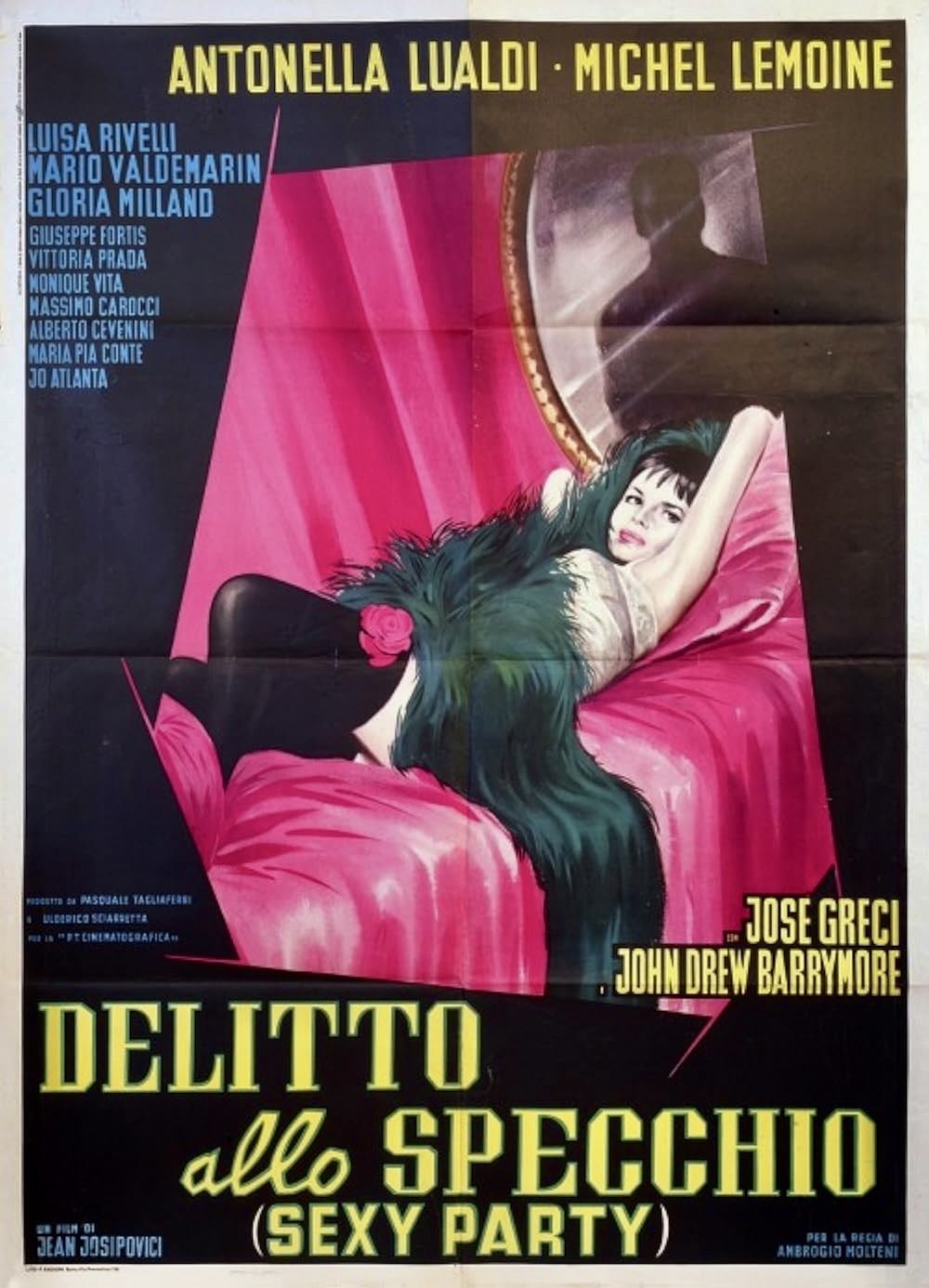
Ricky (Michel Lemoine), an eccentric avant-garde pianist, invites a group of friends to his sprawling mansion in the country which is maintained by his dour housekeeper Caterina (Luisa Rivelli) and servant Aldo (Giuseppe Fortis), who likes spying on the guests. The men are a mostly raucous, entitled group of cads who act like 15-year-old teenagers while the women use their feminine charms and coquettish behavior to manipulate them into sex games and mate swapping. Although there is a strong swinging singles vibe generated through the first half of the movie that is reflective of Fellini’s La Dolce Vita (1960), Death on the Fourposter is tame when it comes to actual nudity or on-screen violence.
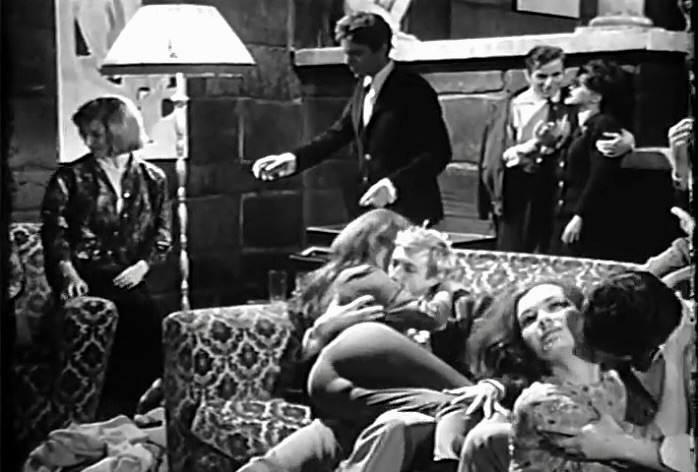
The proceedings become a lot more entertaining and convoluted with the arrival of Serena (Antonella Lualdi), a vivacious party girl, and her date, the mysterious Anthony (John Drew Barrymore), who is said to be a magician and psychic. Serena introduces a game called “the shattering of illusions” which ends up releasing inhibitions as well as jealousy and resentment among Ricky’s guests. Then Anthony completely shuts down the party atmosphere with his chilling prophecy for the group: “Something terrible is about to happen.”
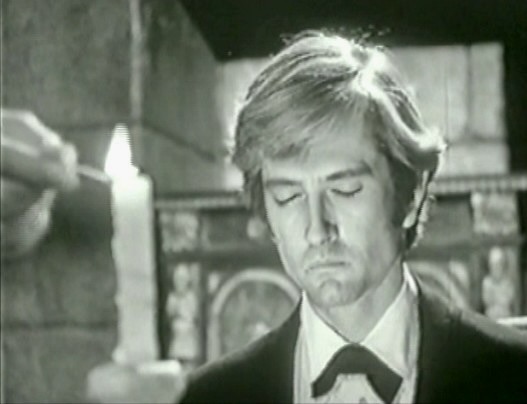
Barrymore Jr.’s role may be little more than an extended cameo in Death on the Fourposter but it is one of the film’s highlights as he delivers his predictions by candlelight and then abruptly exists the narrative, setting in motion the deadly events that follow. The film quickly transitions into an “old dark house” chiller as a killer stalks the group and Ricky becomes a likely suspect due to his increasingly weird behavior. Before the night is over, the gathering will be reduced by three people – two murder victims (one of them won’t stay dead) and a suicide.
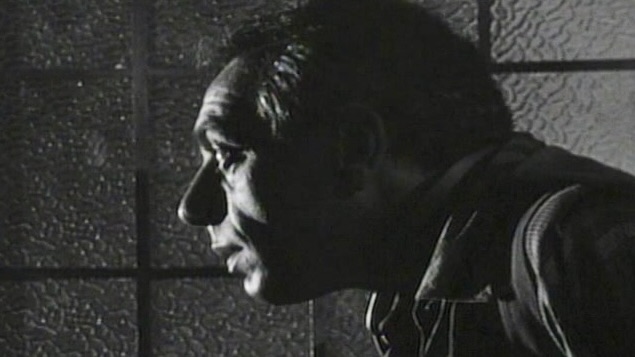
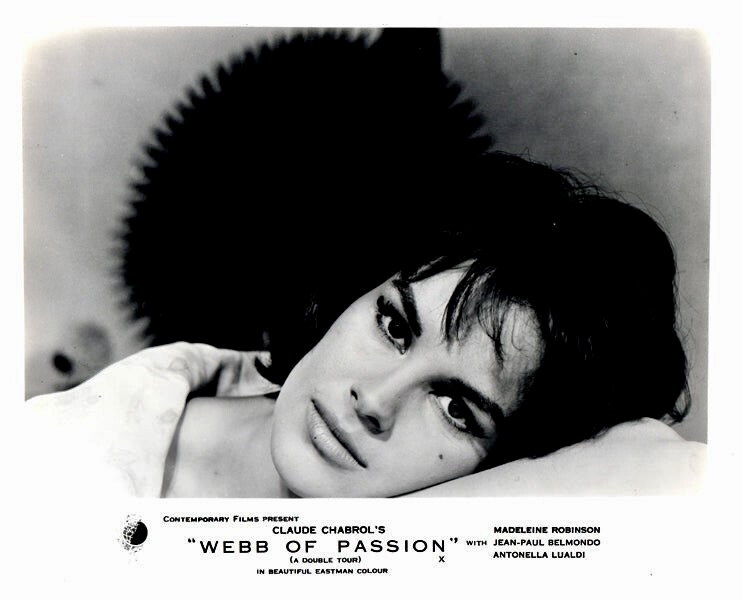
Death on the Fourposter has an overly familiar plot but the ludicrous English-dubbed dialogue is often quite amusing. To cite an example: when we first see house guest Edie (Monique Vita) sashay toward the camera, one of Ricky’s guests says, “Where did she learn to walk like that?” while another responds, “Broke her hip falling out of bed.” There’s also a funny sequence when everyone gyrates to an unlikely pop tune, “Sexy Party,” which was an alternate title for the movie in some regions. But most of all, Antonella Lualdi and John Drew Barrymore are worth seeing in their offbeat supporting roles. Lualdi, in particular, makes a wickedly seductive vamp and a sense of fun goes out of the movie when she exits the scene. Born in Beirut, the exotic looking beauty would enjoy a more than sixty-year career in cinema, appearing in such distinctive movies as Carlo Lizzani’s Chronicle of Poor Lovers (1954), Claude Chabrol’s Web of Passion (1959), and Let’s Talk About Women (1964), a nine chapter sketch comedy directed by Ettore Scola.
Horror and Eurotrash film buffs should also enjoy seeing French actor turned director Michel Lemoine in the lead role of the increasingly agitated party host Ricky. He has a peculiar screen presence – those weird eyes! – which is more unsettling than attractive and has appeared in such cult items as Jess Franco’s Succubus (1968) and the 1969 spaghetti western Cemetery Without Crosses, directed by and starring Robert Hossein. As a director, Lemoine has specialized in sexploitation and erotica with the films Les Chiennes (1973) and Seven Women for Satan (1976) but his subsequent work became increasingly pornographic with Hotspots (1987) marking his final directorial effort (Lemoine died in 2013 at age 90).
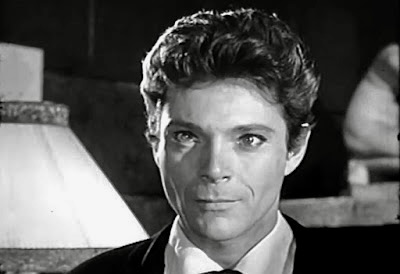
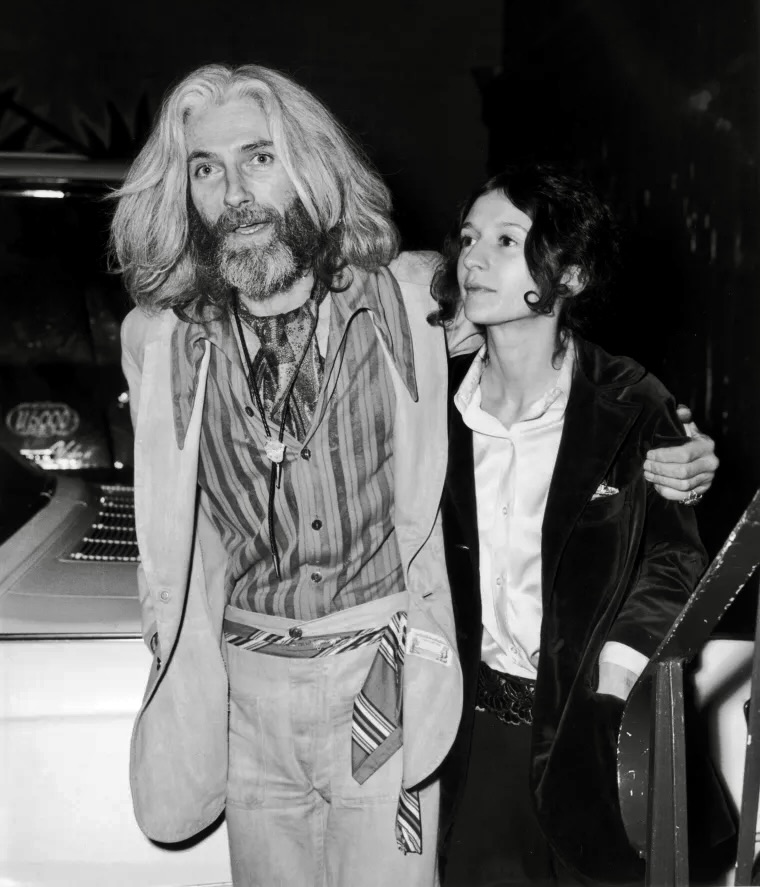
As for Barrymore Jr., he returned to the U.S. in the mid-sixties and managed to find some sporadic work in television over the next decade. According to his obituary in The Independent, “…he suddenly dropped out of the Hollywood scene and, after a period of meditation in India, he secluded himself in the California desert for five years, living in a shack where he practised yoga and meditation and subsisted on wild lettuce, sunflower seeds, lamb’s-quarters (a plant) and watercress. He returned to Hollywood in 1974 destitute, a gaunt, bearded figure with shoulder-length grey hair (looking similar to his father in the role of Svengali).”
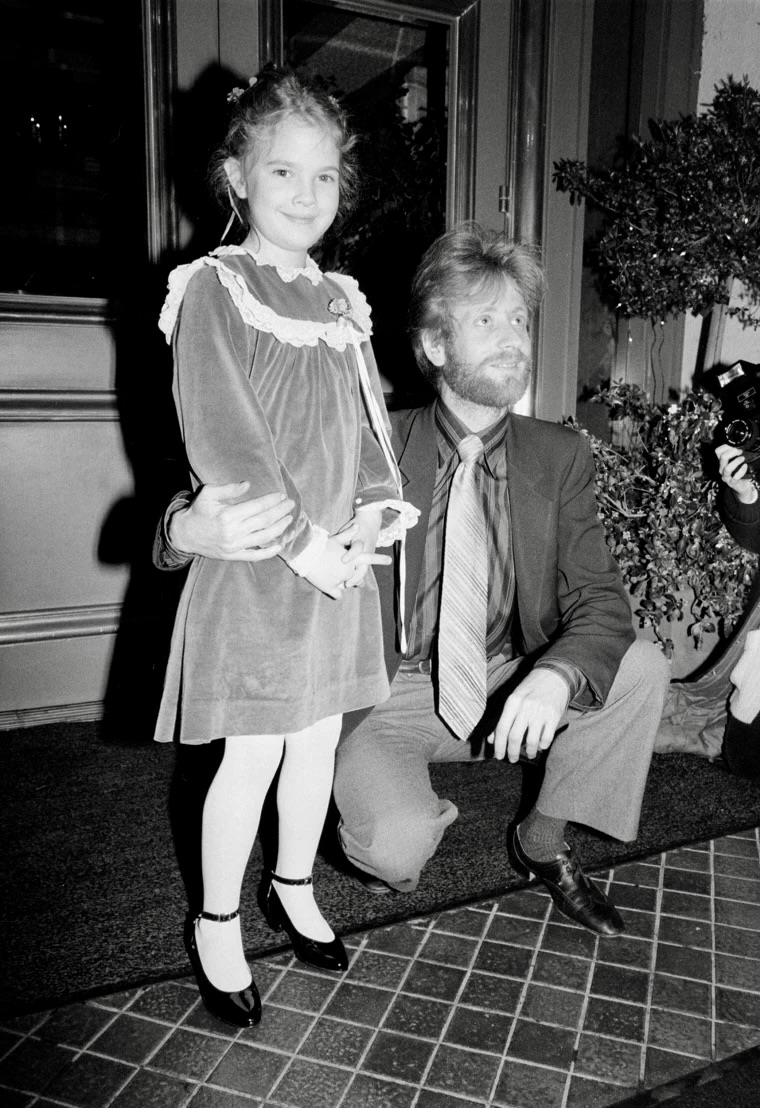
The actor was married four times in all, having a child with each wife. His third wife, Jaid Barrymore, was a German actress/model, and the mother of Drew Barrymore. She ended up becoming Drew’s manager for a while after her husband Barrymore Jr. abandoned them at an early age, just as his own father Barrymore Sr. had left him and his mother Dolores Costello (The Magnificent Ambersons, 1942).
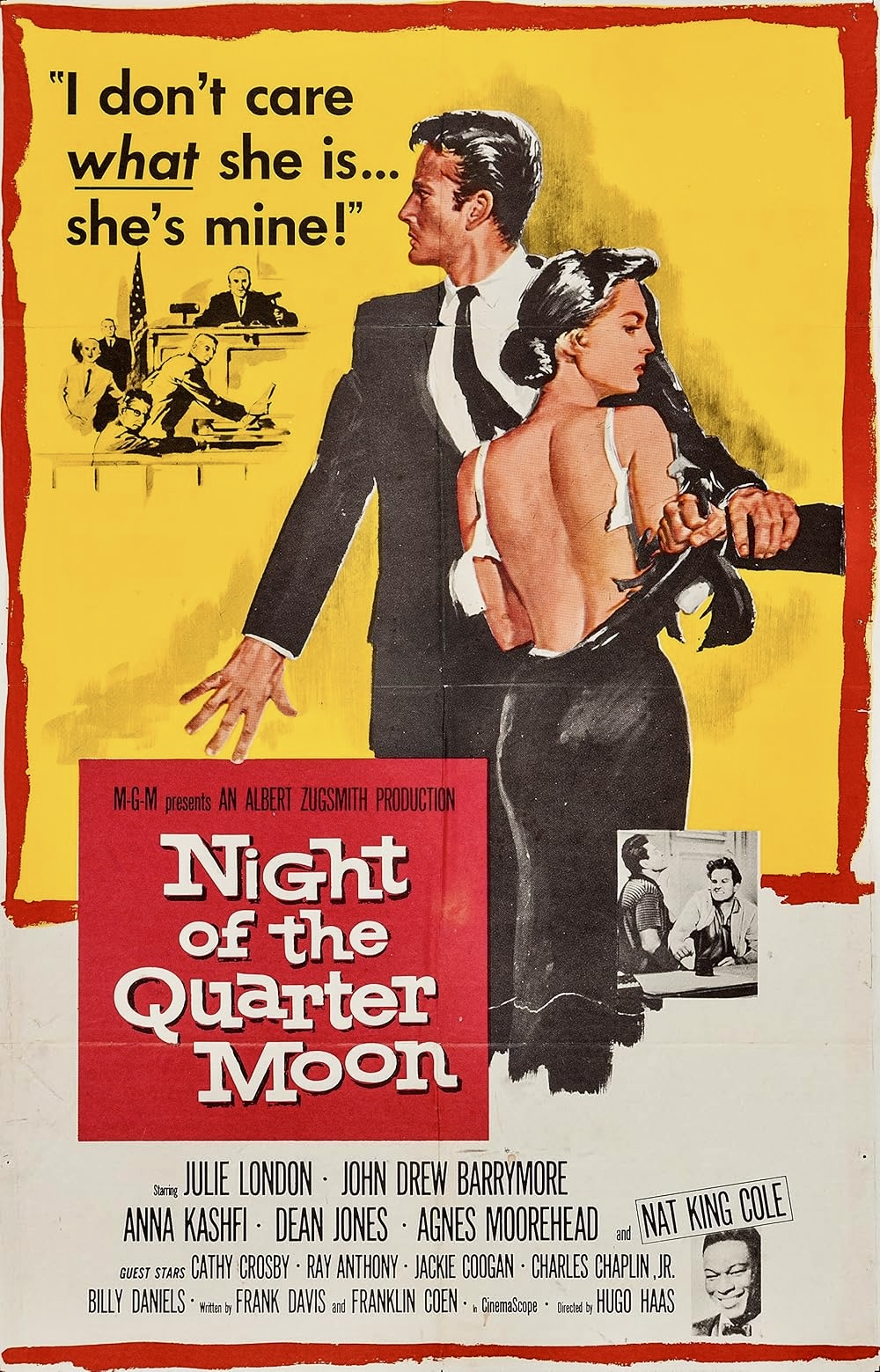
At the end of his life when Barrymore Jr. was totally broke and homeless, Drew came to the aid of her father, paying for his hospice care until his death from cancer in 2004. Although John Drew Barrymore is almost forgotten today, his work in Italian genre films of the sixties continues to entertain film buffs. In addition, some of his American movies will stand the test of time such as the Fritz Lang noir While the City Sleeps (1956), in which he played a serial killer, the cult classic High School Confidential (1959), co-starring sex bomb Mamie Van Doren and Jerry Lee Lewis in a musical cameo, and the trashy miscengenation potboiler Night of the Quarter Moon (1959) featuring singers Julie London and Nat King Cole in dramatic roles.
Many of John Drew Barrymore’s Italian films including I’ll See You in Hell and Death on the Fourposter are available in bootleg DVD-R discs on the grey market or can be streamed on various platforms (Youtube, Prime, etc.) in poor to mediocre transfers.
Other links of interest:
https://mondo-esoterica.net/links_pages/John%20Drew%20Barrymore.html
https://www.biography.com/actors/drew-barrymore-family
https://www.independent.co.uk/news/obituaries/john-drew-barrymore-728653.html

