The Covid-19 epidemic of 2020 will always be remembered as the medical crisis that abruptly changed daily life for everyone in the 21st century. It also sparked a renewed interest in movies dealing with deadly pandemics. Steven Soderbergh’s Contagion (2011) starring Matt Damon and Outbreak (1995) with Dustin Hoffman were both box office successes during their initial releases but they suddenly began trending as highly popular titles again on streaming services everywhere. Terry Gilliam’s Oscar-nominated 12 Monkeys (1995) and The Andromeda Strain (1971), based on Michael Crichton’s novel, were also attracting first time and repeat viewers while other, equally worthy movies in the same genre have been forgotten or overlooked. One of these is 80,000 Suspects (1963), a compelling thriller from Val Guest, an often underrated British director.
Continue readingElmer Gantry’s Little Sister
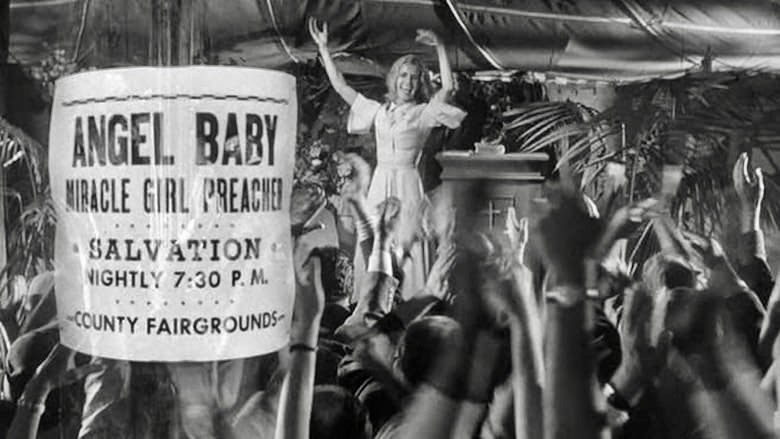
After the critical and box office success of Elmer Gantry in 1960, another film, much smaller in scale and budget, came along that mirrored the latter film both thematically and in some of the plot details. It might have been merely a coincidence that Angel Baby (1961) appeared shortly after the release of Elmer Gantry, but it certainly beats the Burt Lancaster Oscar winner when it comes to oddball casting and camp value.
Continue readingSomething is Rotten in Romania

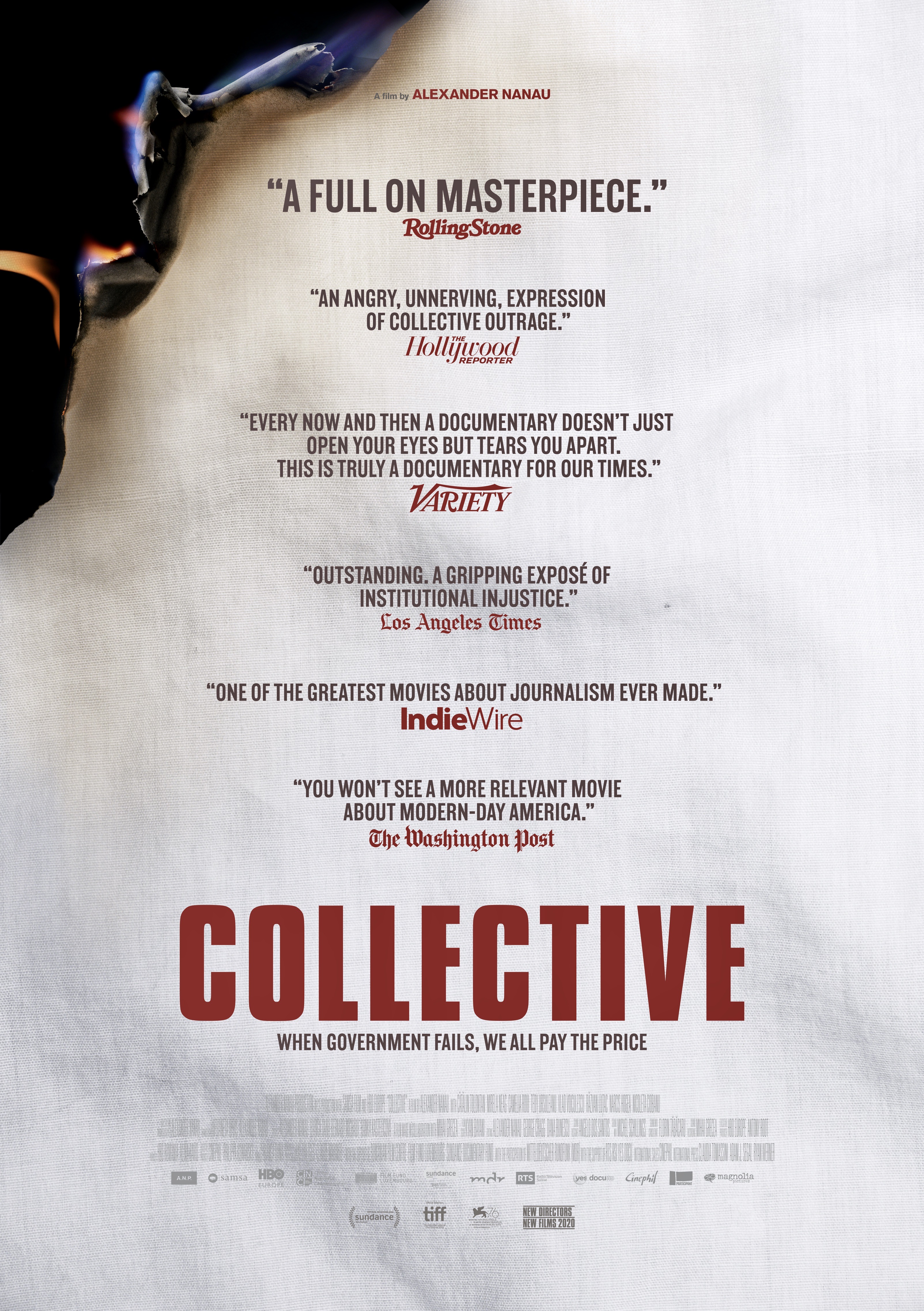
If you are an avid follower of world news, you might remember a tragic event that occurred in Bucherest, Romania in October 2015 and became an international cause célèbre. A deadly fire broke out in the Colectiv nightclub, killing 27 people and injuring up to 180 others. The club, a converted former factory, was a literal death trap with no fire exits and only one door that was functioning at the time. The other door had to be broken down by panicking clubgoers in order to escape. What happened to at least 37 survivors of the fire was even worse. They died, not from severe burns, but from bacterial infections that could easily have been prevented if the burn centers hadn’t been staffed by inept health care workers, had the appropriate medical equipment to treat the cases and, most importantly, had used a potent disinfectant to prevent the spread of life-threatening bacteria. Alexander Nanau’s documentary Collective takes this tragedy as his starting point but soon uncovers a perfect storm scenario that reveals the terrible truth behind Romania’s health care system and it all adds up to widespread government corruption.
Continue readingStare If You Dare at The Hypnotic Eye!

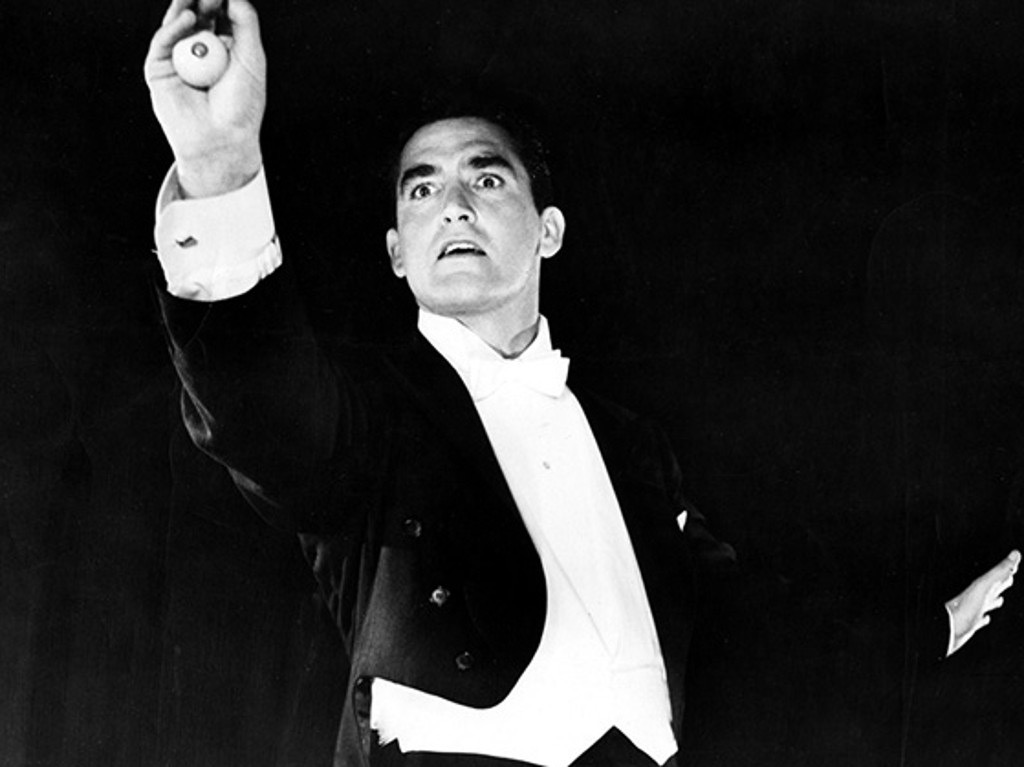
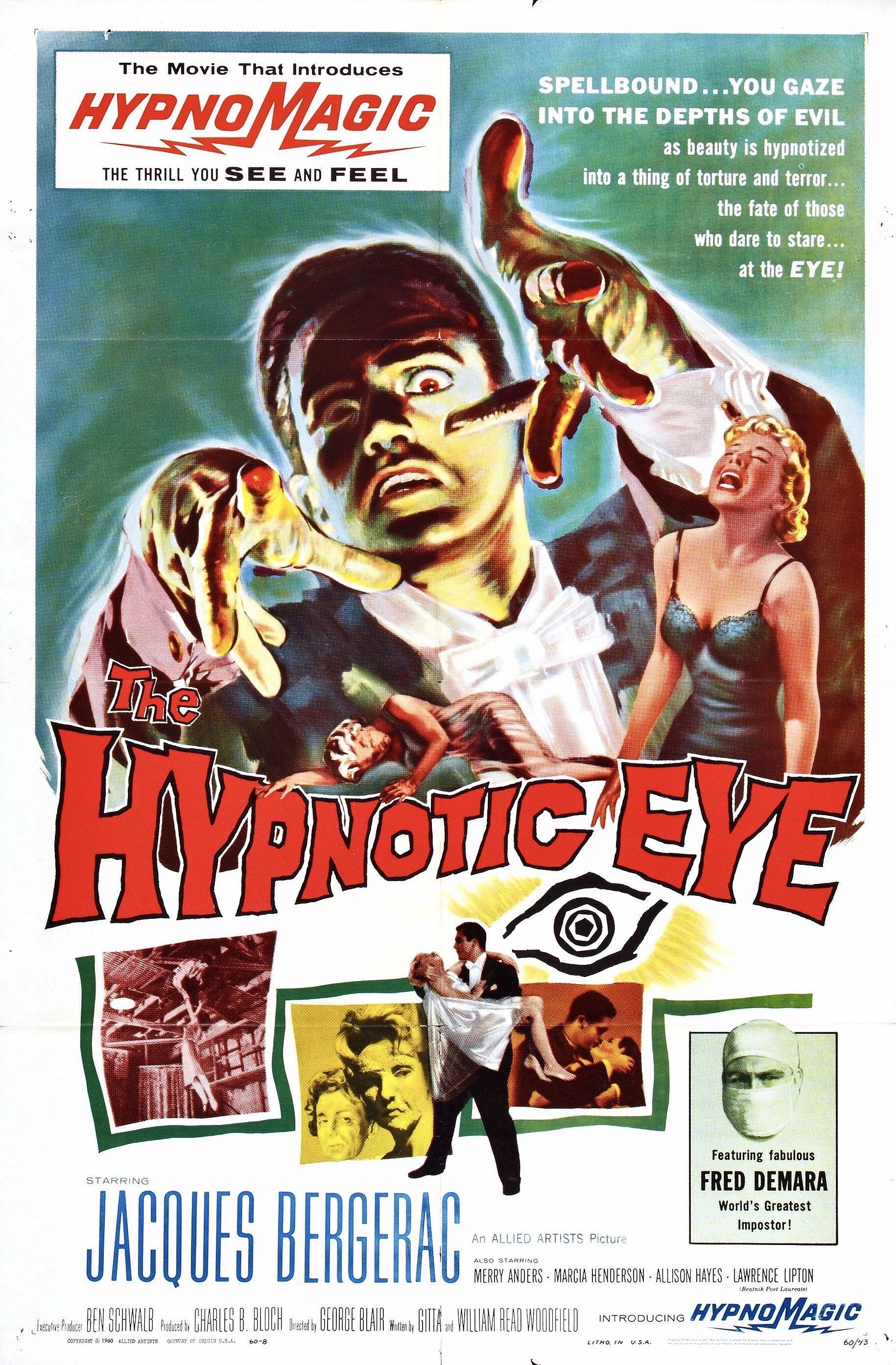
Everybody has probably been haunted or permanently tramatized by some movie they saw as a kid that burned images into their brain they couldn’t process or handle. For me it was a sick little B-movie that popped up on the late show called The Hypnotic Eye (1960), which I saw at the age of nine.

Sturm und Drang Under Western Skies

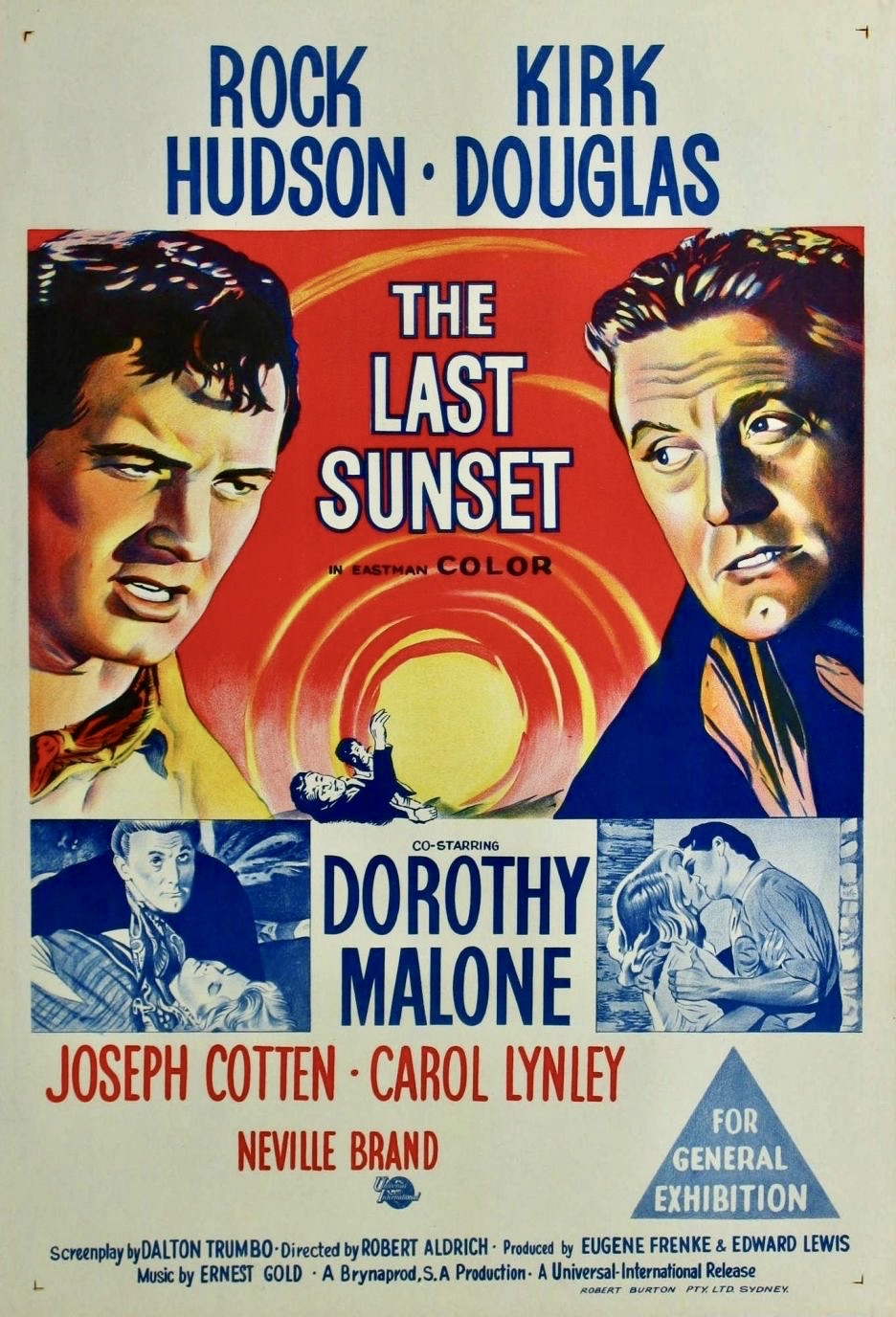
One of the more ambitious and offbeat Westerns of the early sixties, The Last Sunset (1961) is an odd duck that has its admirers and detractors with several participants of the film – director Robert Aldrich, screenwriter Dalton Trumbo and star Kirk Douglas – being the most vocal about its flaws and unrealized potential. For a frontier tale that attempts to emulate a Greek tragedy on the range, there is an abundance of plot twists and varying acting styles to keep you riveted to the sight of this often visually stunning box office failure. Themes of revenge, incest, and cowardice infused with an overarching cod psychology are baked in a heavy casserole that includes dust storms, a cattle stampede, quicksand, trigger-happy rustlers, embittered ex-Confederates in the post-Civil War years, marauding Indians and a natural phenomenon known as St. Elmo’s fire. Even Leonard Maltin in his capsule movie review for his popular guide calls it “Strange on the Range.”
Marching into the Great Unknown

Do you like knowing what to expect when you go to a movie? Some moviegoers like everything laid out neatly and wrapped up at the end with no ambiguity. But when the director’s intentions and directorial choices are never made obvious or explicit, it can result in a baffling but memorable viewing experience. Welcome to Serge Bozon’s La France (2007), which had been widely praised at various film festivals (it was nominated for two awards at the Cannes Film Festival), but never made much of an impact on U.S. film critics and moviegoers.
Continue readingHow to Wreck a Hollywood Soiree

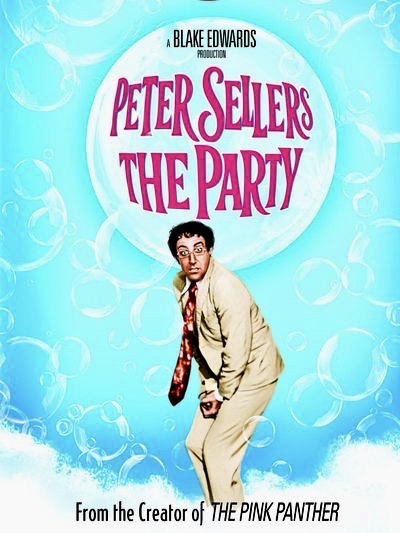
You don’t have to go back that many years to compile a long list of Hollywood films in which white actors are cast as Native Americans, Asians, Hispanics, African Americans, Pacific islanders, Arabs, etc. In fact, this controversial practice continues into the 21st century with such conspicuous portrayals like Jake Gyllenhaal as an Afghan orphan in Prince of Persia: The Sands of Time (2010) and Johnny Depp as Tonto in The Lone Ranger (2013). If you were creating a top ten hall of shame, however, it’s a good bet that Blake Edwards’ The Party (1968) starring Peter Sellers in brownface makeup as Indian film star Hrundi V. Bakshi would be near the top of the list. Yet, the film is considered by many film critics and movie lovers as one of Edwards’ best comedies and has a cult following that has nothing to do with racial stereotypes. It is also considered a radical departure from other comedies of that time for its improvised, almost experimental approach to the genre.
Continue readingVoyeur Villa

Sometimes a film poster doesn’t offer enough information to let you know what kind of movie to expect. Take, for example, Eyes Behind the Wall (Italian title: L’occhio dietro la parete, 1977). The Italian poster suggests it might be an erotic drama with its image of an older man touching the exposed thigh of a younger woman. The background paraphernalia and laboratory setting could also indicate a sci-fi or horror premise. The American poster for the film displays a demented face, an oversize bloody knife and a topless female victim in the style of a trashy giallo. The simple truth is that Eyes Behind the Wall is hard to classify and doesn’t easily fit into any specific genre although you could file it under Eurotrash. While the film is problematic in many regards, it still manages to be consistently intriguing and unpredictable.
Continue readingThe Case of the Fake MD

Most medical dramas focus on storylines about the inner workings of a hospital, rivalries between staff members, patients in crisis situations or maybe all of the above. Bedside (1934) is unique in that the main character, Dr. J. Herbert Martell aka Bob Brown, isn’t a real doctor at all. He’s only an X-ray technician posing as a MD and his motivation has nothing to do with the Hippocratic Oath. He’s a dirty rotten scoundrel and you know he’s up to no good from the start because he is played by Warren William, a familiar face in films of the Pre-Code period.
R.W. Fassbinder and Daniel Schmid: Shadow of Angels

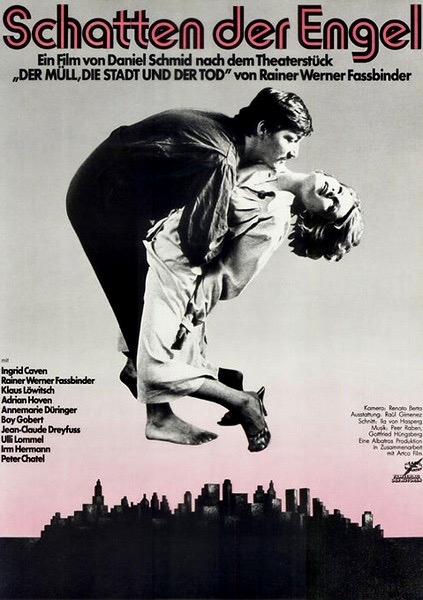
In his relatively brief lifetime of 37 years, Rainer Werner Fassbinder turned out 21 feature films, two TV mini-series (Berlin Alexanderplatz, Eight Hours Don’t Make a Day), 11 made-for-TV movies, 1 documentary, several film shorts, and numerous theatrical productions. He also helmed an episode of the quasi-documentary/fiction compilation Germany in Autumn (1978), served as producer on other German films like Tenderness of the Wolves (1973) and appeared as an actor, not only in many of his own films but in those of other contemporaries from the New German cinema like Volker Schlondorff. Fassbinder’s role as the contemptuous anti-social rebel Baal (1970), adapted for television by Schlondorff from Bertolt Brecht’s play, is one of his finest performances (Criterion released a beautifully restored version of it on Blu-ray and DVD in March 2018). Equally impressive but lesser known is Daniel Schmid’s Shadow of Angels (Schatten der Engel, 1976), which is based on Fassbinder’s play The Garbage, the City and Death and features R.W. in a pivotal role.
Continue reading