Unknown's avatar

About JStafford

I am a writer for The Travel Channel, ArtsATL.com, Burnaway.org and other publications. I am also a film researcher for Turner Classic Movies and a member of the Atlanta Film Critics Circle. This blog is dedicated to overlooked, obscure or underrated movies and other cinema topics that I want to share.

Playlists for the Apollo Space Missions

July 20, 2021 will mark the 52nd anniversary of man’s first moon landing by Apollo 11 and the perfect way to celebrate the event is to watch Al Reinert’s 1989 documentary on the Apollo space program, For All Mankind (not to be confused with the 2019 TV series of the same name). For those who haven’t seen it, this is not your typical talking heads documentary. The film mixes together footage from all of the Apollo missions (as well as material from the Gemini missions) in a mesmerizing, impressionistic montage with a sound design of audio bites by various astronauts, mission control personal and newscasters (none of whom are identified on-screen) and eerie music by Brian Eno with the inevitable snippet of Richard Strauss’ “Also Sprake Zarathustra” and a rendition of Santo and Johnny’s “Sleepwalk,” performed by Lee DeCarlo and Peter Manning Robinson. The emphasis is on the fulfillment of a seemingly impossible quest and not so much the individuals involved but there is one fascinating segment of For All Mankind which reveals some of the music selections the astronauts carried to the moon and is probably still being enjoyed in some distant galaxy right now.       

Continue reading
Hell is Other People

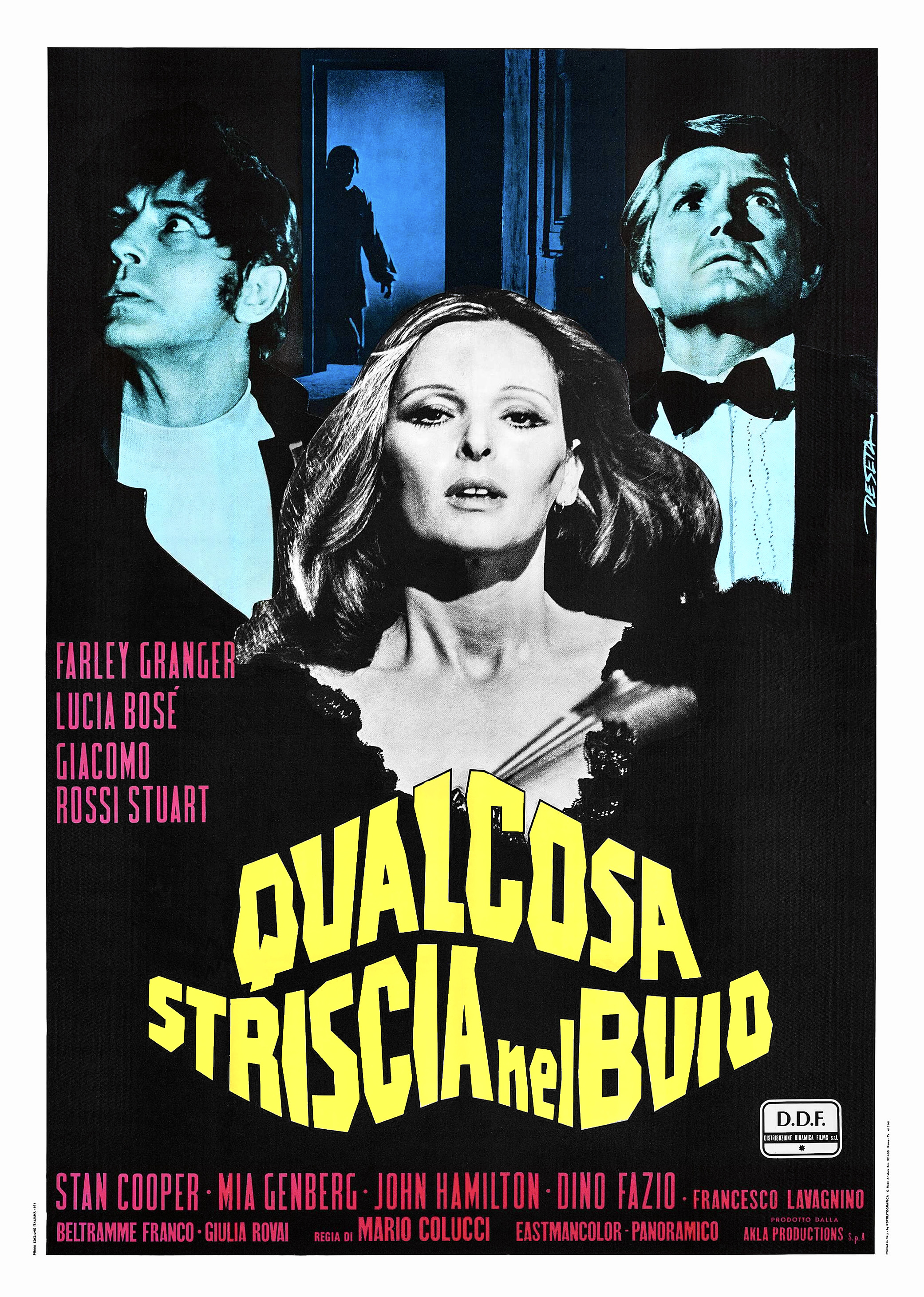
A random group of strangers being forced to share close quarters during an impending disaster or emergency situation is a familiar trope in genre films. The situation becomes even more dire when most of the stranded individuals prove to be loathsome or extremely annoying. This is essentially the set-up for Something Creeping in the Dark (Italian title: Qualcosa Striscia nel Buio, 1971), a quintessential old dark house thriller which starts as a suspenseful melodrama and quickly descends into the realm of the occult.  

Continue reading

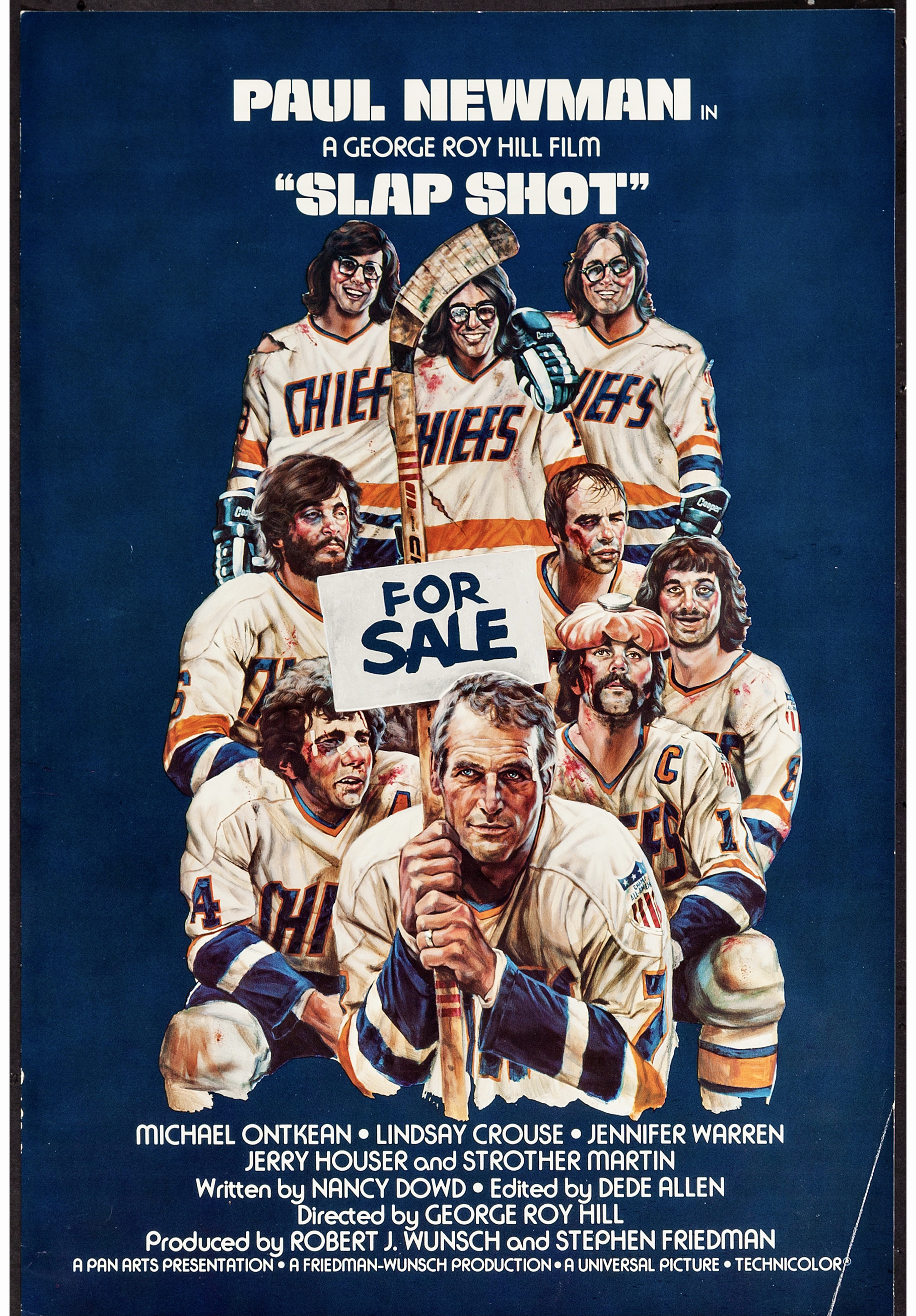
Ice Capades

George Roy Hill is a name that should be familiar to most movie fans. Although his claim to fame mostly rests on two Paul Newman-Robert Redford hits, Butch Cassidy and the Sundance Kid (1969) and The Sting (1973), for which he won the Best Director Oscar, Hill is unique in that he could successfully helm big screen epics like Hawaii (1966), art house fare (Slaughterhouse-Five, 1972) or intimate, small scale projects such as A Little Romance (1979). Despite his versatility, he has never enjoyed the sort of critical acclaim or respect afforded such peers as Robert Altman but Hill is clearly overdue for reappraisal and so are some of the overlooked gems in his filmography like The World of Henry Orient (1964) and Slap Shot (1977), which might be his most underrated movie.

Continue reading

The Isabelle Huppert Revelation

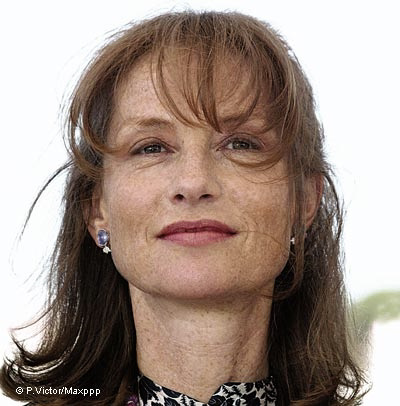
French actress Isabelle Huppert

There was a period of time from around 2000 to 2012 when it seemed like every major French movie that received distribution in the U.S. featured Isabelle Huppert as the female lead. Did she have some kind of special deal with the import/export office? Couldn’t Miou-Miou, Natalie Baye, Isabelle Adjani, Fanny Ardant or some other French actress close to the same age get some equal representation? Don’t get me wrong. Huppert’s talent as an actress is indisputable and she probably deserved the Best Actress Oscar for her go-for-broke performance in The Piano Teacher (2001), which received zero nominations from the Academy.

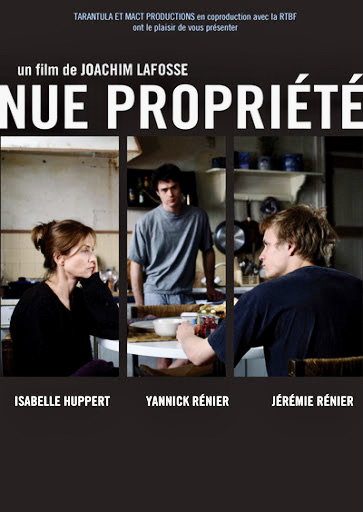
It’s also heartening to see any actress past the age of fifty getting steady work and not being relegated to a supporting role as the mother or grandmother of the 20-something female lead. No, the issue here is overexposure (Catherine Deneuve had the same problem for years). More importantly, Huppert often seems drawn to variations of the same edgy, extreme character in film after film which can get monotonous if you happened to see her consecutively in Ma Mere (2004), Les Soeurs Fachees (2004) and Gabrielle (2005). Not a hard feat to do since she averages anywhere between one to three movies a year.  So, it was with some trepidation that I approached Private Property (2006, French title: Nue Propriete), by Belgium director Joachim Lafosse with – who else? – Isabelle Huppert in the lead. And once again she’s playing a neurotic and difficult character but there’s something quite different about this one.

Continue reading

Johnny Cash in His Film Debut

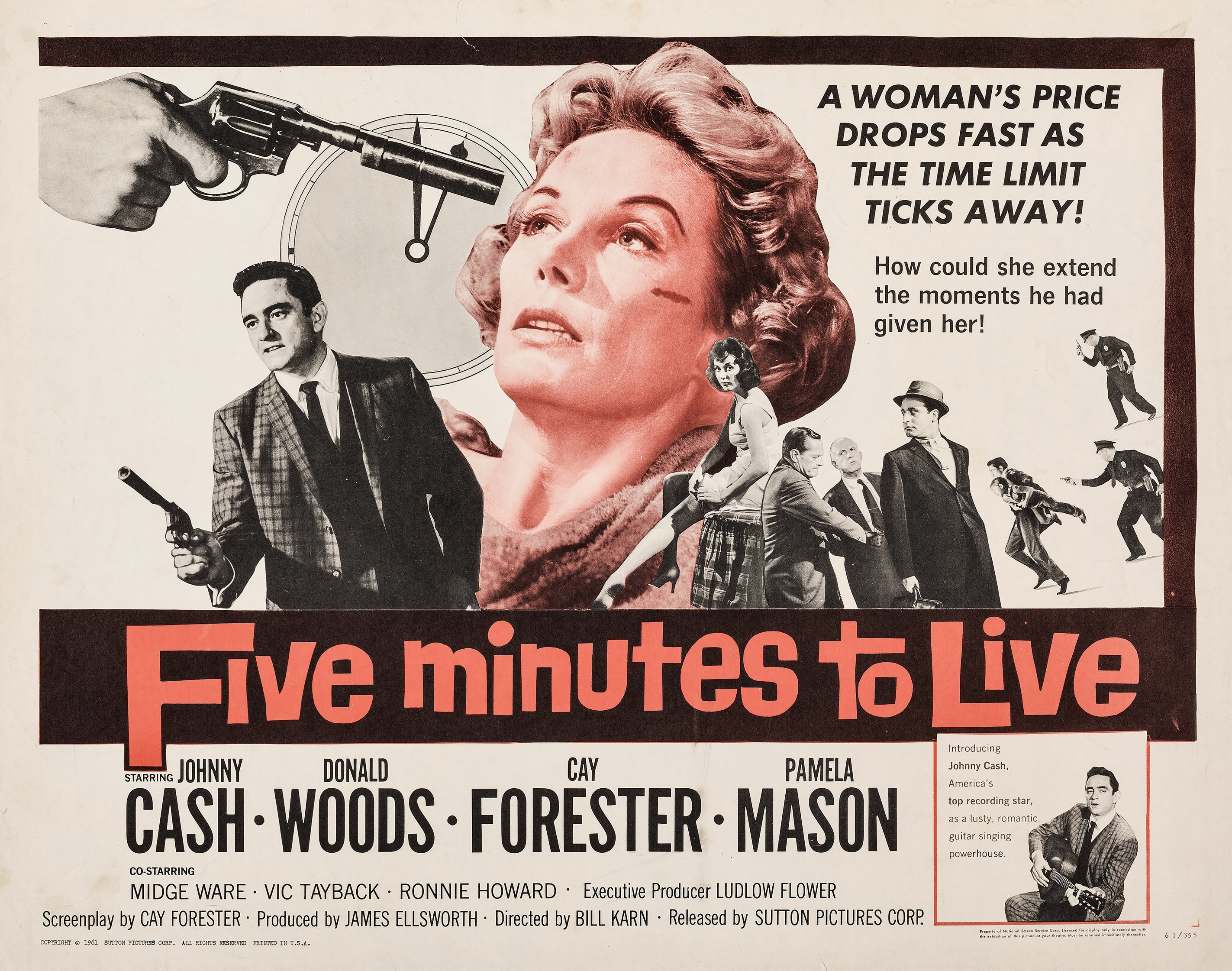
Even hardcore fans of the “Man in Black” might not know that back in 1961 the bad boy of country-western music decided to dabble in motion pictures and made his film debut in a low-budget wonder entitled Five Minutes to Live (aka Door to Door Maniac). It’s an enjoyably trashy genre mash-up that is part bank heist thriller, part home invasion psychodrama and part family sitcom in the style of Father Knows Best. Plus, in addition to Cash chewing up the scenery, the cast includes Country Music Hall of Famer Merle Travis as a bowling alley manager, little Ronnie Howard (who was already appearing on television in such series as Dennis the Menace and The Andy Griffith Show) and Vic Tayback, the Emmy-nominated co-star of the TV series Alice. It’s not their finest hour but if you’re a Cash fan or appreciate wild card obscurities like Blast of Silence (1961) or Shack Out on 101(1955), you know you want to see it.       

Continue reading

The Great Displacement

At the end of WW2, it was estimated that more than 6 million people had been displaced from their homes and roughly 180,000 of these were children. Some were concentration camp survivors, others were orphaned or separated from their families, hiding in monasteries or living with strangers. There have been a handful of films that dealt with this traumatic situation and Fred Zinnemann’s The Search (1948) is probably the most famous post-war American film on the subject. It was nominated for four Academy Awards and won a special Juvenile Oscar for Ivan Jandl as a homeless kid separated from his Czech mother. Europe also produced some landmark films about displaced children during WW2 including Roberto Rossellini’s Germany Year Zero (1948) and Rene Clement’s Forbidden Games (1952) but Somewhere in Europe aka It Happened in Europe (Hungarian title: Valahol Europaban) from Hungarian director Geza von Radvanyi was one of the first films to address war orphans trying to fend for themselves. Released in 1947, the film is less well known than other post-war dramas from the same period but it is a harrowing portrait of a dire situation affecting Eastern Europe, especially Hungary, during the final days of the war.

Continue reading

Superdrago to the Rescue

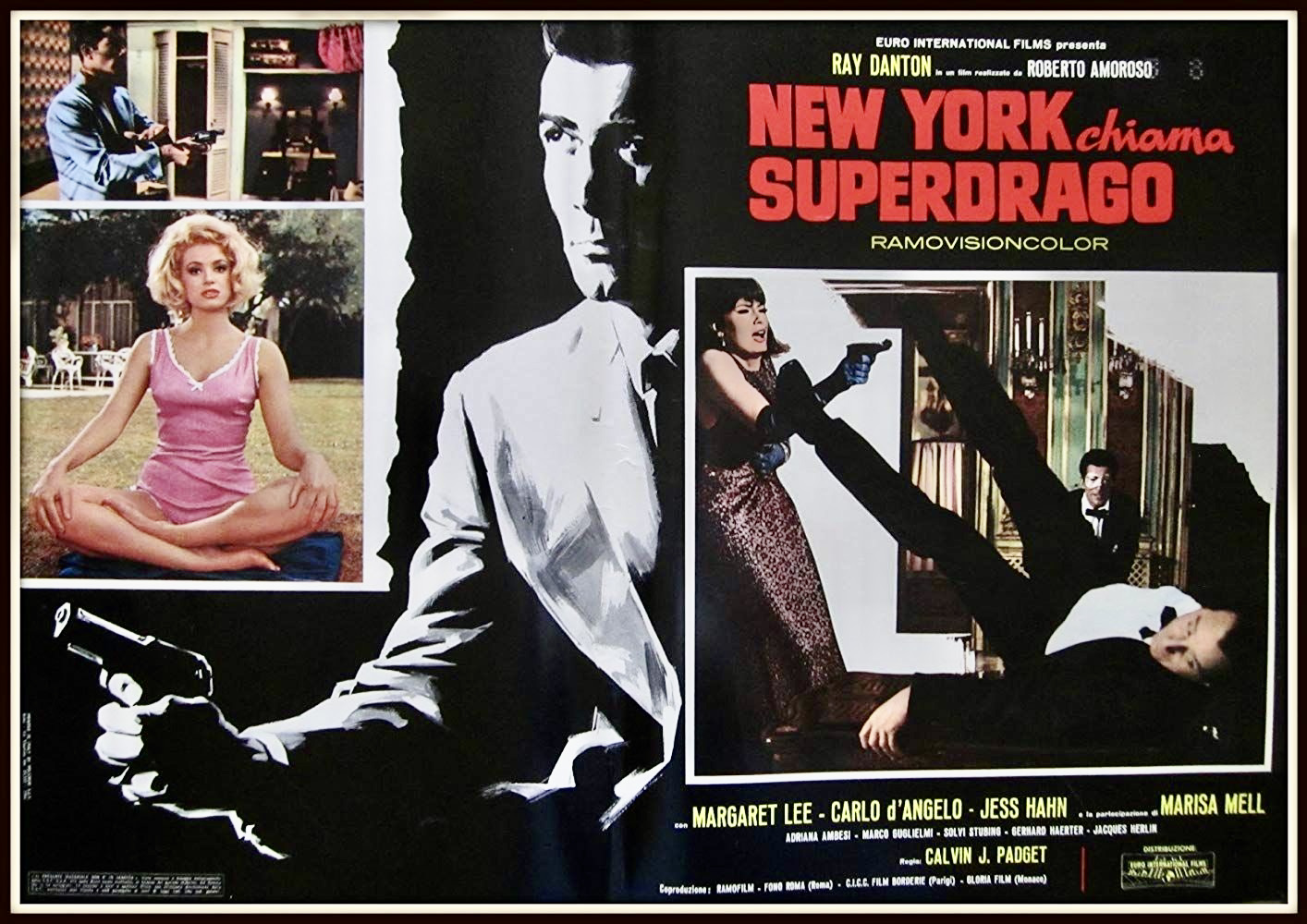
One of countless Eurospy actioners released in the wake of the James Bond film craze in the sixties, Secret Agent Super Dragon (aka New York chiama Superdrago, 1966) has been mercilessly ridiculed on MST3K but served straight up, it’s often funnier in its own poker-faced way and has some oddball flourishes to set it apart from its fellow spy wannabes. I know it denotes a certain immaturity in the writer to even do a post on this, yet I am compelled…I must!

Continue reading

Nothing is Off Limits: The Art of Eva Hesse

Most major art movements in America during the 20th century were led and dominated by male artists but the post-minimalist movement that emerged in the mid-1960s in New York City was unique for the number of female artists that captured the attention of the art world. Foremost among them was Eva Hesse, whose work utilizing plastics, fiberglass and latex represents some of the most radical and influential creations from that group. Unfortunately, she was struck down by brain cancer at the height of her fame at age 34, but the 2016 documentary Eva Hesse provides a wonderfully immersive deep dive into her art, life and career.

Continue reading

The Cunning Inspector Cockrill

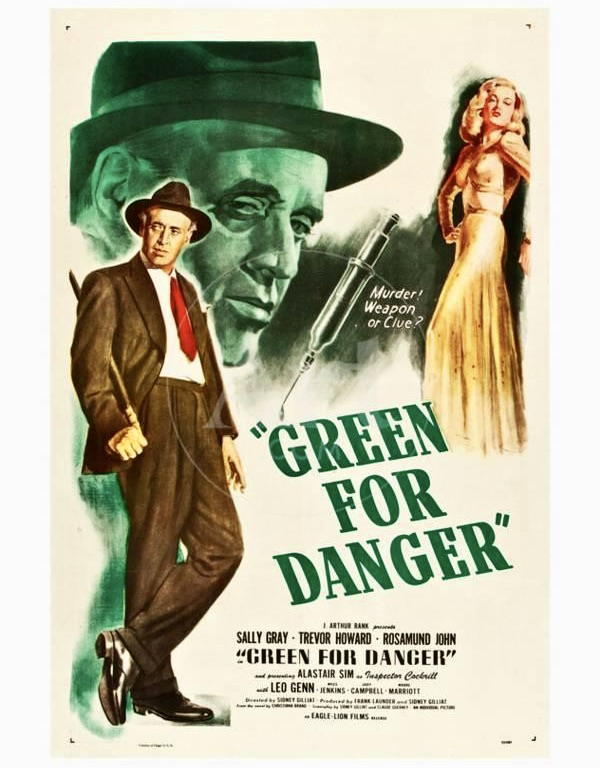
Classic movie lovers in the U.S. probably know Alastair Sim as Ebenezer Scrooge in the perennial holiday favorite, A Christmas Carol, the 1951 version. He is also memorable for his supporting role in Alfred Hitchcock’s Stage Fright (1950) but, more importantly, British comedy fans adore Sim specifically for his eccentric comedic characters in such popular films as The Happiest Days of Your Life (1950), Laughter in Paradise (1951) and Innocents in Paris (1953). Less familiar to American audiences but guaranteed to turn you into an Alastair Sim fanatic if you’re not one already is Green for Danger, a 1946 suspense thriller starring Sim as the sly-as-a-fox Inspector Cockrill.

Continue reading

In the Kingdom of G

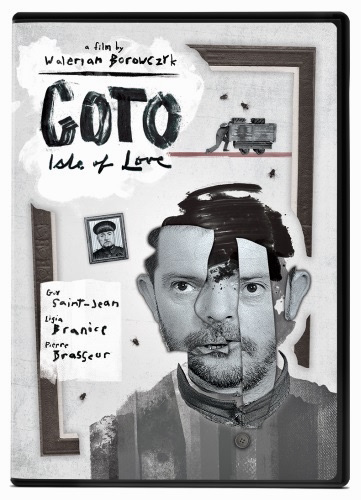
In the film world of the 20th century, there were not too many animators who made the transition to live action feature film directing. Certainly Frank Tashlin was one of the most famous, going from Porky Pig and Daffy Duck cartoon shorts to manic pop culture comedies like The Girl Can’t Help It (1956) and Hollywood or Bust (1956). Another rare exception was George Pal, who became famous for his Puppetoon shorts for Paramount before establishing himself as a director of fantasy features such as Tom Thumb (1958) and The Time Machine (1960). It is far easier to name more contemporary filmmakers like Terry Gilliam, Tim Burton and Brad Bird,  all of whom graduated from cartoons to live-action features successfully. The above are all artists who worked in the commercial cinema but, if you are talking about art cinema, the list is much smaller and Polish animator Walerian Borowczyk should be in the top slot. Goto, Island of Love (1969, Polish title: Goto, I’ile d’amour), his feature film debut, is a fascinating achievement that successfully brings the avant-garde sensibilities of his animated shorts to a live action feature.

Continue reading