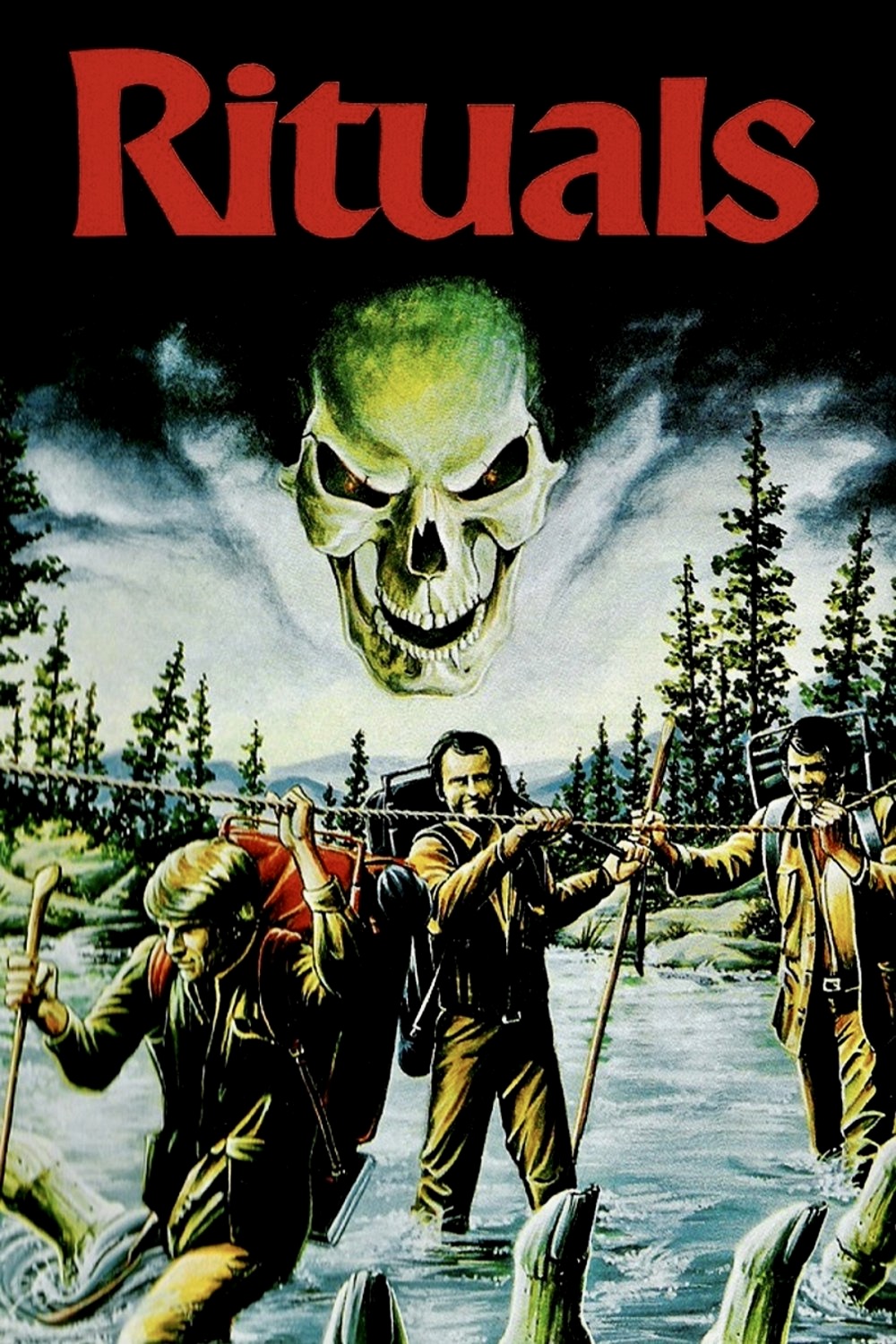
If You Go Down in the Woods Today, You’re in for a Big Surprise

When the film version of James Dickey’s 1970 novel Deliverance, directed by John Boorman, first appeared in 1972, it was perceived as a new kind of survival tale, one in which suburban men were confronted with the primeval forces of nature and completely traumatized by the experience. While it was mostly a character-driven adventure story, it had nightmarish elements that could easily classify it as a horror film yet it had a much broader appeal than a niche genre item. Nevertheless, some filmmakers took Dickey’s basic premise of some city folks venturing into unknown rural territory and turned it into a horror film template. Some of the more infamous titles are Wes Craven’s cult favorite The Hills Have Eyes (1977), Mother’s Day (1980), a sick black comedy from Troma Entertainment, Just Before Dawn (1981), directed by Jeff Lieberman (Squirm, Blue Sunshine) and The Final Terror (1983) featuring Daryl Hannah and Rachel Ward in early roles. My favorite though is the lesser known 1977 Canadian film Rituals (aka The Creeper), which comes close to generating the kind of white-knuckle tension that defined Deliverance while adding a number of gruesome horror tropes that make it consistently creepy and harrowing.

Continue reading
Living Large in Texas

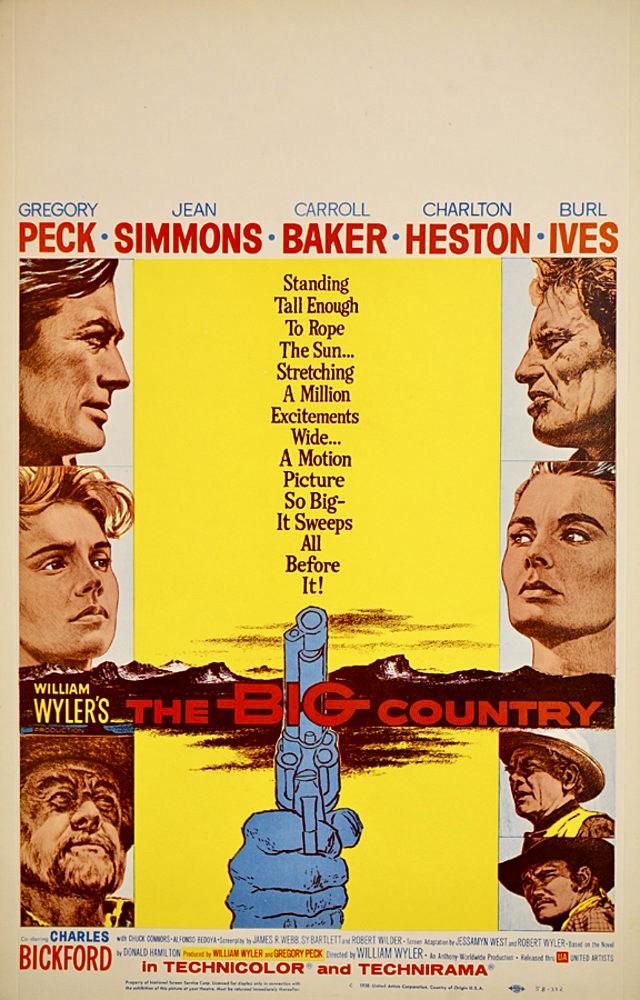
Director William Wyler had spent most of his film career trying to gain creative control of his pictures but kept falling short of his goal in his dealings with Paramount and other studios. In 1956, he attempted to remedy that situation by entering into a joint venture with his good friend, Gregory Peck, to create an epic western called The Big Country (1958). In Wyler’s words, the film was “about a man’s refusal to act according to accepted standards of behavior. Customs of the Old West were sort of debunked.”

Continue reading

The Virgin of Nuremberg

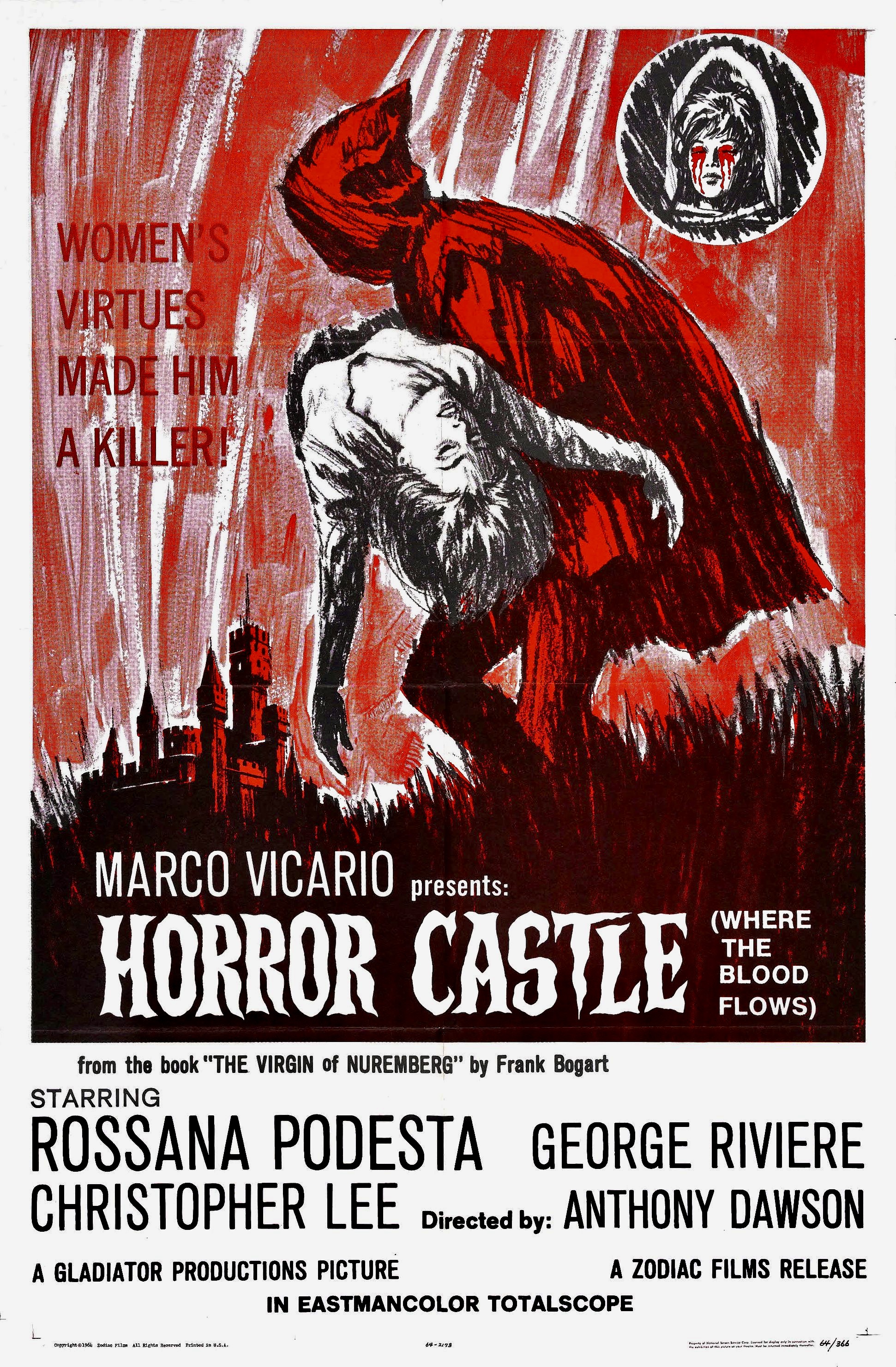
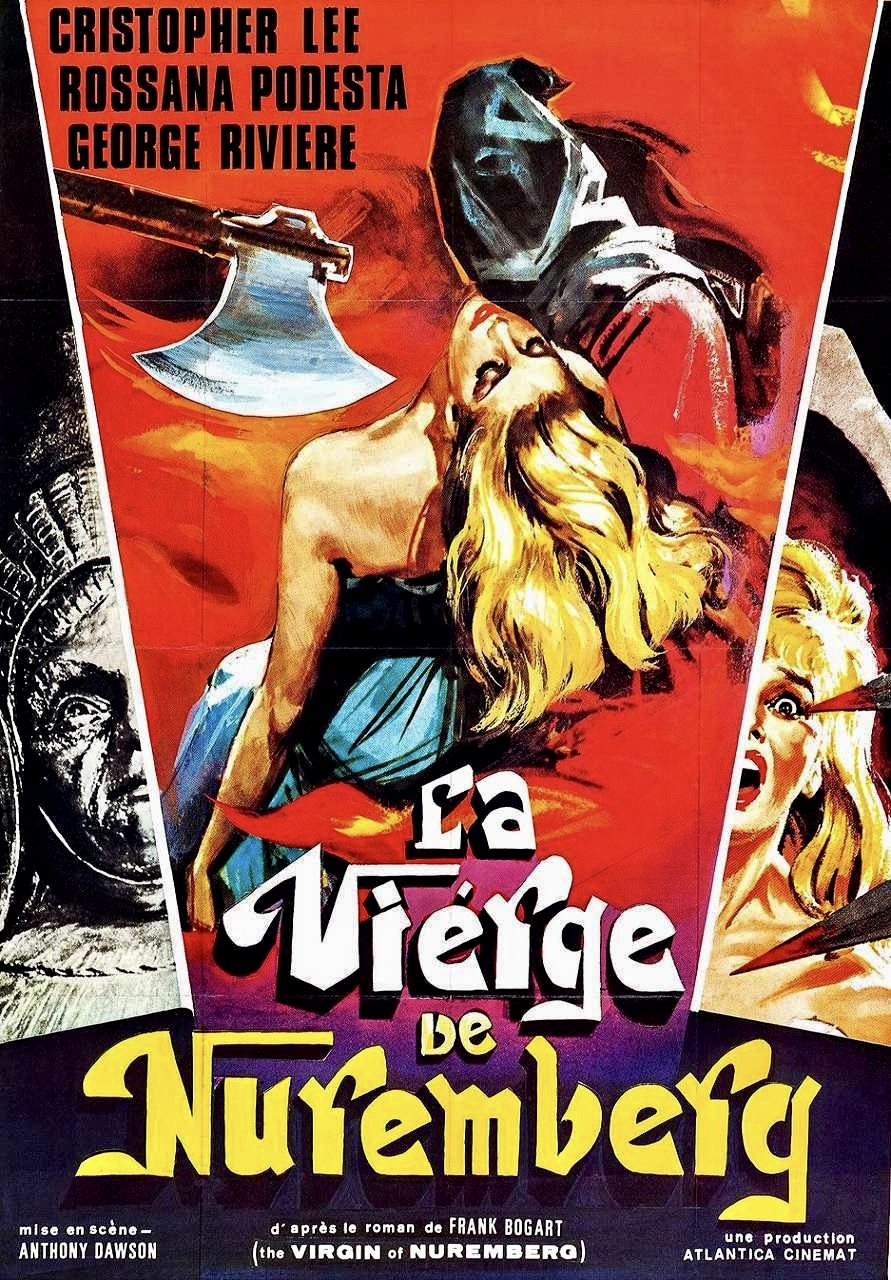
The Italian film poster for THE VIRGIN OF NUREMBERG which is also known as HORROR CASTLE (1963), starring Rossana Podesta.

Mary, the wife of German aristocrat Max Hunter, is visiting her husband’s ancestral castle for the first time and is completely unsettled by the mansion’s violent past; 300 years earlier it was the home of “The Punisher”, a sadistic fiend who tortured and killed women deemed guilty of adultery. One room of the mansion even serves as a shrine to the past with its museum-like displays of the family implements of torture. The castle’s domestic staff is no less intimidating with Erich, a disfigured servant, and Marta, a grim-faced housekeeper with a flair for morbid stories, in constant attendance. Left alone by her husband while he conducts business away from home, Mary tries to suppress her mounting terror as reports of a missing servant girl lead to rumors of “The Punisher” and his return from the grave.

The opening sequence of the Italian film La Vergine di Norimberga (U.S. release title, Horror Castle (1963) could be a primer for Gothic horror films with every cliche of the genre on display. A dark, stormy night. A creepy castle. A frightened woman in a nightgown exploring the darkened corridors by candlelight. Where it departs from the predictable formula is in the dramatic payoff – the gruesome discovery of a mutilated woman locked inside an iron maiden, “The Virgin of Nuremberg” (the original Italian title of the film).

Continue reading

Like Moths to a Flame

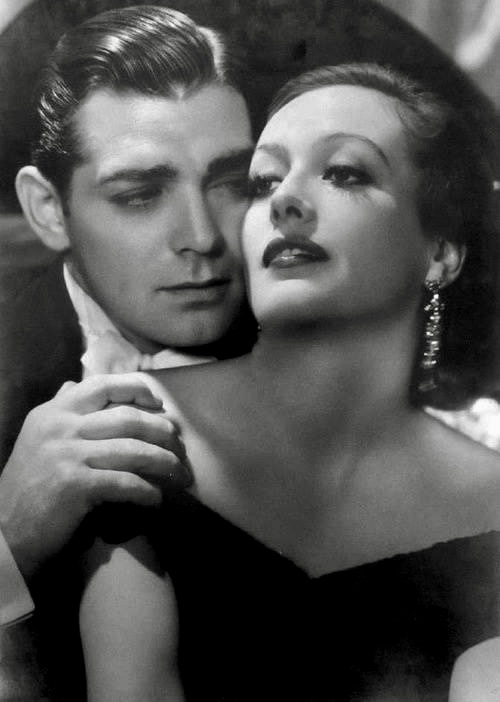
A publicity photo of Clark Gable and Joan Crawford in the 1931 melodrama POSSESSED.

It was just the sort of rags-to-riches tale audiences craved during the Depression era. A working class woman with a shady past finds romance with a high society lawyer running for political office. There’s one major obstacle to their happiness though – he’s married. But Possessed (1931) is less about the road to a bright future for these star-crossed lovers than the on-screen sexual chemistry between the two stars – Joan Crawford and Clark Gable. It was their third film together but it was the first time the duo truly clicked with audiences as a screen couple.

Continue reading

Rave On!

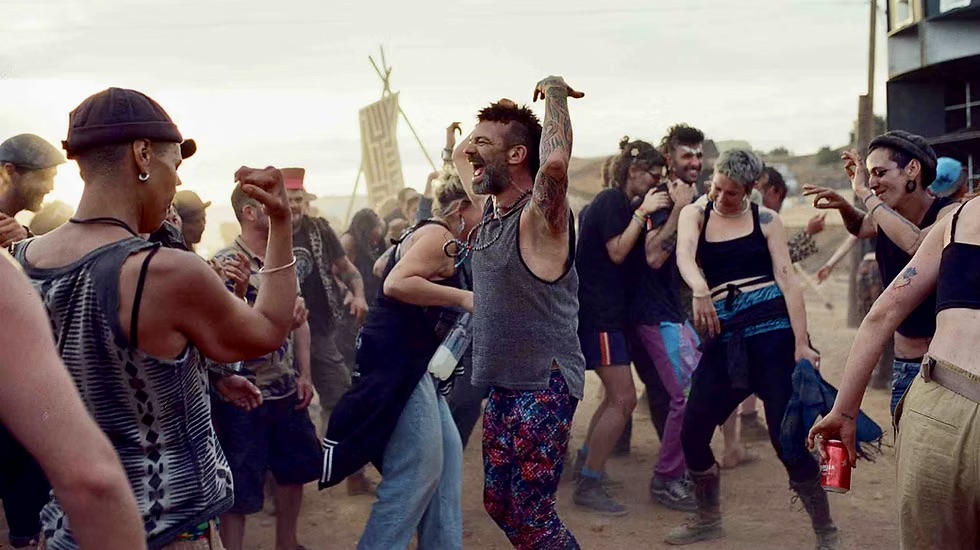
SIRAT (2025), from Spanish director Oliver Laxe, opens with an illegal rave in the desert of Morocco before it transitions into a mysterious and shocking road trip.

We see the hands of roadies placing gigantic audio speakers on top of and beside each other on the arid plains of the Sahara Desert in Morocco. When they are finished, their work is revealed as a literal wall of sound, designed to super-amplify the techno beats of an incognito rave. As the propulsive rhythm floods the desolate location framed by towering red canyon walls, ravers let themselves go in an uninhibited dance frenzy, most of them lost in drug induced or spiritual ecstasy. Yet, among this throbbing mass of humanity, two people have not come to dance. Luis (Sergi Lopez) and his young son Esteban (Bruno Nunez Arjona) have come to distribute flyers for Esteban’s missing sister, who is a fan of raves and could possibly be here. So begins Oliver Laxe’s Sirat (2025), a cinematic journey that is both corporeal and metaphysical as a search for a missing person evolves into a life or death encounter with the unknown.

Continue reading

Howling on the Moors

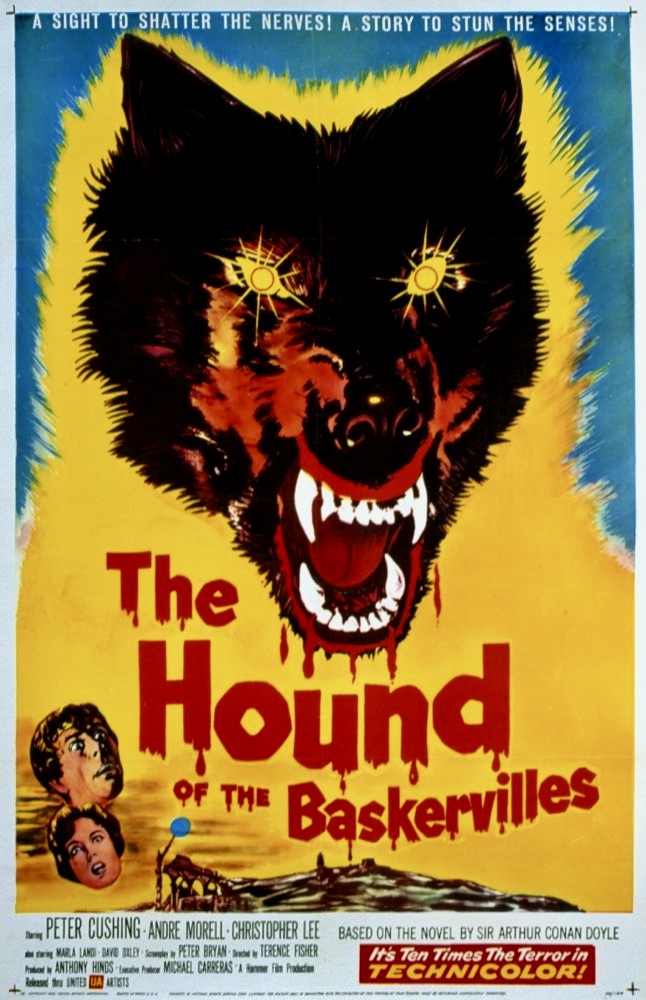
Almost thirteen years after Basil Rathbone had filmed his final screen appearance as Sherlock Holmes, Hammer Studios decided to resurrect Sir Arthur Conan Doyle’s internationally famous detective in a Technicolor remake of The Hound of the Baskervilles (1959) which had been previously filmed with Rathbone in 1939. The eerie tale, which opens in a flashback sequence to an earlier time, depicts the origins of the Baskerville curse: the decadent Sir Hugo Baskerville brutally murders a servant girl who flees a group orgy at his mansion. Immediately following her death, however, Baskerville hears a strange braying on the moors before encountering an immense spectral hound which avenges the girl’s death. We then flash forward to the present, where Sherlock Holmes and his partner, Dr. Watson, are investigating the mysterious recent death of Sir Charles Baskerville.

Continue reading