Hollywood’s penchant for remakes is not a new development but a strategy that has served some of our most acclaimed directors in often surprising and unique reworkings of the original source material. Take, for instance, Billy Wilder’s 1964 sex comedy, Kiss Me, Stupid. It was actually adapted from Anna Bonacci’s 1944 play, L’ora della fantasia [The Dazzling Hour], which, in turn, became the 19th century costume farce Wife for a Night (1952, aka Moglie per una notte), directed by Mario Camerini, a popular Italian film director who is best known for a number of 1930s hit comedies starring Vittorio de Sica and a 1954 version of the Greek myth Ulysses with Kirk Douglas.
Continue readingYearly Archives: 2021
The Backward Life of Bedrich Frydrych

The cinematic concept of telling a story in reverse order might seem like a creative rejection of the traditional chronological narrative but it is nothing new. Polish filmmaker Jean Epstein experimented with this approach as early as 1927 with the avant-garde short The Three-Sided Mirror (La Glace a trois faces) but in recent years we have seen numerous examples of the reverse narrative in Atom Egoyan’s The Sweet Hereafter (1997), Michel Gondry’s Eternal Sunshine of the Spotless Mind (2004) and two films by Christopher Nolan, Memento (2000) and Tenet (2020). Betrayal (1983), the brilliant screen adaptation of Harold Pinter’s 1978 play, is probably my favorite example of the backward narrative in terms of its cumulative emotional power but Happy End (1967) by Czech filmmaker Oldrich Lipsky might be the funniest and most visually inventive example of this novel gimmick.
Continue readingThe Kaiju Eiga Man

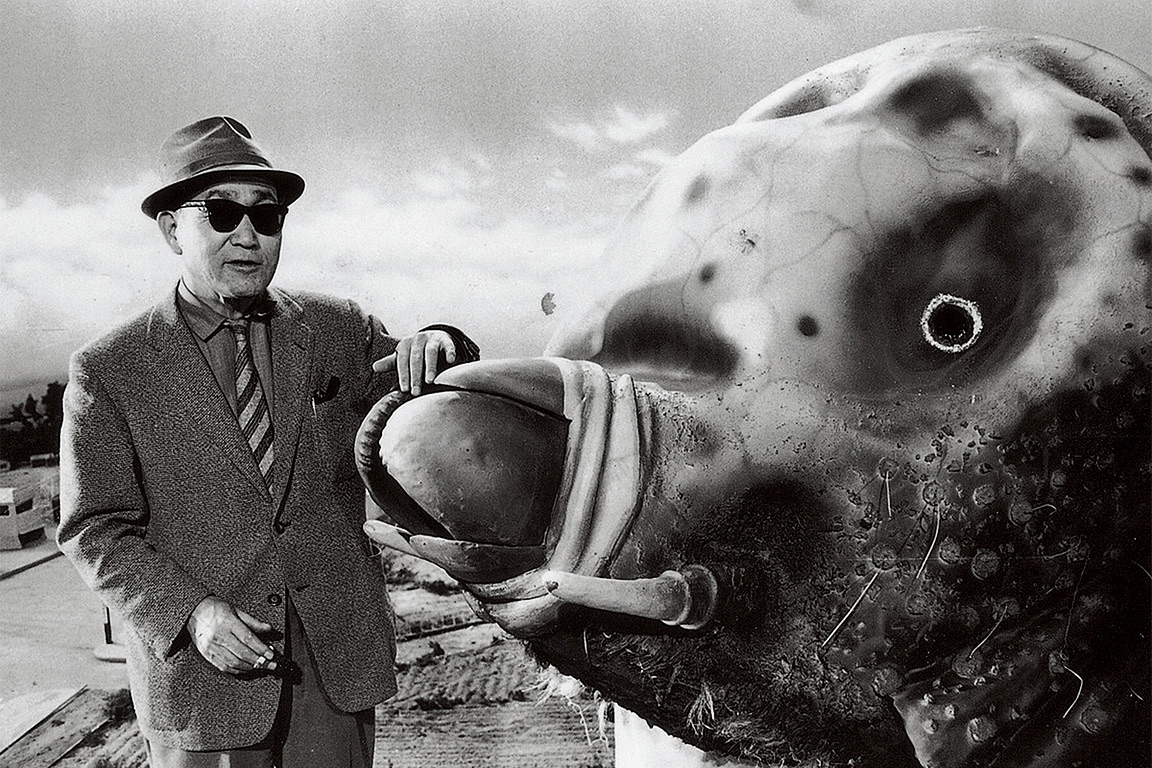
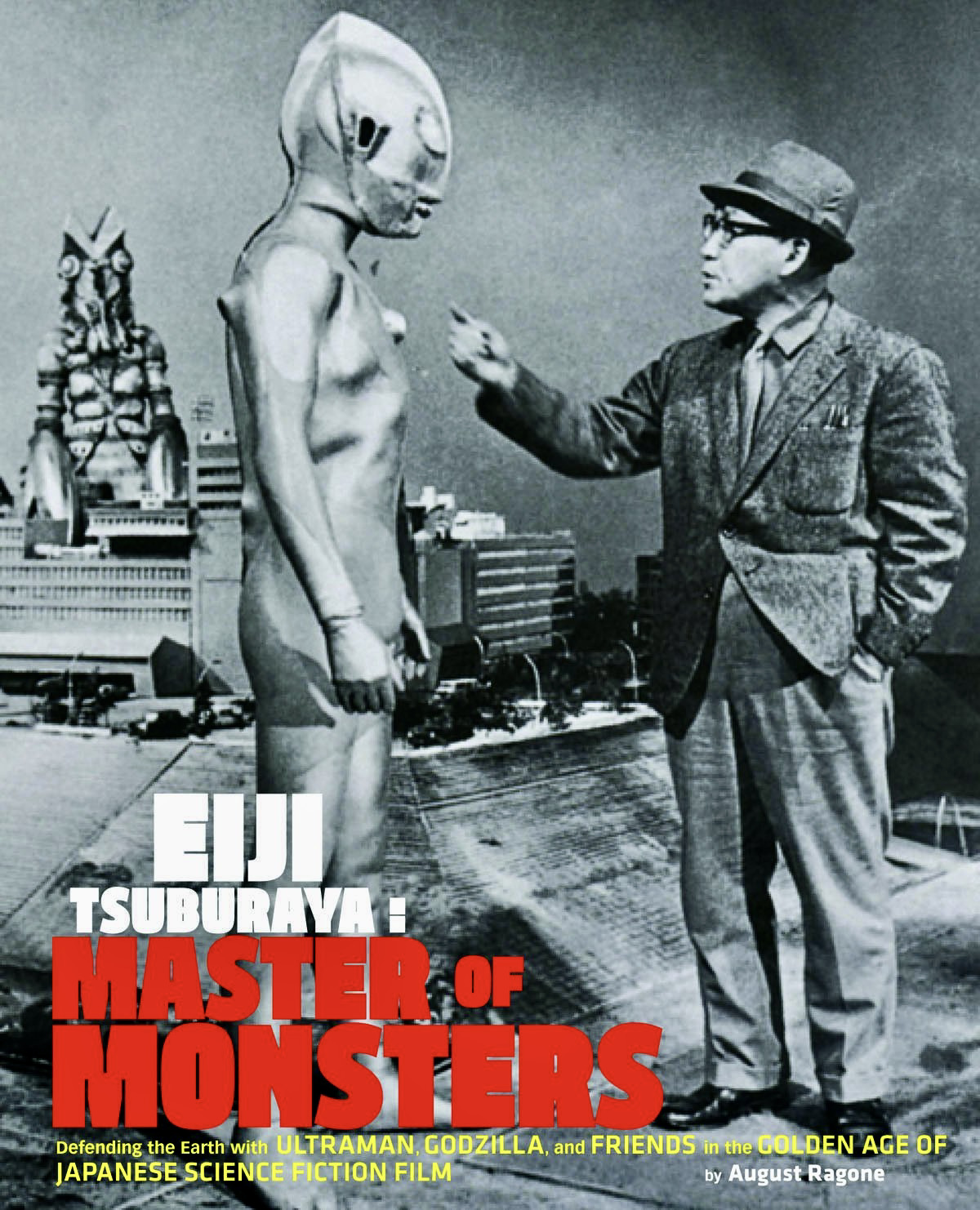
When the subject of Japanese film comes up, you might assume that Akira Kurosawa is that nation’s most famous filmmaker in terms of international recognition and critical acclaim. Yet, a 2014 book by August Ragone (published by Chronicle Books), makes a good case for another filmmaker from Japan whose worldwide popularity, especially among sci-fi/fantasy fans, is probably greater than Kurosawa, Yasujiro Ozu, Kenji Mizoguchi and Kon Ichikawa combined. His name is Eiji Tsuburaya. What? The name doesn’t ring a bell? Maybe you’ve heard of Godzilla (1954) or Mothra (1961) or Destroy All Monsters (1968) or Rodan (1956) or countless other sci-fi/fantasy films from Toho Studios that featured Tsuburaya’s special effects?
Continue readingLock Up Your Valuables!
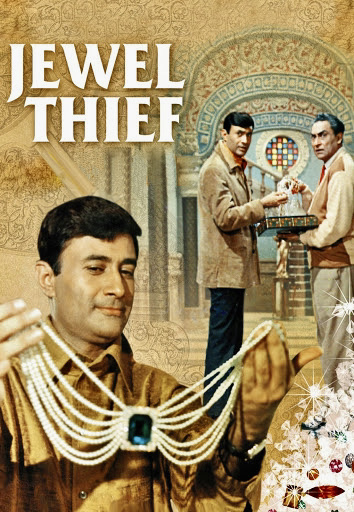
Anyone who is familiar with Bollywood cinema knows that every film that is churned out by the Bollywood film industry contains musical numbers. That doesn’t mean they are all classified as musicals. Quite the contrary. Almost every film genre you can imagine exists in the Bollywood universe – romantic dramas, historical epics, action-adventure yarns, spy comedies, soap operas, even horror films – and they all have musical interludes that relate to the plot. Jewel Thief, one of the biggest Bollywood hits of 1967, falls under the category of crime caper but this is not a gritty noir like Rififi (1955) or The Asphalt Jungle (1950). Instead, it is a noir-lite delight that is closer in tone to the more comic heist classics like Topkapi (1964) or romantic suspensers like To Catch a Thief (1955). What sets it apart from all of the above movies are the stylish and elaborately choreographed dance/song numbers.
Continue readingMickey, Mickey, You’re So Fine, You Blow My Mind!
Forget about Boys Town, Judge Hardy and Son, Babes in Arm, The Human Comedy or National Velvet. This is the less traveled road of Mickey Rooney’s post-MGM career where anything goes like co-starring with a talking mule (Francis in the Haunted House, 1956) or managing a troupe of trained monkeys (Babe: Pig in the City, 1998).
Hugo is No Dummy
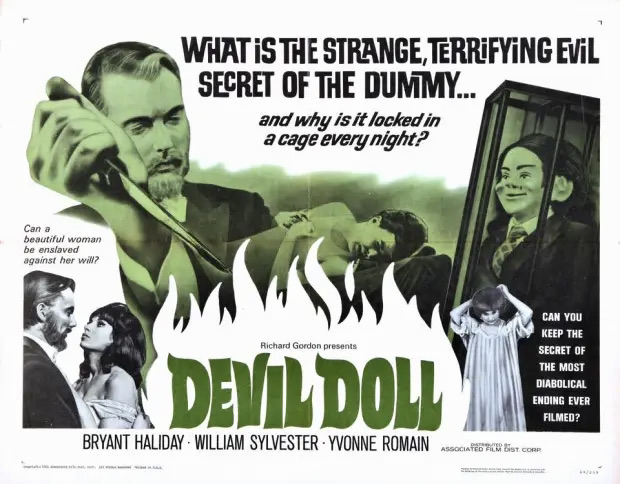
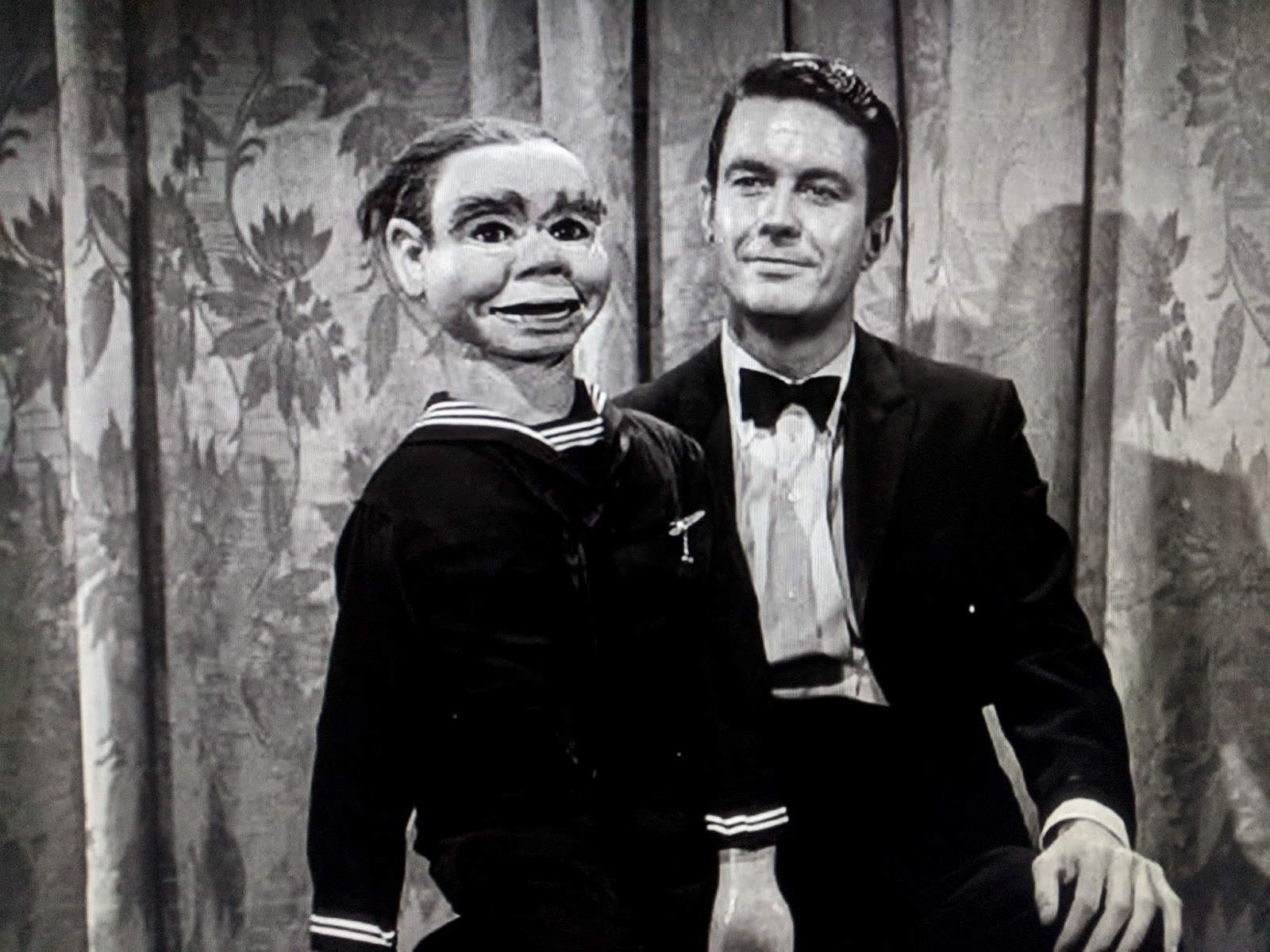
What scares you? Circus clowns, graveyards at night, enclosed spaces, bats ? For me, ventriloquist dummies are the stuff of nightmares and some of my favorite spine-tinglers are Dead of Night, the 1945 British horror anthology film featuring the “Ventriloquist’s Dummy” segment with Michael Redgrave, and “The Dummy,” a 1962 episode from The Twilight Zone starring Cliff Robertson as an unhinged ventriloquist…or is he? Lesser known but just as potent is a creepy little British B-movie entitled Devil Doll (1964), which is ideal viewing for Halloween or anytime.

Bring It On
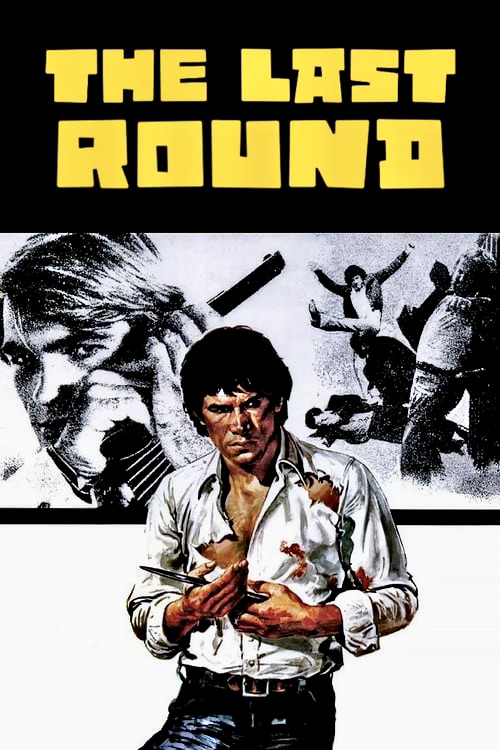
Revenge is a dish best served cold and the recipe is given a distinctly Italian flavor by director Stelvio Massi in The Last Round (Italian title: Il Conto e Chiuso, 1976), a blue collar reworking of Akira Kurosawa’s Yojimbo (1961) for the poliziotteschi genre, which was originally inspired by Dashiell Hammett’s 1929 novel Red Harvest.
Continue readingThe Hula Hoop King
By the time the Coen Brothers released their fourth feature film, Barton Fink (1991), they were quickly becoming the toast of Hollywood, winning various awards and prizes as well as a rapidly growing fan base thanks to the cult appeal of previous films like Blood Simple (1980) and Raising Arizona (1984). Their follow-up feature to Barton Fink was much anticipated but the Coens surprised everyone when their fifth movie turned out to be The Hudsucker Proxy (1994), which was drastically different from anything they had made before.
Continue readingTerence Stamp is Timeless
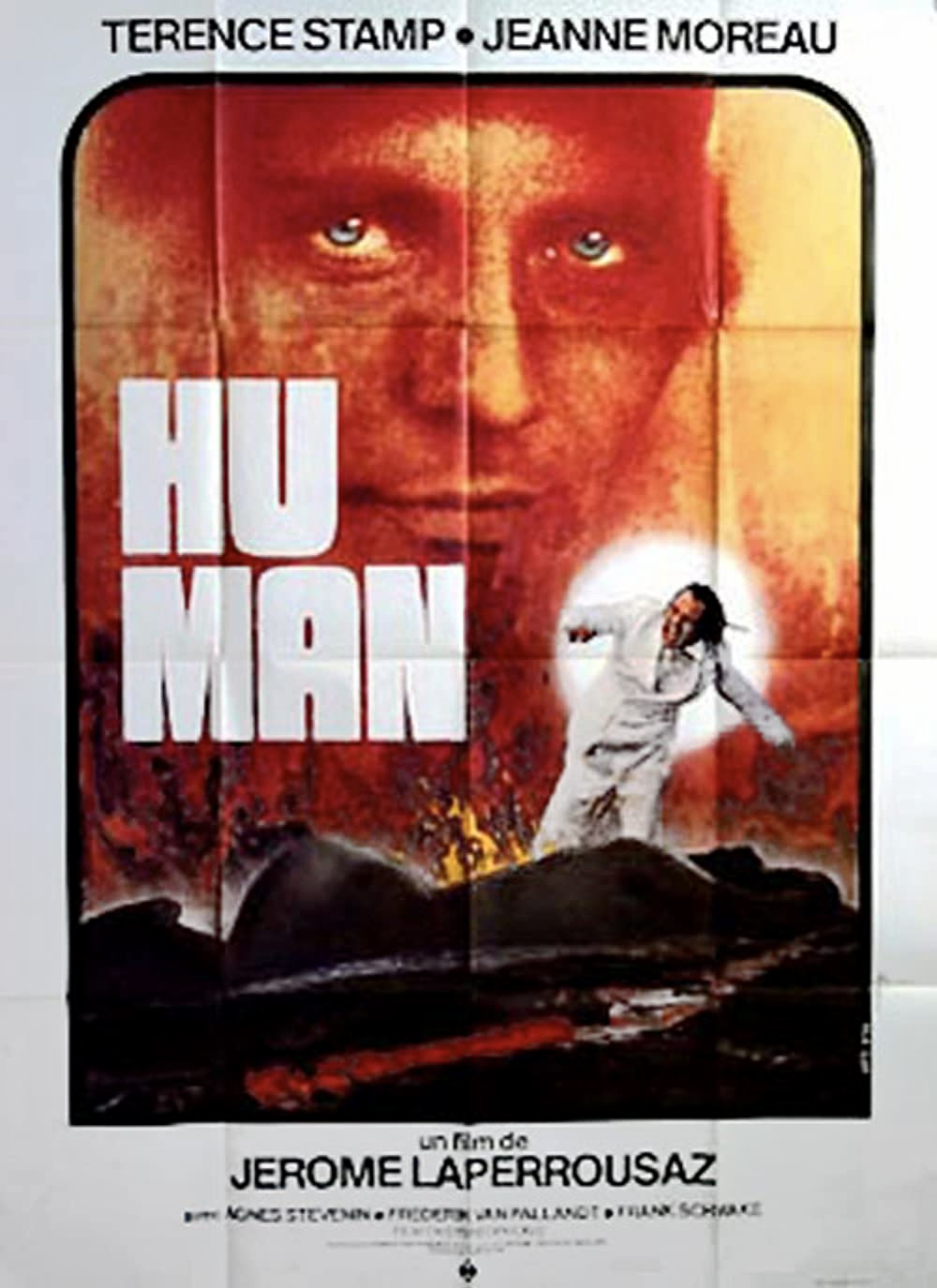
Time travel has been explored in countless science fiction novels and movies over the years but it is not often treated in such an abstract and ethereal manner on screen as it is in Hu-Man, a 1975 French film from director Jerome Laperrousaz. Except for popping up at a few film festivals in the seventies, Hu-Man went missing for years and was assumed to be lost until clips from it appeared in 1998 on the BBC interview series Scene by Scene, hosted by Mark Cousins. Terence Stamp, the star of the film, was the subject of a career retrospective and Cousins was particularly interested in asking Stamp about some of the more challenging and unusual roles in his filmography such as Hu-Man.
Continue readingThe Case of the Missing Raincoat
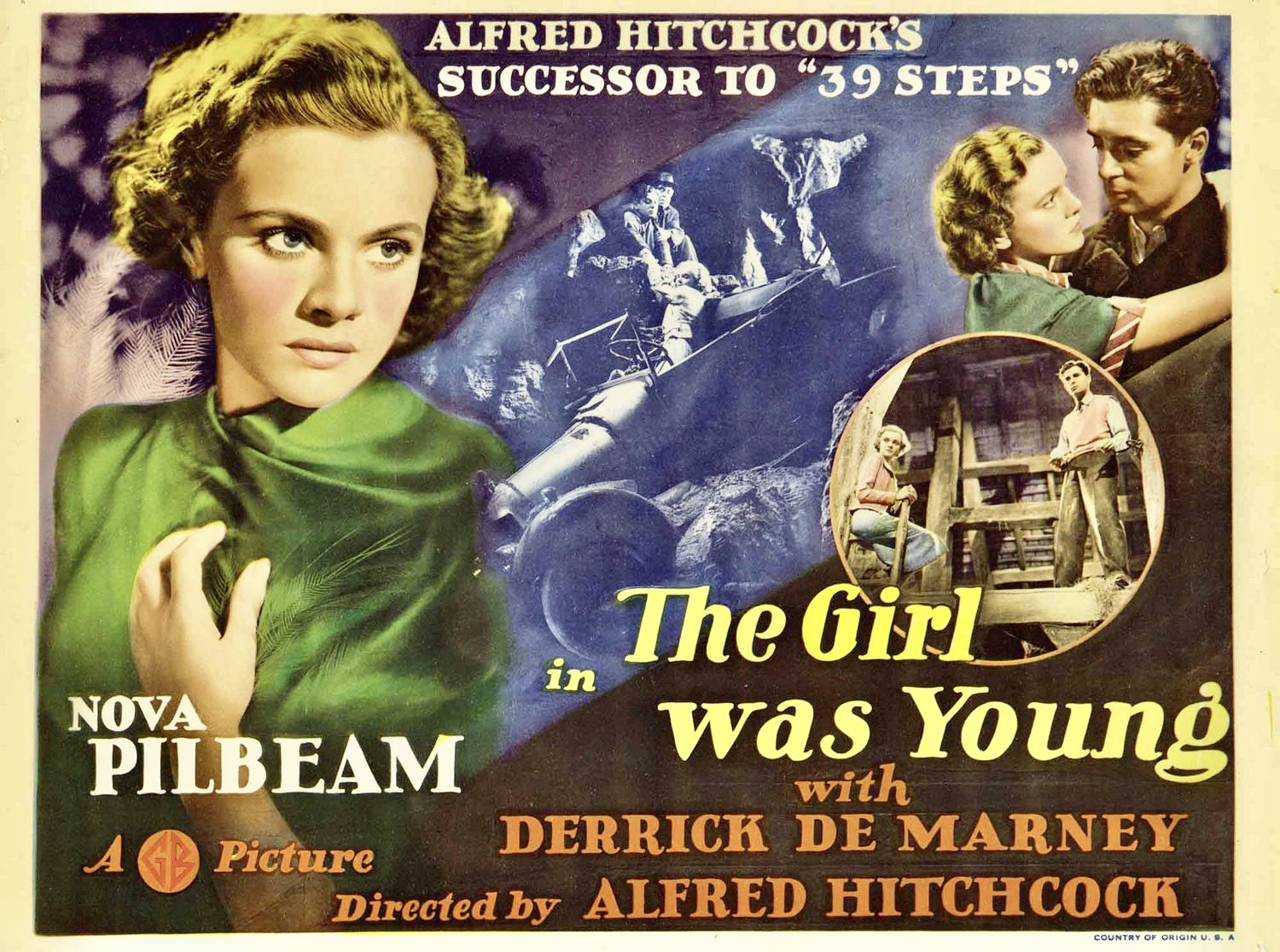
In one of the more striking opening sequences in Alfred Hitchcock’s entire filmography, a man and woman argue violently in a cliff-top mansion above the sea as a storm is brewing. A quick fade to the following morning reveals the lifeless body of a woman in the surf and the murder weapon nearby – a raincoat belt. A man walking along the dunes is the first person to find the victim and runs to get help. Two women on the beach also discover the body and see the man fleeing the crime scene, assuming the worst. When he returns with the police, he is fingered as the murderer and taken into custody, followed by a montage of newspaper headlines. All of this is accomplished in a brilliantly edited sequence of less than five minutes that not only sets the narrative of Young and Innocent (1937, U.S. release title: The Girl Was Young) in motion but could also serve as a textbook example of Hitchcock’s storyboard approach to moviemaking.
Continue reading